REVIEW · MARRAKESH
Marrakech: Atlas Mountains Summit Day Trek 2700m
Book on GetYourGuide →Operated by Atlas Mountains Day Trips from Marrakech · Bookable on GetYourGuide
Up in the Atlas, your feet earn your views. This full-day climb from Marrakech to the Talamrout Summit rewards you with sunrise light over deep valleys and distant, snow-dusted peaks. You’ll also get a real sense of daily mountain life as you pass through villages like Tamaterte on the way up.
I love how the day stays human-sized: small group hiking, guided at a pace that lets you keep up without feeling rushed. And I really like the finish at a Berber family home in Tamatert, where lunch is more than a meal. One drawback to plan for: this is a proper mountain hike, and rocky or snowy conditions can make the climb and especially the descent more demanding than you’d expect.
In This Review
- Key points I’d use to choose this trek
- Why the Talamrout Summit trek works as a Marrakech day escape
- The drive to Imlil and the tea stop that keeps you sane
- From Imlil toward Tamaterte: a trail with village texture
- The pass and the push to summit photos at Talamrout
- Lunch in Tamatert: the part that feels like hospitality, not service
- Descent and safety: where this hike can surprise you
- Price and value: what you get for about $27
- Who should book, and who should skip this trek
- Should you book this Atlas Mountains Summit Day Trek from Marrakech?
- FAQ
- How long is the Marrakech Atlas Mountains Summit Day Trek (Talamrout 2700m)?
- Is hotel pickup and drop-off included?
- What languages are the guides available in?
- How large is the group?
- What meals and drinks are included?
- What kind of hike should I expect?
- What should I bring?
- Who should not book?
- Is free cancellation available?
Key points I’d use to choose this trek
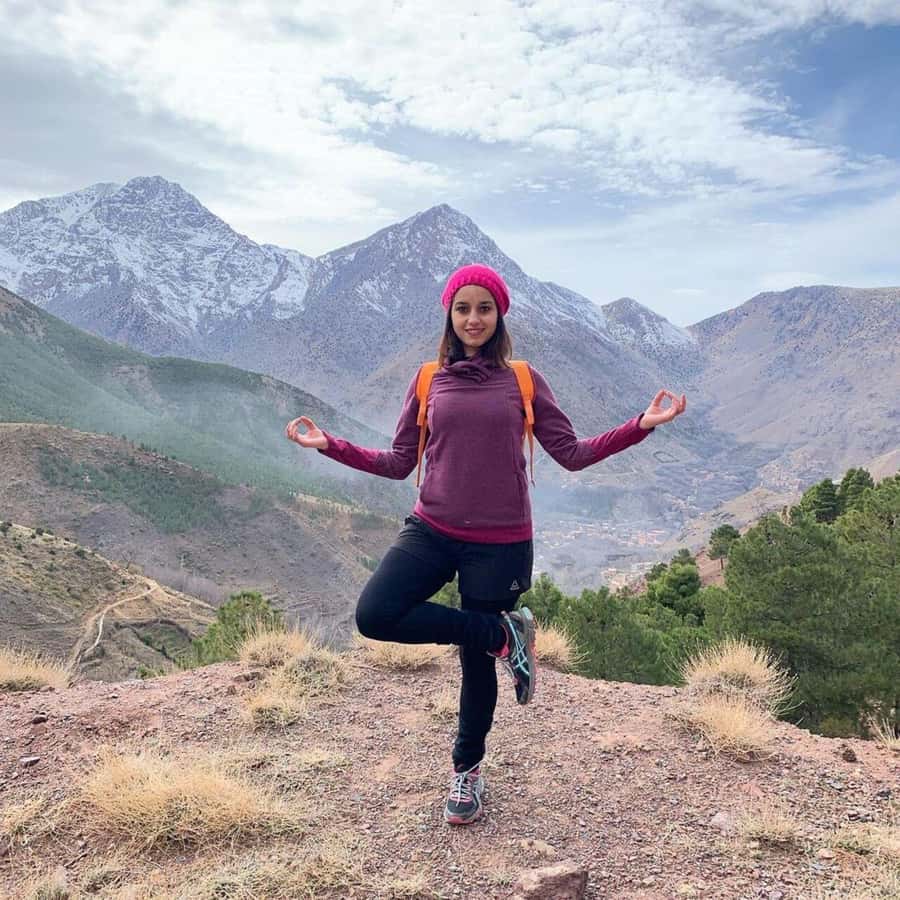
- Talamrout Summit around 2,700m gives you huge panoramic photo time without a multi-day commitment
- Small-group limit of 10 means more attention from the guide (and fewer awkward “wait up” moments)
- Village-to-mountain route via Tamaterte and across Tizi n’Tamaterte pass adds real texture to the hike
- Berber family lunch in Tamatert feels personal, not staged
- Snow and slippery footing can happen—good shoes matter
Why the Talamrout Summit trek works as a Marrakech day escape
Marrakech is loud, warm, and busy. This trek flips the script. You’re out of town early, riding into the High Atlas world where the air feels thinner and colder, and where even a short pause makes you notice sounds you never hear in the medina.
What you’re aiming for is Talamrout Summit, listed at about 2700m. At that height, the views are big and clear when the weather behaves. You also get a strong payoff for the effort: the day is built around a summit moment (plus photo stops), not just “walking until you’re tired.”
I also like that this trip is designed for a smooth flow. You start with pickup and a tea break, you hike steadily with planned stops, and you end with lunch at a family home before heading back to Marrakech. It’s a simple recipe that tends to work well when you’ve only got one day.
The drive to Imlil and the tea stop that keeps you sane
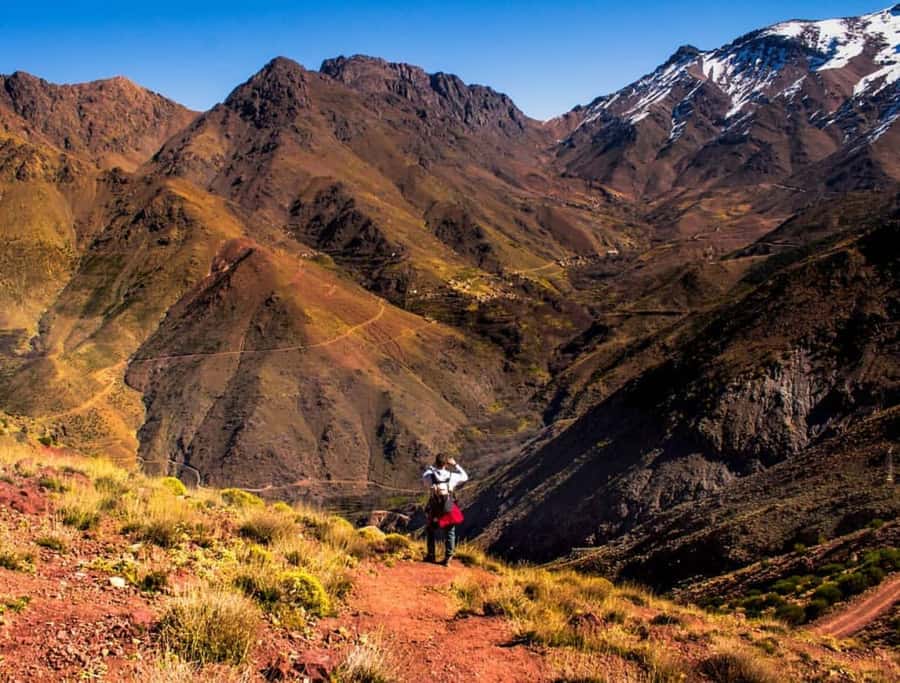
Your day begins with pickup from your Marrakech hotel or riad. If your riad sits deep in the medina where cars can’t go, you’ll be collected from the closest accessible point. That’s a small detail, but it matters for timing and stress level.
Then you head toward Imlil, the classic gateway area for High Atlas hiking. Along the way there’s a tea stop (about 30 minutes). In practical terms, this is when you can handle bathroom needs, buy any extra supplies you forgot, and do the one thing that makes mountain hikes easier: get your body started slowly instead of sprinting into the first steep section.
You’ll likely spend a chunk of the morning traveling through mountain roads and valley country. The goal here isn’t sightseeing-by-photo. It’s setting the day’s rhythm so the hike feels earned rather than chaotic.
From Imlil toward Tamaterte: a trail with village texture
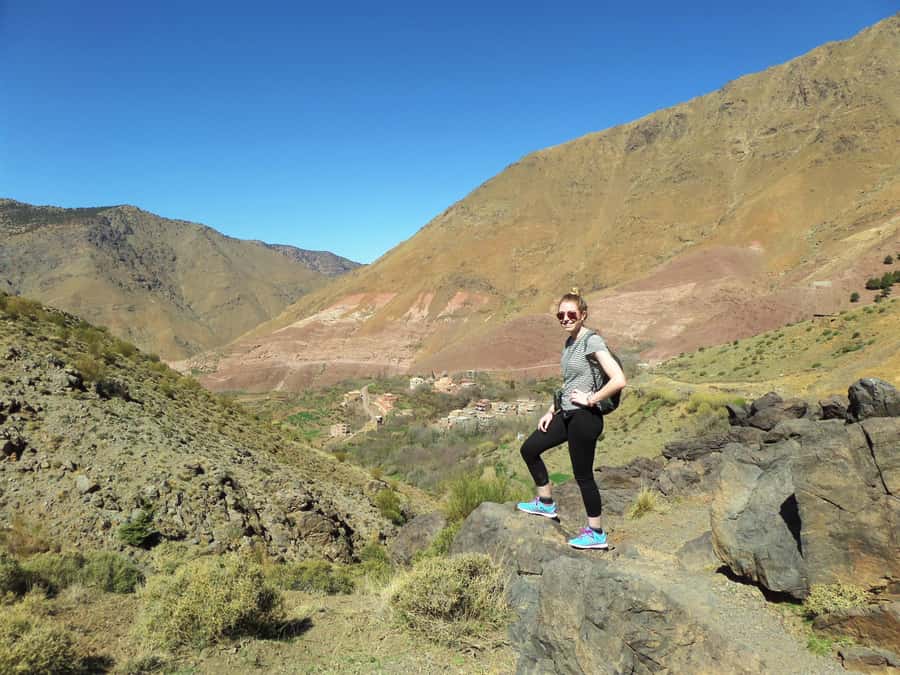
Once you’re in the Imlil area, you switch from transport mode to trekking mode. The first hiking stretch runs through the Imlil valley area for roughly three hours.
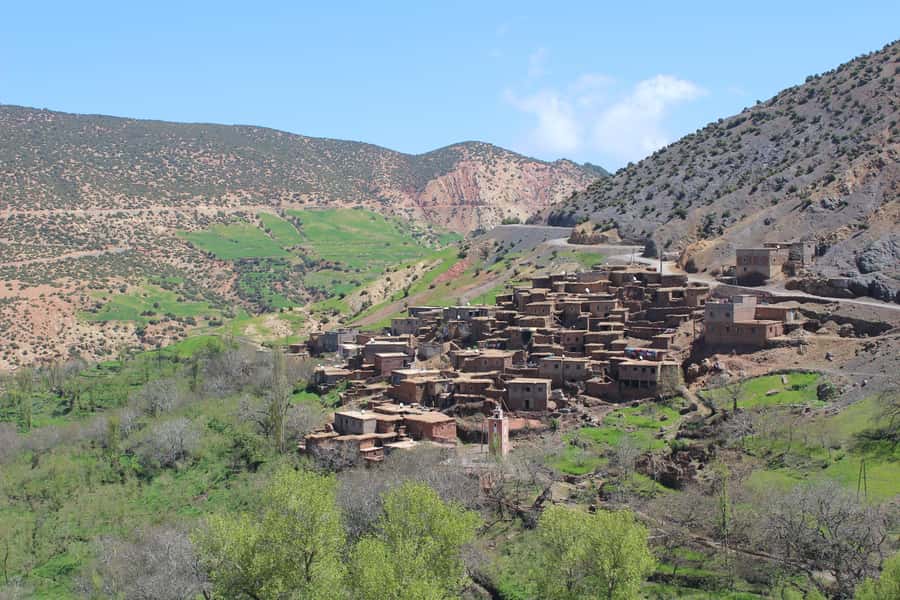
Early on, you’ll move through areas tied to Tamaterte, a village where daily life still follows mountain rhythms. Expect to see small glimpses of traditional living as the path winds through rough terrain. Even if you don’t know the language, you’ll understand the basics: where people farm, where they pass, and how the route shapes the day.
Then the trail starts to change character. Many parts of this hike include time in a pine forest, which is a gift on a sunny day. Shade reduces the “heat-to-steam-breathing” feeling, and the forest also makes footing feel more predictable than fully exposed rocky slopes.
The big thing to watch here is your pace. Even when the hike feels “manageable,” altitude and uneven ground add up. The guide’s job is to keep the group together, and the best guides also do a subtle thing: they pause just long enough for everyone to reset before the next effort.
The pass and the push to summit photos at Talamrout
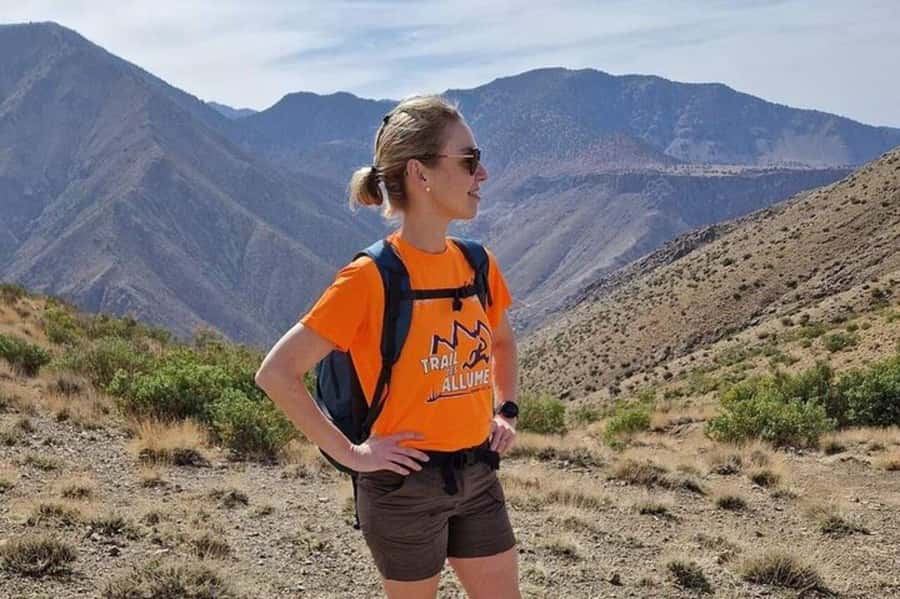
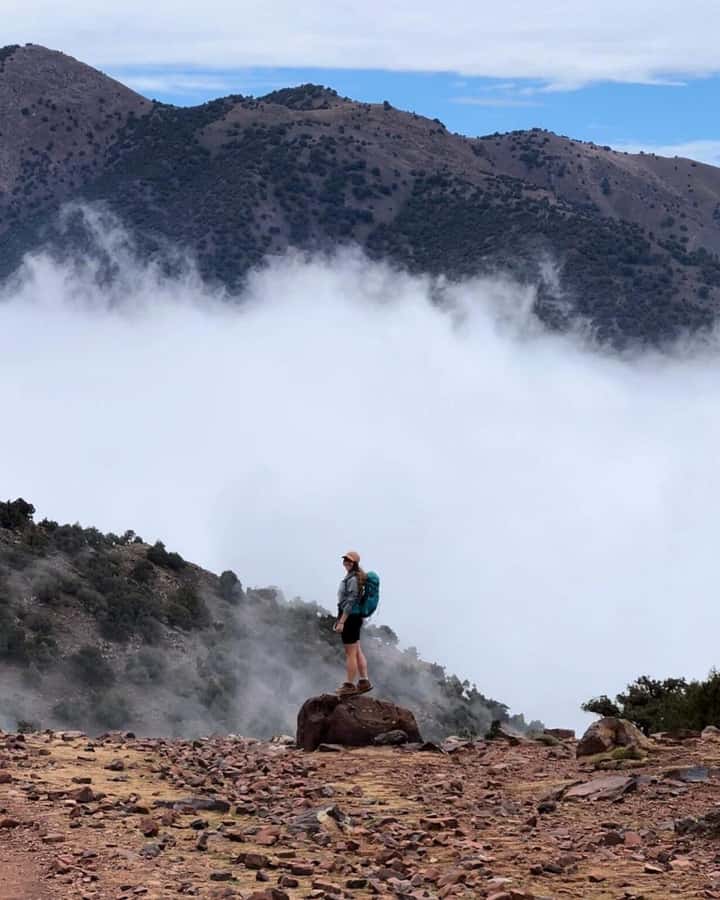
As the hike climbs higher, the terrain becomes more demanding. You reach Tizi n’Tamaterte pass at about 2279m, and that’s your cue that the day is now truly mountain mode. You’ll get a breather and time to take in the views stretching down toward areas like Imlil and Tachedirt, with higher peaks sitting farther in the distance.
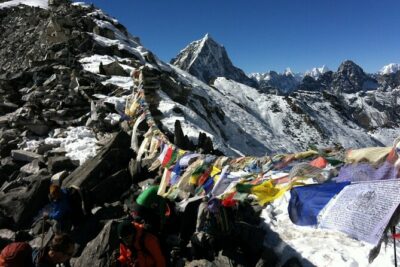
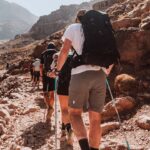
From the pass, the trail continues upward through rockier sections and rocky outcrops. This is where good footing matters most. If the ground is dry, you’ll still feel the climb. If it’s wet or snowy, it’s a different story.
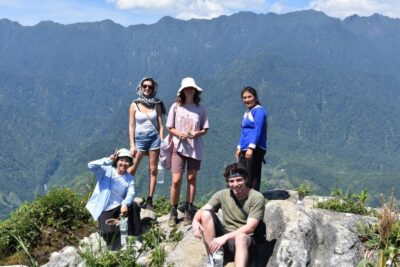
Then you reach the summit area around Talamrout (listed 2700m), with some routes reported slightly higher depending on conditions. This is when the trip earns its name: you get a photo stop and time to take in a wide panorama.
A key detail: the trip is often described as having the sunrise over the mountains as a highlight. That matters, because sunrise light can make colors pop—golden ridges, darker valleys, and bright sky contrast. You’ll be cold at the start, but warm sunlight usually makes the effort feel worth it.
One more note from real-world experience: if snow is involved, plan for slippery descent even after the summit feels exciting.
Lunch in Tamatert: the part that feels like hospitality, not service
After you finish the climb and begin heading back down, the itinerary leads you to lunch in a Berber family house in Tamatert.
This is one of the best parts of the day because it changes what your hike means. Instead of turning into a “transport, trail, then leave” loop, you get a slower, human moment. You’ll typically be served a traditional meal that can include tajine and couscous, and you’ll also get tea or coffee during the day.
The atmosphere is important. A home lunch isn’t the same as a café stop at a viewpoint. You’re eating with mountain people who treat the day as a guest day, not an assembly line. It also gives context to what you saw while walking—how the valleys feed families, how seasons shape food, and how the mountain is part of daily life.
And since you’re back at the village before the final leg toward Marrakech, lunch feels like recovery. You’ll likely be hungry, warm up fast, and feel ready for the drive home.
Descent and safety: where this hike can surprise you
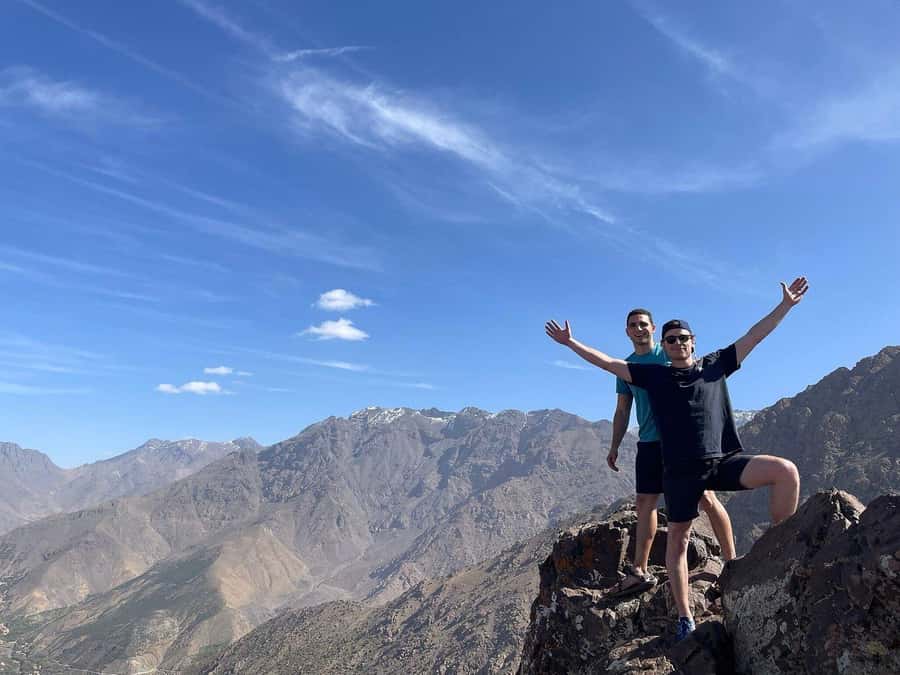
The ascent gets the attention, but the descent is the part that can catch people off guard.
This hike involves steep and uneven ground, with rocky sections. That’s especially true if there’s been snowfall or if conditions turn slippery. One of the most practical takeaways from guides and repeat hikers: don’t treat this like a flat “stroll.” Use your gear and adjust your effort on the way down.
Here’s how I’d plan your kit for a day like this:
- Walking shoes with grip (not thin soles; you want control)
- A hat and sunscreen, even in cooler seasons
- Comfortable layers (you may start cold, then sweat)
- Water awareness: bottled water is included, but you should still sip regularly
Also consider this trick: walking poles can be a big help for the downhill sections. Even if you don’t own them, you can ask about what’s available locally. Some hikers have reported that gear rentals can be possible in the area, especially when conditions are snowy.
Finally, think about your body, not your ego. If your legs start to feel wobbly, slow down. That’s usually when the guide will help set a safer pace.
Price and value: what you get for about $27
For about $27 per person, the value is unusually strong because you’re not just paying for a guide and a walk.
Included in the cost:
- Hotel pickup and drop-off
- Transport between Marrakech and the trail area
- Local guide (English or French)
- Lunch in a Berber house
- Tea or coffee
- Bottled water
That combination changes the math. If you tried to replicate this independently, you’d spend money on transport first, then you’d still need a qualified local guide to handle the route and pace. The home lunch is another value layer because it usually costs more than a casual restaurant meal once you factor in the setting and hospitality.
Also, the small group size (max 10) matters. With a smaller group, the guide can pay closer attention to footing and pace. For a mountain hike, that’s not a luxury. It’s part of safety and comfort.
Who should book, and who should skip this trek
This tour is ideal if you:
- enjoy proper hiking and can handle uneven rocky trails
- want a one-day summit experience from Marrakech
- like meeting people and eating with locals, not only taking photos
- appreciate a guide who adjusts pace so the group finishes together
It’s less ideal if you:
- have back problems or heart problems
- have any pre-existing medical conditions that could worsen with altitude or exertion
- need an ultra-smooth, flat route
- are outside the age range listed by the operator (including people over 70)
You should also be honest about how you handle cold mornings and altitude. The climb to around 2700m means your breathing might feel harder than you expect, especially if you’re not used to elevation.
From the guide side, you’ll likely have thoughtful leadership from people such as Ibrahim or Abraham (names you may see associated with this trek). The best part is not just “knowing the path,” but keeping everyone together safely—especially when snow or slick patches turn the descent tricky.
Should you book this Atlas Mountains Summit Day Trek from Marrakech?
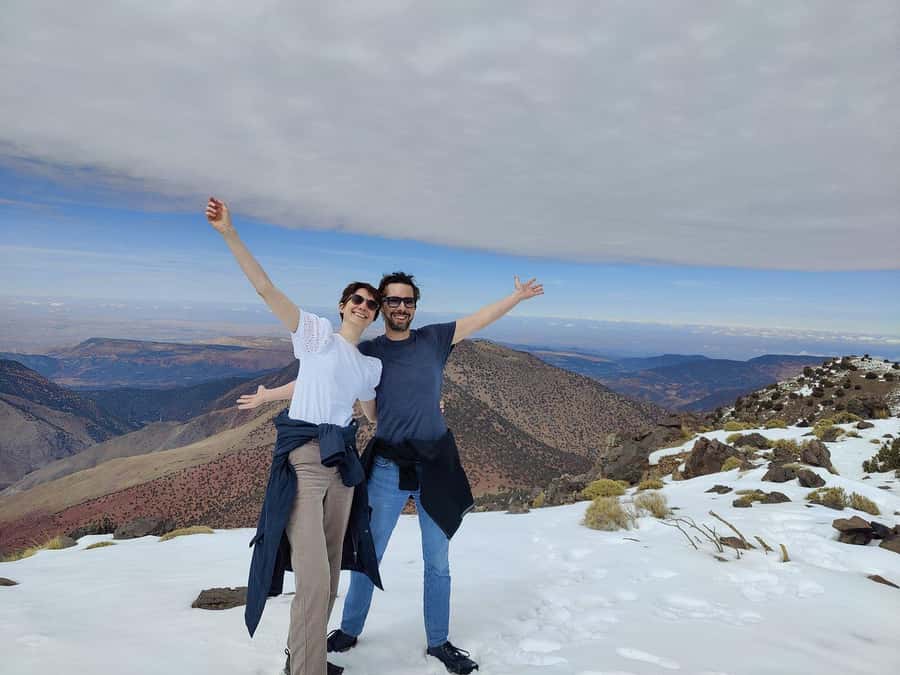
Book it if you want one day that feels like you left Marrakech for real. You’ll get sunrise views, time at Talamrout Summit, and a genuine Berber home lunch in Tamatert—plus transport and a small-group guide to make it smoother.
Skip it if you’re chasing an easy walk or you know your body doesn’t do well with steep, uneven terrain. This is a mountain day, not a gentle valley stroll. Good shoes, a sensible pace, and respect for slippery footing will make the difference between a great story and a rough afternoon.
If you’re fit enough and you pack for the weather (hat, sunscreen, layers, proper shoes), this trek is a strong value way to experience the High Atlas without turning your day into a logistics headache.
FAQ
How long is the Marrakech Atlas Mountains Summit Day Trek (Talamrout 2700m)?
The duration is listed as 8 hours.
Is hotel pickup and drop-off included?
Yes. Hotel pick up and drop off is included. If you stay in a riad in the Medina, pickup is arranged from the closest accessible point by car.
What languages are the guides available in?
The live tour guide is available in English and French.
How large is the group?
It’s a small group, limited to 10 participants.
What meals and drinks are included?
You’ll have tea or coffee, plus lunch in a Berber family house. Bottled water is also included.
What kind of hike should I expect?
A proper walking hike with steep and uneven sections, plus higher-altitude climbing to the Talamrout Summit area.
What should I bring?
Bring good walking shoes, a hat, sunscreen, and comfortable clothes.
Who should not book?
It is listed as not suitable for people with back problems, heart problems, or pre-existing medical conditions, and it’s not suitable for babies under 1 year or people over 70 years.
Is free cancellation available?
Yes. You can cancel up to 24 hours in advance for a full refund.