A Ladakh trek without the multi-day grind. This Gyamtsa to Phyang hike is a short day in the mountains, but you still get real altitude and wide views instead of a quick walk. I like that it’s private, so you can set your own pace and not stress about keeping up.
I also like the practical, done-for-you parts: a packed lunch to keep energy steady, plus walking poles for the rocky uphill. Guides such as Padma (praised for English and steady motivation) and Aijaz (praised for clear English) set the tone—focused, friendly, and helpful on the steeper sections.
The only real consideration is the trail is uphill and rocky for roughly 5–6 hours, and temperature or weather can make it feel tougher—so come prepared and expect the climb to be work.
In This Review
- Key reasons this trek is worth your time
- A half-day hike that still hits Ladakh altitude
- Meeting point, pickup, and how the day starts smoothly
- The Gyamtsa valley walk: where the day feels calm (then climbs)
- The ascent to Gyamtsa La (4,800m) and Kangri Base Camp views
- Descending through Murubrok and finishing in Phyang Village
- What you actually get (and why it’s good value)
- Gear and pacing: the small choices that prevent big fatigue
- Price and logistics: how $99 holds up in Ladakh
- Who should book this trek, and who should skip it
- Weather and what to do with it
- Should you book the Gyamtsa to Phyang one-day trek?
- FAQ
- How long is the Ladakh One Day Trek Gyamtsa to Phyang Village?
- What time does the tour start?
- Where do we meet and start the trek?
- Where does the trek end?
- How challenging is the hike?
- Is lunch provided?
- Are walking sticks/poles provided?
- Is pickup included?
- Is this a private tour?
- What weather happens if conditions are poor?
Key reasons this trek is worth your time
- Pickup from Leh at 8:00am and a drive back after the hike
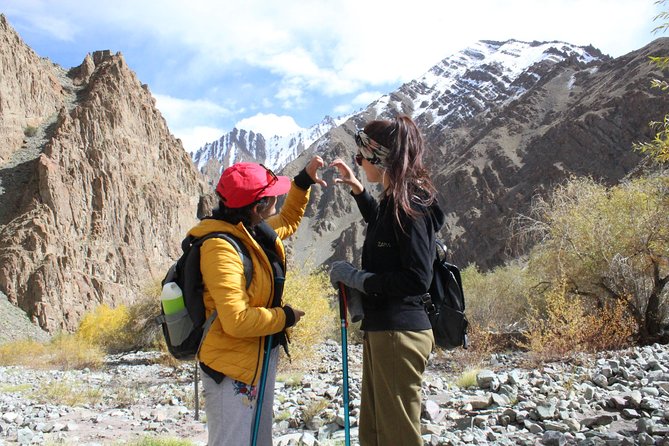
- Gyamtsa La at 4,800m for panoramic Indus Valley views
- A long-but-manageable 5–6 hours on foot, starting at 3,900m
- Packed lunch plus walking poles included
- Private hiking pace, so you can stop for photos and slow down
- Support from a guide who helps with motivation and timing
A half-day hike that still hits Ladakh altitude
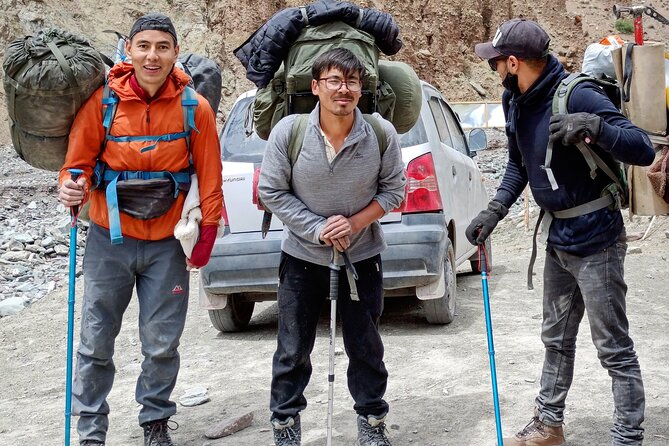
This is the kind of Ladakh experience I think you’ll enjoy if you want adventure but don’t want a multi-day trek. You start high—Gyamtsa sits around 3,900m, just a short drive from Leh—and the route gradually climbs to Gyamtsa La at 4,800m. That altitude change is the heart of the day: it’s short enough to fit into a schedule, but the elevation makes the views and the effort feel real.
What makes it more than a stroll is the mix of terrain. You’re walking through a valley first, then working through the steeper, rockier uphill toward the pass. The day is designed for active travelers, not casual walkers, and that matches the total hiking time of about 5–6 hours.
You’ll also get the thrill of moving through a remote-looking area with the chance to see wildlife along the way. It’s not a guarantee, but it’s part of why the route feels alive rather than just scenic.
You can also read our reviews of more tours and experiences in Leh.
Meeting point, pickup, and how the day starts smoothly
The day begins early—start time is 8:00am—and the logistics are refreshingly straightforward. You meet at the Ladakh Backpackers Office, Gangba Complex, Changspa Rd, opposite Hotel Enso, Leh. From there, you’re picked up and transported to the starting area near Stok village.
Why that matters: on short treks, getting to and from the trailhead can eat up the whole day. Here, you get private transportation, which keeps the hike itself as the main event. It also reduces stress if you’re arriving in Leh and you’re still getting your bearings.
Because this is a private tour/activity, it’s only your group. In practice, that means less waiting around, fewer pressure moments, and the freedom to pause whenever the view looks worth it.
The Gyamtsa valley walk: where the day feels calm (then climbs)
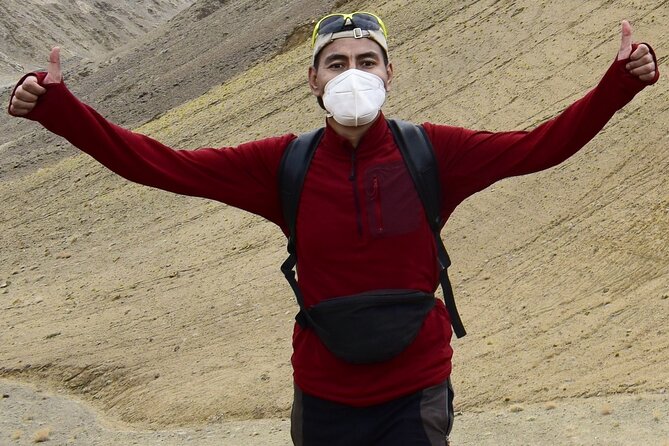
Once you reach the trail starting point at Gyamtsa, the trek begins with a stretch of walking through a valley. This part takes roughly 2–3 hours, and it’s described as a picturesque route with chances to notice Ladakh’s flora and fauna.
This is your mental warm-up phase. You’re already at altitude, but the trail gradually ascends rather than immediately going vertical. It’s also the section where you’ll likely appreciate going at your own pace. When you don’t have to keep up with others, you can walk slower, take more breaks, and avoid the mistake of spending all your energy too early.
If you want to make this phase easier on yourself, plan your effort like this: start steady, breathe calmly, and treat every stop as part of the hike, not an interruption. Even if you feel good, save some strength for the climb toward the pass.
The ascent to Gyamtsa La (4,800m) and Kangri Base Camp views
As the trail continues, the hike transitions from valley walking into ascent. You’ll move toward Kangri Base Camp on the way up, and then reach Gyamtsa La (4,800m) for the main panoramic moment.
At the pass, you’re set up for some of the most valuable views of the day:
- You can look out over the Indus Valley
- You can see the Ladakh Range
- You can spot the main route leading toward Lasermo La
- After the climb, you get a break where you can actually take it in
This is where a guide matters. A good trek guide helps you pace the climb so you don’t burn out before the best payoff. If you’re a solo hiker, it’s especially helpful to have someone on timing and motivation—reviews mention Padma doing exactly that, helping a solo trekker keep up energy and finish within proper time.
Also, the terrain here is where the day stops being easy. The path is known for being rocky, and it’s uphill. That’s why walking poles are included. Use them like a tool, not a decoration: they take pressure off your knees on the rough stretches and help you stay stable when footing gets uneven.
Descending through Murubrok and finishing in Phyang Village
After the break at Gyamtsa La, the trek shifts to descent. You’ll come down toward Murubrok (around 3,900m) and then conclude in Phyang Village.
This part is psychologically tricky for a lot of people. The worst of the uphill might be over, but descending can feel harder than you expect—especially on rocky ground—because your legs are working to control each step.
The good news: you’ve built the day around a clear structure. Once you arrive in Phyang, a vehicle is waiting to drive you back to Leh. Your end point is back at the same meeting point, so you don’t have to figure out pickup logistics after you’re tired.
If you’re the type who likes to end strong, plan a little mental reserve for the descent. Don’t go too fast just because your body thinks it’s time to speed up. A controlled pace keeps your footing safe and makes the finish feel smoother.
What you actually get (and why it’s good value)
This trek costs $99 per person, and the value is in what’s included—not in what you have to figure out yourself.
Included:
- Private transportation
- Packed lunch
- Walking sticks (poles)
- Trek guide
That combo is the difference between a “ticketed hike” and a “full day experience with support.” Transportation removes the hassle of getting to the right place at the right time. Poles and lunch reduce common problems: sore knees and energy crashes. And the guide is there for pacing, route guidance, and real-world problem solving.
The operator also lists group discounts, which can make it even better if you’re traveling with friends or family. Even though the tour is private for your group, group pricing can matter if the organizer offers reduced per-person rates for larger parties.
Not included is also important for your planning: insurance, porters, and accommodation in Leh. If you need porter support, you’ll want to arrange it separately. Also, if you’re trying to keep travel costs predictable, plan your hotel separately from the trek.
Gear and pacing: the small choices that prevent big fatigue
You’re hiking about 5–6 hours, and the route is described as moderately challenging with uphill and rocky sections. That means your personal comfort choices really matter.
Here’s what the trek setup already covers for you:
- Walking poles are available, which helps a lot on rocky ground.
- Packed lunch is provided, so you’re not making energy decisions on the fly.
What you should still manage yourself:
- Bring plenty of water. The route guidance specifically says to carry water.
- Dress for temperature changes. One of the most direct review takeaways is that temperature and weather can make the trek tough, even if you’re active.
Pacing is also built into the experience. It’s private, so you don’t need to race. Use that freedom. Walk slower than you think you can at the start, then adjust after you feel your breathing settle.
If you’ve never hiked at altitude before, use the guide’s pace. It’s easy to underestimate how quickly you can feel the difference when you’re starting around 3,900m and heading toward 4,800m.
Price and logistics: how $99 holds up in Ladakh
Let’s talk straight value. At $99, you’re paying for a guided, supported hike with logistics built in: transport from Leh, a guide, poles, and lunch. In a place like Ladakh, those add up fast because travel time and coordination are real costs.
You’re also getting something many travelers want: a short, spectacular hike that doesn’t require a multi-day commitment. That’s not just convenience—it’s a budgeting win. Instead of paying for extra nights and additional tour days, you get a full Ladakh day on foot with a defined start and finish.
The main “cost” you’ll pay is effort. The route is the point, and it’s designed for active travelers. If you’re expecting a flat nature walk, you’ll be disappointed. If you want a demanding but manageable day with views that feel earned, this price can make a lot of sense.
Who should book this trek, and who should skip it
This hike is best for you if:
- You’re an active traveler and okay with 5–6 hours of hiking
- You want a manageable one-day plan based in Leh
- You like having a guide and a structured day, without being herded
- You want a chance to see wildlife and walk through Ladakh’s valley environment
You might think twice if:
- You’re not comfortable on rocky uphill trails
- You’re sensitive to temperature or changing weather, since the trek depends on good conditions
- You want porter support (the trek does not include porters)
Solo hikers can do well here, especially with a supportive guide. The solo trek review praised Padma for motivation and timing. That’s exactly the kind of help that can make a tough day feel doable.
Weather and what to do with it
The trek is described as requiring good weather, and if weather is poor, the experience is canceled with an option for a different date or a full refund. That’s a practical note worth taking seriously. Ladakh can change fast, and a trail at altitude isn’t the place to push through conditions that don’t feel safe.
If you’re booking, treat this as a mountain day, not a guaranteed sightseeing stroll. Plan flexible timing in your Leh schedule so you have a second date option if needed.
For your personal preparation, focus on the factors the trek explicitly warns about: carry water and be ready for temperature and weather to make the day tougher than you expect.
Should you book the Gyamtsa to Phyang one-day trek?
I think you should book this trek if you want a real Ladakh experience in one day: a hike that starts high near Leh, climbs to a pass with big views, and ends in a village with transport waiting. The included poles and packed lunch take away two common pain points, and the private setup means your day won’t turn into a stress test.
Skip it if you’re looking for an easy, flat hike or you’re not prepared for a rocky uphill day at altitude. This is for hikers who want effort and payoff.
If you’re comfortable moving at a steady pace for about 5–6 hours, and you’re traveling when conditions are good, this is the kind of one-day trek that feels like Ladakh, not just a detour.
FAQ
How long is the Ladakh One Day Trek Gyamtsa to Phyang Village?
The trek lasts about 6 hours (approx.) total.
What time does the tour start?
Start time is 8:00am.
Where do we meet and start the trek?
The meeting point is Ladakh Backpackers Office, Gangba Complex, Changspa Rd, opposite Hotel Enso, Leh, 194101.
Where does the trek end?
The trek ends back at the meeting point in Leh, after a vehicle drives you back from Phyang Village.
How challenging is the hike?
It’s described as a moderately challenging trek with 5–6 hours of hiking, including uphill and rocky sections.
Is lunch provided?
Yes. A packed lunch is included.
Are walking sticks/poles provided?
Yes. Walking sticks (poles) are provided for you to use.
Is pickup included?
Yes. Private transportation includes pickup from your accommodation area in Leh to the trail start, and return after the hike.
Is this a private tour?
Yes. It’s listed as a private tour/activity, meaning only your group participates.
What weather happens if conditions are poor?
The experience requires good weather. If it’s canceled due to poor weather, you’ll be offered a different date or a full refund.