REVIEW · LEH
Ladakh Sham Valley Trek
Book on Viator →Operated by Ladakh Backpackers · Bookable on Viator
Three days, two passes, zero boredom. The Ladakh Sham Valley Trek, often called the Baby Trek, is a quick way to experience village life, monasteries, and high mountain passes without committing to a longer expedition. Even though it’s marketed as a beginner trek, you still need to respect the altitude and the sun.
I love that the walking is varied: warm approaches, gentle stretches on Day 2, and a clear payoff with major pass crossings around the 3,500m range. I also love the people side of it—our trek guide So-nam is described as experienced, kind, and patient, which matters a lot when you’re adjusting to thin air.
One possible drawback: Day 1 is warm and has no shade or water on parts of the route, so you’ll want to plan for heat and dryness. And yes, “short” doesn’t mean “easy” in Ladakh—one tired evening at 3,600m can feel like a long day at home.
In This Review
- Key highlights
- Why the Sham Valley Baby Trek Works for a 3-Day Plan
- Entering the Trek Route: Day 1 From Likir at 3,650m
- Day 1 reality check (helpful, not scary)
- Day 2 Tsermangchen La and the Cedar-Grove Village of Hemis Shukpachen
- Day 3 Mebtak La, Prayer Flags, and the Gorge Descent Back to Leh
- What You Actually Get for $400: Value Breakdown That Makes Sense
- Homestays in Ladakh: The Practical Comfort Part
- How Fitness and Altitude Really Factor In
- Who This Trek Suits Best (and Who Might Want More Time)
- The Local Touch: Guides and Service That Feel Thoughtful
- Should You Book This Sham Valley Trek?
- FAQ
- How long is the Ladakh Sham Valley Trek?
- What time does the trek start?
- Where do I meet the group?
- Is pickup included?
- What kind of accommodation is included?
- What fitness level do I need?
- How hard are the walking days?
- What meals are included in the price?
- What is not included that I should plan for?
- Is there a weather-related cancellation option?
Key highlights
- A true “baby trek” length with real Ladakh passes (Phobe La, Chagatse La, Tsermangchen La, Mebtak La)
- Two homestay nights in Yangthang and Hemis Shukpachen, with simple comfort at altitude
- Day 1 heat management: parts of the route have no shade or water and you cross two passes
- Hemis Shukpachen’s cedar groves and streams give you a rare pocket of green
- A guide who sets the pace: So-nam described as patient and experienced
- Included walking basics: trek guide and walking sticks, plus meals and private transport
Why the Sham Valley Baby Trek Works for a 3-Day Plan
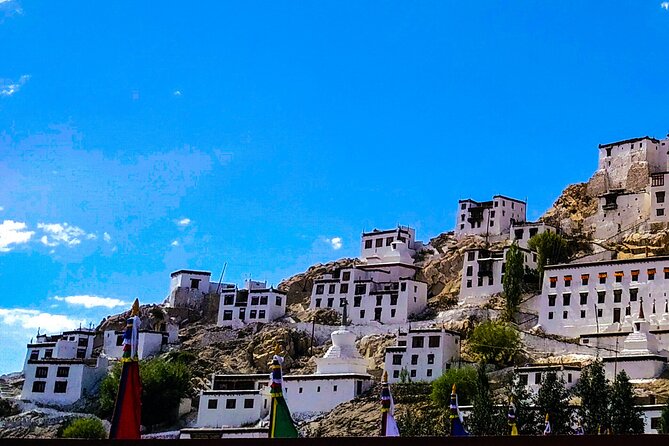
If you’re nervous about trekking in Ladakh, this is one of the most practical ways to get your feet moving. The Sham Valley trek is short enough to fit into a tight Leh schedule, yet structured enough to feel like a real trek rather than a half-day hike.
What makes it feel special is the mix of terrain. You’re not just walking on one kind of path—you’ll climb steadily, cross passes, descend into villages, and then climb again. That rhythm builds confidence fast, especially if you’re hoping to warm up before something tougher.
Entering the Trek Route: Day 1 From Likir at 3,650m
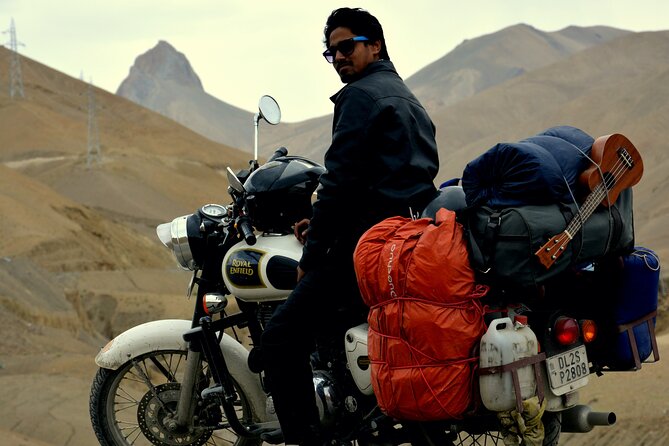
Your day starts with an early drive from Leh to Likir, about 58 km away. Likir Village sits around 3,650m, and you begin the trek there after breakfast, so you’re already working at altitude from the first steps.
From Likir, the route heads west and climbs up toward Phobe La (about 3,580m). After that pass, you reach Sumdo village, and the trail continues upward toward Chagatse La (about 3,630m). The key detail here is how exposed it is: the route is described as warm, with little to no shade and limited access to water, so you’ll feel the sun as much as the climb.
The day ends in a homestay in Yangthang, a good reward after crossing those two passes. There’s also a monastery connection: Ridzong Monastery is about an hour south of Yangthang, so the area has that quiet, spiritual Ladakh feel without being a long detour.
Day 1 reality check (helpful, not scary)
- Plan for sun and dry air on the approach.
- Pace yourself early, because starting at 3,650m can catch you off guard.
- Bring your own water strategy, since bottled water isn’t included.
Day 2 Tsermangchen La and the Cedar-Grove Village of Hemis Shukpachen
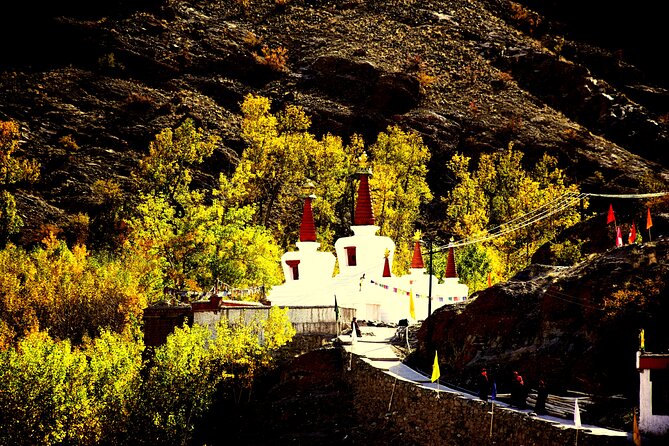
Day 2 is often described as easy on the legs—mainly because the walk over the pass has gentle gradients. You start by heading north, descending for a bit, then crossing a stream before climbing back up to Tsermangchen La (around 3,750m). Even though the altitude is higher than Day 1, the trail shape is kinder.
After a short rest at the pass, you descend down to Hemis Shukpachen. This village is named after a grove of cedars, and the surroundings are noticeably greener than the stark rocky slopes you see elsewhere. Expect streams, willows for shade, and barley fields—small patches of life that make the day feel less harsh.
You’ll sleep in a homestay in Hemis Shukpachen. Based on how people describe their stays, this is where the trek starts to feel personal: your days of walking end in a real village setting rather than a standard hotel routine.
Day 3 Mebtak La, Prayer Flags, and the Gorge Descent Back to Leh
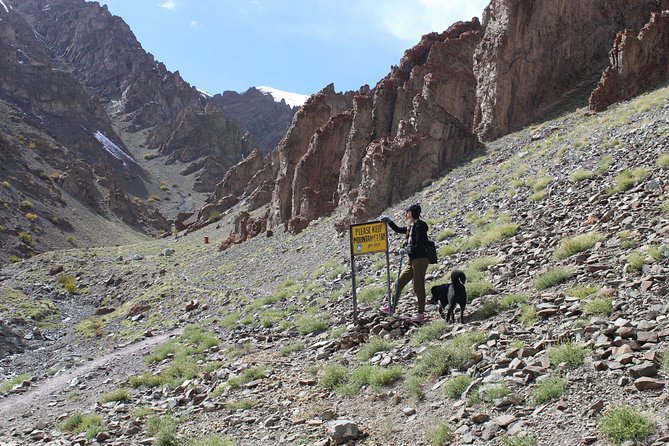
Day 3 is described as fairly easy again, but there’s one steeper moment you should take seriously. The trail goes upward between two hillocks west of the village, then veers south and climbs more steeply to Mebtak La (around 3,750m), marked by prayer flags.
From the pass, you head down through a gorge toward Ang village. After you reach Ang, your driver meets you there and takes you back to Leh. That closing loop is simple and comforting: you get the last big climb with a clear finish line, then you’re off the trail without stress.
What You Actually Get for $400: Value Breakdown That Makes Sense
At $400 per person for about 3 days, the big value is not just “being on a trek.” It’s how much is handled for you and how little you have to manage.
Here’s what’s included:
- Private transportation to and from the trail areas
- Breakfast and dinner, plus a packed lunch
- A trek guide
- Walking sticks
- Homestay accommodation
- Pickup is offered, and you start at 8:00 am near Leh’s airport area
Not included (important for planning):
- Tips
- Porters
- Bottled water
- Ponies
- Travel insurance
- Medical emergency support
For me, that “not included” list is the main thing to plan around. If you want bottled water and buffer cash for small extras, budget it. If you need coverage in case of illness or emergency, arrange it yourself. Ladakh can be amazing, but it’s remote enough that you should travel prepared.
Homestays in Ladakh: The Practical Comfort Part
This trek is built around homestays in Yangthang and Hemis Shukpachen. That means you’re not just sleeping somewhere near a trailhead—you’re part of the village rhythm for two nights.
In practical terms, the homestays are described as of a high standard, especially for a home-stay experience. You should still expect simple conditions, since you’re in small communities at high altitude. Pack layers and keep your basics organized so you’re comfortable when the temperature drops at night.
Also: since the trek provides walking sticks, you can travel lighter. You won’t need to buy gear on the trip, which is a real value if you’re already juggling flights and local transport.
How Fitness and Altitude Really Factor In
The Sham Valley trek is aimed at beginners, but it still demands a moderate fitness level. You’re walking at elevations where even short distances can feel like work, especially when you’re climbing to passes around 3,750m.
Day 1 includes two pass crossings and a route that’s warm and exposed. Day 2 climbs to another high pass but with gentle gradients. Day 3 has a steeper climb to Mebtak La, then a gorge descent.
So the right mindset is this: you’re not training for Everest, but you are training your body to move at altitude. If you go in expecting an easy stroll, you’ll be disappointed. If you go in expecting a short mountain workout, you’ll be happy.
Who This Trek Suits Best (and Who Might Want More Time)
This is ideal if you:
- Want a beginner Ladakh trek that still feels like you crossed something meaningful
- Have only a few days in Leh
- Want to test your fitness and altitude comfort before a harder trek
- Like quiet village scenery, monastery-adjacent vibes, and homestay nights
It may not be your best choice if you:
- Want full shade, frequent water access, and a very relaxed pace on Day 1
- Are looking for a trek with zero altitude stress (because there are passes at ~3,750m)
If you’re unsure, remember the guide experience matters. Having a calm, patient guide like So-nam can make the day feel controlled, not chaotic.
The Local Touch: Guides and Service That Feel Thoughtful
One standout is the care you get around planning. Fida Hussain and the team are credited with arranging packages based on specific needs, which is useful if you have a tight schedule or questions before you arrive. That kind of responsiveness reduces stress, and trekking stress is the last thing you want.
Your guide’s job here isn’t just route-finding. It’s pacing, timing, and confidence—especially on days with passes and exposed heat. A steady guide makes a big difference when your body is adjusting.
Should You Book This Sham Valley Trek?
Yes, if you want a short trek that delivers real Ladakh moments: multiple passes, village homestays, monastery-area atmosphere, and that special green contrast around Hemis Shukpachen. The included guide, walking sticks, meals, and private transport make it a smart value compared with building everything yourself.
Before you book, do two things: plan for sun and water needs on Day 1 (since bottled water isn’t included), and be honest about altitude. If you’re moderately fit and can handle a workout at ~3,600m-plus, this Baby Trek is a strong bet.
FAQ
How long is the Ladakh Sham Valley Trek?
It’s listed as approximately 3 days.
What time does the trek start?
The start time is 8:00 am.
Where do I meet the group?
The meeting point is near Kushok Bakula Rimpochee Airport in Leh.
Is pickup included?
Pickup is offered, and private transportation is included.
What kind of accommodation is included?
You stay in homestays during the trek (night stays are in Yangthang and Hemis Shukpachen).
What fitness level do I need?
You should have a moderate physical fitness level. It’s beginner-friendly in length, but altitude can still make it tiring.
How hard are the walking days?
Day 2 is described as an easy walk despite a pass. Day 1 and Day 3 include pass climbs, and Day 1 is especially warm and exposed.
What meals are included in the price?
Breakfast and dinner are included, and you also get a packed lunch.
What is not included that I should plan for?
Tips, porters, bottled water, ponies, insurance, and medical emergency coverage are not included.
Is there a weather-related cancellation option?
The trek requires good weather. If it’s canceled due to poor weather, you’ll be offered a different date or a full refund. If the minimum number of travelers isn’t met, you’ll also be offered a different date/experience or a full refund. Free cancellation is available up to 24 hours in advance for a full refund.