REVIEW · KATHMANDU
12 Days Annapurna Base Camp Trek
Book on Viator →Operated by Everest High Pass Adventures · Bookable on Viator
Himalaya views start before you even trek. This 12-day Annapurna Base Camp journey sets you up with smooth Kathmandu-to-trail logistics, then delivers big mountain moments like Poon Hill sunrise and sunset at Annapurna Base Camp. I especially like that your guide handles the early admin, including permit prep, and that you get a proper mix of forests, terraced farmland, and village walks. One thing to keep in mind: Day 3 includes a tough climb of about 3,000 stone steps, and the overall trek sits at a moderate fitness level with altitude up to 4,130 meters.
What makes this trek feel practical is how it’s built around real trekking days, not just sightseeing. You’ll spend the nights in local tea house towns, with warm hospitality as your base between climbs, and you’ll get downtime options too—like the natural hot springs at Jhinu Danda. A name that shows up in feedback for the kind of service you’ll want on a long trek is Mandip Ji, with praise for care and staying calm when logistics get busy.
If you’re deciding whether this is the right fit, consider your comfort with long hiking days and steep sections. This route can be very rewarding, but it’s not a walk in the park—especially when you’re moving between Ulleri, Ghorepani, Chhomrong, and the Base Camp area.
In This Review
- Quick hits: what makes this Annapurna Base Camp trek worth it
- Day 1 in Kathmandu: permits, briefing, and getting your footing fast
- Pokhara as the gateway: 6–8 hours by road or a 25-minute flight
- Ulleri and the first real burn: stone steps, Magar villages, and tea house nights
- Ghorepani: rhododendron and oak forests with big mountain payoff
- Poon Hill sunrise: a short hike that hits hard (in the best way)
- Chhomrong: terraced farmland, Gurung village life, and steep dips
- Toward Himalaya: bamboo forests, Sinuwa, and a quieter route feel (Day 7)
- Annapurna Base Camp at 4,130m: sunset, open meadows, and Deurali/ MBC stepping stones
- The long descent from Base Camp: easier steps, big time on the trail (Day 9)
- Jhinu Danda hot springs: recovery after the downhill slog (Day 10)
- Back to Pokhara: short trek, lakeside dinner mood, and a chance to breathe (Day 11)
- Kathmandu finish: fly or drive home and keep it flexible (Day 12)
- Price and value: what $1,200 covers, and what to plan for
- Difficulty and fitness: moderate pace with real altitude and steep sections
- Service quality: why Mandip Ji and prompt help matter on a trek
- Should you book this Annapurna Base Camp trek?
- FAQ
- FAQ
- Where does this trek start and end?
- How long is the Annapurna Base Camp trek?
- What’s the highest altitude on the route?
- Is this a private tour?
- Are meals included?
- What transport options are offered to get to Pokhara?
- Is there a chance to see sunrise at Poon Hill and sunset at Base Camp?
- Are natural hot springs included?
- What happens if weather is bad?
Quick hits: what makes this Annapurna Base Camp trek worth it
- Private group feel: It’s run as a private tour/activity, so it’s just your group, not a mixed crowd.
- Permit and briefing handled on Day 1: You meet your guide in Kathmandu for a trek briefing and permit prep.
- Classic sunrise and sunset moments: Early hike to Poon Hill plus sunset at Annapurna Base Camp.
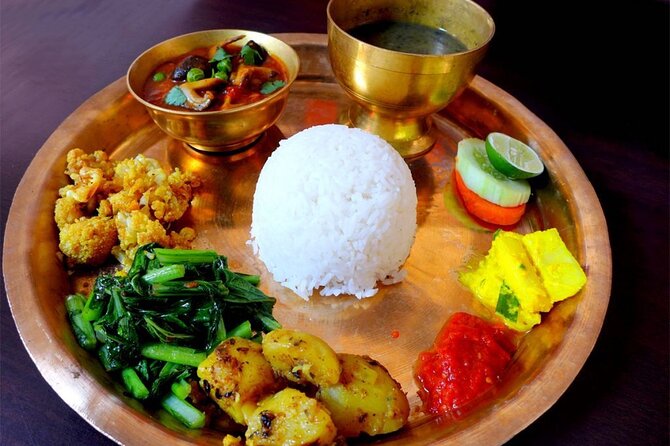
- Teahouse rhythm: Meals are included, so you can focus on the trail instead of budgeting every stop.
- Hot springs recovery day: Jhinu Danda gives you time for a natural soak by the riverside.
- All set up for the trail gateway: You route through Pokhara (either drive or a short flight) before the hiking begins.
Day 1 in Kathmandu: permits, briefing, and getting your footing fast
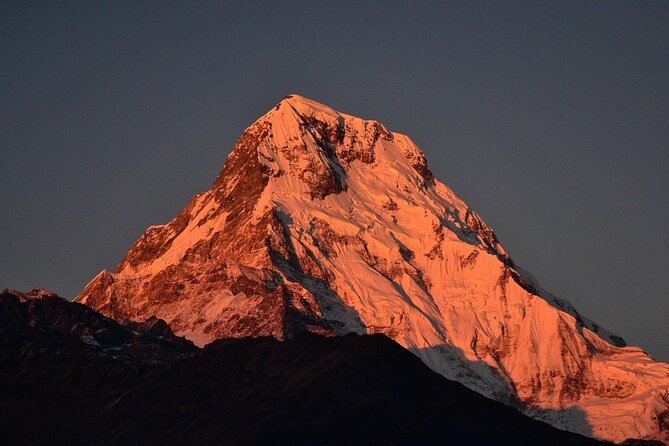
Your trek starts in Kathmandu at the meeting point in the city, and the plan is to get you into the Thamel area with a transfer from Tribhuvan International Airport. That matters more than it sounds: you’re not trying to solve transport and orientation after a long flight. After you settle in, you meet your guide for the trek briefing and permit preparation.
This is one of the best-value parts of the trip because it reduces the mental load on Day 1. Permits in Nepal aren’t something you want to scramble for while you’re tired. The briefing also sets expectations for the trek pace and what you’ll likely feel on the trail as altitude climbs.
If you want a small “checklist” before tomorrow, use this day to sort your trekking basics: layers, a daypack that won’t shift, and any essentials you might need for cold mornings. The itinerary is designed so Day 1 is all about setup and confidence, not stress.
You can also read our reviews of more tours and experiences in Kathmandu.
Pokhara as the gateway: 6–8 hours by road or a 25-minute flight
On Day 2, you head to Pokhara, the well-known lake city and jumping-off point for Annapurna-area trekking. The tour gives you a choice: a 6–8 hour overland drive or a quick 25-minute flight.
I like having options here because it’s a real decision based on your body and your time. If you’re prone to motion sickness or you’re conserving energy for the first climb, the flight can make a big difference. If you enjoy watching Nepal change through the window, the drive can be a low-stakes day that still feels connected to the journey.
Once in Pokhara, you’re in the right mindset. You’ll be close to the Annapurna range and ready for the next transition: leaving town for the trail start at the Nayapul area.
Ulleri and the first real burn: stone steps, Magar villages, and tea house nights
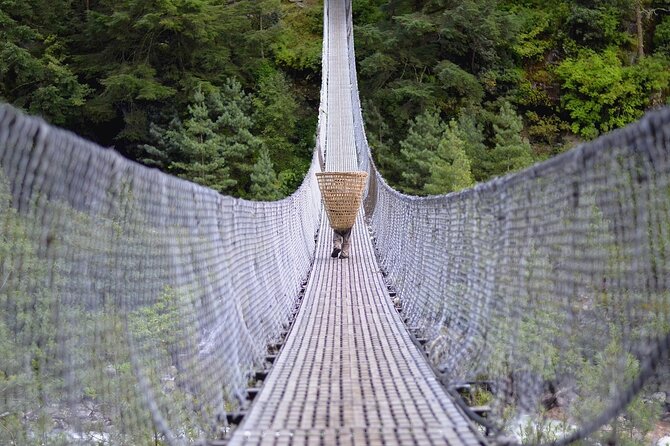
Day 3 is where the trek identity kicks in. You drive about 1.5 hours to Nayapul, then start with a gentle walk toward Birethanti and Tikhedhunga. After that, you hit the steep part: an ascent of over 3,000 stone steps to reach Ulleri village.
This day is short on paper but heavy in effort. It’s the kind of climb that tests leg strength and pacing, so the best strategy is steady and quiet. Don’t try to “win” the steps. You’ll feel better if you take smaller strides and keep breathing controlled.
Along the way, you also pass through local settlements, so you get more than just exercise. Ulleri and the surrounding areas are a good example of why this trek works for beginners: it’s physical, but it’s on an established route with human-scale segments.
Night in Ulleri sets you up for Day 4, when the trail turns into longer hiking through forests and village stops.
Ghorepani: rhododendron and oak forests with big mountain payoff
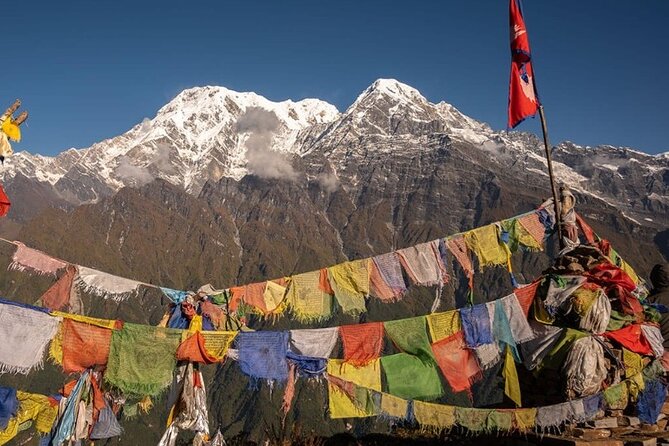
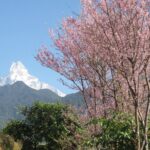
Day 4 takes you uphill through dense rhododendron and oak forests, plus waterfalls and Magar villages along the route. Then you arrive in Ghorepani, a popular village with cool alpine air and wide-ranging views.
This is a day that often feels like a breather and a workout at the same time. The forest shade can make the walking more comfortable, and the trail details keep your mind busy. But you’re still climbing, and the mornings in this region can be crisp, so warm layers matter.
What you’re really doing on Day 4 is positioning yourself for the next morning’s highlight. Ghorepani is the staging area for the classic sunrise plan at Poon Hill, and the atmosphere in these towns tends to be very purposeful—people getting ready, packing snacks, and checking the sky.
Poon Hill sunrise: a short hike that hits hard (in the best way)
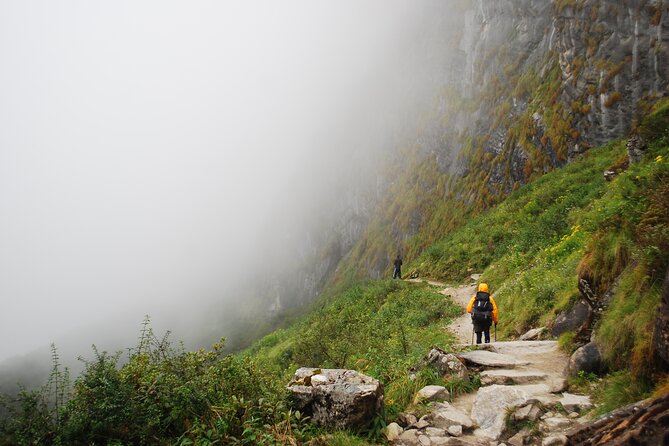
Day 5 is an early start for the hike to Poon Hill, where you’ll catch sunrise over peaks like Dhaulagiri, Annapurna, and Machapuchare. This is one of those moments where the effort makes sense. You’re trading sleep for a view that’s hard to replicate elsewhere.
After sunrise, you return to Ghorepani for breakfast, then continue trekking through forests. The day is a good mix: big highlight in the early hours, then steady movement afterward rather than another all-day climb.
One practical note: bring a headlamp or whatever light source you’re comfortable with for the early hike. Even if the route is well-trodden, darkness plus cold makes “good preparation” feel like superpower behavior.
Chhomrong: terraced farmland, Gurung village life, and steep dips
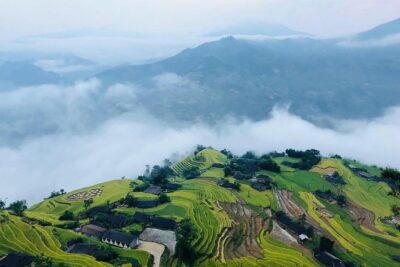
Day 6 brings a change in scenery and a change in effort. You descend steeply to a stream, then climb again through terraced farmland and forests to reach Chhomrong—a large, scenic Gurung village with standout views of Annapurna South.
This is a culturally meaningful stop because you’re not just walking through “nature.” You’re walking through farming country and village life. Terraces show you how people manage steep land for growing food, and Chhomrong is one of those places where the views feel directly connected to the communities living below the peaks.
The drawback is obvious once you experience the pattern: steep down, steep up. That takes a toll on knees and thighs. Plan to use trekking poles if you have them, and keep your descents controlled.
Chhomrong also sets the stage for Day 7, when you head toward quieter gorge-like trekking and more bamboo.
Toward Himalaya: bamboo forests, Sinuwa, and a quieter route feel (Day 7)
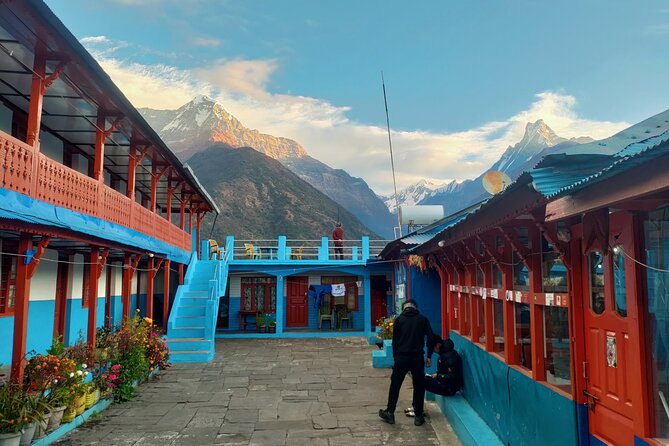
On Day 7, you start by descending toward a river, then climb back up to Sinuwa. After that, the route runs through bamboo forests and continues toward villages like Bamboo, Dovan, and finally Himalaya, described as being in a quiet gorge.
This is one of the most “trekker-feeling” parts of the journey. Less spectacle, more rhythm. You’re moving at trail pace, and the environment becomes the story—bamboo corridors, gentle turns, and the slow climb toward higher altitude zones.
If you like your trekking days to feel steady rather than nonstop mountain viewpoints, you’ll probably enjoy this section. It’s also a psychological bridge to Base Camp. After a couple days of village climbs and dips, this day can feel like you’re settling into the high-country routine.
Annapurna Base Camp at 4,130m: sunset, open meadows, and Deurali/ MBC stepping stones
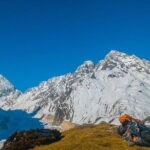
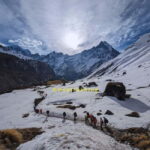
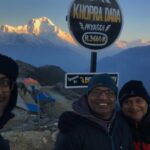
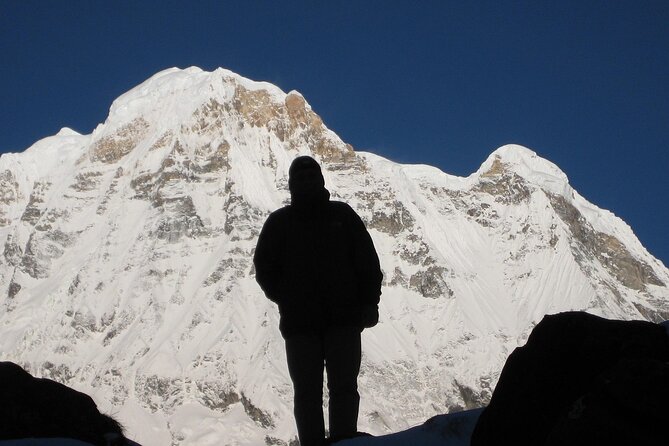
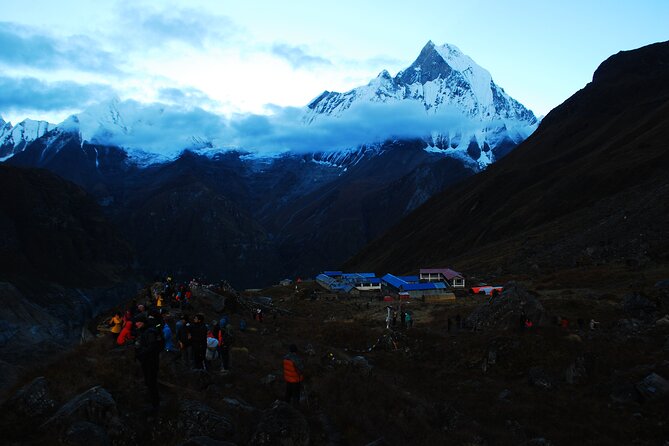
Day 8 is the big one. You ascend past Deurali and MBC, and the forest gradually gives way to open alpine meadows. Views become more constant, and you arrive at Annapurna Base Camp at about 4,130 meters, surrounded by towering peaks.
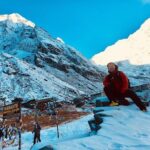
The itinerary also includes sunset at Base Camp, which is exactly when many people feel the mountains are at their most dramatic. Even if you’ve seen photos before, sunset changes the colors and the contrast. Just be ready for colder temperatures at this elevation than you might expect.
What I like about structuring this day around both the ascent and sunset is that it prevents the “arrive, take photos, leave” feeling. You get to linger, breathe, and let the effort settle in. It also helps you adjust your pace for the altitude—Base Camp isn’t a sprint.
The long descent from Base Camp: easier steps, big time on the trail (Day 9)
Day 9 starts early again with sunrise over the Annapurna range, then you begin descending the same route: MBC, Deurali, and Dovan—eventually reaching the forested Bamboo area. It’s described as easier but long.
That’s the key tradeoff. Altitude relief is real on the descent, but time adds up fast. This day is when blisters can show up if your shoes and socks aren’t dialed. It’s also when fatigue can trick you into losing form, so keep checking your stride.
The good news is that the trail is well established, and you’ll have a familiar sequence of stops. The best approach is to treat it like a controlled hike day, not an all-out effort.
Jhinu Danda hot springs: recovery after the downhill slog (Day 10)
Day 10 is a classic switch from trekking effort to body relief. You trek uphill back toward Chhomrong, then descend steeply to Jhinu Danda. In the afternoon, the plan includes time for the natural hot springs by the riverside.
This is not just a luxury. After days of climbing and descending, warm water can feel like a reset button for tired muscles. It also gives you something to look forward to when the trail feels monotonous.
If you’re traveling with spare time to manage your recovery, this day is where you’ll appreciate it. Bring a small towel and plan to keep the rest of your gear organized so you’re not scrambling after soaking.
Back to Pokhara: short trek, lakeside dinner mood, and a chance to breathe (Day 11)
On Day 11, you return toward Pokhara with a short trek to Siwai or Nayapul, then drive back to Pokhara. The evening is set up to celebrate your completion with a lakeside dinner, a massage, or just relaxing while you reflect.
I like that this day doesn’t try to be “one last big hike.” It’s a transition day that helps you land the accomplishment without draining yourself again.
Pokhara can feel like a different world after the mountains: warmer, easier pacing, and more comfort. Even if you don’t go for a massage, you’ll probably want a long shower, early sleep, and time to stretch out.
Kathmandu finish: fly or drive home and keep it flexible (Day 12)
Day 12 returns you to Kathmandu by flying or driving. If your flight schedule doesn’t line up, the plan allows for an extra night in the city.
This flexibility matters because trekking fatigue is real. You’ll be better off if you don’t overbook yourself for immediate same-day connections. If you do have spare hours, Kathmandu is a good place to rest, eat well, and organize photos so the whole trek stays clear in your memory.
Price and value: what $1,200 covers, and what to plan for
At $1,200 per person for a roughly 12-day trek, the value depends on what matters most to you: reduced hassle, included essentials, and a guided experience. This tour lists inclusions like meals, government fees, and an entrance fee, plus WiFi on board. It also notes pickup offered, which can make Day 1 simpler.
The “not included” list calls out public transportation and airport/departure tax. That doesn’t mean you’ll be stranded, but it does mean you should budget for anything related to local transit that’s not covered and possible airport charges at departure.
One more practical value point: private tour format. If you’re traveling as a small group, privacy can reduce waiting and speed up decisions when you need something—especially on a trek where small timing changes can make a big difference.
Difficulty and fitness: moderate pace with real altitude and steep sections
This trek is described as suitable for moderate physical fitness, and the top altitude at 4,130 meters is significant. I’d treat “moderate” as: you should be prepared to walk daily for hours, handle steep bits, and manage cold mornings.
The itinerary includes multiple tough climbs and descents, including the big step section to Ulleri and steep moves around Chhomrong and Jhinu Danda. If stairs and downhill strain are issues for you, take trekking poles seriously.
Also, you’ll want to move with patience at altitude. The route is established, and teahouses support you along the way, but altitude affects everyone differently. Bring a mindset that prioritizes steady effort over speed.
Service quality: why Mandip Ji and prompt help matter on a trek
The feedback for Everest High Pass Adventures leans toward personal care and responsiveness. A guide name that’s specifically mentioned is Mandip Ji, praised for calm presence, politeness, and being actively attentive.
On a trek, that kind of service isn’t just nice—it’s practical. When weather changes, when you need advice on pacing, or when small problems pop up, a good guide helps you keep momentum and avoid wasted energy. It also makes the first days easier because you’re not figuring everything out on your own.
If you like a tour where the human side feels handled—permits, guidance, and support—this one’s reputation fits that goal.
Should you book this Annapurna Base Camp trek?
Yes, if you want a well-structured Annapurna Base Camp experience with classic highlights like Poon Hill sunrise and time at the base camp itself, plus a recovery day with hot springs. I’d especially recommend it if you appreciate guided planning from Day 1 and you’re traveling with people who want a private, simpler group setup.
Skip it or rethink your fit if you’re not comfortable with steep sections (including the big step climb on Day 3) or you’re hesitant about altitude up to 4,130 meters. In that case, you’ll want to consider an easier route or a shorter trek so the days feel more manageable.
FAQ
FAQ
Where does this trek start and end?
The start is in Kathmandu at P924+79 Kathmandu, Nepal, and the activity ends back at the same meeting point.
How long is the Annapurna Base Camp trek?
It’s listed as approximately 12 days.
What’s the highest altitude on the route?
Annapurna Base Camp is listed at about 4,130 meters.
Is this a private tour?
Yes. It’s described as a private tour/activity, so only your group participates.
Are meals included?
Meals are listed as included.
What transport options are offered to get to Pokhara?
You can either take a 6–8 hour overland drive or a 25-minute flight to Pokhara.
Is there a chance to see sunrise at Poon Hill and sunset at Base Camp?
Yes. The itinerary includes sunrise from Poon Hill and sunset at Annapurna Base Camp.
Are natural hot springs included?
The Day 10 plan includes time to visit the natural hot springs by the riverside at Jhinu Danda.
What happens if weather is bad?
The experience requires good weather. If it’s canceled due to poor weather, you’ll be offered a different date or a full refund.