REVIEW · KATHMANDU
Annapurna Circuit Trek
Book on Viator →Operated by White Hill Adventure Treks & Expedition Pvt. Ltd. · Bookable on Viator
Two weeks of mountain stages feel unreal. This Annapurna Circuit Trek threads through Nepal’s big altitude shifts, from warm valley farming to crisp high camps where the peaks seem close enough to touch. I particularly like how the scenery changes daily and how your guide keeps permits and mountain logistics handled, so you can focus on walking and taking in the views.
You will also like the built-in rhythm for acclimatizing, including a rest day in Manang and a slow climb toward the high pass. One consideration: this is still a serious trek at altitude, with long hiking days and an early start time of 6:15 am, so you’ll want a calm pace and solid fitness.
I love hearing about the kind of support you can get on the ground—one porter named Rishi stands out for being friendly, helpful, and making people feel safe while doing more than expected. If you’re hoping for a team that takes its work seriously, that matters more than you’d think.
In This Review
- Key things that make this trek work well
- Annapurna Circuit: why the views never get boring
- The 15 days, broken into real walking days and turning points
- Days 1–4: from Bulbule to Chame, learning the rhythm
- Days 5–7: Pisang to Manang, then an important rest day
- Days 8–10: Yak Kharka, Thorong High Camp, and the Thorong-La crossing
- Days 11–13: Marpha to Lete, then down to Tatopani hot springs
- Days 14–15: Ghorepani, Poon Hill, then Pokhara
- Price and value: what you’re paying for (and what you aren’t)
- Tea-house trekking comfort: how to plan for real life on trail
- The acclimatization plan you can actually respect
- Guide support and the human side of the trek
- Who should book this Annapurna Circuit trek
- Should you book it?
- FAQ
- Where does the Annapurna Circuit Trek start?
- What time do we meet on the first day?
- How long is the trek?
- What is the price per person?
- What’s included in the price?
- Are meals included?
- What kind of accommodation will you use?
- What is not included?
- Is this a private group?
- Can I cancel and get a refund?
Key things that make this trek work well
- Full board on the trail: breakfast, lunch, and dinner included at tea houses
- Acclimatization built in: you climb gradually and pause with a rest day in Manang
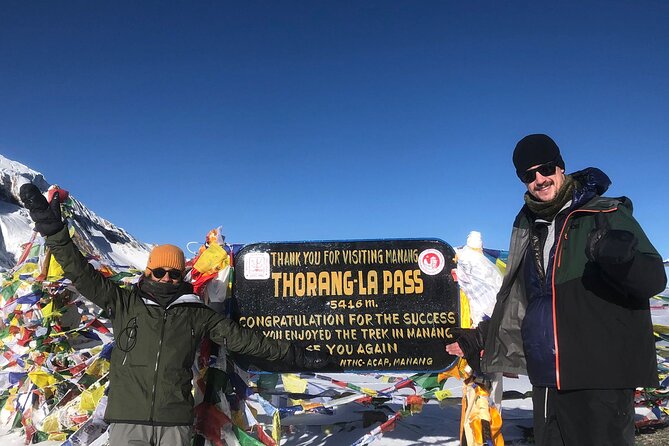
- Thorong-La Pass is the headline: crossing at 5,416m and then descending toward Muktinath
- Recovery payoff at Tatopani: natural hot springs after a tough altitude swing
- A classic finish: Poon Hill views followed by a drive to Pokhara
Annapurna Circuit: why the views never get boring
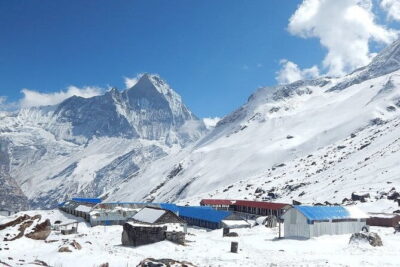
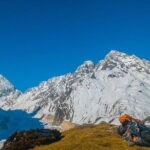
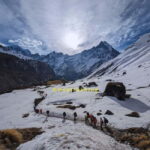
The Annapurna Circuit Trek earns its reputation because it is not one long, samey mountain hike. Your path keeps changing character: you’ll move from lower, warmer zones into cooler hills, then up into the thin-air country where the air feels sharper and the sky looks cleaner. If you like the feeling of “today is different,” this route delivers it.
The other reason it feels special is pacing. Even with a packed two-week feel, the plan spreads your climb over multiple stages, so you’re not simply going straight upward. On days like the run-up toward high camps, you’re not just chasing elevation, you’re also given breaks that help your body adjust.
This is also a trek where the details matter. Small things—like knowing where your meals and tea-house beds come from, and having a guide who is responsible for the trekking permit and day-to-day organization—keep your energy for the trail. When everything runs smoothly, you spend less time worrying and more time enjoying the mountains.
You can also read our reviews of more tours and experiences in Kathmandu.
The 15 days, broken into real walking days and turning points
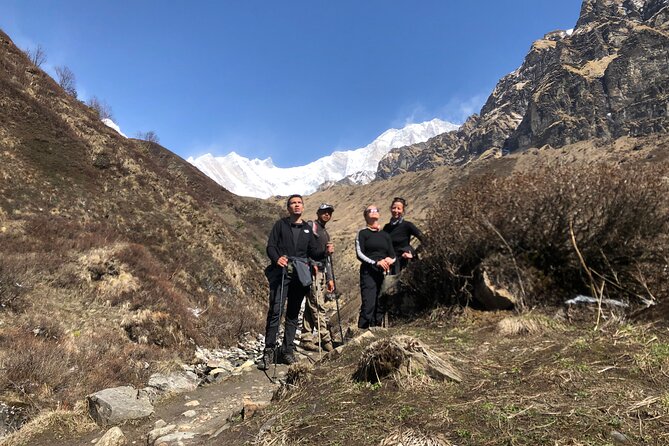
I’m going to describe what each section is like in plain terms: what you’re gaining, what the day usually asks of you, and where you’ll feel the shift.
Days 1–4: from Bulbule to Chame, learning the rhythm
You start early in Kathmandu and head out for a long first push that mixes driving and walking. Day 1 takes you from Bulbule at 840m up to Nagdi at 930m, with a drive plus about an hour of hiking. It’s not a hard day, but it’s a great setup day because you wake up, get moving, and let your body start syncing to the trek schedule.
Day 2 goes to Jagat at 1,300m (about 4–5 hours). This is your first real “trail day,” with enough walking time to settle in and enough elevation change to start feeling the high-country transition.
Day 3 climbs to Dharapani at 1,860m (another 4–5 hours). This is where the air starts to feel less forgiving and where you learn to slow down and keep breathing steady.
Day 4 carries you to Chame at 2,670m in about 5 hours. Chame is higher, colder, and more likely to make you feel the altitude in your legs. It’s also a good waypoint because it’s far enough up that your next sections feel like they’re genuinely building.
Days 5–7: Pisang to Manang, then an important rest day
Day 5 reaches Pisang at about 3,230m in roughly 5 hours. By now the hike feels more “high country” than “valley trek,” and the views start getting more dramatic with each upward step.
Day 6 takes you to Manang Village at 3,450m (about 5 hours). This is not just another stop. Manang is where the trek starts making sense as a bigger goal, because you’re now operating at serious elevation.
Day 7 is your rest day in Manang. A rest day is not a free day in the sense of doing nothing—it’s more like a chance to let your body catch up. You’ll appreciate it most if you’ve taken the early days calmly and protected your energy for the higher climb ahead.
Days 8–10: Yak Kharka, Thorong High Camp, and the Thorong-La crossing
Day 8 brings you to Yak Kharka at 4,110m in about 4 hours. This is a big jump compared to the earlier days, and you’ll feel it. The key is steady effort: short pauses, consistent steps, and keeping your breathing under control.
Day 9 takes you to Thorong High Camp at 4,600m in about 4 hours. This is where the trek starts asking for patience. High Camp is about getting you positioned for the pass and giving your body one more acclimatization-related step before the high point.
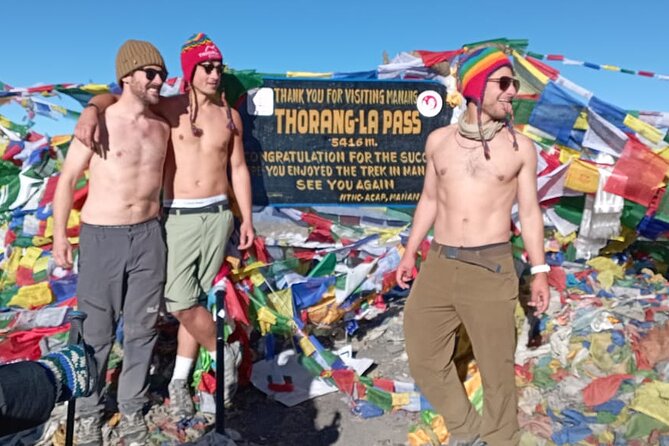
Day 10 is the big one: crossing Thorong-La Pass at 5,416m and descending to Muktinath at 3,800m in about 7 hours. That’s a long day with a major altitude peak. What I find useful here is understanding the shape of the effort: you’re not just going up to a number, you’re topping out and then committing to a descent that changes how your knees and ankles feel. Plan for sore legs, not just sore muscles.
Muktinath’s lower altitude helps you recover after the high point, but you’ll still be operating on tired legs. It’s the kind of day where good pacing matters more than pushing to feel tough.
Days 11–13: Marpha to Lete, then down to Tatopani hot springs
Day 11 moves you toward Marpha via Jomsom (Jomsom at 2,715m, then Marpha around 2,670m) in about 6 hours. This section can feel like a shift in both terrain and atmosphere, because you’re transitioning away from the tight high-pass zone.
Day 12 goes to Lete at 2,480m in about 6 hours. It’s still hiking altitude, but it’s more about settling into the next phase rather than challenging the highest elevations again.
Day 13 drops to Tatopani at 1,190m in about 6 hours, and the highlight is natural hot springs. After days involving altitude effort, a hot-spring stop is more than a nice perk. It’s a practical recovery tool for tired legs and general body fatigue. If you’ve been watching your pace and hydration, this is where you’ll start to feel that the trek is giving back.
Days 14–15: Ghorepani, Poon Hill, then Pokhara
Day 14 takes you to Ghorepani at 2,880m in about 6 hours. This day can feel like a return to altitude after the hot-spring low. The good news is you already earned your acclimatization lessons earlier, so your body can handle this “bounce.”
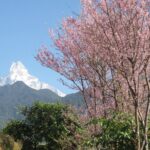
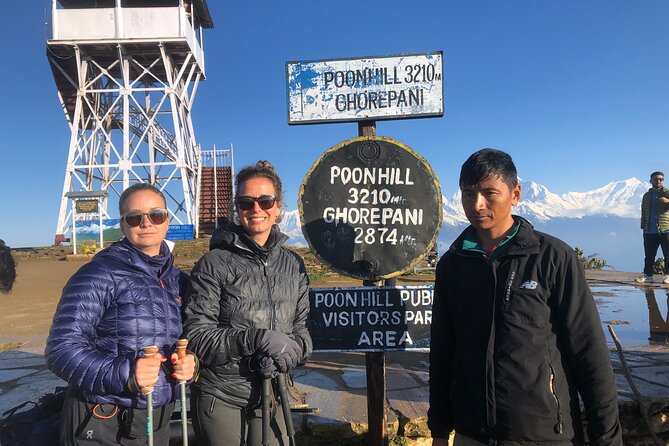
Day 15 is your finish: you go to Poon Hill at 3,210m and then continue trekking to Nayapul at about 1,100m, followed by a drive to Pokhara at 860m in about 6–7 hours. Poon Hill is a classic viewpoint because the time spent climbing for it feels immediately worth it once you’re up and looking around. Then you close the loop with a descent and a road transfer that helps you land back in comfort.
Price and value: what you’re paying for (and what you aren’t)
At $1,290 per person for a trek lasting about 15 days, this is positioned as a guided, fully supported package—not a low-cost self-guided challenge. For value, I look at what’s handled for you versus what you must bring or arrange.
Here’s what’s included:
- Transport by bus for needed travel, plus hotel pickup/drop by taxi
- All trekking meals: breakfast, lunch, and dinner
- Mountain accommodation at tea houses
- An excellent guide (with guide food, salary, insurance, and equipment included)
- Mountain trekking permit
- Mobile ticket, plus confirmation at booking time
Here’s what’s not included:
- Drinks and extras like tea, coffee, beer, cola, mineral water, hot water, and Wi‑Fi
- Battery charging, hot shower, and similar comfort items
- Your trekking equipment
- Travel insurance
- A porter (so you either carry yourself or arrange one separately)
Value comes from reducing decision fatigue. When meals, beds, and permits are handled, you can spend your energy on your body and your route. That said, you’ll still pay for small comforts along the way, so I suggest you budget for water/charging and keep some cash for tea-house add-ons.
Also note the porter situation. Some people feel strongly about having a porter; others don’t. Since porter help is not included, you should decide early how you want to carry your pack.
Tea-house trekking comfort: how to plan for real life on trail
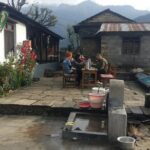
Tea houses are a big part of why this trek is so popular. You’re not sleeping in tents for the whole route, and your meals are already connected to the route’s village network. That matters because it keeps the trek manageable for a wider range of walkers.
In this package, your accommodation is at tea houses and your full meal plan is included during the trek. That reduces the constant question of where you’ll eat and what you’ll eat. It also gives you consistent energy each day, which helps when hiking times stretch to about 6–7 hours on several days.
What’s not included is also important:
- Wi‑Fi and battery charges cost extra
- Hot water, hot showers, and drinks are not included
- You’ll need your own trekking equipment
So bring a practical mindset. I’d plan on limited charging. If you rely on your phone for photos or navigation, bring a power solution you can manage. If you care about sleep comfort, bring what you need for cold nights, since tea-house warmth varies.
The acclimatization plan you can actually respect
This trek is famous for high altitude, so the success factor is not bravado. It’s gradual climbing and smart pacing. This itinerary supports that by shaping your elevation increases rather than making a single giant leap.
You get the biggest breathing space with a rest day in Manang Village at 3,450m. Then you climb to Yak Kharka at 4,110m, sleep higher at Thorong High Camp (4,600m), and finally tackle Thorong-La at 5,416m.
If you’re coming in with moderate fitness, this structure is your friend. It gives your body time to adjust, and it breaks the pass approach into stages. Your job is to cooperate: walk steadily, don’t sprint between tea-house stops, and take altitude seriously even if you feel okay.
The descent after the pass is another part of safety. Descending can fatigue your knees faster than you expect. Plan for sore legs as a normal outcome, not a failure.
Guide support and the human side of the trek
This is where the package feels more than just logistics. You’re assigned an excellent guide whose role includes food, salary, insurance, and equipment. That means the guide is not simply along for the photos; they’re responsible for keeping the trek moving safely and smoothly.
And then there’s the porter element. While porter help isn’t included in the base package, I like that you can get real support from people on the ground. One porter named Rishi is singled out for being helpful, friendly, and making trekkers feel safe—like his heart was in the job, not just clocking hours.
For me, that human factor matters on a trek like this. When you’re tired, you want someone who pays attention to your pace, your needs, and the small risks that can pile up if everyone is pretending they’re fine.
Who should book this Annapurna Circuit trek
You should consider this trek if you want:
- A classic, scenic high-altitude route with day-by-day progression
- Full meal support and tea-house lodging to simplify your planning
- A guided experience that includes permits and day logistics
- A trek that builds toward Thorong-La with an acclimatization stop in Manang
You should think twice if:
- You’re not comfortable with long walking days and significant elevation changes
- You don’t plan to arrange porter support but also expect to carry everything comfortably for many days
- You rely heavily on constant hot showers, Wi‑Fi, or battery charging (because those are not included)
This tour fits best with people who take altitude seriously and still want the adventure of pushing higher, then recovering smartly.
Should you book it?
If you want a well-supported Annapurna Circuit where the heavy lifting is handled for you—permits, food planning, tea-house stays, and guided coordination—this is a solid choice. The included meals and lodging make your days easier to manage, and the acclimatization pacing gives you a fair shot at enjoying the Thorong-La crossing instead of just surviving it.
Book it if you’re ready to hike seriously, keep a steady pace, and treat the high point as a goal you work toward, not a test you rush. Skip it if you want a fully independent trip with unlimited comforts, because this trek is built around trail reality, not luxury extras.
FAQ
Where does the Annapurna Circuit Trek start?
The experience is based in Kathmandu, Nepal, with transport arranged from there. You’ll also have hotel pickup/drop by taxi and bus transport for the needed travel.
What time do we meet on the first day?
The start time is listed as 6:15 am.
How long is the trek?
It runs for about 15 days (approx.).
What is the price per person?
The price is $1,290.00 per person.
What’s included in the price?
Included items are bus transport as needed, hotel pickup/drop by taxi, all meals during the trek (breakfast/lunch/dinner), tea-house accommodation, an excellent guide (food, salary, insurance, and equipment), and the mountain trekking permit. A mobile ticket is also part of the experience.
Are meals included?
Yes. Breakfast, lunch, and dinner during the trek are included.
What kind of accommodation will you use?
You’ll stay in mountain tea houses during the trek.
What is not included?
Not included: tea/coffee/beer/cola/mineral water/hot water/Wi‑Fi/battery charges/hot shower, your trekking equipment, your travel insurance, and a porter.
Is this a private group?
Yes. It’s described as a private tour/activity, and only your group participates.
Can I cancel and get a refund?
No. The experience is non-refundable and cannot be changed for any reason. If you cancel or ask for an amendment, the amount paid will not be refunded.