REVIEW · KATHMANDU
Annapurna Base Camp Trek
Book on Viator →Operated by Nepal High Trek & Expedition Pvt. Ltd · Bookable on Viator
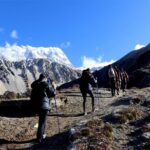
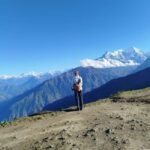
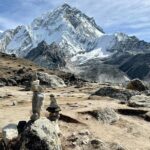
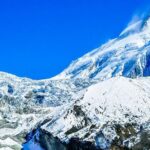
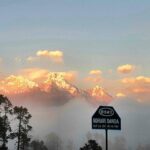
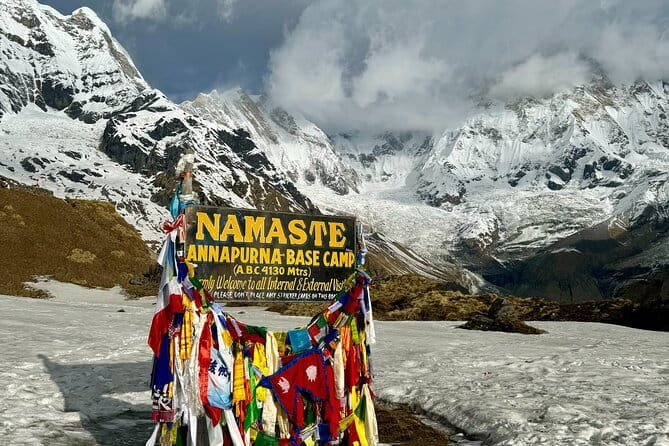
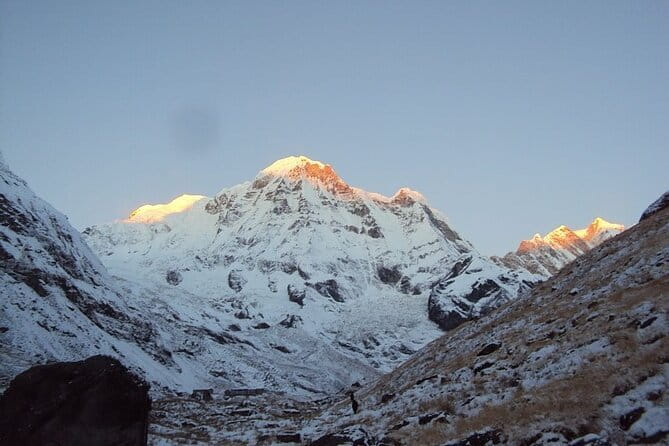
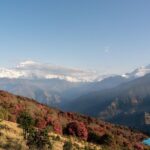
Few hikes hit this hard in one week. The Annapurna Base Camp trek sends you from terraced valleys and Gurung villages up through rhododendron forest toward towering Annapurna peaks, including Annapurna South, Machhapuchhre (Fish Tail), and Hiunchuli. You finish with the big moment: sunrise views at base camp, when the glaciers and surrounding walls of rock make the whole effort feel worth it. Annapurna Base Camp is the headline, but the village-to-village walking is the story.
I like how this package removes guesswork. You get a government-licensed mountain guide, permits covered (ACAP plus TIMS), and daily breakfast, lunch, and dinner handled on the trek. In real life, that kind of planning shows up in the way guides run the day—people singled out guides like Suraj, Anos, and Laku for staying attentive to meals, accommodation, and the group’s pace.
One consideration: expect early mornings, with the start time listed as 4:45 am, plus the trek depends on good weather. If the weather goes sideways, your trek can shift or be refunded, so plan with a little flexibility.
In This Review
- Key highlights worth your attention
- Why Annapurna Base Camp feels like a real goal, not just a route
- Price and what you truly get for $699.67
- Start time, pickup, and the early-morning rhythm that shapes your day
- Day 1 to Day 2: Ghandruk and Chhomrong, where village life meets big views
- Day 3 to Day 4: forests, ridges, and moving close to the highlight
- Day 5: reaching Annapurna Base Camp, then turning downhill with purpose
- Day 6 and Day 7: Jhinu Danda hot spring and the Pokhara reset
- Guide quality: why names like Suraj, Anos, and Laku matter
- Who this 7-day Annapurna trek suits best
- Should you book this Annapurna Base Camp trek?
- FAQ
- How long is the Annapurna Base Camp trek?
- What time does the experience start?
- What is included in the price?
- Are the permits included?
- Is pickup offered and is this a private tour?
- What is the cancellation policy if weather is bad?
Key highlights worth your attention
- Licensed guide and permits included: ACAP (Annapurna Conservation Area Project) and TIMS are part of the deal.
- Villages you actually pass through: Ghandruk, Chhomrong, and Jhinu Danda give the trek texture beyond just “walking up.”
- Base camp timing for sunrise views: that early push is built into the experience.
- Guide and porter support praised by name: Suraj, Anos, and Laku come up repeatedly in feedback, along with porters Sonam and Necha.
- Value-focused full-service setup: 7 nights on the trek plus meals and seasonal fruits are included.
Why Annapurna Base Camp feels like a real goal, not just a route
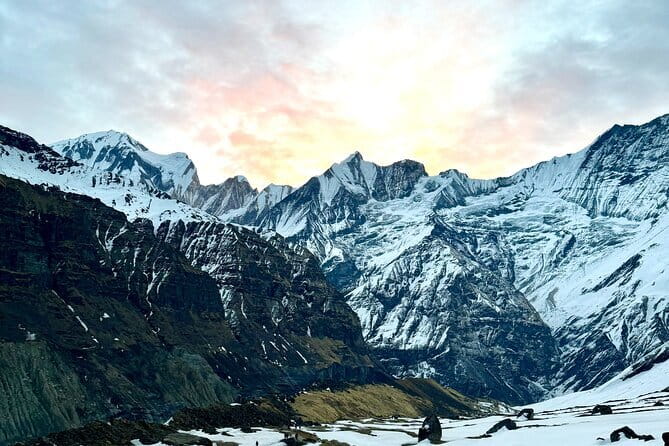
The Annapurna Base Camp trek is one of those hikes where the destination matters. You’re not just moving through the mountains—you’re heading into the Annapurna sanctuary and aiming for a place surrounded by major peaks and glaciers. The overview is clear about the payoff: reaching base camp and then catching the sunrise views. That’s the emotional core of this trek.
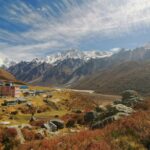
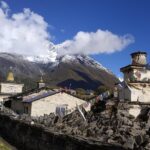
What I like for you is the mix of big views and everyday village life. The route starts from the Nayapul area and works its way through terraced fields and rhododendron forest before you settle into Gurung villages like Ghandruk and Chhomrong. Along the way, you’ll see how people live close to the trail—farms, bridges, ridges, and the kind of guesthouses that keep the trekking economy moving.
This is also listed as a moderate trekking region, with options you can choose based on holiday length and desire. Even though this review is for the 7-day version, the important takeaway is that the operator frames the trekking difficulty for people who want a strong mountain experience without going full hardcore.
If you’ve done day hikes or shorter treks and you want a bigger goal, ABC is a smart step up. If you’re expecting a low-effort walk with everything flat and easy, you’ll be disappointed. This is still a mountain trek, with long stretches, uphill and downhill, and the need to keep a steady rhythm.
You can also read our reviews of more tours and experiences in Kathmandu.
Price and what you truly get for $699.67
At $699.67 per person, the value here comes from what’s bundled rather than what’s optional. This price includes three meals a day during the trek (breakfast, lunch, dinner), seasonal fruits, and 7 nights of accommodation on the trail. It also covers the core permits—Annapurna Permit (ACAP) and the TIMS card—which are not just paperwork details in Nepal. They’re part of how access and conservation rules work.
You also get a government license holder mountain guide and all listed ground transportation for the trek legs (Pokhar–Syauli Bazar and Samrung Khola–Pokhara). Pickup is offered, which matters because early starts make “finding your ride” a headache you don’t need.
What isn’t included is equally important. You’ll need to cover travel and rescue insurance, plus the small daily extras like bar bills, laundry, battery recharge, water, hot water, shower, and tips for the guide. Those costs can add up fast if you treat a tea house like a hotel. If you like your comforts, budget for them. If you’re flexible and happy with simple guesthouse life, you’ll keep spending under control.
A practical point: this trek is commonly booked about 26 days in advance. If you’re traveling in peak trekking season, that’s your hint to lock in sooner, especially if you care about guide and porter assignments.
Start time, pickup, and the early-morning rhythm that shapes your day
The experience start time is listed as 4:45 am. That early start is not a minor detail—it affects your whole pacing. You’ll walk in the morning light, and your schedule will be set to get you to the next stops without dragging the day into darkness.
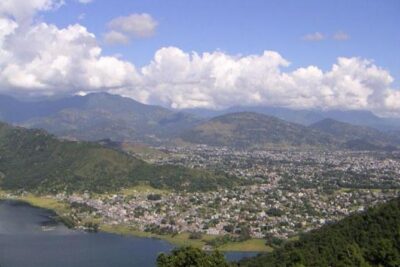
From the way the trek is described, the route ties closely to Pokhara. You start with views from Pokhara of the Annapurna Himalaya range and Machhapuchhre, then drive beyond Pokhara to begin the first day’s walking. Even the day-by-day structure hints at this: the trek days run like a chain, and the final day returns you to Pokhara (with a short stop at the Pokhara Museum).
One nice feature for planning is that the trek is described as private. The listing says it’s a private tour/activity, meaning your group participates together. In practice, you might still end up with a small mixed group depending on logistics, but the core idea is that you’re not doing this as a lone traveler with zero support.
If you want a smoother trip, make sure you’re okay with structure. This trek works best when you let the guide handle timing, meals, accommodation coordination, and route pacing. The feedback on guides like Suraj, Anos, and Laku repeatedly points to that kind of day management—planning meals, arranging lodging, and keeping things moving without losing the fun.
Day 1 to Day 2: Ghandruk and Chhomrong, where village life meets big views
Day 1 is your “arrive and start climbing” day. After an overnight in Pokhara and breakfast, you drive beyond Pokhara to begin walking. Your first trekking stop is Ghandruk, a village that’s famous for giving you a real sense of being inside the trekking world, not just beside it. You’ll likely notice the early shift from terraced fields into a more mountain-focused walking pattern as the trail climbs and curves.
Ghandruk is a good first stop because it’s both scenic and practical. You get your legs moving without immediately jumping into the toughest grind of the whole trek. And you’re not just staring at peaks—you’re also learning how the trail feels on day one: the steady ascent, the brief breaks, and the “let’s keep a rhythm” pacing that matters more than speed.
On Day 2, the route takes you from Ghandruk toward Chhomrong. The walk includes a gradual path for a while, then climbing to reach Kimrong Danda (a ridge). After that, you get a downhill segment through cool forest trails, eventually reaching Kimrong River and then a farm village. The Chhomrong area is where many trekkers start feeling that the Annapurna region is not only about views—it’s about effort that builds.
What to watch for on these first two days: energy management. You don’t want to burn everything early. The guide’s job is to keep you comfortable with the pace and timing, and the strong review pattern around guide attentiveness suggests you’ll have support with meals and accommodation as you go.
Day 3 to Day 4: forests, ridges, and moving close to the highlight
Day 3 drops you into a more enclosed trekking feel. After descending from Chhomrong to a bridge, you climb again toward Sinuwa danda (ridge). From there, the trail leads into deeply forested areas with winding ups and downs, and you eventually reach a spot described as bamboo within the Modi River gorge. That “forest + zigzag trail + river gorge” mix is a classic ABC-style feel: less about open panoramas, more about the rhythm of foot on trail and breath on pace.
Day 4 is where you move close to the highlight. The route described here points to a scenic walk through forest past Himalaya Hotel, next to a large Hinko cave. You’re beneath Annapurna South and Huin-Chuli peaks, and the day includes a transition from that mountain-wall feeling back into a route that continues your approach. Even without exact distances, you can tell this is the day where the trek starts to feel less like a walk and more like a mission.
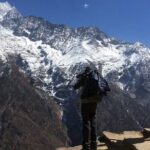
This is also one of the reasons the guided format matters. When you’re walking in forests, along ridges, and near key landmarks, you want someone who knows the terrain and can keep you on track. The positive feedback on guides like Suraj and Anos wasn’t just about friendliness; it was about planning—meals, accommodation, and the practical flow from stop to stop.
Day 5: reaching Annapurna Base Camp, then turning downhill with purpose
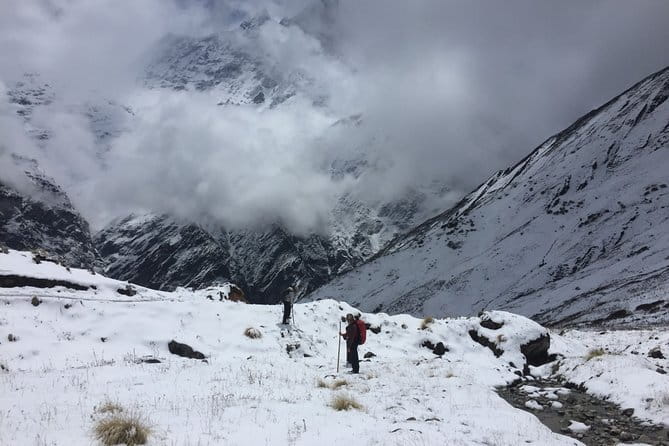
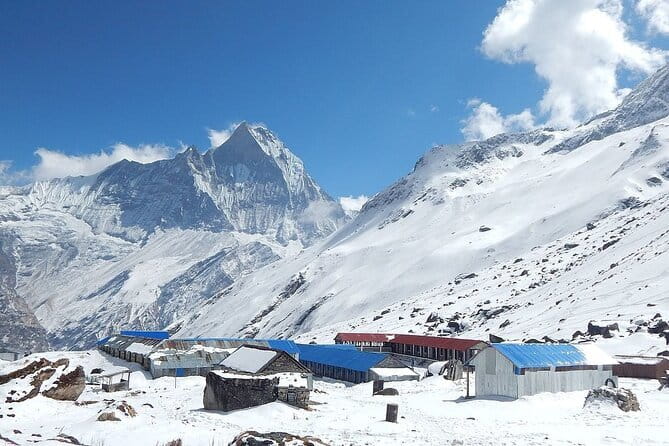
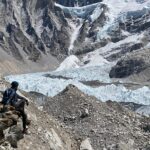
Day 5 is the emotional payoff day. You arrive for time at Annapurna Base Camp, and the description specifically calls out pleasant scenic time and the base camp sunrise feel as a highlight of the trek. Once you’ve gotten that base camp moment, you don’t linger forever—you start the return logic.
The trek includes a long walk of near six hours that leads you downhill with short ups, heading back toward Bamboo. The description also mentions tall tree lines and lush vegetation, which is exactly what you want after the intensity of base camp: a shift from peak-focused drama to the calmer feel of re-entering the forested lower sections.
What makes this day manageable is how the day is structured. Base camp is not treated as a separate adventure; it’s built into the overall trek plan and then backed by a clear descent. If you’re the kind of hiker who likes having a plan for your emotions—yes, your legs will still be tired—this structure is a win.
Also note: the itinerary says the trek involves seasonal fruit and regular meals during the trek. On a day like this, it matters that you’re not scrambling for snacks while trying to enjoy the view.
Day 6 and Day 7: Jhinu Danda hot spring and the Pokhara reset
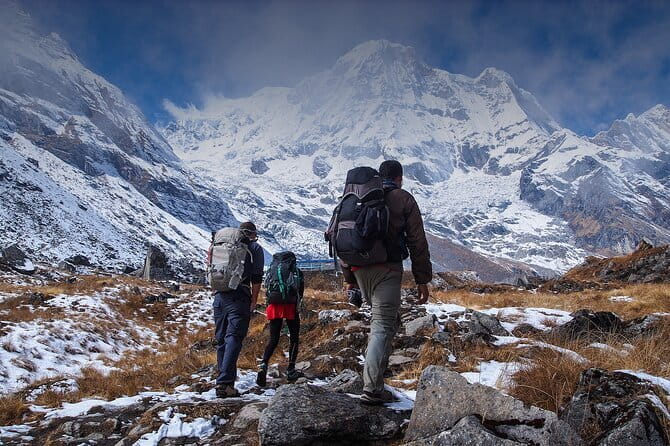
Day 6 shifts the story from peak effort to recovery. The return journey back to Chhomrong includes ups and downhill trail, then the route diverts to Jhinu, described as a ridge village with grand scenery, and it explicitly calls out Jhinu Danda Hot spring. For many hikers, this is the “okay, my feet have forgiven me” moment.
Your body will thank you for this stop, especially since the final day still includes walking and a drive back to Pokhara. Hot springs are not magic, but they’re a practical recovery tool, and that’s what the itinerary is aiming for.
Day 7 brings a winding down. You trek to Siwai for about 4 hours, then drive to Pokhara for about 2 hours. In Pokhara, you end with a short visit to the Pokhara Museum (listed at 30 minutes) and a pleasant downhill walk through low and warm farm areas. It’s a nice way to close: you’re not thrown straight from high altitude exertion into a full travel day with no buffer.
If you want a smooth finish, this kind of reset matters. You get a last stretch on lower paths, then time to decompress before your next steps.
Guide quality: why names like Suraj, Anos, and Laku matter
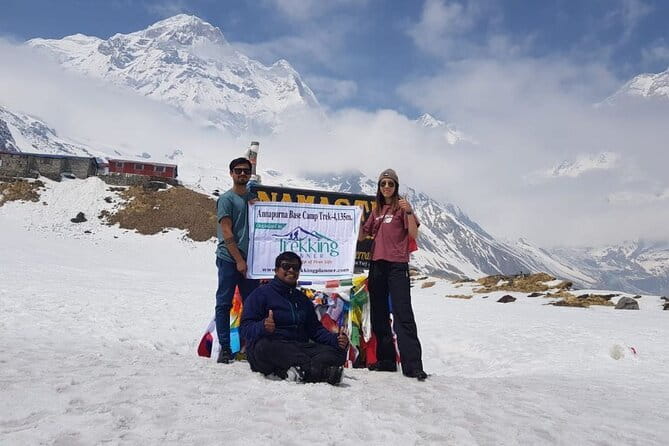
A trekking guide is not just about route knowledge. On this trek, the standout praise in feedback centers on professionalism, attentiveness, and keeping logistics tight. People mentioned Suraj as exceptional—tending to best interests in planning meals and accommodation while also being a fun trekking companion.
Others highlighted Anos and Laku for being friendly, dedicated, and proactive. Porters like Sonam and Necha were specifically praised for taking care of things well. That matters because ABC is physically demanding enough without adding avoidable stress like missing supplies, late meals, or unclear plans for the next stop.
One practical tip you can act on: if guide and porter choices are important to you, request them in advance, especially during hiking season. That shows up in feedback repeatedly, and it’s the kind of detail that can make the difference between “fine” and “this is why I’d do it again.”
Who this 7-day Annapurna trek suits best
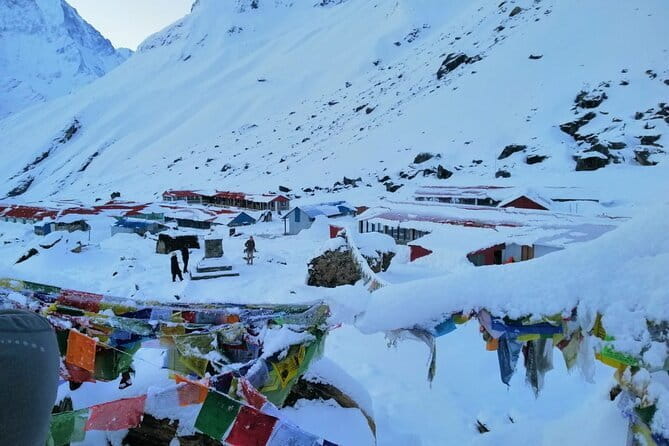
This trek fits you if you want a guided, structured ABC experience with permits, meals, accommodation, and transport handled. It’s also a good choice if you’re a moderate hiker looking for a challenge that still feels manageable over 7 days.
It may not fit you if:
- You hate early mornings (start time is 4:45 am).
- You want zero planning or a fully independent style.
- You’re traveling without flexibility for weather, since good weather is required and poor weather can trigger a date change or full refund.
It’s also a good match for people who value local support. The operator is Nepal High Trek & Expedition Pvt. Ltd, and the experience is described as run by a government license holder guide with ground transport and permit handling included.
Should you book this Annapurna Base Camp trek?
Book it if you want ABC with a clear plan, real on-trail support, and value built into the package. The biggest reasons are the included guide service, ACAP/TIMS coverage, daily meals, and the way the itinerary is paced toward base camp and then recovery at Jhinu.
Think twice if your schedule is rigid or your tolerance for very early starts is low. And do yourself a favor: if you’ve got a guide preference, ask ahead. Feedback on Suraj, Anos, and Laku suggests that getting the right person can make the trek feel smoother and more fun.
FAQ
How long is the Annapurna Base Camp trek?
The duration is listed as 7 days (approximately).
What time does the experience start?
The start time is 4:45 am.
What is included in the price?
Included items are three meals during the trek (breakfast, lunch, dinner), a government license holder mountain guide, Annapurna Permit (ACAP) and TIMS card, all ground transportation for the listed legs, 7 night accommodation on the trek, seasonal fruits, and breakfast/lunch/dinner counts for the trekking days.
Are the permits included?
Yes. The Annapurna Permit (ACAP) and TIMS card are included.
Is pickup offered and is this a private tour?
Pickup is offered, and the experience is listed as private, meaning only your group participates.
What is the cancellation policy if weather is bad?
Cancellation is free up to 24 hours in advance for a full refund. If the experience is canceled due to poor weather, you’ll be offered a different date or a full refund.