REVIEW · MOSHI
6-Day Kilimanjaro Machame Route – A Stunning Trek to Uhuru Peak
Book on Viator →Operated by PINNACLE ADVENTURES & SAFARIS LTD. · Bookable on Viator
Kilimanjaro rewards patience, especially on Machame. This 6-day Machame Route is popular for a reason: you get a smart rhythm of climbing and acclimatization while working toward Uhuru Peak.
What I like most is how the trek balances effort with time to adjust. You’re not thrown straight uphill with no breathing room.
The other big win is the camp setup. You’ll travel with a trained team plus hot water daily for washing, which makes a huge difference when you’re cold and tired.
The main consideration is summit day. It starts at midnight, and it’s long—about 11 to 14 hours—so you’ll want real stamina and focus.
In This Review
- Key points before you go
- Machame’s Whiskey Route: why it’s so popular
- Value check: price, transfers, guides, and the comfort extras
- Day-by-day: Machame Gate, Shira Plateau, Barranco, Barafu
- Day 1: Moshi to Machame Camp through rainforest
- Day 2: Shira Cave Camp and the steeper switch
- Day 3: Ridge walking, Lava Tower, then down to Baranco
- Day 4: Barrafu/Barafu area staging for summit night
- Uhuru Peak via Stella Point: your toughest 12 hours
- Mweka descent and those summit certificates
- Guides, porter support, and the small details that matter
- What to pack and what you can rent in Tanzania
- Who this trek suits best, and who should think twice
- Should you book this Machame trek?
- FAQ
- Where does the trek start and end?
- How long is the Machame route trek?
- What is the highest point on this itinerary?
- When does the summit push begin?
- Are meals included?
- Is camping equipment included?
- Is emergency oxygen provided?
- Can I rent gear instead of bringing it all?
- What’s not included that I should plan for?
- How close to the start date can I cancel for a full refund?
Key points before you go
- “Whiskey Route” scenery variety: rainforest to moorland to alpine desert, all on one climb
- Acclimatization focus: the itinerary includes a recovery-feel day even when elevations change
- Warm camp comfort: hot water for a daily wash and proper camping gear
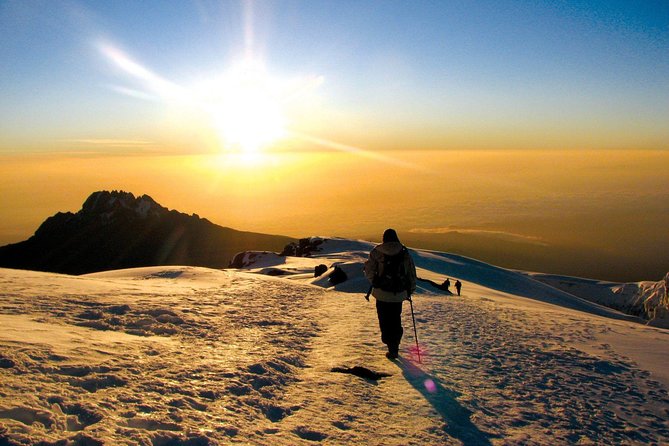
- Summit push planning: midnight start to Stella Point, then the final grind to Uhuru Peak
- Transfers and logistics built in: Moshi-area pickup plus airport transfers to reduce stress
- Emergency oxygen included: supplied for emergencies only, not as summit aid
Machame’s Whiskey Route: why it’s so popular
The Machame Route is often called the Whiskey Route for a reason: the journey has a “stirred, then splashed” feel. One day you’re walking through lush forest, and the next you’re dealing with dry, high-altitude air. That mix is part of the appeal, because it keeps your brain awake while your legs do the work.
This route is also known for a solid path toward Uhuru Peak without cutting corners. You’ll still feel the altitude, but the climbing schedule is designed to help you adjust instead of just forcing height.
You can also read our reviews of more tours and experiences in Moshi.
Value check: price, transfers, guides, and the comfort extras
At $2,253 per person, you’re paying for far more than the “walking part.” You’re also buying a whole support system that matters on Kilimanjaro: qualified guides, assistant guides, porters, and a cook. That team is what keeps the pace steady, the camps organized, and the summit day safer.
Another clear value item is transportation. You get return transfers between Kilimanjaro airport and Moshi, and you’re met at the start in Moshi Urban. That reduces the common hassle of trying to coordinate local rides at the worst possible time: right before your trek starts.
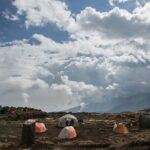
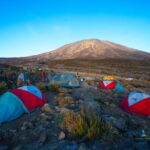
Camp comfort is also baked into the package. You’ll have camping equipment (tents, sleeping mattress, chairs/tables), plus fresh drinking water and hot water for a daily wash. On a mountain like this, hot water is not a luxury. It’s how you keep your routine from collapsing.
One more practical point: emergency oxygen is included, but for emergencies only—not for treating the altitude like it’s a planned “summit aid.” It’s there as a safety net, which is exactly where you want it.
Day-by-day: Machame Gate, Shira Plateau, Barranco, Barafu
Here’s how the trek unfolds, with what to watch for and what each day does for you.
Day 1: Moshi to Machame Camp through rainforest
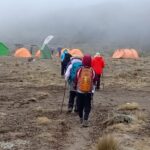
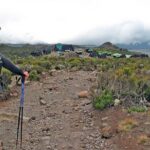
You drive from Moshi (or Arusha) to the Machame Gate, then start your climb on a forest trail. Expect a gradual build through greenery and changing air temperature as you gain height.
The day ends at Machame Camp, roughly 1,640m to 2,835m, after a hike of about 5 to 7 hours. This is a good warm-up day. You’ll still work, but you should aim to keep your breathing calm.
Why this stop matters: the rainforest start helps you ease into the effort. It also gives you that “I’m really here” feeling—birds, plants, and the shade that makes the early miles more bearable.
Day 2: Shira Cave Camp and the steeper switch
Day 2 is shorter in distance—around 5 km—but it gets steeper fast. You leave the forest and climb through moorland, crossing streams along the way. There are also strong viewpoints, including sights of Mount Meru and surrounding valleys on clearer moments.
You’ll camp at Shira Cave Camp at about 2,835m to 3,850m, after around 4 to 6 hours of hiking. This is the day where you’ll feel the altitude more, even though you’re not yet at “summit altitude.”
What to keep in mind: even if you feel okay at the start, don’t treat this like a casual hike. The goal is steady pace. Save energy for the next acclimatization sequence.
Day 3: Ridge walking, Lava Tower, then down to Baranco
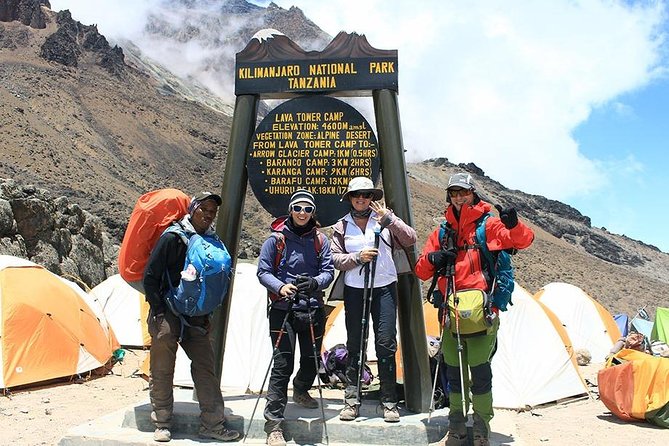
Day 3 is a key acclimatization day. You continue east up a ridge toward Kibo, and the route shifts toward the Lava Tower, nicknamed the Shark’s Tooth at about 4,650m (15,250 ft). After that landmark, you move through another junction and then head down to Barranco Camp.
This day’s planned hiking time is about 5 to 6 hours over roughly 10 km (6 mi). Importantly, you may end the day around a similar elevation to where you started that day, which helps your body absorb altitude while not pushing higher every single hour.
Why this stop matters: the Barranco section is famous for a reason—challenging terrain, yes, but also a schedule that helps you live to summit. This is the day that makes summit day feel more possible.
Day 4: Barrafu/Barafu area staging for summit night
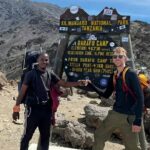
After breakfast, you leave Barranco and climb a steep ridge past the Barranco Wall. Then you work toward the Karanga Valley campsite area, and onward to the Barafu Hut region.
This section is longer on paper: about 7 to 9 hours over roughly 9 km. Habitat-wise, it’s alpine desert, so expect drier air and colder conditions than the earlier days.
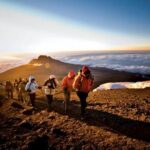
Why this stop matters: you’re not just “camping again.” You’re staging. From Barafu, you can see the shape of the summit area (including Mawenzi and Kibo from this vantage), and you rest up for the midnight push.
Practical note: this is where you’ll want to be organized with layers. After a long day, small mistakes (wrong clothing, wet socks, forgetting basics) become big problems overnight.
Uhuru Peak via Stella Point: your toughest 12 hours
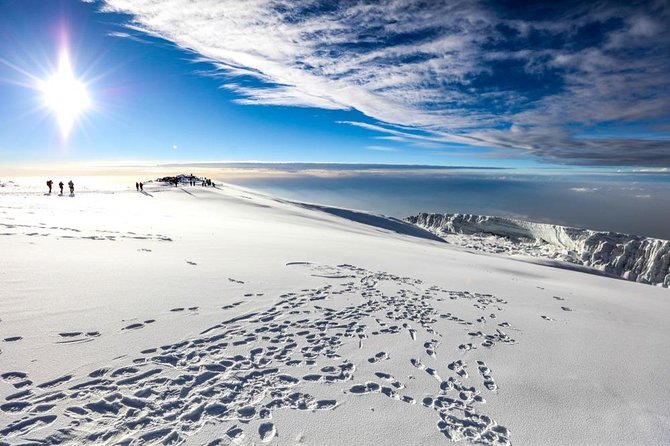
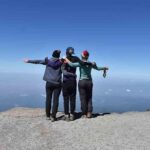
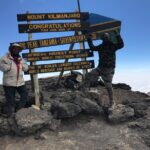
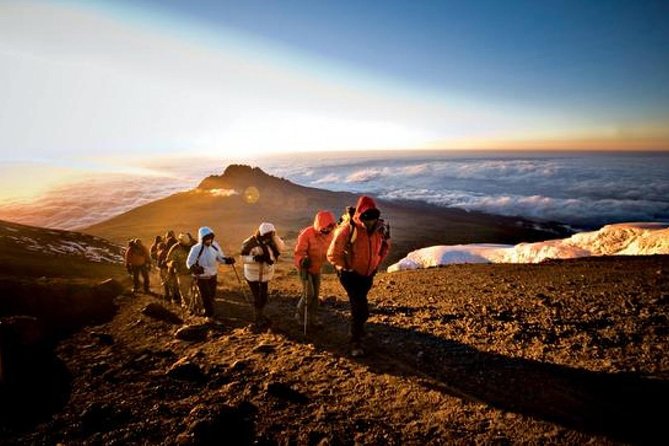
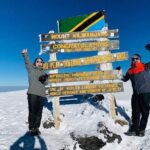
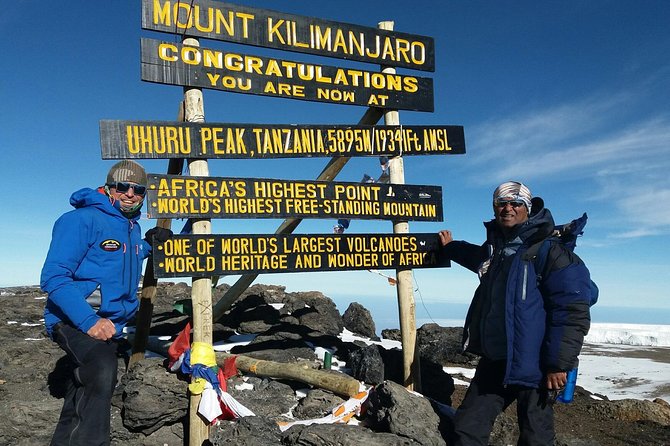
Day 5 is the big one. You start at midnight, heading toward Stella Point at about 5,756 meters, then continue to Uhuru Peak, the highest point in Africa.
The hike is estimated at about 11 to 14 hours, and it’s the hardest day on the mountain. You’ll likely spend long stretches just trying to keep your breathing and pace steady. The summit portion is not about speed. It’s about consistency and not burning out too early.
After celebrating your achievement, you descend to Mweka Camp for your last night on the mountain. That part matters because it changes your whole body mood. You’ll go from “survive the climb” to “protect your joints and get down safely.”
Mweka descent and those summit certificates
Day 6 is shorter hiking, but it can still feel heavy because you’re descending at lower altitude where the air can be wetter and trails can get muddy. The plan calls for about 3 to 4 hours, around 10 km (6 mi), down the Mweka Trail.
You’ll reach the Mweka Park Gate and receive your summit certificates, then continue about an hour to Mweka Village. A vehicle meets you there and drives you back to your hotel in Moshi, roughly 30 minutes.
If you want to make this day easier on your body: plan for mud. Trekking poles and gaiters can help with footing and keeping grit off your lower legs. Shorts and t-shirts may be fine at lower elevations, but keep rain gear and warmer layers accessible.
Guides, porter support, and the small details that matter
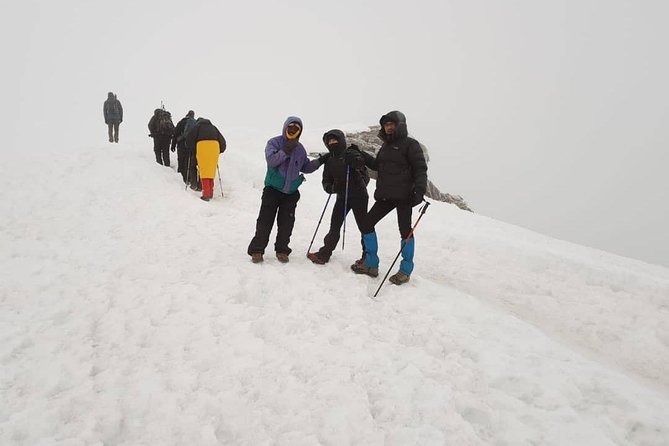
Kilimanjaro isn’t a solo achievement. The difference between a good trek and a smoother one is usually teamwork.
In the guides’ world, names come up for a reason. One guide name you’ll hear in feedback is Justin, and you’ll also see Frazier associated with organization and professionalism. What matters for you is the style: clear communication, competent pacing, and a team that treats safety like it’s part of the route, not an afterthought.
Porters and cooks are included, and that’s huge. You’re not carrying everything yourself in addition to altitude stress. Instead, your job is the hike. Their job is the camp system: tents, meals, hot water, and keeping the schedule moving.
One small caution based on real-world airport paperwork: if you’re dealing with health-test timing and transfers, don’t assume everything will run itself. Stay close to your coordinator until you’re through the handoffs.
What to pack and what you can rent in Tanzania
The trek doesn’t include personal hiking/trekking gear, but renting is available in Tanzania. If you’re arriving without proper boots, a warm layer, or rain protection, plan to rent what you need rather than buying random stuff at home.
What you should still carry personally:
- Your personal medicine (not included)
- Water purifying tablets (not included)
- Any essentials you’ll need daily, not just on summit day
Also consider the optional but highly recommended portable toilet. If you’ve never used one on a trek, it’s worth thinking about how much comfort it can buy you on a multi-day climb.
Who this trek suits best, and who should think twice
This Machame climb is meant for people with moderate physical fitness. It’s not a stroll, but it’s also not the type of expedition where you need technical climbing skills. If you can hike for hours at a steady pace and you’re willing to follow guidance closely, this route often makes sense.
If you’re someone who panics when things feel cold, dark, or slow, summit night can test you. Day 5 starts at midnight, and it’s long. Your best strategy is to train for endurance and trust the pacing.
Also keep in mind that private tour/activity means you’ll be with only your group. That can be a plus for atmosphere and communication, but it also puts the full quality focus on your guide team and their management of the day.
Should you book this Machame trek?
I’d book this Machame route if you want a classic Kilimanjaro challenge with enough structure to support acclimatization. The mix of camp comfort, included support staff, transfers, and hot-water routines is a strong value package for the money.
I would think twice if you’re worried about the grind of a long midnight summit push. This trek can be successful for many people, but it demands patience and stamina more than heroics.
If you’re deciding between routes, Machame’s biggest selling point is pacing plus scenery variety—forest to moorland to alpine desert—without turning summit day into a rushed sprint.
FAQ
Where does the trek start and end?
The trek starts at Moshi Urban, Tanzania. It ends back at the meeting point after your descent and vehicle ride back from Mweka Village.
How long is the Machame route trek?
The duration is 6 days (approx.).
What is the highest point on this itinerary?
The highest point is Uhuru Peak (the highest point in Africa).
When does the summit push begin?
The plan is to begin the most challenging day at midnight, first heading to Stella Point, then continuing to Uhuru Peak.
Are meals included?
Yes. The package includes breakfasts (5), lunches (6), and dinners (5).
Is camping equipment included?
Yes. Camping equipment is included, including tents, camp chairs, tables, and sleeping mattress.
Is emergency oxygen provided?
Yes, emergency oxygen is included for use in emergencies only. It is not provided as summit aid.
Can I rent gear instead of bringing it all?
Yes. The tour notes that you can rent personal hiking/trekking gear from equipment stores in Tanzania.
What’s not included that I should plan for?
Not included are visas and flights, travel and health insurance, personal medicine, water purifying tablets, gratuities/tips, and meals/drinks not specified (plus personal gear).
How close to the start date can I cancel for a full refund?
You can cancel up to 3 days in advance for a full refund. If you cancel less than 3 full days before the experience’s start time, the amount paid is not refunded.