REVIEW · MOSHI
8 Day Kilimanjaro Trek via Lemosho Route
Book on Viator →Operated by Soraka Tours · Bookable on Viator
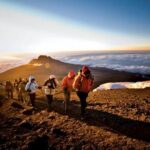
Kilimanjaro feels different on the Lemosho route. This 8-day climb from Moshi takes you through rainforest calm and high-altitude deserts, with a crew that keeps the logistics tight so you can focus on the summit. Lemosho Route also tends to feel quieter than the most crowded starts, which makes the whole trip feel more spacious.
I really like two things here. First, guides including Baraka Akyoo and Baltazar bring a strong, practical climbing focus, and you get daily altitude and health monitoring. Second, the camp setup and meals are built around helping you recover each day, not just survive it.
One thing to think about: the mountain still demands stamina, especially the long summit push, and you’ll need to bring key personal gear like hiking boots and a sleeping bag since they are not included. Summit day runs 14 to 16 hours, so plan your fitness and expectations accordingly.
In This Review
- Key highlights to notice before you go
- Why the Lemosho Route setup works (and how it feels different)
- What you’re really buying: guides, porters, food, and safety systems
- Guides you can trust at 19,340 feet
- Daily health checks that keep you honest
- Porters and chef: the difference between a trek and a grind
- Camp comforts you notice after a long day
- The Moshi start: pre-briefing, first-night recovery, and why it matters
- Day-by-day: what each stage is for, what to expect, and where the strain shows up
- Day 1: Arrive in Moshi, meet the plan
- Day 2: Lemosho Gate (7,824 ft) to Mti Mkubwa (9,251 ft)
- Day 3: Mti Mkubwa to Shira 1 (11,499 ft)
- Day 4: Shira 1 to Shira 2 (12,598 ft), crossing the plateau
- Day 5: Shira 2 to Barranco (12,959 ft) via Lava Tower (15,091 ft)
- Day 6: Barranco Wall to Karanga (13,106 ft)
- Day 7: Karanga to Barafu (15,223 ft), the last camp
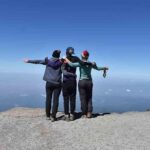
- Day 8: Summit day to Uhuru Peak (19,340 ft), then down to Mweka
- Day 9: Mweka descent to Mweka Gate, then Moshi transfer
- Day 10: Airport drop-off
- How the inclusions affect your odds (and how the exclusions can surprise you)
- What you must handle yourself
- Price check: is $3,450 good value for an 8-day Lemosho climb?
- Who this trek suits best (and who should think twice)
- Final call: should you book this 8 Day Kilimanjaro Trek via Lemosho?
- FAQ
- How long is the Kilimanjaro trek on this route?
- What route does this trek use?
- What meals are included during the climb?
- Does the tour include airport transport?
- What dietary needs can the crew accommodate?
- What should I bring or pay for that is not included?
Key highlights to notice before you go
- A calmer-feeling start from Lemosho Gate, with gradual ascent through big changes in altitude and climate
- Porters handle the weight so you carry a day pack while the team takes care of the rest
- Daily health checks with an oximeter plus certified Wilderness First Responder guides and emergency oxygen
- Well-run camping comfort: 4-season tents, warm sleeping mats, and a real dining setup
- Food that supports acclimatization with three meals daily and options for vegetarian, gluten-free, halal, and kosher needs
- Park fees and rescue/camping included, so you are not piecing together add-ons later
Why the Lemosho Route setup works (and how it feels different)
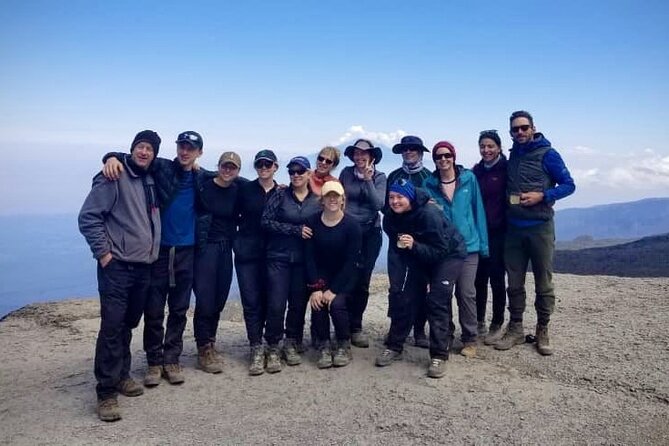
Kilimanjaro is a single mountain, but you climb through multiple worlds. That is the big reason I like this route: it gives you time to adjust as the air thins. Instead of rushing straight uphill, you step through rainforest, then higher forest and moorland, then cold alpine zones, and finally the stark conditions near the summit.
On Lemosho, the change is not just scenery. It is your breathing, your energy, and your body’s response to altitude. The route’s rhythm helps you spend more time where you are learning how you handle elevation. That matters because altitude problems are often about how you manage the climb, not just raw fitness.
The other feel-good part is the sense of support. You are not alone out there with a checklist. Your climbing team, porters, and chef handle the mountain machine: carrying equipment, setting up camp, and keeping meals consistent. You still do the walking, but the weight and timing pressure are taken off your shoulders.
You can also read our reviews of more tours and experiences in Moshi.
What you’re really buying: guides, porters, food, and safety systems
The headline features are the ones that help you day-to-day, not just on a brochure.
Guides you can trust at 19,340 feet
Your guides are certified Wilderness First Responders with over 10 years of climbing experience each. That is a meaningful detail because Kilimanjaro is not a casual hike. You can get altitude headaches, nausea, and injuries, and the ability to respond well matters.
On top of that, there is emergency oxygen on the mountain and a medical kit. Combined with the daily monitoring, it means the crew is not guessing. They can check and reassess each day based on your condition.
Daily health checks that keep you honest
You get two daily health checks using an oximeter, plus targeted questions about how you slept, how your breathing feels, and how your body is holding up. This is practical. It helps the team notice patterns early, when changes are easier to manage.
If you’re the type who pushes through discomfort, this system may feel like a reality check. But it is also reassuring, because you are not left to interpret the mountain on your own.
Porters and chef: the difference between a trek and a grind
Porters carry everything you do not need on your back. Your job is mainly your day pack and your pace. That changes how the climb feels. It also lets you arrive at camp less drained, which affects sleep and recovery.
The chef provides three meals each day, designed for replenishing you for the next push. Food on Kilimanjaro is not a luxury, it is fuel. Consistent meals plus a crew that understands timing can make your summit day feel more achievable.
Camp comforts you notice after a long day
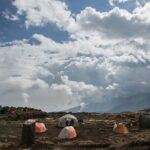
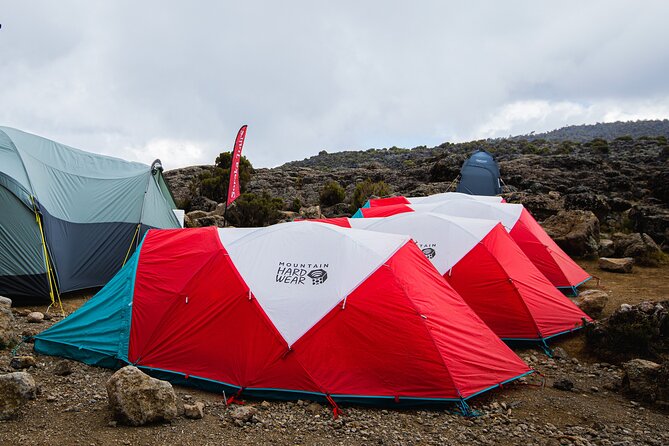
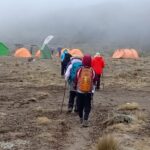
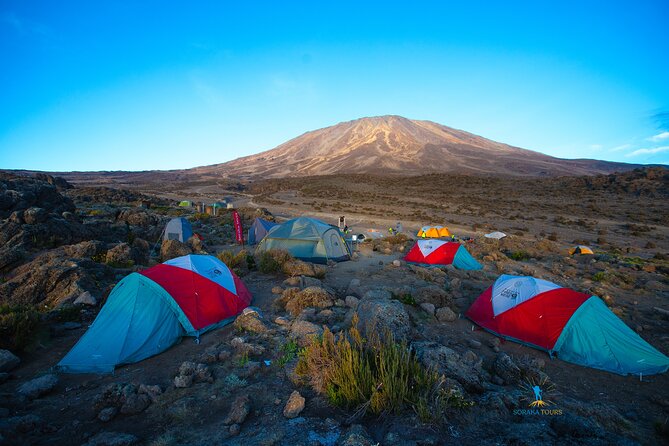
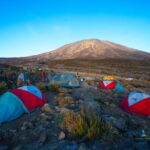
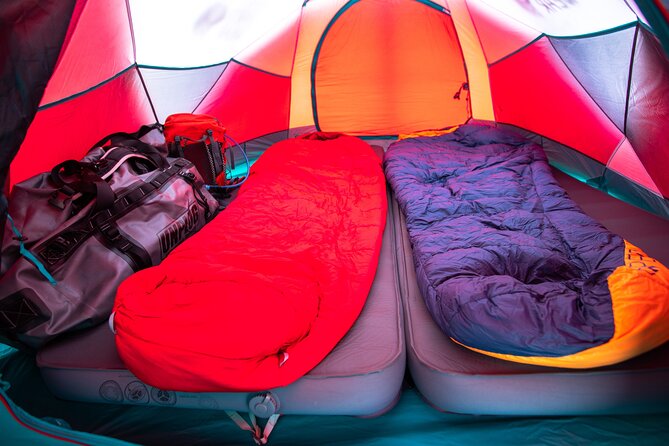
Sleeping is where altitude fatigue catches you. This trek includes warm sleeping mats and 4-season Mountain Hardware tented accommodation (two people per tent). There are also dining tents with table and chairs and cutlery, which means you eat in a more structured way instead of grabbing food wherever you can stand.
Small comforts show up more than you think. Several climbers describe the mountain camp as feeling like luxury, not just basic shelter. That includes extra touches like hot water bottles mentioned in feedback. On cold nights at altitude, those details can make the difference between falling asleep fast and fighting misery.
The Moshi start: pre-briefing, first-night recovery, and why it matters
Your trip begins in Moshi with pickup and airport transfers, plus two nights at Kili Wonders Hotel or a similar property. You also get a briefing and an overnight stay before the hike begins.
This matters more than people assume. Kilimanjaro is not a last-minute sport. Jet lag, nerves, and travel logistics can add stress on top of the climb. Getting settled in Moshi first helps you start the mountain with clearer focus.
The hotel aspect also helps you prep physically. You can hydrate, sort your gear, and double-check what you still need to bring, like your personal boots and sleeping bag. (Those are not included, so use the briefing and your arrival time to get ready properly.)
Day-by-day: what each stage is for, what to expect, and where the strain shows up
Below is the climb logic in plain terms. Each day has a job: get you higher, help you adapt, and move you toward the summit safely.
Day 1: Arrive in Moshi, meet the plan
After landing, you transfer to your hotel for briefing and an overnight stay. This is your warm-up phase, mentally and logistically. Treat it like a gear check day, not a sightseeing day.
Tip: if you’re prone to anxiety, do your quiet-prep here. Review the basics of pacing and hydration so you can stop thinking later.
Day 2: Lemosho Gate (7,824 ft) to Mti Mkubwa (9,251 ft)
You start at Lemosho Gate and hike through lush rainforest toward Mti Mkubwa Camp. Expect about 3 to 4 hours.
This first day is about finding rhythm. You are gaining altitude, but not in a way that overwhelms you right away. The rainforest also tends to be warmer and more humid, so you may feel sweaty even when the pace is comfortable.
You’ll want to start slower than you think. Early energy on day 2 is often saved for later.
Day 3: Mti Mkubwa to Shira 1 (11,499 ft)
Now you move from Mti Mkubwa to Shira 1 Camp in roughly 5 to 6 hours. You are gradually ascending above the forest line.
This is when many people notice altitude more. Your body asks for slower breathing and shorter steps. It can feel awkward, but it’s normal. Let your guide set the pacing and keep your effort steady.
Day 4: Shira 1 to Shira 2 (12,598 ft), crossing the plateau
You continue upward to Shira 2 in about 4 to 5 hours, crossing the Shira Plateau. Expect more climate swings and vegetation changes as you go higher.
This day is useful because it adds altitude while still keeping you moving in a controlled way. It can also be visually striking: wide-open ground, colder air, and a big shift from day 3.
Drawback to plan for: temperature drop. Even if you feel fine while walking, you may feel it more at camp.
Day 5: Shira 2 to Barranco (12,959 ft) via Lava Tower (15,091 ft)
This is a crucial acclimatization day. You go high to the Lava Tower (15,091 ft) and then descend to sleep at Barranco Camp (12,959 ft) in about 6 to 7 hours.
This is how Kilimanjaro teaches you. You get a high-altitude hit, then you gain altitude-adaptation without sleeping at the peak height. It can feel strange to gain and then drop, but it is one of the most important tools for managing acclimatization.
Plan for effort swings. You will feel the high point, then you’ll shift into a downhill mindset before the camp routine starts.
Day 6: Barranco Wall to Karanga (13,106 ft)
You trek from Barranco Camp through the famous Barranco Wall to Karanga Camp (13,106 ft) in about 4 to 5 hours.
The Wall segment is often a mental challenge as much as a physical one. You are moving on steep ground while your breathing is still adjusting to altitude. Take short steps and keep your eyes on the next few steps, not the top of the wall.
The good news: you’re not climbing all day at full grind. It is contained, and then you recover at camp.
Day 7: Karanga to Barafu (15,223 ft), the last camp
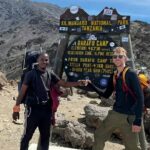
From Karanga you go to Barafu Camp (15,223 ft) in about 4 to 5 hours. This is your last camp before the summit attempt.
Expect a very different night. Your goal becomes sleeping well and conserving energy for early-morning departure. Use your camp time for hydration, a steady meal, and then quiet rest.
Possible drawback: because you’re higher now, cold and fatigue can feel sharper. The more you respect pacing today, the easier tomorrow becomes.
Day 8: Summit day to Uhuru Peak (19,340 ft), then down to Mweka
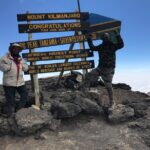
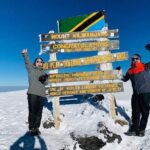
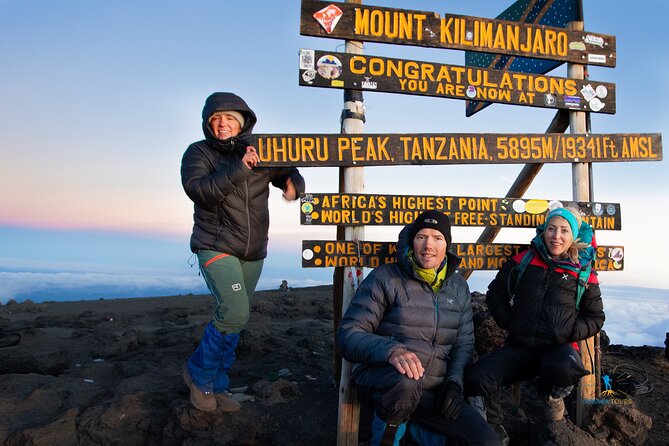
This is the big one. You depart Barafu in the early hours, reach Uhuru Peak (19,340 ft), then descend to Mweka Camp. Plan on 14 to 16 hours.
Summit morning is usually cold and slow. Even strong hikers feel the time drag. Your success depends on consistent pacing, good hydration habits, and a calm mind when your legs feel like they are negotiating.
Then comes the descent to Mweka. The downhill is work too, just different work. Your knees and quads do not get a pass.
Practical tip: once you start moving down, focus on steady breathing and controlled steps. The mountain is tiring, and mistakes usually happen when you get mentally rushed.
Day 9: Mweka descent to Mweka Gate, then Moshi transfer
You descend from Mweka Camp to Mweka Gate, then transfer back for hotel time or overnight stay. This is a recovery day. It is also your last chance to say thank you to the crew and absorb what happened.
This day feels good, but it still requires attention. Fatigue can make your footing sloppy.
Day 10: Airport drop-off
You get airport drop-off to close out the trip. After a summit, you’ll likely feel surprisingly emotional on the way out. Plan for travel naps and lighter meals.
How the inclusions affect your odds (and how the exclusions can surprise you)
This tour includes a lot that impacts safety and comfort:
- Park fees, rescue, and camping fees are covered
- 3 meals daily while you’re on the mountain
- JRO pick-up and drop-off, plus ground transport
- Tented accommodation and dining setup
- Warm sleeping mats
- Emergency oxygen and medical kit
- Two daily oximeter health checks
- Certified Wilderness First Responder guides
That is a strong value package because Kilimanjaro costs are not only the hike. They’re also the logistics behind it: tents, staffing, and the rules of the park.
What you must handle yourself
The main exclusions are travel insurance and mountaineering insurance (highly recommended), visa fee, airfare, hotel lunch and dinner, tips for staff, and your personal equipment like sleeping bag and hiking boots.
This can bite people who assume the mountain package covers all gear. It doesn’t. Bring the right boots and a proper sleeping bag, and check fit and condition before you arrive.
Also, tips are not included. If you care about fair wages, you’ll still want to budget a tip amount for the team at the end.
Price check: is $3,450 good value for an 8-day Lemosho climb?
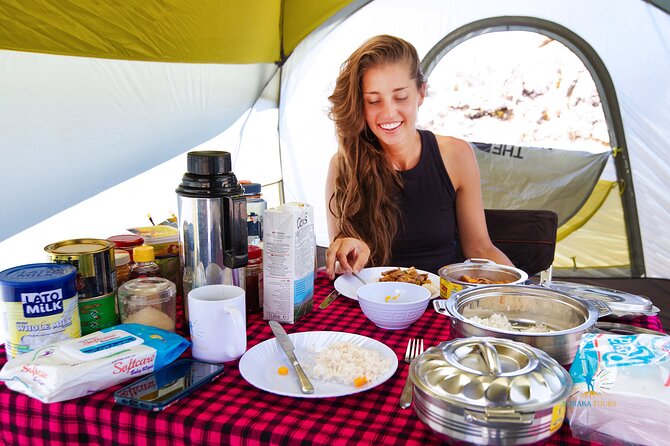
At $3,450 per person, this is not a budget trip. But Kilimanjaro is also not a barebones commodity. You are paying for a full staffing system: guides, porters, a chef, tents, meals, daily monitoring, and safety gear like emergency oxygen.
When you compare the inclusions, the value case gets clearer. Many cheaper options quietly shift costs to park fees, emergency readiness, or basic camping support. Here, park fees and rescue/camping fees are included, and the camp setup is more than a pile of blankets.
You’re also getting a private tour/activity, meaning only your group participates. That can matter if you want a more controlled experience and fewer moving parts with strangers.
The biggest price risk is if you’re not ready for the physical demand. If your fitness is weak, you can spend money and still struggle. This route asks for a strong physical base.
Who this trek suits best (and who should think twice)
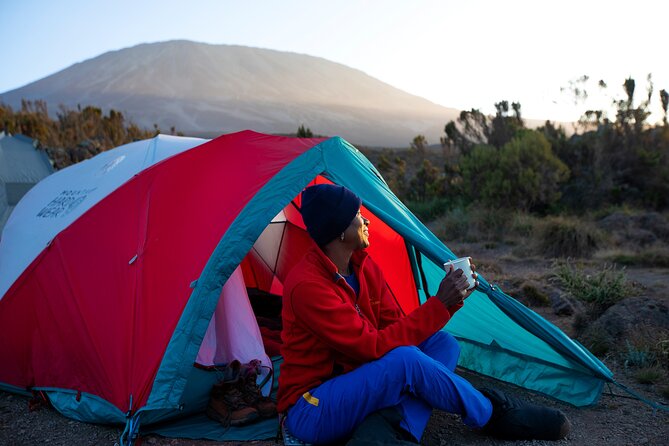
This climb is a great fit if you want:
- Structured acclimatization through changes in elevation and sleep strategy
- A safety-first team with oximeter checks and Wilderness First Responder certification
- Porters and chef support so you can keep your focus on walking and recovery
- Camp comfort beyond bare minimum, with proper dining setup
It may be a tougher fit if:
- You are likely to ignore pacing and push through symptoms
- You don’t plan for cold nights and long summit hours
- You’re not ready to bring key personal gear (sleep system and boots are on you)
If you’re traveling solo, the trek still works because the crew structure is strong. The tour is private to your group, but you’re still moving through a shared experience on the mountain.
Final call: should you book this 8 Day Kilimanjaro Trek via Lemosho?
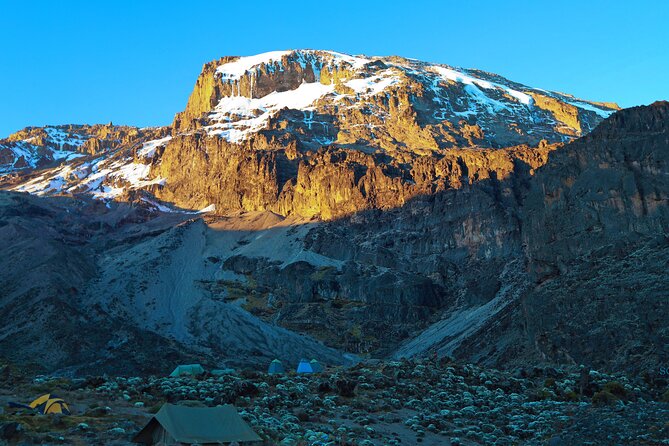
I’d book it if you care about safety systems, well-run food and camp support, and a route that respects acclimatization. The combination of certified Wilderness First Responder guides, daily oximeter checks, emergency oxygen, and a team that handles the heavy stuff is exactly what you want when the mountain gets serious.
I’d think twice if you are not prepared to train for the long summit day (14 to 16 hours) or if you plan to cut corners on personal gear like a sleeping bag and boots. Also, budget for insurance and staff tips since they are not included.
If you want the calmer-feeling Lemosho experience with a crew that treats the whole trip like a real operation, this one looks like a strong match.
FAQ
How long is the Kilimanjaro trek on this route?
The trek is described as an 8-day Kilimanjaro trek via the Lemosho route, and the overall tour duration is about 10 days including arrival and airport drop-off.
What route does this trek use?
It uses the Lemosho route, starting at Lemosho Gate and going through camps including Mti Mkubwa, Shira 1, Shira 2, Barranco, Karanga, Barafu, and Mweka, with a summit attempt on Uhuru Peak.
What meals are included during the climb?
Three freshly prepared meals are included each day on the mountain.
Does the tour include airport transport?
Yes. There is a JRO (Kilimanjaro International Airport) pick-up and drop-off service, plus all ground transportation.
What dietary needs can the crew accommodate?
The trek can accommodate vegetarians, gluten-free diets, halal, and kosher meal plans.
What should I bring or pay for that is not included?
Not included are visa fees, alcoholic beverages, hotel lunch and dinner, airfare, travel and mountaineering insurance, tips for the mountain staff, and personal climbing equipment like sleeping bags and hiking boots.