REVIEW · POKHARA
Annapurna: 2 Days Poon Hill Trek from Pokhara
Book on Viator →Operated by Couch Adventure Nepal (CAN) · Bookable on Viator
Sunrise at 3,210 meters is the point. This 2-day Poon Hill trek from Pokhara is built around the big early-morning payoff over the Annapurna range, with stops that make the effort feel worth it. I love the sunrise focus at Poon Hill and the 4WD jeep transfer that saves you from a lot of rough road time. The only real drawback is the timing and the stairs: you start hiking early and you’ll climb hundreds of steps on Day 1, so moderate fitness helps.
What makes this trip feel smooth is the package. You get an English-speaking trekking guide, guest house accommodation, round-trip jeep transport, and the needed paperwork (TIMS and a trekking permit). Guides I’ve heard named in this route include Biru and Amrit, both praised for calm pacing and clear communication, which matters a lot when the schedule is tight and the trail is steep.
In This Review
- Key things that make this 2 days to Poon Hill work
- Why Poon Hill is the classic 2-day Annapurna trek from Pokhara
- Getting moving from Pokhara: the 8am start and the 4WD jeep ride
- Day 1: stair-climbing through rhododendron forests to Ghorepani
- Day 2 at 4am: the climb to Poon Hill and the sunrise payoff
- Guides and pacing: Biru and Amrit set the tone on this tight schedule
- Price and value: what you’re paying for in this $230 trek
- Logistics you should plan around: fitness, stairs, and weather
- Who should book this Poon Hill trek (and who might not)
- Should you book Couch Adventure Nepal for a 2-day Poon Hill trek?
- FAQ
- What’s the main highlight of the Annapurna 2-day Poon Hill trek?
- Is pickup from Pokhara included?
- How do permits work for this trek?
- Where do you stay overnight?
- Are meals included?
- What happens if the weather is bad?
Key things that make this 2 days to Poon Hill work
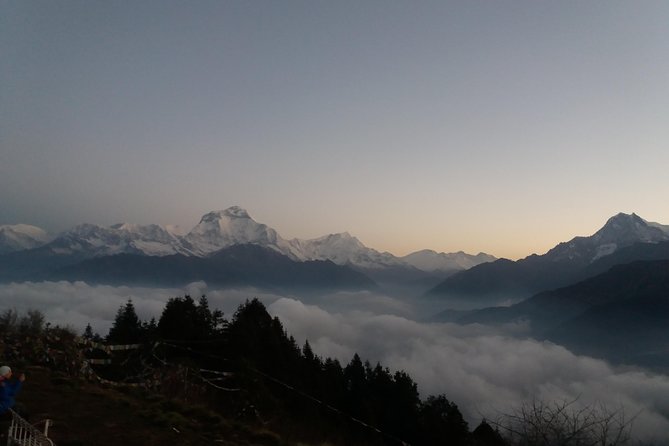
- Poon Hill sunrise at 3,210 meters with a very early start (about 4am)
- Day 1 stair climbing through rhododendron forests with hundreds of steps
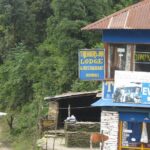
- Ghorepani stay in a guest house so you’re not rushing late into the night
- Guide pacing that adapts to your group (Amrit walked gently behind the last person to match pace)
- Value-packed inclusions for the short duration: permits, guide, jeep, and transfers are included
Why Poon Hill is the classic 2-day Annapurna trek from Pokhara
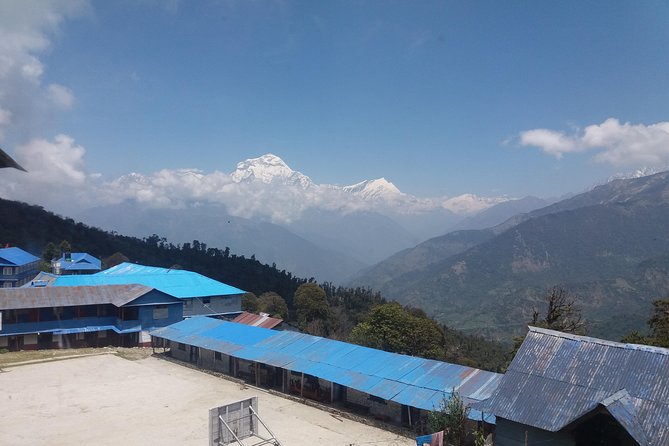
If you want Annapurna views but you do not have a week to spare, Poon Hill is the usual answer. It’s famous because you go high enough to get a strong sunrise angle, and it’s close enough to do in a short push from Pokhara. You’re not dealing with glacier country or complicated logistics for days on end; instead, you focus on one clear goal across two days: climb, sleep in Ghorepani, then hike up again for sunrise.
This trek is also a good “taste” of the Annapurna foothills. You’ll move through mountain villages and forested sections while keeping the total elevation gain manageable compared to longer treks. One practical upside of doing it in two days is that you can plan around weather and energy. If you’re only trekking for a weekend, you can be picky about rest, packing, and your hiking pace.
The trade-off is that short treks can still feel intense. You’re hiking early, you’re walking a lot of steps, and you’ll want to keep your effort steady rather than sprinting uphill.
You can also read our reviews of more tours and experiences in Pokhara.
Getting moving from Pokhara: the 8am start and the 4WD jeep ride
Your day typically begins around 8am with hotel pickup in Pokhara and a private vehicle transfer toward the trailhead area. Then you switch to a 4WD jeep ride (about 3 hours) heading to Tirkhedhunga, via Nayapul. That jeep segment matters because the Annapurna region roads are not designed for quick, comfortable transfers the way you might expect in some countries. By taking the jeep, you start the trek after a lot of the bumpy travel is already done.
There’s also a listed early stop at Ghorepani Community hospital. The exact purpose is not described in the details you provided, but in practice this kind of stop usually functions as a pickup/meeting checkpoint or a quick administrative/logistical moment before you roll out to the trekking area.
The bigger point: you’re not figuring out transit yourself. Everything is arranged as part of the package, including round-trip jeep transport and private transfers. For a two-day trek, that’s a big deal. It keeps the schedule predictable and reduces the risk of delays derailing your sunrise plan on Day 2.
Day 1: stair-climbing through rhododendron forests to Ghorepani
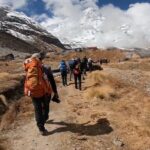
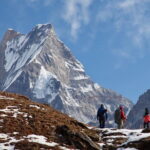
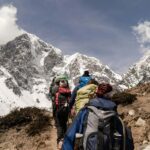
Once you reach Tirkhedhunga, the hike begins with a climb that’s described as involving hundreds of stairs. Expect steep segments, frequent step-ups, and a rhythm that feels a bit like it’s measuring progress in “steps,” not “miles.” You’ll also be moving through rhododendron forests, which is one of the reasons this trek feels more than just a workout. Even when you’re tired, the trail has moments where the scenery and the forest setting keep your brain engaged.
Along the way, you’ll pass through sections that feel like mountain village life rather than isolated wilderness. That’s part of why Poon Hill works so well as a first Annapurna experience for many people: you get trail time without a long period of feeling disconnected.
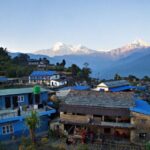
By the end of Day 1, you reach Ghorepani, where the package includes guest house accommodation. This matters because it positions you for an early start the next morning. A lot of treks fail on Day 2 simply because people try to sleep too far away from the sunrise path.
A practical note: while the trek is short, you should treat it like a real hike. Wear footwear that can handle stair pressure and uneven stone. And if your group includes slower hikers, tell your guide early. The guide can pace the climb so no one falls behind.
Day 2 at 4am: the climb to Poon Hill and the sunrise payoff
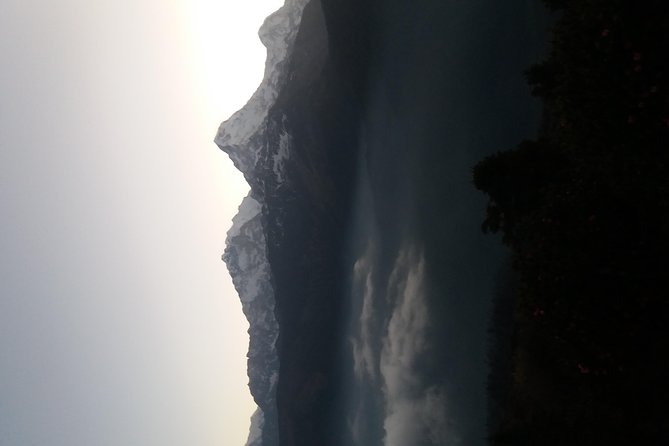
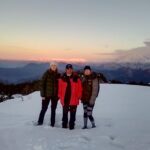
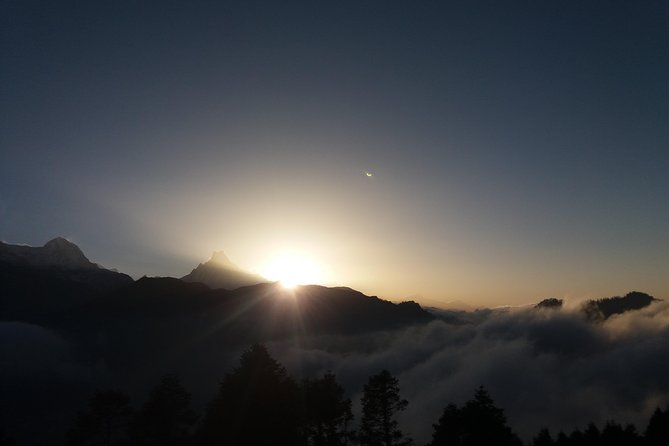
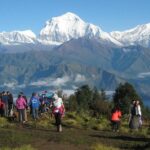
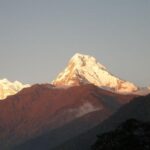
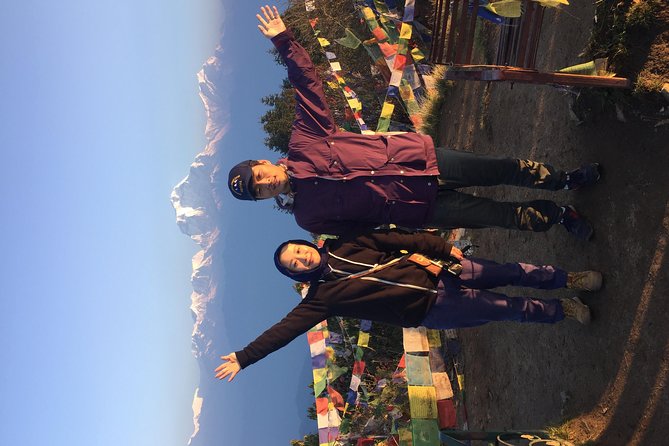
Day 2 starts about 4am. You’ll hike up toward Poon Hill (3,210 meters) to enjoy sunrise over the Annapurna area. This is the heart of the trek, and it’s why the schedule is built the way it is. The early start isn’t optional if you want the main view window.
When you reach the top, you’ll spend time at the viewpoint before heading back down. The details don’t spell out exact minutes at the summit, but the idea is clear: give yourself time to see sunrise settle in and to enjoy the view without rushing everyone out the door.
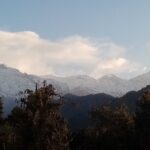
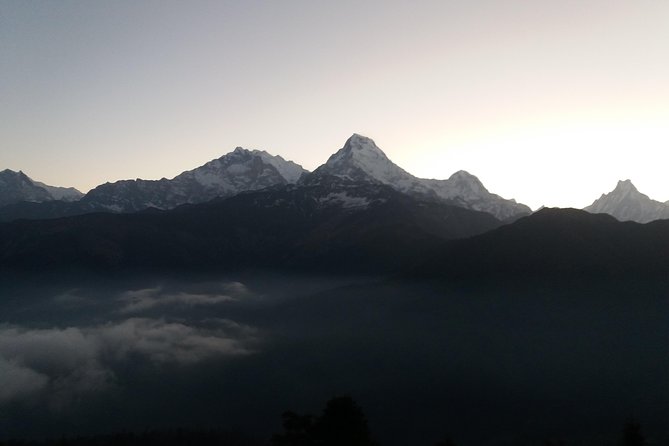
From what’s described, you’ll come back to Ghorepani and continue descending from there. One review detail you might care about: people specifically mention sunrise views across both the Annapurna and Dhaulagiri ranges. That helps explain why Poon Hill is so well known. It’s not only about one peak; it’s about the wider sunrise spread you can see from that elevation.
Because this day is timed around sunrise, your best move is to keep your energy steady. Don’t burn out immediately on the uphill. Let your breathing settle, and trust the guide to keep the pace appropriate for the group.
Guides and pacing: Biru and Amrit set the tone on this tight schedule
The biggest difference between an okay trek and a great one is how the guide manages pace and communication. In the feedback tied to this route, two guide names come up repeatedly: Biru and Amrit.
Biru is described as extremely helpful and patient, with the kind of guidance that helps you feel comfortable even when the schedule is demanding. Amrit gets high marks for being attentive and punctual, plus a specific pacing style: he would walk gently behind the last person, which let hikers set their own speed without feeling pressured.
That kind of pacing is not a small detail. On a stair-heavy Day 1 and a very early Day 2, group climbing needs discipline. If your guide keeps the pace fair, you avoid the common problem where faster hikers surge ahead and slower hikers end up stressed or exhausted.
You’ll also see praise for clear communication and flexible timing around lunch breaks. Meals and drinks are not included in the package, but having lunch timing handled in a practical way by the guide can still make a big difference in how the day feels.
Price and value: what you’re paying for in this $230 trek
At $230 for about 2 days, the value comes from the “real costs” that can be annoying to line up yourself: transport, permits, guide support, and lodging.
Here’s what’s included:
- Guest house accommodation
- English-speaking trekking guide
- Round-trip 4WD jeep
- Private vehicle transfer
- Trekking permit and TIMS card
- A private trip format (your group)
And here’s what is not included:
- All meals and drinks (you buy them)
- Rescue cost in an emergency
- Gratitude (optional)
When meals are not included, you should plan a small daily budget for food and drinks. On a trek, that part can add up fast if you skip budgeting and just buy whatever looks tempting. But the upside is you have control over what you eat and where.
Rescue cost not being included is normal for many treks, but it is still worth noting. If you’re going to any mountain activity, think about travel insurance that includes emergency evacuation.
So is $230 “cheap”? It depends on your baseline. If you compare it to DIY trekking in Nepal, the bundled permits + guide + jeep + lodging is the value. For most people doing a short trek from Pokhara, the setup is what makes the price feel fair.
Logistics you should plan around: fitness, stairs, and weather
This trek is designed for people with moderate physical fitness. That sounds vague, but the trail description gives you the clue: hundreds of stairs on Day 1, plus an early push to altitude on Day 2. You don’t need to be a marathon runner, but you should be ready for repeated step climbs and a long walk day.
Weather is another factor. This experience requires good weather. If conditions are poor, the trip can be canceled and you’re offered a different date or a full refund. Translation: do not book this as a rigid “nothing can change” plan. Build in flexibility.
One more “logistics reality” point: the trek starts very early on Day 2 (around 4am). Even if sunrise is the goal, your body has to shift to that schedule fast. If sleep is hard for you, bring your own strategy for getting ready quickly and sleeping early the night before.
Who should book this Poon Hill trek (and who might not)
This is a great fit for:
- First-time Annapurna trekkers who want a clear sunrise reward
- People who want a short itinerary that still feels like a real trek
- Families and groups who benefit from a private guide and predictable transport
- Anyone who likes the idea of a tight schedule handled for them: permits, jeep, lodging, and route support are organized
It might be a rough fit if:
- You hate very early starts
- You have difficulty with stairs and steep steps
- You’re not comfortable with altitude hiking at a viewpoint elevation around 3,210 meters
- You need a totally flexible pace. The route is timed for sunrise, so the plan can’t slow down too much without affecting the main moment
Should you book Couch Adventure Nepal for a 2-day Poon Hill trek?
If you want a straightforward, well-organized way to reach Poon Hill in two days, I think this setup makes sense. You’re paying for the parts that tend to get messy on short treks: transport from Pokhara, the right paperwork (TIMS and a trekking permit), an English-speaking guide, and guest house lodging in Ghorepani.
The guide notes are the deciding factor. When guides like Biru and Amrit are praised for punctuality, patience, and pacing that respects slower hikers, that’s the difference between a trek that feels stressful and one that feels manageable.
My practical recommendation: book it if you can handle early mornings and stair climbs, and if you’ll stay flexible with weather. Pass if you want a slow sightseeing walk with no steep effort. On Poon Hill, you hike for the sunrise, and the rest follows from that goal.
FAQ
What’s the main highlight of the Annapurna 2-day Poon Hill trek?
The main highlight is hiking to Poon Hill (3,210 meters) to watch sunrise over the Annapurna range.
Is pickup from Pokhara included?
Yes. Pickup is offered, and the experience includes transfers by private vehicle.
How do permits work for this trek?
Trekking permits and a TIMS card are included in the tour package.
Where do you stay overnight?
Accommodation in a guest house is included.
Are meals included?
No. All meals and drinks are not included, though they’re available for purchase during the trek.
What happens if the weather is bad?
If the experience is canceled due to poor weather, you’ll be offered a different date or a full refund.