REVIEW · INDONESIA
From Bali : The Majestic Mount Ijen Sunrise Trekking
Book on GetYourGuide →Operated by Bali Exploring Tours · Bookable on GetYourGuide
Ijen at sunrise sounds like a movie scene, until you see it. This one-day Bali-to-Java trip aims at the Kawah Ijen crater: blue flame from volcanic gases, a sulfur lake, and a guided hike in the dark with a proper plan.
What I like most is the mix of overnight travel structure and on-the-ground guide help, so you’re not just dropped at a trailhead. I also like that you get the right gear up front—gas mask and a flashlight—for a place that punishes shortcuts. One watch-out: the schedule is intense, with an early start for the hike and a long return day, so you’ll want to protect your energy before you even leave Bali.
In This Review
- Key things you should care about
- Why Kawah Ijen’s Blue Flame Feels Like Another Planet
- The Bali-to-Java Overnight Plan: Long, Not Random
- Gilimanuk Ferry Time: Use It for Breathing Room
- Paltuding Base Area at 2:00 AM: Gear, Briefing, Then Focus
- What the Night Hike Really Feels Like (and Why Your Pace Matters)
- Sulfur Lake and Miners: The Most Human Part of the Crater
- The Blue Flames and Sunrise Timing: Why Guides Matter
- Price and Logistics: Is $133 Good Value?
- What’s Included (and What You’ll Want to Bring)
- Know Before You Go: Jewelry, Health Certificate, and Monthly Closure
- The Return Trip: Getting Back to Bali Without Losing Your Day
- Who This Bali to Ijen Sunrise Trek Suits Best
- Should You Book This Bali-to-Ijen Sunrise Trek?
- FAQ
- What time does the Ijen hiking start?
- What’s the route from Bali to Ijen?
- What’s included in the tour price?
- Do I need a health certificate for Ijen?
- Are meals included?
- When is the Ijen activity closed?
Key things you should care about
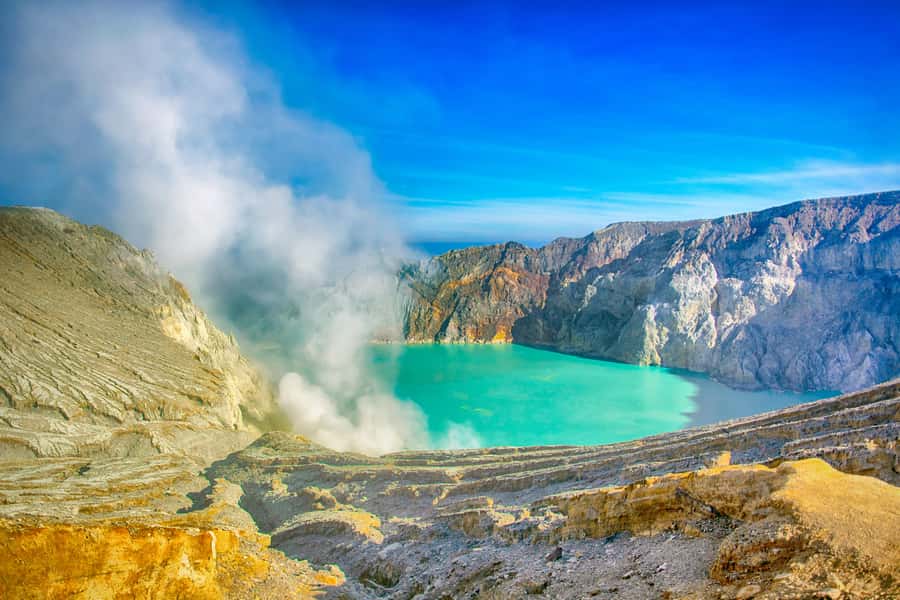
- Blue flame at Kawah Ijen: the rare volcanic glow you came for, tied to exact timing and good guidance
- Overnight logistics: late-evening pickup, ferry crossings, and a night hike start around 2:00 AM
- Real sulfur work nearby: you’ll see miners extracting sulfur at the crater
- Safety gear included: gas mask and flashlight are part of the package
- Guide-led sunrise hunt: you’re brought to a strong viewing spot for the sun over Ijen
- One big constraint: the trek is closed on the first Friday of each month
Why Kawah Ijen’s Blue Flame Feels Like Another Planet
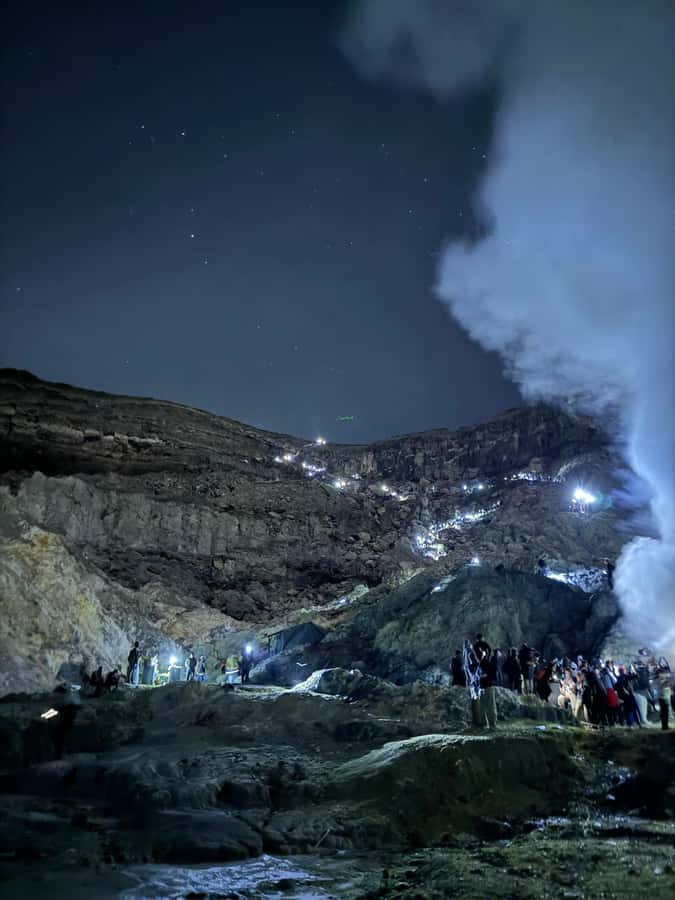
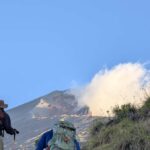
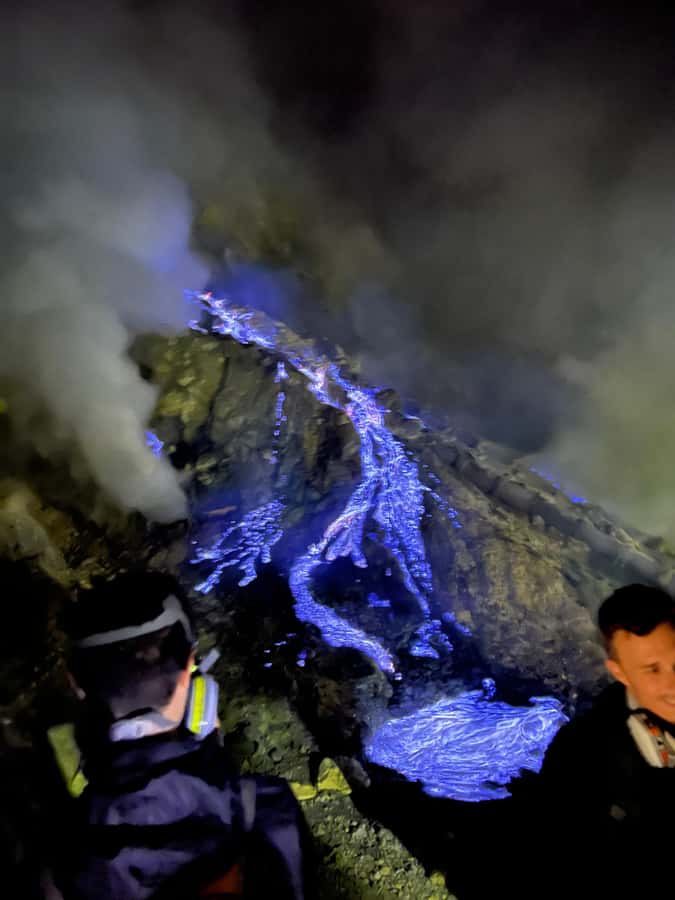
If you only know Mount Ijen from photos, prepare to adjust your expectations fast. The famous sight here is the blue flame, produced when volcanic gases burn near the sulfur area. It’s not a campfire trick. It’s a chemical and volcanic thing you witness with your own eyes, and it looks eerie—almost too clean to be real.
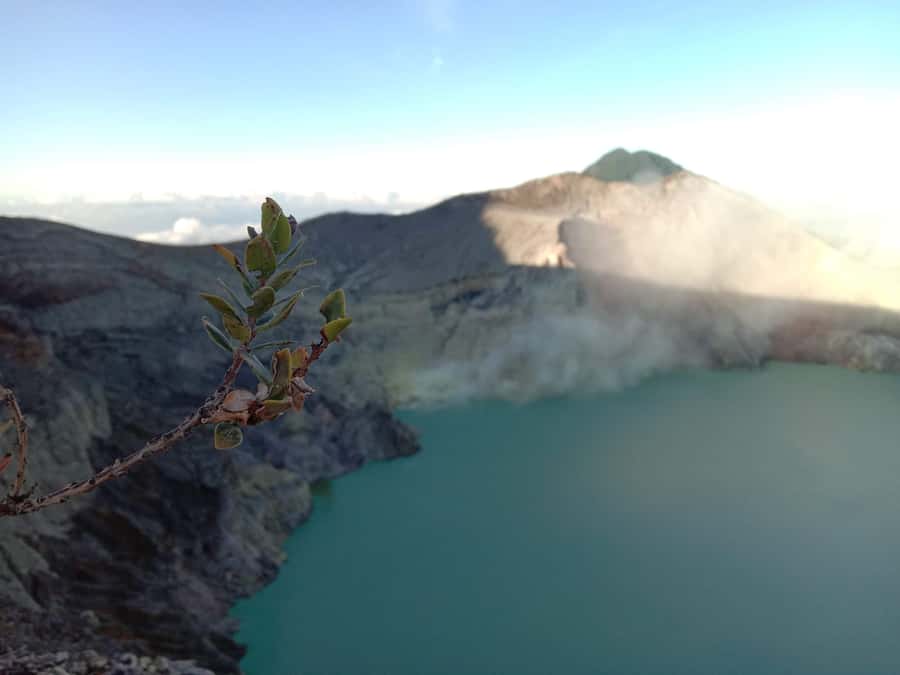
On top of that, the crater area includes a sulfur lake. The smell and the color cues are part of the reality check. This is why the trip includes a gas mask. It’s not “nice to have.” It’s practical.
The other reason Ijen hits hard is the human factor. You’ll be walking in the same general space where miners work to pull sulfur from the crater. That turns the experience from sightseeing into something more grounded and real—hard work against a harsh environment.
You can also read our reviews of more tours and experiences in Indonesia.
The Bali-to-Java Overnight Plan: Long, Not Random
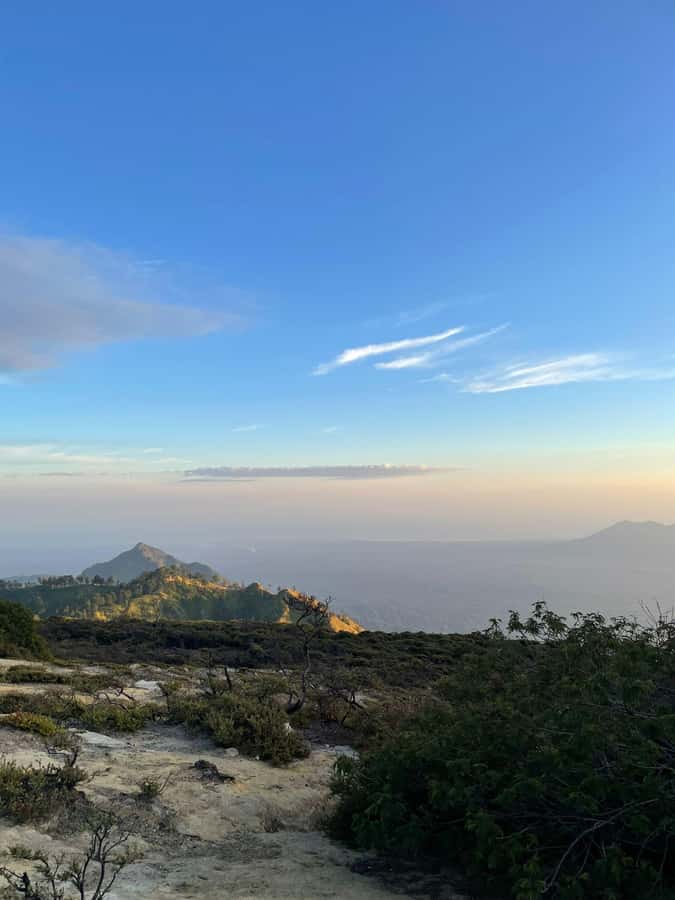
This tour is built around one core idea: you need night travel to reach Ijen before sunrise. Pickup typically starts in Bali from 6:00 PM to 9:30 PM, depending on your area. For example, Ubud often gets a 7:00 PM pickup, while Uluwatu can be 6:00 PM, and Lovina can be 9:30 PM. After pickup, your driver heads toward the ferry route.
You cross from Gilimanuk (Bali) to Ketapang (East Java) by ferry, then continue toward the Ijen start point. The hike doesn’t start when you arrive casually. It starts at roughly 2:00 AM, so you’ll want to treat the first part of the day as “transport + rest attempts,” not sightseeing.
What helps is having a private driver and an English-speaking guide who stays with you for the tour. It matters because you’re operating in a low-light, high-effort window. Clear direction is the difference between feeling focused and feeling stressed.
Gilimanuk Ferry Time: Use It for Breathing Room
The ferry crossing is about 1 hour each way. That’s long enough for you to reset, but short enough that you won’t lose momentum. You’ll also have a free time stop at Pelabuhan Gilimanuk before the crossing.
Here’s how I’d use that window: sit somewhere you can comfortably watch the process, drink water, and do a gear check early. Make sure your shoes are tied, your flashlight is within reach, and your mask is where you can grab it without fumbling.
This is also a good time to think about your body. The Ijen trek is not a gentle walk. You’re hiking at night, and then you’ll be up for sunrise. If you walk into it already drained, the crater route feels steeper.
Paltuding Base Area at 2:00 AM: Gear, Briefing, Then Focus
Your climb starts from the Ijen area around 2:00 AM, after reaching Bumi Perkemahan Paltuding. At the base area you get coffee and tea, plus a safety briefing.
Coffee/tea is not a fancy perk here. It’s fuel for a very early, very physical start. You’ll also go through the practical “what to do on the trail” talk. Expect your guide to emphasize safety around wind, footing, and handling the mask.
Since the tour includes gas mask and flashlight, you’re not stuck improvising. Still, bring your own basic common sense: keep your hands free, keep your headlamp/flashlight secure, and avoid rushing just because other people are moving.
Also know this spot has strict rules. Pets are not allowed, and alcohol and drugs are not allowed. Jewelry is also off-limits—more on that next.
What the Night Hike Really Feels Like (and Why Your Pace Matters)
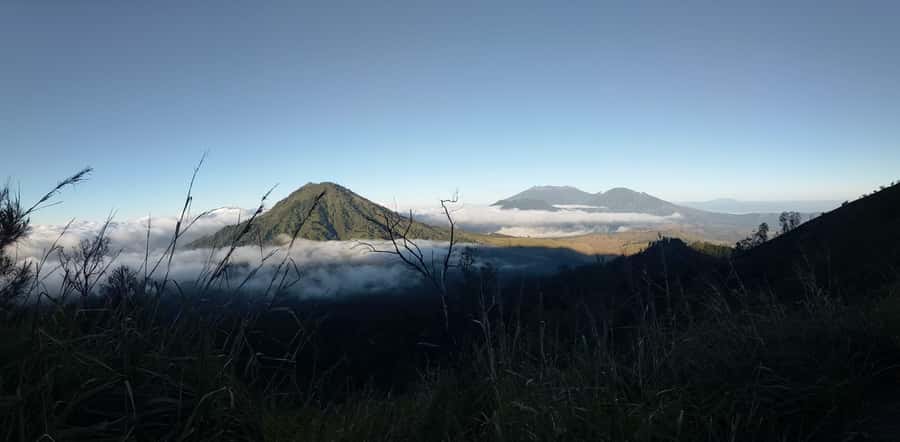
The main hiking portion is built for darkness. You’ll hike for about 6 hours, with guided support throughout. You’ll get scenic views on the way, but the bigger point is logistics: the guide helps you move efficiently without turning the trek into chaos.
This is where guide quality shows. One guide named Mufi was praised for being a good communicator and fun to hike with, and another named Mufidah was credited with keeping the climb safe and motivated. Rohim was also described as very helpful. The common thread: you want someone who manages pace and checks that you’re not alone or slipping behind.
At night, the trail can feel longer than it is. I focus on rhythm: short steps, steady breathing, and stopping briefly when your legs start to protest. Don’t “power walk” to catch up. If you burn energy early, sunrise arrives and you’ll feel it in your legs.
And if you really want to reduce the foot effort, there is an option locals use to skip the tiresome part: a Troly Taxi is available for an additional fee. That won’t change the fact you’ll still be outdoors and moving early, but it can help you match the trip to your comfort level.
Sulfur Lake and Miners: The Most Human Part of the Crater
The crater isn’t just a view. It’s an active industrial site for local sulfur miners who extract sulfur from the crater area. Seeing that work up close changes the atmosphere immediately.
The guide usually helps you manage where you stand and how you time your exposure to the sulfur zone. You’ll want to use the gas mask when you’re in the relevant areas, not as an optional accessory.
You’ll also learn about the volcanic setting and what you’re seeing. People praised guides for explaining curiosities of the volcano and for keeping everyone safe during the descent toward the crater area. Nunu is one example that stood out for guiding people quickly on the ascent, watching out during the descent to reach the blue flames, then directing everyone to the best sunrise spot.
That sequence matters. If you rush, you can miss the optimal positioning for the blue flame. If you wander, you can end up not seeing what you came for.
The Blue Flames and Sunrise Timing: Why Guides Matter
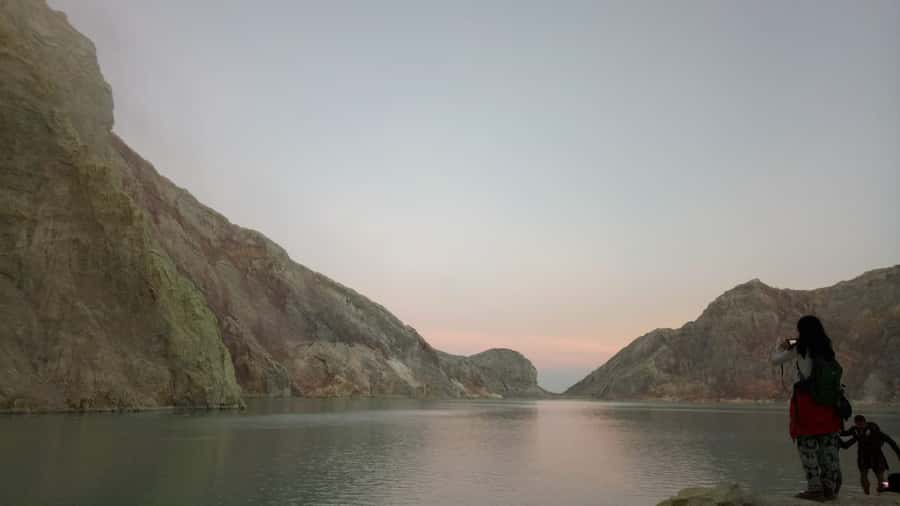
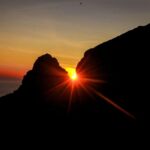
The “big moment” is the blue flame itself, tied to volcanic gases and the timing of your approach. The second big moment is sunrise over Kawah Ijen once you arrive at the right viewing area.
This is where the structure of the trip shines. You’re not just hiking upward and hoping for the best. Your guide plans the movement so you’re in the right place when conditions are most favorable.
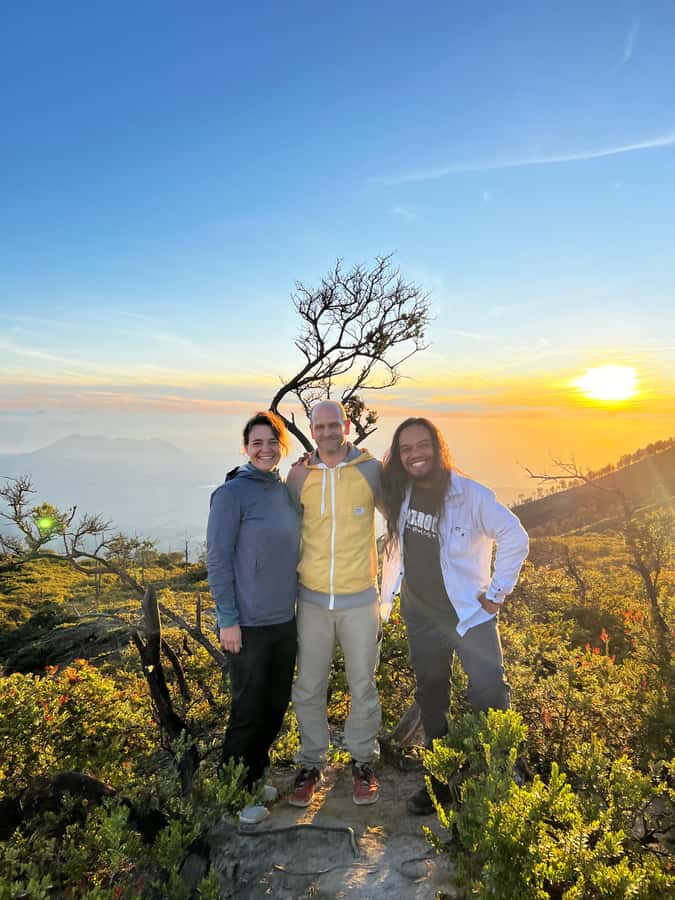
One of the clearest signals from the accounts is that the guide doesn’t stop at the crater. Nunu was praised for taking people to a top sunrise viewing spot and for making sure the group’s experience is captured with photos and videos, including a self-made compilation afterward. Even without that kind of extra effort, the practical value is the same: you want someone who knows where to stand and how to get you there in time.
Be ready for cold. It’s early, you’re on a slope, and you’re moving in darkness. Layers matter more than style.
Price and Logistics: Is $133 Good Value?
The price listed is $133 per person for a 1-day experience. What you’re really paying for is the full chain: late-evening pickup, overnight driver transport, two ferry crossings (about 1 hour each), the guide who accompanies you, and equipment like the gas mask and flashlight.
You’re also paying for time management. Ijen works on a tight clock, which means you can’t treat it like a casual half-day hike. This is why the overnight transport and the early start are part of the value.
What’s not included is equally important. Lunch and dinner aren’t included, and travel insurance isn’t included. If you’re sensitive to cold or hunger, plan your budget so you’re not scrambling for food during the return.
Also consider the “hidden” cost areas:
- Troly Taxi (only if you choose to skip part of the hike) has an additional fee
- Pickup/drop-off outside coverage can add about $15
- A doctor’s health certificate is required for Ijen activities, and the tour offers a way to get one prepared at €8 per person
If you add these up, the final cost depends on your personal needs. Still, compared to arranging multiple pieces separately (driver + ferry + guide + gear + timed sunrise logistics), $133 looks like a fair package for most people.
What’s Included (and What You’ll Want to Bring)
Included:
- Hotel pick up & drop-off
- Private driver and an English-speaking guide
- Ferry tickets
- Free parking and free highway entrance fee
- Gas mask and flashlight
- A guided hike with scenic stop points and sunrise
Not included:
- Lunch and dinner
- Troly Taxi if you choose it
- Travel insurance
My best advice is to treat the included gear as the minimum. Bring what you know you need for early mornings: warm layers, gloves if you run cold, and water. You’re moving for hours, and you’ll burn energy.
Also, don’t pack anything you’ll regret using around sulfur. Read the next section carefully.
Know Before You Go: Jewelry, Health Certificate, and Monthly Closure
Ijen is strict about safety and chemical exposure.
1) Jewelry rules
Avoid jewelry or accessories made of certain metals, especially gold or silver. Sulfuric conditions can change their color. More than aesthetics, it’s just a practical rule here.
Also note: jewelry is listed as not allowed, along with alcohol and drugs and pets. That means you should leave fragile items at home.
2) Health certificate
For Ijen activities, you need a health certificate from a doctor/clinic/hospital, issued the day before your scheduled activity. If you don’t want to handle paperwork yourself, the tour can prepare one for €8 per person.
3) Monthly closure
The activity is closed on the first Friday of every month due to regular cleansing by local authorities, and it operates normally the next day.
4) Who should skip it
It’s not suitable for:
- Wheelchair users
- People with altitude sickness
- People with high blood pressure
- Babies under 1 year
If any of those apply to you, don’t “try anyway.” This is a demanding hike at night, and the crater area adds extra strain.
The Return Trip: Getting Back to Bali Without Losing Your Day
After the crater experience and sunrise timing, you’ll have break time, then head back by ferry again. The itinerary includes a second 1-hour ferry crossing before drop-off.
Drop-off points include Canggu, Lovina Beach, Kuta, Denpasar, Sanur, Uluwatu Beach, Jimbaran, Munduk, Ubud, and Tabanan. Pickup and drop-off timing depend on your region, so give yourself extra buffer the next day. This tour is intense.
If you’re coming from Ubud or nearby, expect it to feel like a full 24 hours in practice, even if the official duration is listed as 1 day. The travel time is part of the story.
Who This Bali to Ijen Sunrise Trek Suits Best
This trip is best if:
- You want the blue flame and sunrise on Kawah Ijen, not just a general volcano tour
- You’re okay with a night hike and early start
- You value a guide who helps with pace and crater positioning
It may not suit you if:
- You’re sensitive to exertion or cold at night
- You need medical-friendly pacing (high blood pressure and altitude sickness are specifically noted as not suitable)
- You want lots of relaxed downtime during the day
If you’re the type of traveler who likes structure—pickup timing, gear provided, guide guidance—this format should feel reassuring.
Should You Book This Bali-to-Ijen Sunrise Trek?
Book it if you’re chasing the most iconic Ijen experience: blue flames, a sulfur lake, and a guided hike that gets you there before sunrise. The overnight ferry + early start setup is the whole reason this works, and the guide support seems consistently strong, including examples like Nunu, Mufidah, Mufi, Rohim, Komang, Ajik, and Eka being praised for reliability and helping people reach the crater safely.
Skip or reconsider if you can’t meet the health certificate requirement, you’re dealing with high blood pressure or altitude concerns, or you hate early starts. Also, if you want meals handled without thinking, remember lunch and dinner aren’t included, so plan food timing around the day.
If the idea of sulfur gas, cold night hiking, and a sunrise payoff sounds exciting rather than exhausting, this is a strong match.
FAQ
What time does the Ijen hiking start?
Hiking begins at around 2:00 AM after you arrive at the Ijen start point.
What’s the route from Bali to Ijen?
You’re picked up in Bali, then taken to Gilimanuk for the ferry to Ketapang in East Java. After that, you continue to the Ijen start point for the hike, and you take the ferry back again near the end of the day.
What’s included in the tour price?
The tour includes hotel pickup and drop-off, a private driver, an English-speaking guide, ferry tickets, free parking and highway entrance fee, plus gas mask and flashlight.
Do I need a health certificate for Ijen?
Yes. You need a doctor/clinic/hospital health certificate issued the day before your scheduled activity. The tour can help you get one prepared for €8 per person.
Are meals included?
Lunch and dinner are not included. Coffee and tea are provided at the base area before the hike.
When is the Ijen activity closed?
The activity is closed on the first Friday of every month due to regular cleansing by local authorities, and it runs normally again the following day.