REVIEW · INDONESIA
Mount Rinjani Trekking 3Days/2nights Summit Lake Hotspring
Book on GetYourGuide →Operated by Evsi Rinjani · Bookable on GetYourGuide
Mount Rinjani hits hard, then rewards you big. This 3-day hike through Sembalun and Senaru is built around one main moment: a summit sunrise, followed by time at Segara Anak and a hot-spring soak. I especially like the way the day is broken into altitude chunks, not one nonstop grind.
Two things I’d call out fast: the sunrise views from the summit and the team on the ground—your guide and porters do real work, and it matters. The possible downside is the second day: the 2:00 am wake-up and the steep volcanic scree make it the toughest part, even if the pace is managed.
In This Review
- Key things to know before you book
- Where this trek sits in West Nusa Tenggara
- Day 1: Sembalun meadows to the Sembalun crater rim camp
- Day 2: 2:00 am wake-up, 3:00 am summit start, and the Segara Anak reset
- Segara Anak: lake time, swimming, and hot spring bath recovery
- Senaru crater rim: sunset over Bali and volcano smoke views
- Day 3: rainforest descent to Senaru village and your ride onward
- Price and value: what $169 really covers
- What’s included (and how it changes your trip)
- Permits, timing, and group size: the practical logistics
- Guide and porters: why the team matters on Rinjani
- Who should take this 3-day Rinjani summit and hot spring trek
- Should you book this trek?
- FAQ
- How long is the Mount Rinjani trek?
- Where does the trek start and end?
- Is the National Park permit included in the price?
- What time does trekking start on Day 1?
- What time do you start the summit on Day 2?
- What group size is this trek?
- What’s included for meals and water?
Key things to know before you book
- Small group (up to 8): easier to keep your pace and hear what’s going on.
- Crater-rim camping twice: one night high above the caldera, one at Senaru rim with huge sunset angles.
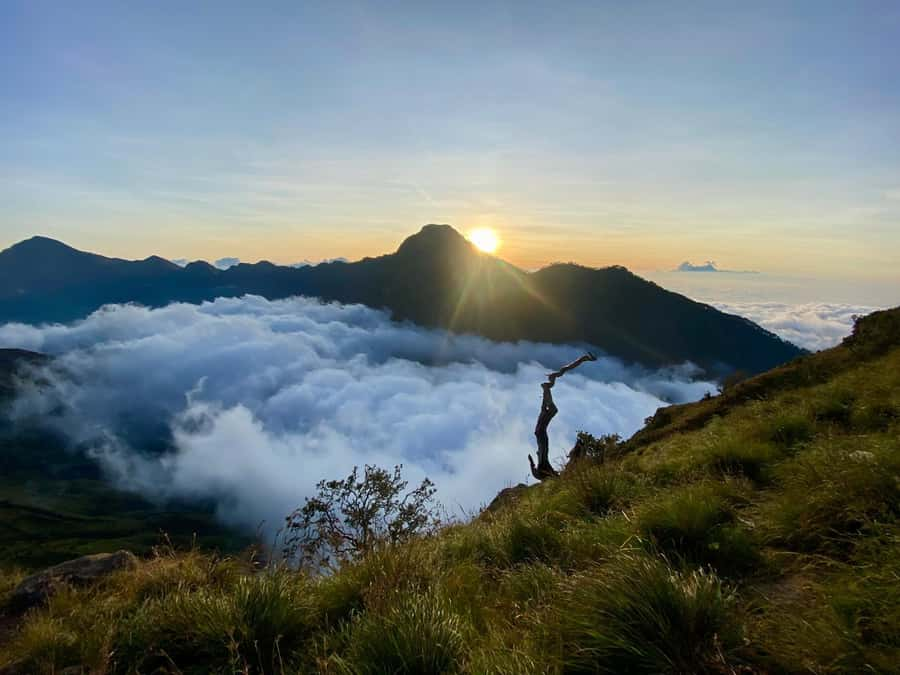
- Summit push around 3:00 am: sunrise at 3,726 m is the whole point.
- Segara Anak hot-spring time: you get a real recovery window, not just a quick stop.
- Water and meals are handled: you’re given 3 liters/day and full meals, including fried banana and fruit.
Where this trek sits in West Nusa Tenggara
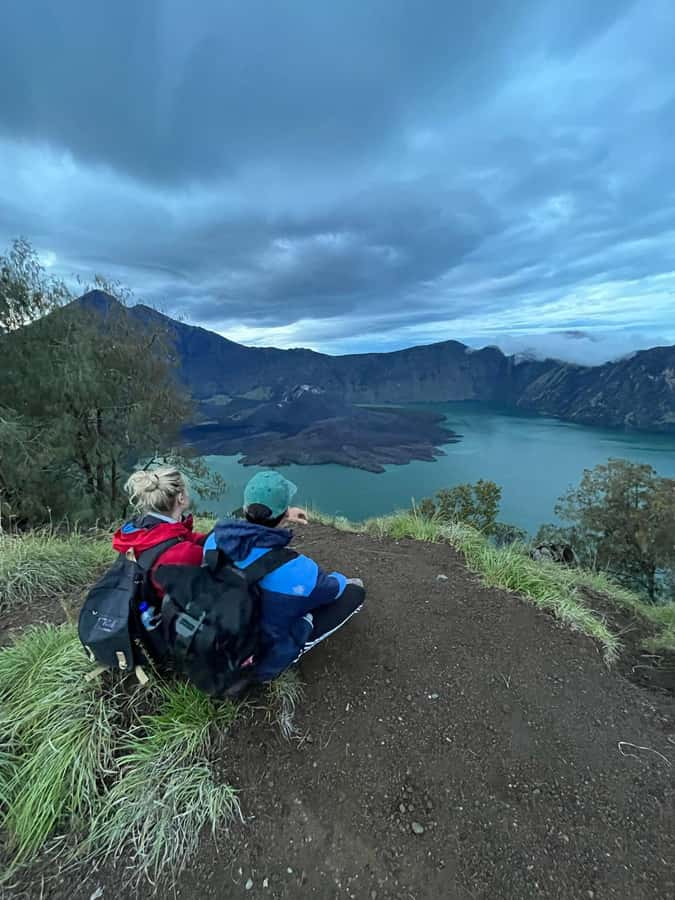
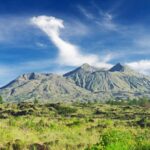
Mount Rinjani is in West Nusa Tenggara, Indonesia, and this route links two classic areas on Lombok: Sembalun at the start and Senaru at the end. That matters because you’re not just “going up and coming back the same way.” You’re crossing volcanic terrain, caldera views, and rainforest on the way down.
The plan also keeps you near the big sights for longer than you’d get on a faster itinerary. You’re camping on the crater rim and spending actual time around Segara Anak, instead of treating them like quick photo stops.
You can also read our reviews of more tours and experiences in Indonesia.
Day 1: Sembalun meadows to the Sembalun crater rim camp
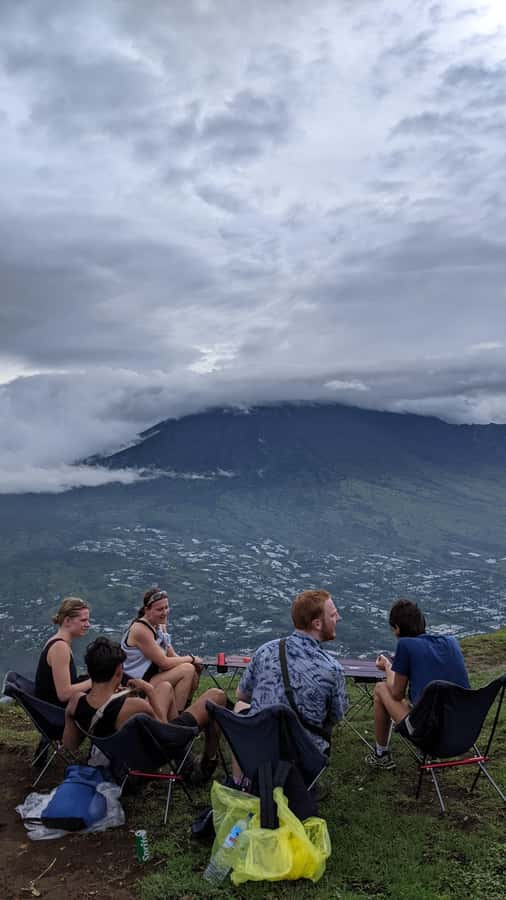
You start with a morning routine and then get out into open air. The day begins with wake-up at 6:00, breakfast, and then a drive to Sembalun (about 1,100 m) where you check in at the Rinjani National Park office before trekking. The trail starts around 8:00 am.
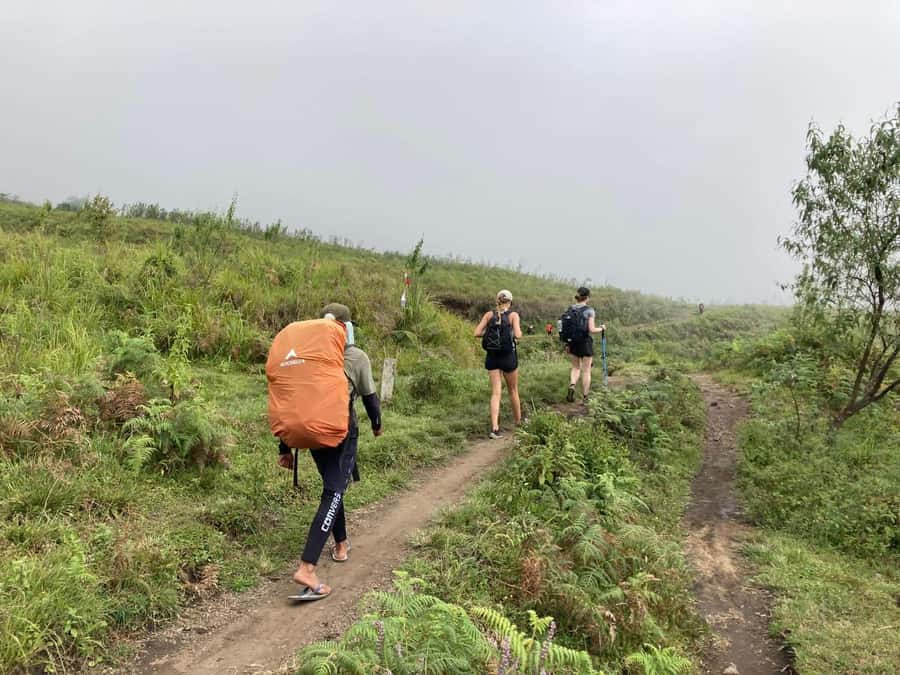
The first walking feels intentionally gentle. You climb through open meadow for about 2 hours to Post 1 (1,300 m), then another 40 minutes to Post 2 (1,500 m). After that, you keep moving to Post 3 (1,800 m) where you stop for lunch. This structure is useful: you warm up gradually, so day two doesn’t hit you cold.
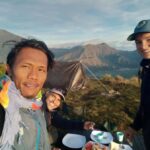
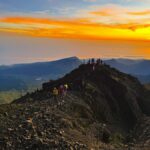
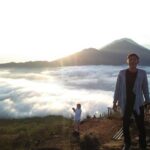
After lunch and some rest, you go for the big elevation moment of the day: the Sembalun crater rim (2,639 m). The climb is steep and longer, around 3 hours including that sustained ascent. You camp on the rim, which is where the day turns scenic in a serious way—this is when you can watch sunrise and sunset from a high volcanic edge.
Why this day is worth it: day one sets your body up for the early summit start tomorrow. It’s not “easy,” but it’s paced so you don’t arrive at crater rim exhaustion with no energy left for the overnight views.
Day 2: 2:00 am wake-up, 3:00 am summit start, and the Segara Anak reset
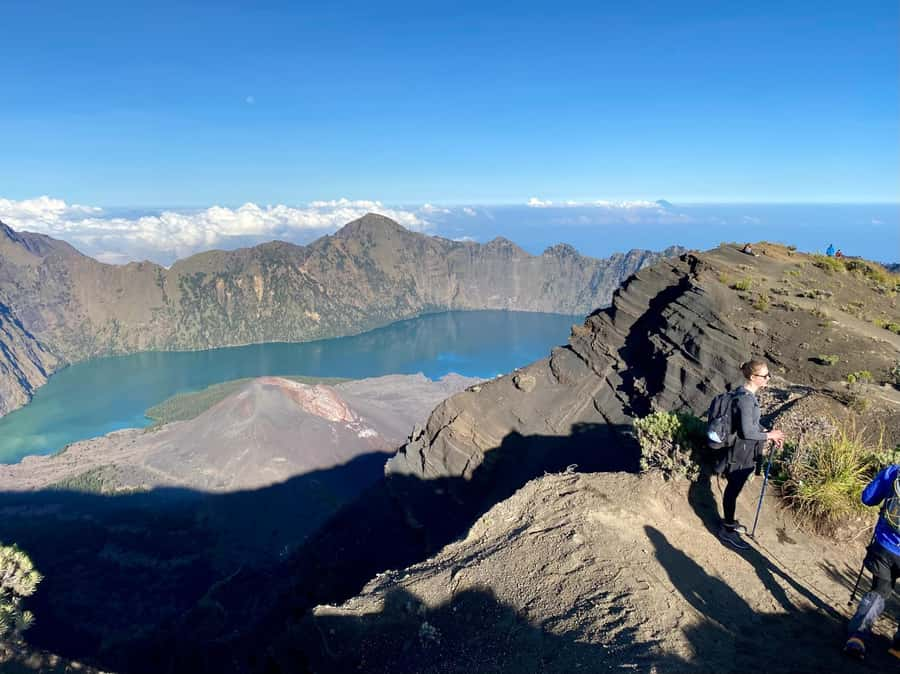
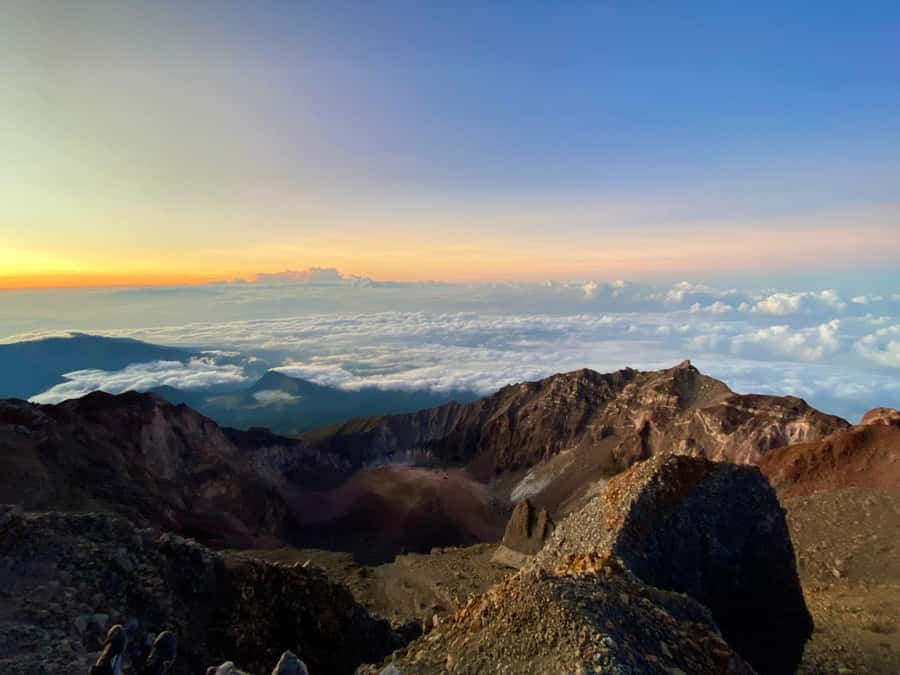
Day two begins in the dark. You wake around 2:00 am with a hot drink and a light breakfast, and you start toward the summit around 3:00 am.
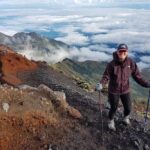
The climb starts moderate, then turns into a fairly easy but longer stretch. The final approach is the part that tests everyone: steep volcanic scree that’s described as loose. This is exactly where your trekking experience and balance matter more than raw speed.
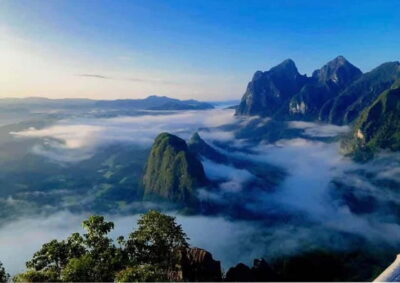
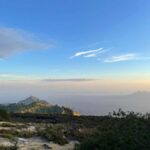
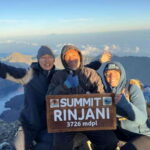
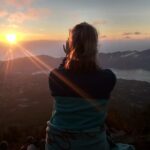
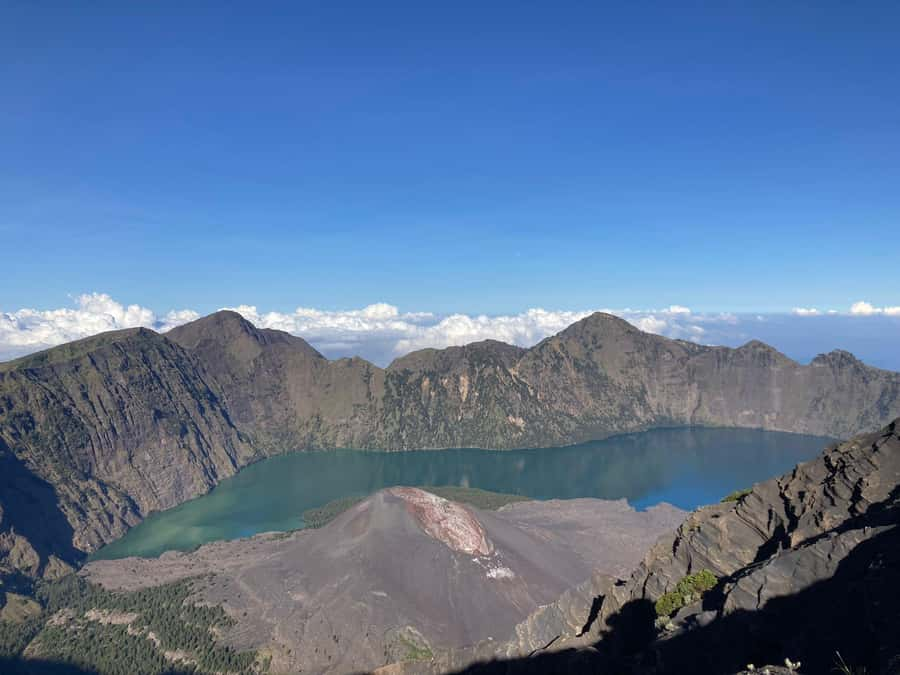
You aim to reach the top at around 6:00 am (summit elevation: 3,726 m). If weather cooperates, you get a sunrise and panoramic views that reach across multiple islands, including Lombok, Bali, and Sumbawa, plus sights toward Segara Anak Lake. Sunrise at that height isn’t just pretty; it helps you mentally lock in for the steep descent after.
Then you drop back quickly—about 2 hours to the Sembalun crater rim, where you have breakfast. After that, you go down toward the lake for about 3 hours to Segara Anak Lake.
Segara Anak: lake time, swimming, and hot spring bath recovery
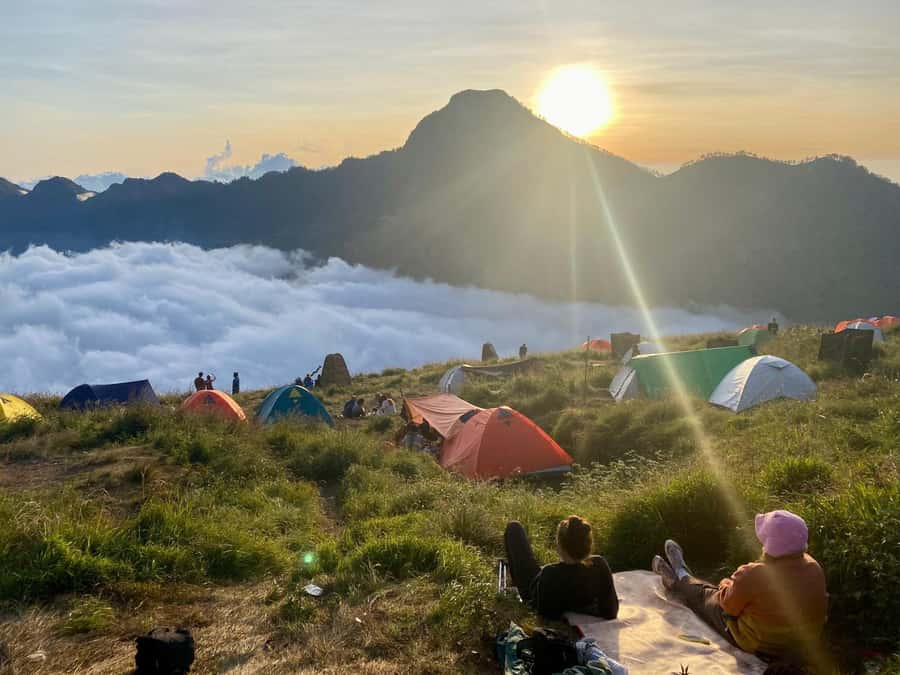
Once you’re at Segara Anak, the pace changes from “climb” to “live.” You stop on the side of the lake to rest, and this is where you can enjoy views and swim in the lake if conditions allow.
The hot-spring bath is the real recovery feature here. You’ll have time for bathing in natural hot water, which is widely known for easing travel aches. Even if you’re not chasing wellness folklore, a warm soak after a summit is practical pain management.
Porters prepare lunch for you around this lake area. That’s a big deal because you don’t have to think about food timing while your legs are still negotiating with gravity.
Senaru crater rim: sunset over Bali and volcano smoke views
After lunch, you leave the lake and trek up to the Senaru crater rim (2,641 m). You camp there for the night.
This is a gorgeous setup for late-day atmosphere. You get a sunset over Mount Agung in Bali, and you may also see smoke from a new volcano at the edge of the lake area. On a clear evening, this is the kind of contrast that makes the summit feel even more real—you’re looking outward while the crater keeps moving quietly in the background.
Day 3: rainforest descent to Senaru village and your ride onward
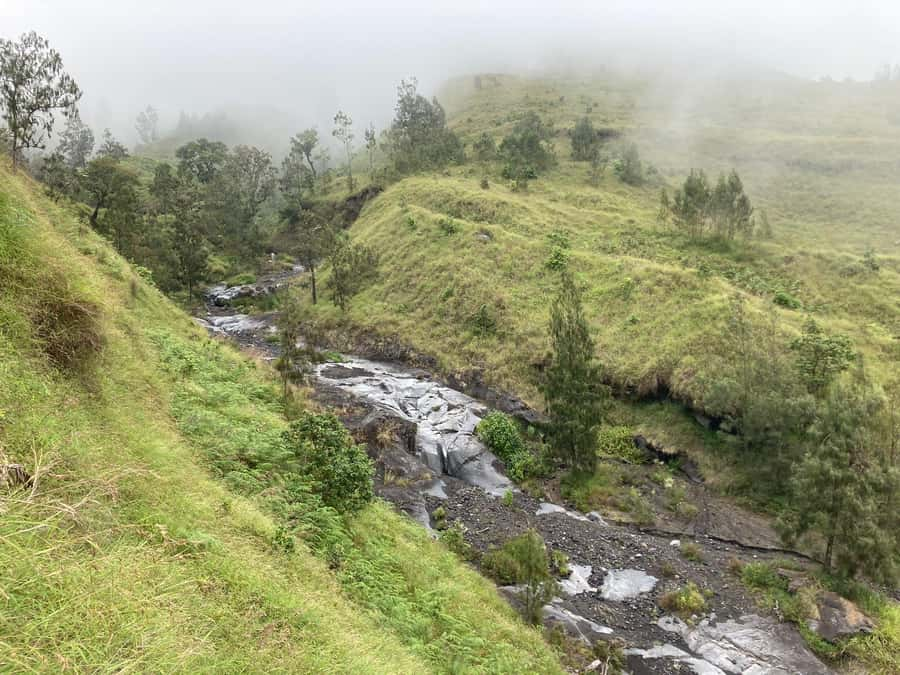
You start day three with breakfast and sunrise again, then begin the descent. This leg goes through rainforest, and the route is designed to get you down to the low point of the trip without another big elevation fight.
You trek for about 5 hours, with lunch along the way. If you’re lucky, you might spot the rare black monkey. That’s never guaranteed on any trail, but it’s worth looking up occasionally rather than staring only at your feet.
At the end, you reach Senaru village (601 m). After you arrive, the car takes you onward to your next destination.
Price and value: what $169 really covers
At $169 per person for the 3-day experience, the value comes from what’s included rather than what’s promised in marketing. The package covers your professional guide and porter, plus the gear needed to sleep out: tent and toilet tent, sleeping bag, and mattress.
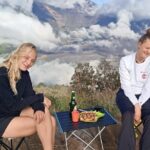
Food is also handled. You get breakfast, lunch, and dinner, plus an appetizer of fried banana and a dessert of fruits. Daily water is included too—3 liters per person per day—which reduces the chance you’ll run short at the most inconvenient moments.
Cooking equipment is provided, so meals happen without you carrying kitchen gear. In short: the cost isn’t only paying for a guide; it’s paying for logistics that would be a hassle to solve on your own in a remote trekking setting.
What’s not included is the permit. The permit ticket to Rinjani National park is listed at IDR 250k/day/person, which you’ll need to budget separately.
What’s included (and how it changes your trip)
Here’s the practical side of the inclusions, the part that makes a difference once you’re tired:
- You’re not sourcing camping equipment: tent, sleeping bag, and mattress are covered.
- You’re not managing meals on your own: breakfast, lunch, and dinner are included, with small extras (fried banana and fruit).
- You’re not doing constant water juggling: you receive 3 liters/day.
- You’re not carrying the whole operation: porters and cooking equipment are part of the setup.
For me, this means you can focus on pacing, footing, and hydration, instead of turning the trek into a logistics project.
Permits, timing, and group size: the practical logistics
This trek runs as a 3-day / 2-night hike with a small group limited to 8 participants. That kind of size helps with crowding on steep sections and keeps the group easier to manage during the early summit hours.
Your guide speaks English as a live tour guide. If you want constant commentary every minute, keep expectations flexible. The route is long and physically demanding, so sometimes the guide’s attention goes to timing, safety, and pacing first.
Also plan around the start times. Day one trekking begins around 8:00 am, but day two begins way earlier, with departure toward the summit around 3:00 am. That second night is the one that determines your whole rhythm for the trek.
As for where you meet: the meeting point is arranged using your hotel in Senaru. The package notes that hotel and transport pick-up are not included, so you’ll want to coordinate your way to Senaru and match the meeting time.
Guide and porters: why the team matters on Rinjani
This kind of summit trek is teamwork, not solo hero mode. You get a professional guide and porter, and the human side shows up in the details that can make or break your day: whether the pace feels steady, whether breaks happen at the right times, and whether you’re supported when your legs start arguing.
One of the strongest positive impressions with this trip style is how friendly the team is. Porters deserve special respect here, because carrying the equipment needed for camping and cooking in rough terrain is not light work. When your team runs smoothly, the trek feels more like an adventure and less like punishment.
Who should take this 3-day Rinjani summit and hot spring trek
This hike fits you best if you want:
- A true summit sunrise moment at 3,726 m
- Time to recover with Segara Anak lake swimming and a hot spring bath
- The full arc: Sembalun → crater rim camping → summit → lake → Senaru rim → rainforest descent
It’s less ideal if you’re hoping for a relaxed walking holiday. Day two includes a very early wake-up and a steep scree approach, and day two runs long until late.
Also consider your comfort with sleep disruption. Waking at 2:00 am isn’t optional; it’s built into the sunrise plan.
Should you book this trek?
I think you should book if you’re excited by the exact sequence: crater rim camping, summit sunrise, then warm hot-spring recovery at Segara Anak, and finally a Senaru rim sunset with views toward Bali. The combination of gear support, meals, and water coverage makes the $169 feel more like “you pay for problem-free trekking” than “you pay for a vague plan.”
Skip it if you know the early hours and the steepest section will stress you out more than you want. If you’re not comfortable with the demands of day two, choose a gentler Rinjani option.
If you do book, do one thing for yourself: go in with a realistic mindset that day two is the hard one. You’ll earn the rest.
FAQ
How long is the Mount Rinjani trek?
It’s a 3-day trip with 2 nights.
Where does the trek start and end?
You start in Sembalun and end in Senaru village.
Is the National Park permit included in the price?
No. The permit is listed as IDR 250k/day/person.
What time does trekking start on Day 1?
Trekking starts around 8:00 am from Sembalun.
What time do you start the summit on Day 2?
You wake around 2:00 am and start heading for the summit around 3:00 am, reaching the summit around 6:00 am.
What group size is this trek?
It’s limited to a small group of up to 8 participants.
What’s included for meals and water?
Meals are included (breakfast, lunch, dinner) plus fried banana as an appetizer and fruit as dessert. Water is provided at 3 liters per person per day.