REVIEW · TETEBATU
Mt Rinjani Trekking 4 Days and 3 Nights
Book on Viator →Operated by HaLoMi Trekker · Bookable on Viator
Rinjani starts before sunrise. This 4-day Mt Rinjani trekking run in Lombok mixes crater-rim camping with big-mountain effort and real payoff views. I especially like that you’re not stuck managing every detail because full-board meals and camping gear are part of the deal.
The second thing I really like is the human side: guides and porters named Dani, Hadie, Mul, Edy, Irsyad, and their porter teams (like Aria, Adi, Sana, Ahmad, and Addi) are repeatedly praised for keeping timing tight, making you feel secure on steep sections, and even adding humor when the climb gets serious.
One consideration: the hike is physically demanding, and the package info doesn’t match perfectly on gear. The overview says some items are included, but the included/excluded list flags essentials like a headlamp, a daily pack, and trekking shoes as not included—so you’ll want to confirm, and plan to bring these yourself just in case.
In This Review
- Key points worth knowing before you go
- Crater-rim camping at Sembalun and Senaru: the real reason to do 4D/3N
- The 5-day flow: waterfalls, summit effort, Segara Anak, and finishing at Senaru
- Day 1: waterfalls first, then your first camp on/near the rim
- Day 2: a trekking day that sets up the summit push
- Day 3: summit effort, then Segara Anak and hot springs
- Day 4: lake time, then the best lake viewpoint from Senaru
- Day 5: final crater-rim time, then trek completion
- Your crew matters more than you think (and you’ll see it in the names)
- Gear, clothing, and what you should double-check
- Price and value: what $469 buys you (and what it doesn’t)
- Who should book this trek, and who should think twice
- Final verdict: should you book Mt Rinjani 4D/3N with HaLoMi Trekker?
- FAQ
- What time does the Mt Rinjani trek start?
- Is pickup and drop-off included?
- Are meals included?
- Can I get a vegetarian meal option?
- What gear is not included?
- Is there anything included after the trek?
Key points worth knowing before you go
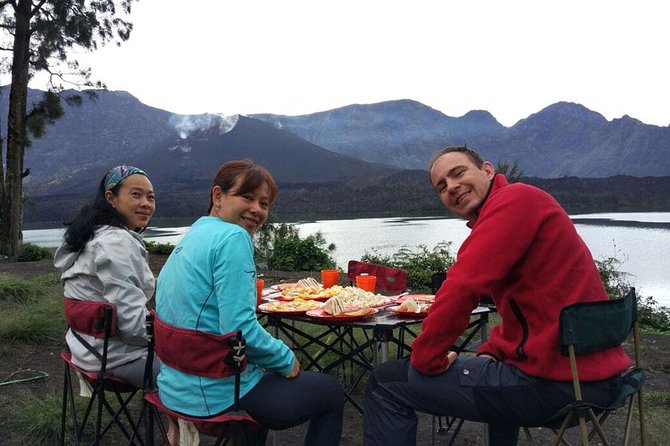
- Crater-rim camping at Sembalun and Senaru: two different viewpoints over Segara Anak and the caldera.
- A summit day plus a long lake-and-hot-springs day: you’ll climb high, then switch gears to soak and rest.
- Waterfalls with a strict timing window: Sendang Gile and Tiu Kelep are best if you arrive at least 2 hours before sunset.
- Crew-led safety and pacing: multiple guide names show up tied to feeling looked after on the trail.
- Food and hydration are handled: waters (3 liters a day) plus meals, snacks, and coffee/tea.
- After-trek bonus in the plan: a free boat transfer to Gili Island after the trek.
Crater-rim camping at Sembalun and Senaru: the real reason to do 4D/3N
Mt Rinjani isn’t just a “reach the top” mountain. This trek is built around sleeping in places with dramatic views: first at the Sembalun crater rim area, later at the lake side of Segara Anak, and finally at the Senaru crater rim. That change in setting matters because you don’t only see the caldera once—you see it from different angles as light changes.
On a typical volcano trip, you can feel rushed. Here, the structure gives you time to settle after the hard work. The nights near the lake are described as chill and memorable, which fits the rhythm of a trek like this: climb, recover, soak, then climb again tomorrow.
One more practical angle: crater rim camping usually means you’re spending more of your trip outdoors, not hopping between hotels. You’ll be thinking about weather, wind, and cold at night—especially with early starts—so pack smarter than you would for a beach vacation.
You can also read our reviews of more tours and experiences in Tetebatu.
The 5-day flow: waterfalls, summit effort, Segara Anak, and finishing at Senaru
Even though the headline is 4 days and 3 nights, the calendar is about 5 days. You start early (meeting time is 5:00 am) and the days are long when you’re moving between altitude zones, camps, and viewpoints.
Day 1: waterfalls first, then your first camp on/near the rim
You begin with a stop at Sendang Gile and Tiu Kelep Waterfall. This matters because the route specifically notes you need to arrive at least 2 hours before sunset to make those stops work. Admission is included, and the timing note is a hint that you shouldn’t assume you can stroll in late and still get the full experience.
After the waterfalls, you head into the trekking day and end up sleeping at the Rinjani (Sembalun Crater Rim) for night one. It’s a good place to start because you’re already close to the volcano world—so the trek doesn’t feel like you’re traveling forever before you get to the mountains.
Day 2: a trekking day that sets up the summit push
Day 2 is essentially the “get yourself ready” day. You start trekking from the designated start point and move through the first set of trails toward your next camp. The trip is aimed at hikers who want the summit view, but also want more breathing room than shorter versions of the trek.
It’s worth noting that people describe the trail as having diverse scenery, including sections through forest and savannah-like areas, plus the crater-lake environment later. That diversity makes Day 2 feel less monotonous, even when it’s hard going.
At the end of the day, you spend the night at the Rinjani (Sembalun Crater Rim) again, which helps you adjust to the rhythm before the big push.
Day 3: summit effort, then Segara Anak and hot springs
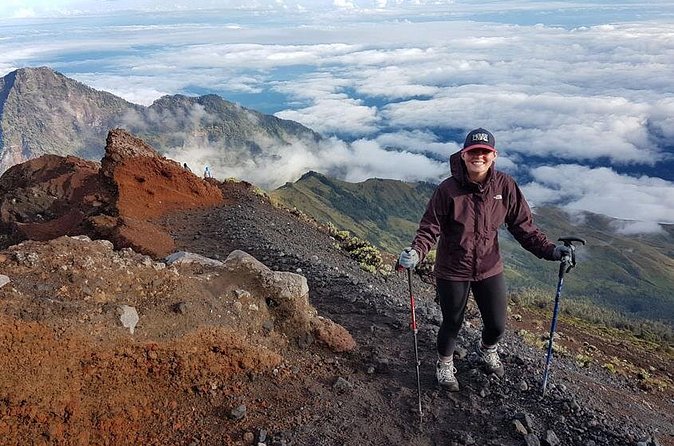
This is the day that defines the trek. You push up to reach Mount Rinjani’s peak. The plan notes a 30-minute admission window here, with the actual “fight up” wording used to describe the summit climb.
After you come down, the itinerary shifts to reward mode. You head to Segara Anak Lake and hot springs. This part is long—about 10 hours—and it’s designed as a physical reset.
You can either swim at Segara Anak Lake or soak in the spring water. Either option is a big deal after a summit day because it’s the first time you can stop thinking about the next step and start recovering with water. You finish the day by spending the night at the lake side.
If you like tours that mix effort with a real recovery plan, this day is why this trek rates so high.
Day 4: lake time, then the best lake viewpoint from Senaru
Day 4 starts more relaxed. The plan includes a few hours to stay at the lake side, which gives you time to rest, enjoy the atmosphere, and not feel like you’re rushing the moment you wake up.
Then you continue to the Senaru Crater Rim. The reason you’re going there is simple: it’s described as one of the best places to see Segara Anak Lake. In practical terms, that means a better vantage point and more dramatic caldera views when the light hits right.
You spend the night at the Senaru Crater Rim.
Day 5: final crater-rim time, then trek completion
On the last day, you stay at the Senaru Crater Rim for the remaining time and then finish the Rinjani trekking. This structure gives you a final chance to soak in views without packing up and moving every hour.
If you’ve ever done a trek where the last day feels like just a chore, this one tries to avoid that by giving you a calmer ending.
Your crew matters more than you think (and you’ll see it in the names)
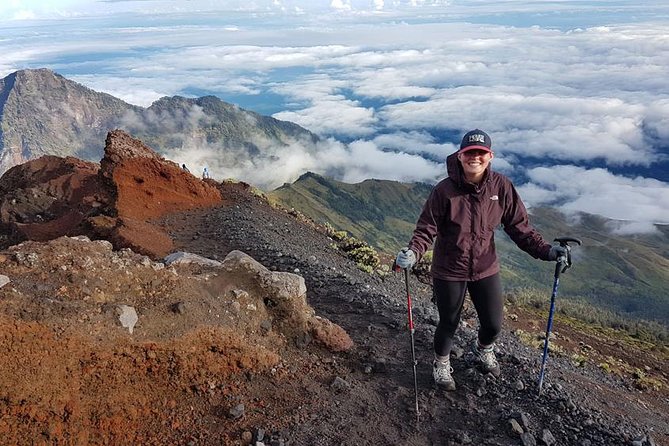
This trip is “group” in the sense that it runs with a set structure, but it’s also listed as private for your group. That’s not just marketing. On a mountain like Rinjani, the difference between good and great is often communication: when you leave camp, how you pace, and how you handle transitions between altitude zones.
The reviews repeatedly connect certain guides with feeling safe and cared for. Names that come up include Dani, Hadie, Mul, Edy, and Irsyad. People also credit porters like Aria, Adi, Sana, Ahmad, and Addi, and mention how quickly porters handled luggage and how well meals were cooked.
One practical takeaway: when a guide is organized about timing (for example, lining up departures and arrivals), you spend less time stressed and more time enjoying the experience—especially when you’re dealing with waterfall timing or long days.
Gear, clothing, and what you should double-check
The trip includes camping equipment and camping-related setup like cooking gears, plus it lists waters, full-board meals, snacks, and coffee/tea. That’s a big comfort factor because you’re not carrying everything.
But gear details have an inconsistency between the overview and the included/excluded list. The overview says things like headlamps, small backpacks, and trekking shoes are included. The not-included section separately lists head lamp/hand torch, small backpack/daily pack, and trekking shoes.
So here’s the sensible approach:
- Plan to bring a headlamp (or confirm it’s definitely in your package).
- Bring a small daily pack for what you carry during hikes.
- Wear or pack trekking shoes with grip.
- Expect you’ll need a trekking jacket and long pants/trousers, since those are listed as not included.
Also plan for the “camp reality”: even if the days are strenuous, crater rim nights can feel cold and windy. Bring what keeps you comfortable enough to sleep, not just what looks good in photos.
If you need a vegetarian meal plan, that option is listed as available—just advise when booking.
Price and value: what $469 buys you (and what it doesn’t)
At $469 per person, this trek can feel like a splurge until you look at what’s covered. You’re getting:
- local guide and local porters
- all necessary camping equipment (plus cooking gear)
- hotel pickup and drop-off
- 3 liters of water per day
- full-board meals and drinks (breakfast, lunch, dinner) plus snacks and coffee/tea
- equipment support during the trek so your energy goes to walking, not managing logistics
What’s not covered includes airfare and items you’ll likely want anyway for safety and comfort: trekking shoes, trekking jacket, long pants, daily pack, and headlamp. Tips for guides and porters are also not included.
Then there’s an extra value item: the tour lists a free bonus boat transfer to Gili Island after the trek. If you’re heading that way anyway, it reduces the “what now” scramble after the mountain.
One more value angle: the trek is described as private for your group, and it also mentions group discounts. If you have a small crew and can match your travel dates, your per-person cost can land in a better place.
Who should book this trek, and who should think twice
Book it if you:
- want a serious volcanic experience but still prefer a schedule with recovery time (lake-side and camp time are built in)
- care about having strong leadership on steep, long trail days
- like camping and crater views more than just checking a summit box
- want an all-in logistics package for food, water, and camp setup
Think twice if you:
- are not comfortable walking for long hours and doing a summit push
- don’t have the trekking basics (especially shoes and light for early/late conditions)
- hate the idea that the waterfall stops rely on timing (arrive late and you may miss the full experience)
Final verdict: should you book Mt Rinjani 4D/3N with HaLoMi Trekker?
I’d say yes if your goal is the full Rinjani feeling: crater rim camping at Sembalun and Senaru, a real summit day, then Segara Anak Lake and hot springs as your reward. The standout is the mix of logistics handled for you—water, meals, camp support—with a crew that people describe as attentive and safety-minded, including guides like Dani, Hadie, Mul, Edy, and Irsyad.
I wouldn’t book it on autopilot. Confirm the gear situation (especially headlamp and shoes), plan for early mornings, and be honest about your fitness for a summit climb and long days afterward.
If you do that, this trek is the kind of trip that sticks: not because it was easy, but because it was organized, scenic in a big way, and guided by people who know how to keep you moving without losing the joy of the place.
FAQ
What time does the Mt Rinjani trek start?
The meeting point/start time is 5:00 am.
Is pickup and drop-off included?
Yes. Hotel pickup and drop-off are included.
Are meals included?
Yes. Full-board meals are included, along with snacks and coffee and/or tea.
Can I get a vegetarian meal option?
Yes. A vegetarian option is available if you advise at the time of booking.
What gear is not included?
The not-included list mentions head lamp/hand torch, small backpack/daily pack, trekking shoes, and trekking jacket, plus long pants/trousers.
Is there anything included after the trek?
Yes. There’s a free bonus boat transfer to Gili Island after the trek.