REVIEW · SRINAGAR
Kashmir Great Lakes Trek
Book on Viator →Operated by Kashmir Treks · Bookable on Viator
That first drive into the mountains sets the tone.
This is a private 8-day trek from Sonamarg to Naranag in Kashmir, built around some serious scenery: high-altitude passes, alpine lakes, and long valley views. I like that the trip handles the hard stuff up front, with permits and full camping gear (tents, sleeping bags, mats, trekking poles, plus cooking setup). I also like the practical pacing and support—hunger and logistics get covered with full-board meals, and the heavier load is moved by horses so you can focus on the trail. One consideration: you still need moderate fitness for multiple long walking days and big altitude swings, and the itinerary depends on weather.
If you’re doing this for big views and calm mornings, this trek is made for you.
You’ll pass through glacier country feeling your way from ~2610m at Sonamarg camps toward passes that crest around 4080m, then drop again toward Naranag. I also love the way the Srinagar end of the trip wraps it up with a deluxe houseboat or hotel night—so you’re not living out of a tent the entire time. The possible drawback is simple: at this altitude, late season or bad conditions can make crossing rough sections uncomfortable, so timing matters.
In This Review
- Key Things I’d Pay Attention To
- A Private Great Lakes Trek That’s Built for Real Trail Days
- Route Overview: Sonamarg to Naranag, with Passes and Alpine Lakes
- Day-by-Day Breakdown: What Each Stage Feels Like
- Day 1: Srinagar to Sonamarg, then your first camp
- Day 2: Sonamarg to Nichnai (2610m to 3450m)
- Day 3: Nichnai to Vishansar Lake via Nichnai Pass
- Day 4: Vishansar Lake to Gadsar via Gadsar Pass
- Day 5: Gadsar to Satsar
- Day 6: Satsar to Gangabal Lakes via Zajibal Pass
- Day 7: Gangabal to Naranag, then back to Srinagar
- Day 8: Srinagar drop at airport or bus stand
- Tents, Horses, and Meals: What the Included Support Actually Changes
- Horses offload the heavy work
- Camping setup and cooking are handled
- Vegetarian meals fit the rhythm of trekking days
- Srinagar Ending: Deluxe Houseboat or Hotel Comfort
- Fitness, Altitude, and Timing: How to Choose Your Moment
- Consider the season
- Weather is not a marketing line here
- Price and Logistics: Why $112 Can Be Such Good Value
- Who This Trek Fits Best (and Who Should Think Twice)
- Should You Book the Kashmir Great Lakes Trek?
- FAQ
- How long is the Kashmir Great Lakes Trek?
- Where does the trek start and when does it begin?
- What is the route and where do you end?
- Is transportation included?
- Are trekking permits and camping gear included?
- Do you carry all the luggage yourself?
- What kind of accommodation do you get in Srinagar?
- What should I bring and what are key requirements?
Key Things I’d Pay Attention To
- Private, English-speaking guide for a route that’s easier to handle when someone local is reading the trail.
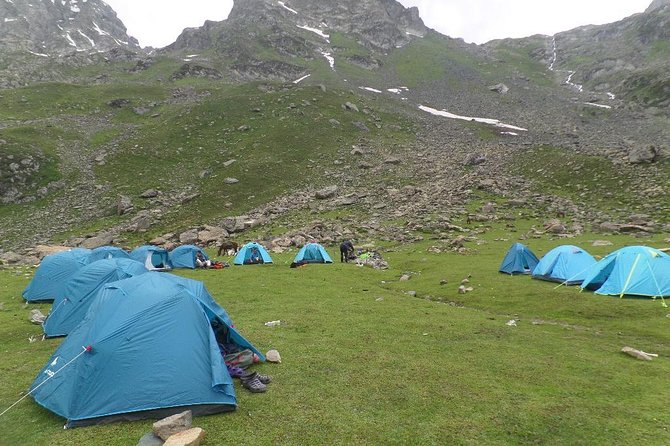
- All trekking gear included, including tents and sleeping bags, which removes a lot of hassle and expense.
- Horses carry most gear (you bring only a day pack), so your legs get the focus.
- Big pass sequence (Nichnai Pass, Gadsar Pass, Zajibal Pass) with lakes that feel earned.
- Stove-cooked vegetarian meals and full-board mountain camp plan—less guesswork, more hiking time.
- Srinagar comfort after the trek via a deluxe hotel or houseboat, often remembered as a highlight.
A Private Great Lakes Trek That’s Built for Real Trail Days
This trek is famous for the “Great Lakes” name, but the real win is how it’s structured. You’re not just walking to a single viewpoint; you’re moving through a chain of mountain basins, with high passes connecting each lake and meadow. It’s the kind of route where sunrise and weather shifts actually change what you see, not just how pretty the photos turn out.
I also like how supportive the trip feels without being overcomplicated. You get pickup from Srinagar, a drive to Sonamarg, then mountain camps with cooking and drinking water handled. And because you’re traveling privately, the rhythm stays yours. It’s not a cattle-call group hike.
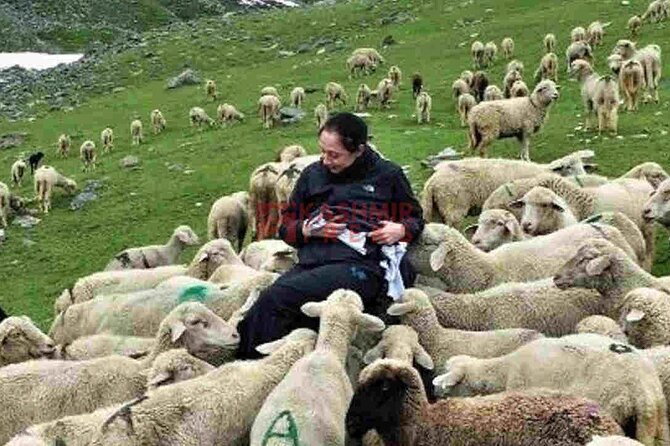
One reason people keep praising their experience is the human side. Names that came up again and again in past hikers’ feedback include guides like Wajid and Ali, plus the broader team support (people like Mehraz and the driver Shakeel, and guide Mudasir). I can’t promise you’ll get the exact same lineup, but the pattern is clear: the trip is organized around people who watch your safety and keep you comfortable enough to enjoy the walking.
You can also read our reviews of more tours and experiences in Srinagar.
Route Overview: Sonamarg to Naranag, with Passes and Alpine Lakes
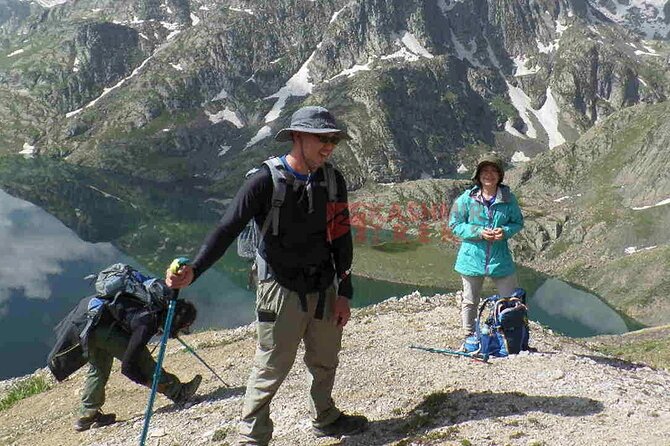
The trek runs from Sonamarg to Naranag, starting high in the Kashmir mountains and gradually working you toward Hindu pilgrimage-country around Naranag. Along the way, the trail moves through an arc of altitude that makes the days feel different: cold air at camp, thicker views when you gain elevation, then a steady release when you drop toward each next lake.
A key highlight is the series of passes:
- Nichnai Pass links Sonamarg-area hiking to the lake zone around Vishansar.
- Gadsar Pass is the connector toward Gadsar Lake.
- Zajibal Pass leads into the Gangabal Lakes area.
Then you finish with the walk into Naranag and the drive back down to Srinagar.
For you, this matters because it’s not just “distance.” You’ll feel each pass as a work phase, then enjoy the reward—open meadows, still water, and snow-ringed peaks when conditions allow.
Day-by-Day Breakdown: What Each Stage Feels Like
Below is what your 8 days look like in plain terms, with the practical reality of time and altitude.
Day 1: Srinagar to Sonamarg, then your first camp
You’ll be picked up in Srinagar (start time 8:00 am) and driven about 100 km in roughly 3 hours to Sonamarg. After that, you’ll settle into the first campsite near the Sind riverbank at about 2610m. The day is mostly travel and setup, with tea and dinner included.
Why this day matters: it lets you acclimate a bit and adjust your clothing before you start walking hard.
Day 2: Sonamarg to Nichnai (2610m to 3450m)
This is a classic “find your stride” day—about 11 km and around 7 hours of trekking as you rise from 2610m to 3450m. You’ll have breakfast, lunch, tea, and dinner at the camp.
Practical note: expect a long, steady effort. Even if you feel fine at the start, this is the day where pacing pays off.
Day 3: Nichnai to Vishansar Lake via Nichnai Pass
Now the route gets more dramatic. You trek about 12 km in roughly 7 hours, climbing from 3450m toward around 4080m at the pass level before dropping slightly to about 3650m at Vishansar Lake. Meals are full-board again: breakfast, lunch, tea, dinner.
What I’d watch for: pass-day weather changes fast in this region. If clouds move in, the views can vanish, so bring patience and adjust expectations day to day.
Day 4: Vishansar Lake to Gadsar via Gadsar Pass
This is one of the longer days in the plan—14 km and about 8 hours. You move from 3650m down slightly to 3550m, but only after tackling Gadsar Pass at about 4180m.
Why this stage is memorable: you’re high, you’re exposed, and you get payoff from the high-lake scenery around Gadsar. The drawback is also obvious: it’s physically demanding.
Day 5: Gadsar to Satsar
A bit of relief, at least in time. The trek is about 9 km and roughly 5 hours as you drop from 3550m toward 3650m (so it’s not a huge descent overall). You still get full meals in camp.
I like days like this because they give you time to enjoy the scenery without constantly checking your watch.
Day 6: Satsar to Gangabal Lakes via Zajibal Pass
Another pass day. You trek about 11 km in around 6 hours, crossing toward around 4080m and ending near 3580m around the Gangabal Lakes area.
If you like “wow, this is really high” moments, this is one. Also, lake-country can feel extra still and cold, so keep your layers ready for the camp and photo time.
Day 7: Gangabal to Naranag, then back to Srinagar
This day mixes hiking and finishing logistics. You trek about 15 km in roughly 6 hours, descending from around 3580m down to about 2250m as you head toward Naranag (with the temple as a goal point). Then you get transport back to Srinagar with breakfast, lunch, dinner included.
This is a great day to slow down mentally. You get the emotional finish of reaching a pilgrimage site, then the physical finish of dropping altitude before sleeping in proper accommodations.
Day 8: Srinagar drop at airport or bus stand
After breakfast, you’ll do a short drive for your final drop. It’s about 20 minutes to the bus stand (around 5 km) or about 30 minutes to the airport (around 12 km).
No big hiking day—just a clean landing back to Srinagar.
Tents, Horses, and Meals: What the Included Support Actually Changes
On paper, this trek includes a lot. In real life, it changes how you experience the mountains.
Horses offload the heavy work
The big win here is that the trip includes offloading by horses and the guidance says you carry light with a day pack. That means fewer straps on your body and less fatigue caused by carrying bulky gear uphill.
For your planning, this is huge: you don’t need to pack like you’re outfitting a full expedition.
Camping setup and cooking are handled
You’re provided with tents, poles, sleeping bags, mats, and blankets, plus cooking utensils and an LPG stove. You also get bottled water, coffee/tea, and full-board meals.
Why this is valuable: after a long day, the last thing you want is “figure it out” meals. When meals are built into the plan, you can focus on pacing, staying warm, and sleeping.
Vegetarian meals fit the rhythm of trekking days
The meals are stove-cooked vegetarian, which is common for organized treks in the region. Even if you have your own preferences, the consistent schedule helps your energy stay steady.
Srinagar Ending: Deluxe Houseboat or Hotel Comfort
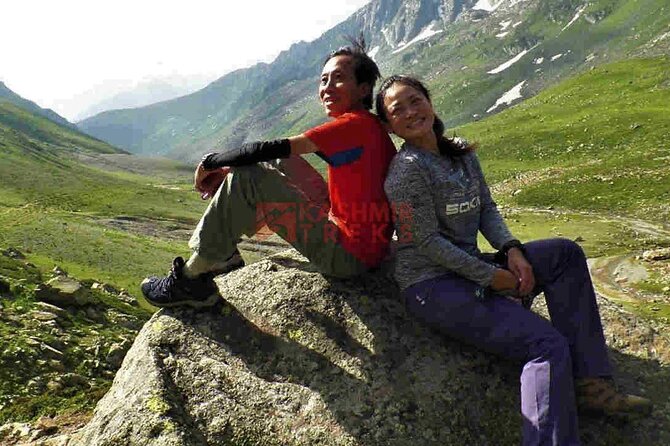
After days of mountain camps, the Srinagar night is part reward, part recovery. Your package includes 1 night in either a deluxe houseboat or hotel in Srinagar.
One detail that pops in past feedback is the pleasure of a houseboat stay on Dal Lake. You may not always get exactly that setup, but the message is consistent: after cold air and high passes, sleeping on comfort and doing one easy evening in the city feels like a proper finish.
Fitness, Altitude, and Timing: How to Choose Your Moment
This trek is for people with moderate physical fitness. That doesn’t mean “easy,” though. You’re looking at multiple 6–8 hour days and several pass crossings, with altitude ranging roughly from 2250m to as high as about 4180m.
Consider the season
Timing is a real factor based on past hikers’ experiences. One warning that comes up is that monsoon can be difficult, with rougher conditions making crossings harder. On the other hand, early March and April were described as good for weather and visibility. Another traveler did it in October late in the season and still got workable conditions, but they also noted that timing can affect how comfortable the trekking feels.
My advice: choose your month like you choose your trail pace—conservatively.
Weather is not a marketing line here
The trip also explicitly notes it requires good weather. If conditions are poor, you’ll be offered another date or a full refund.
That’s not a small detail. High passes plus cloud and rain can change the whole experience.
Price and Logistics: Why $112 Can Be Such Good Value
At $112 for 8 days, this stands out because so much is included that usually costs extra on treks: guide support, tents/sleeping gear, cooking setup, permits, transportation, and the Srinagar accommodation.
A fair way to judge value is to ask what you’d otherwise rent or pay for:
- gear rental and transport (often expensive)
- trekking permits
- a guide
- camping support and meals
Here, most of that base load is covered. The main extras are the personal items you bring yourself and practical things like tips, plus travel insurance (not included).
So for you, the value case is strong if you’re ready to do the walking and you don’t want a gear headache.
Who This Trek Fits Best (and Who Should Think Twice)
This works especially well if:
- you want a private trek with your own guide and support staff
- you’re comfortable with multiple long days on foot
- you want trekking gear handled so you can pack light (day pack style)
- you value a guided route through alpine lakes and passes, not just a scenic hike
It may be less ideal if:
- you’re hoping for a short, low-effort trek
- you’re very sensitive to altitude swings and long days
- you’re traveling without enough buffer for weather changes
Should You Book the Kashmir Great Lakes Trek?
I’d book this if you want a true mountain trekking plan where the hard logistics are taken care of: gear, camps, permits, cooking, and the uphill load handled by horses. The combination of pass crossings and lake scenery is exactly the kind of trip that rewards steady effort.
You should hesitate if your schedule can’t flex for weather, or if your fitness level isn’t ready for several days in the 6–8 hour range. If that’s you, consider a shorter route first and save this longer one for when you can enjoy the pace instead of surviving it.
In the right season with the right mindset, this trek delivers the kind of Kashmir memory people still talk about—quiet camps, big skyline views, and a finish in Srinagar that feels like a real reward, not an afterthought.
FAQ
How long is the Kashmir Great Lakes Trek?
The trek is listed as about 8 days.
Where does the trek start and when does it begin?
You start in Srinagar with pickup, and the start time is 8:00 am. The drive goes to Sonamarg first.
What is the route and where do you end?
You trek from Sonamarg to Naranag, and then you return to Srinagar for an airport or bus stand drop.
Is transportation included?
Yes. Private transportation is included for transfers between Srinagar and Sonamarg, plus the return to Srinagar at the end.
Are trekking permits and camping gear included?
Yes. Trek and wildlife permits are included, along with camping gear like tents, sleeping bags, mats, blankets, and trekking poles, plus cooking utensils and a stove.
Do you carry all the luggage yourself?
No. The plan includes offloading by horses, and you carry light with a day pack.
What kind of accommodation do you get in Srinagar?
You get 1 night in a deluxe hotel or houseboat in Srinagar.
What should I bring and what are key requirements?
You’ll need a passport with the right details at booking. Also bring personal clothing and equipment. A moderate fitness level is recommended. Dietary requirements should be shared when booking.