REVIEW · SRINAGAR
Kolahoi Glacier Trek
Book on Viator →Operated by Kashmir Treks · Bookable on Viator
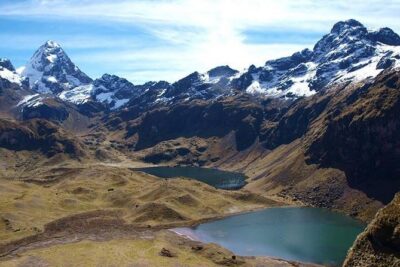
Kolahoi Glacier is the kind of trek that rewires your sense of scale. This one is a crossover route that links the Sind Valley side to the Lidder Valley side, with big altitude moments like Basmai Pass (4300m) and viewpoints toward Mount Kolahoi (5425m), the highest peak of the Vale of Kashmir. What makes it extra interesting is the mix of pine forests, colorful meadows, stream crossings, and high-altitude lake country right at the foothills of Kolahoi.
Two things I like a lot are how much is handled for you and how varied the trekking feels day to day. You’re not just shown a trail; you get all camping gear, bottled water, and organized meals, plus offloading by horses when you pack up and move camp. And the route logic is smart: you build from forest-to-meadows travel into a true pass day, then you get multiple nights in different lake/meadow settings instead of repeating the same scenery.
The main drawback to consider is altitude and trail conditions. This trek includes a high pass and steep sections, and weather can change the character of the walk fast—especially around exposed grades and higher camps—so you’ll want a calm head and moderate fitness.
In This Review
- Key highlights you’ll remember
- Entering The Kashmir Mountain Country: Srinagar to Dal Lake or Hotel
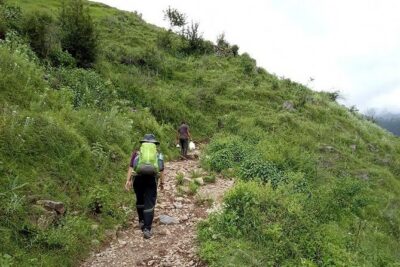
- Gagangir to Basmai Meadow: forest walking, meadow breathing room
- Basmai Pass (4300m): the hardest hour that changes the whole route
- Lake country, then toward the Kolahoi Glacier: meadows to ice views
- Lidderwat under Kolahoi Peak (5425m): river valleys and high meadow nights
- Down to Aru Valley, then back via Pahalgam: finish strong
- Price and value at $349: what you’re really paying for
- What included support feels like on the ground
- Who should book Kolahoi Glacier Trek (and who should think twice)
- Practical packing notes (based on what this trek includes)
- Should you book it?
- FAQ
- How long is the Kolahoi Glacier Trek?
- Where does the trek start and end?
- Is pickup included?
- What does the price include?
- What is not included?
- What is the highest point on the trek?
- Is there an age requirement?
- Do I need to be very fit?
- When is the trek available?
Key highlights you’ll remember
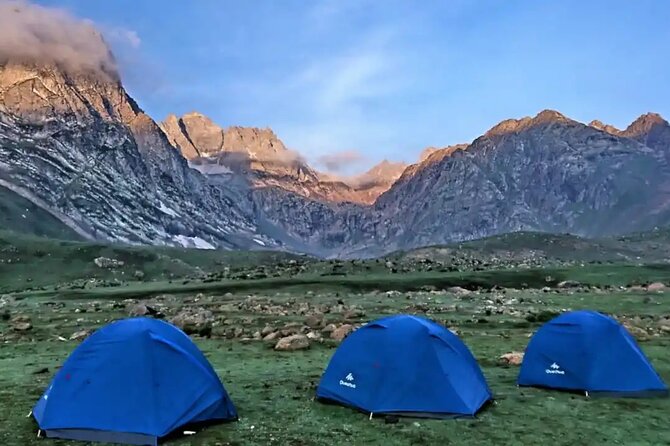
- Basmai Pass (4300m) is the dramatic pivot point of the trek, after a steady approach through forest and meadows
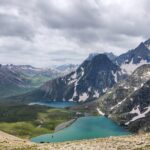
- High-altitude alpine lakes near the Mount Kolahoi foothills give you that rare “water at altitude” feel
- Kolahoi Glacier exploration comes after meadow walking, so you transition from soft scenery to ice-and-stone views
- Camping + meals are included, meaning you spend energy on trekking, not logistics
- Guides like Habib and Mustafa are repeatedly credited for clear planning and a feeling of safety on the trail
Entering The Kashmir Mountain Country: Srinagar to Dal Lake or Hotel
Your trip starts with a simple pickup in Srininar—either from the airport or bus station. From there, you’re transferred to an overnight stay on Dal Lake (houseboat) or in a hotel, depending on what you choose. This first night matters more than it sounds: it helps you reset after travel so Day 2 starts with you already in “trek mode.”
If you’re staying on the houseboat side, you get a gentle introduction to Kashmir life before you climb into the mountains. If you’re in a hotel, you’ll still get that same first-day ease: no rush, just a base and a good night. Either way, it’s the kind of start that reduces stress for the days that follow, when you’ll be walking, packing, and sleeping at altitude.
This isn’t a “meet at dawn and go” style trek. It’s structured so you have time to be organized and ask questions before the higher work begins. And because this is a private tour/activity, it’s only your group out there—so pacing and care don’t get swallowed by a big crowd.
You can also read our reviews of more tours and experiences in Srinagar.
Gagangir to Basmai Meadow: forest walking, meadow breathing room
Day 2 begins with a drive from Srinagar toward Gagangir in the Sonamarg area. Once you reach the start point, you pack your load and backpack on horses, then start walking through a mix of pine forest and open meadows. That horse offloading is a practical bonus: you still trek under your own steam, but you’re not fighting a heavy pack through every kilometer.
What I like about this day is the “entry ramp” feel. Pine forest gives you shade and steadier footing, and then the meadows gradually open the view lines. By the time you reach Basmai Meadow, you’re not only tired—you’re warmed up for the pass day, with a body that knows it’s going up.
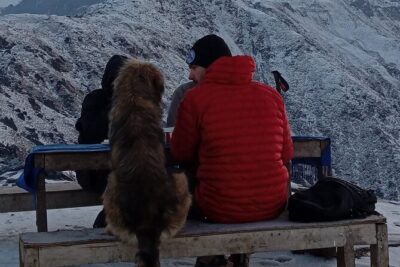
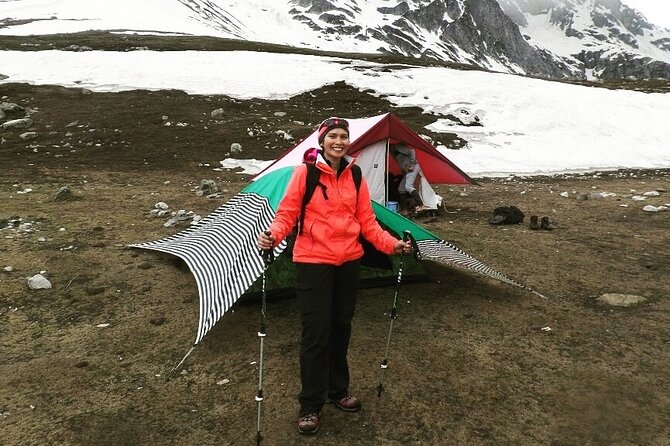
You camp at Basmai Meadow for the night, which sets the tone for the trek: you’re not just day-hiking; you’re living the route. Camping here also helps you acclimatize in the real way—by gaining altitude and sleeping in the mountain air before the highest point of the trip.
If you’re someone who hates the “shuffle-walk until you collapse” feeling, this day is a good fit. The terrain changes keep your mind engaged, and the effort feels earned instead of forced.
Basmai Pass (4300m): the hardest hour that changes the whole route
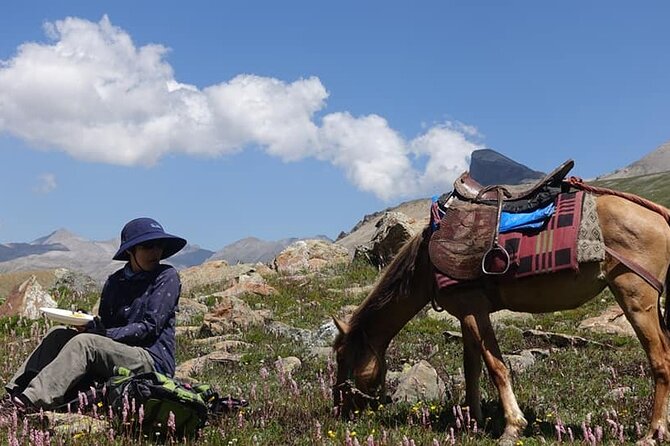
Day 3 is all about ascending Basmai Pass (4300m), then descending toward the Lake of its name for an overnight stay. This is the day where you’ll feel altitude the most, even if you’re fit. The climb isn’t just a number on a map—it’s the mental work of moving steadily while your body adapts.
I think the key to enjoying this day is pacing. Go slower than you think you need to. Take short breaks before you feel out of rhythm, not after. If weather rolls in, you’ll also appreciate not trying to “power through” when footing might get slick or visibility drops.
Once you reach the top, the descent is a relief—but it’s also where trekking skills matter. Going down at altitude can stress your knees if you rush. You’ll be heading toward the lake area for the night, which is a strong payoff: you’re not climbing toward nothing. You’re climbing toward a place where the mountain opens up and the scenery becomes more than a distant backdrop.
Lake country, then toward the Kolahoi Glacier: meadows to ice views
On Day 4, you move through meadows and explore the Kolahoi Glacier before heading down to Satlanjan Meadow for camp. This is where the trek’s personality shifts. Up to now, you’ve been moving through forest-to-meadow transitions and preparing for the high points. Now you get a direct experience of ice-and-mountain features close enough to feel real.
Meadow walking is often easier on the body than steep scree, so it can be a useful “reset day” after the pass. Still, expect plenty of ups and downs in altitude terrain. Then when you reach the glacier area, the experience becomes visual and physical at the same time: the texture of the ground changes, the air feels sharper, and everything looks more dramatic than you expected from a road view.
Satlanjan Meadow is another important camp choice. It keeps your trek varied instead of turning it into a straight line. You get time to slow down, look back on what you climbed, and enjoy the mountain drama without sprinting to the next milestone.
Lidderwat under Kolahoi Peak (5425m): river valleys and high meadow nights
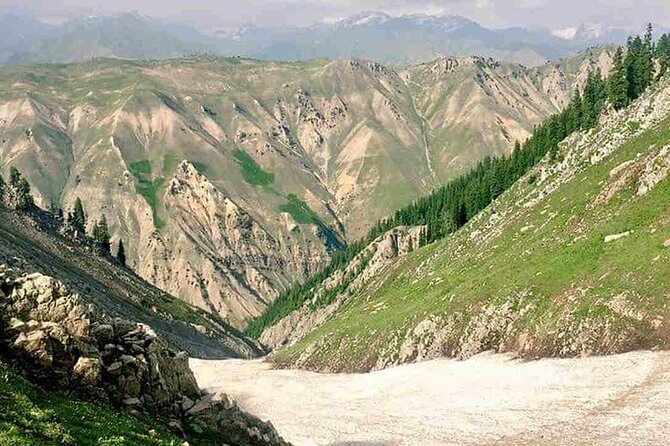
Day 5 takes you to Lidderwat, through meadows and under the towering heights of Kolahoi Peak (5425m). You camp at Lidderwat for the night, and this is one of the most “Kashmir-at-height” feelings in the whole itinerary: high country, open walking, and big peak views framing your day.
The trek continues the crossover theme. Even though you’re moving toward the Lidder Valley side, the route stays connected to meadows, water sources, and mountain mass. This is why crossover treks often feel more complete: you get different valleys’ character instead of repeating the same valley floor.
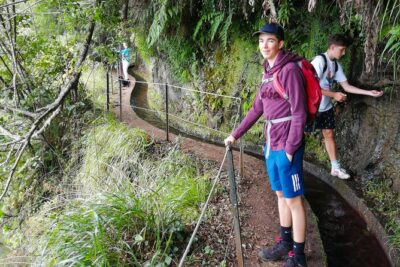
Expect the trekking to be engaging rather than monotonous. The route includes stream crossings and color in the meadow areas, which helps the day feel like more than just distance. Also, after earlier pass and lake sections, this day’s camp location gives you time to process the climb mentally. You’ll feel like you’ve moved into a bigger world.
If you’re traveling with someone who needs reassurance, this is a good day to lean on the guide team. Past trekkers have credited guides like Habib for getting the group moving together and keeping everyone feeling safe and organized—especially important in high-altitude places where conditions can shift.
Down to Aru Valley, then back via Pahalgam: finish strong
Day 6 takes you down to Aru Valley following the Lidder River, through pine and birch forests. Then you take a car drive back to Srinagar via Pahalgam, with an overnight stay at your houseboat or hotel. This day is the reward for the earlier climbs: less “high drama per step,” more flowing movement through forest and valley terrain.
Going down can still be tiring, but the change in vegetation often helps. Pine and birch sections tend to feel cooler and calmer after the brighter meadow/lake days. It’s also a practical finish: you’re transitioning from trekking to comfort without cutting the entire connection too abruptly.
The car drive back via Pahalgam is a nice touch because it keeps the ending from feeling rushed. You’ll arrive in Srinagar with less stress than if you had to figure out local transport from a far-off trailhead.
Day 7 is simply departure support, with a drop-off at the Srinagar airport or bus station.
Price and value at $349: what you’re really paying for
At $349 per person, this trek feels like a value if you want a true guided, planned experience with most essentials covered. You’re not only paying for the route; you’re paying for the support system that makes the trek feasible: private transportation, all camping gear, and meals (breakfast 6, lunch 5, dinner 6), plus bottled water and coffee/tea.
In plain terms, this can save you money and time on the hard-to-get items. Trekking in high-altitude areas often requires gear you may not own. Here, you get the camp setup included, and the horse offloading helps you trek smarter instead of carrying everything on your back all day.
What you do need to budget for: travel insurance is not included, and you’ll bring your own personal clothing and equipment. Tips for local staff and guides are also not included, so plan a little extra if you want to reward great service. If you’re the type who forgets to plan for insurance and ends up scrambling later, that’s the one line item you shouldn’t ignore.
Also note the tour is private for your group. That usually means a more attentive experience than a large shared trek where pacing can get messy.
What included support feels like on the ground
This is one of those itineraries where the inclusions are not “marketing fluff.” First aid is included, and that matters when you’re operating at altitude and moving through stream crossings and changing trail surfaces. Likewise, the camp and meal setup reduces the number of decisions you have to make mid-trek.
The pacing is built around overnight camps at multiple locations, not a single base with daily drives. That means you truly “live” the route for 6 nights, which is where the value shows. You’ll be spending time hiking, then settling into a full camp routine with dinner and sleep already handled.
The horse offloading by horses also changes how the trek feels. You’ll still work, but you’ll likely avoid the heavy-pack exhaustion that can slow you down more than the altitude itself. For many people, that turns a “survive the trek” plan into a “enjoy the trek” plan.
The guide setup can also be a big factor. The trek may be operated by a multi-lingual guide, and names like Habib and Mustafa appear in past group experiences as people who planned well and kept the group feeling supported. When you get a good guide, the trek stops being just a physical challenge and becomes a smooth, confident journey.
Who should book Kolahoi Glacier Trek (and who should think twice)
This trek suits you if you want an off-the-main-route feel in Kashmir and you enjoy altitude trekking with varied scenery. It’s aimed at people with moderate physical fitness, which usually means you can walk for hours on uneven terrain and handle a real climb without panicking.
It’s also a good match if you like the idea of moving from valley to valley—Sind Valley side to Lidder Valley side—and not just ticking off a single viewpoint. The route gives you meadows, lakes, glacier exploration, and forest walking over multiple days, so you won’t feel like you’re doing one single trick.
Think twice if you’re sensitive to altitude or if you’re expecting an easy stroll. The pass day at 4300m is the kind of effort that can change how you feel for the rest of the trek. If you know you get winded easily at elevation, plan for that, and consider whether this is the right year and right weather window.
Practical packing notes (based on what this trek includes)
Because camping gear is included, you can pack smarter. Still, you’ll need your own personal layer system and trekking essentials. Bring clothes that you can layer because high altitude can feel cool quickly, especially near camp and around lake areas.
If the route includes stream crossings, you’ll also want footwear that can handle wet patches and uneven ground. And since meals are provided, your main personal items should focus on comfort and safety: head/eye protection, water handling, and anything you need for altitude comfort.
If you have dietary needs, advise them at booking. The trek operator asks you to share this in advance, which is the best way to avoid last-minute surprises.
Should you book it?
Book the Kolahoi Glacier Trek if you want a guided crossover trek with real altitude moments, glacier exploration, and a full camp routine that’s already handled. The price makes sense when you factor in meals, camping gear, private transportation, and horse offloading—it’s a well-supported way to do this kind of terrain without doing all the planning yourself.
Don’t book if you want a low-effort vacation walk or if altitude feels like a deal-breaker. This is a trek where the pass day and variable conditions matter, so choose it only if you’re ready for some real mountain work and you’re okay with weather playing a role.
If you’re unsure, pick your season carefully and be honest about your fitness. This route rewards steady pacing, patience, and a “go slow and enjoy it” mindset.
FAQ
How long is the Kolahoi Glacier Trek?
The trek runs for about 7 days.
Where does the trek start and end?
You start in Srinagar (with pickup and an overnight stay in a houseboat at Dal Lake or a hotel). You return to Srinagar at the end, with a drop-off at the Srinagar airport or bus station.
Is pickup included?
Yes. Pickup is offered from the airport or bus station.
What does the price include?
Meals (breakfast, lunch, and dinner), bottled water, coffee/tea, private transportation, all camping gear, offloading by horses, and first aid are included.
What is not included?
Travel insurance, personal clothing and equipment, optional excursions, and tips for local staff and guides are not included.
What is the highest point on the trek?
The trek’s highest point is Basmai Pass (4300m).
Is there an age requirement?
Yes. The minimum age is 18 years.
Do I need to be very fit?
You should have moderate physical fitness. The trek involves altitude and active hiking.
When is the trek available?
The trek is scheduled for 06/21/2025 – 09/30/2025, Monday through Sunday, 8:00 AM to 2:00 PM.