REVIEW · KATHMANDU
Annapurna Base Camp Trek
Book on Viator →Operated by Everest Trekking Routes Pvt. Ltd. · Bookable on Viator
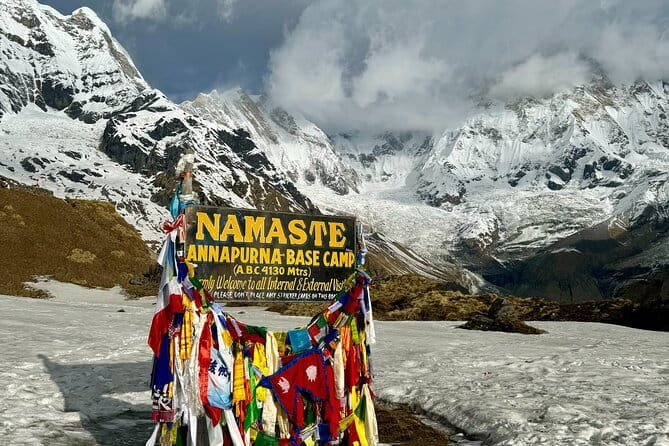
Ready for the long view in Nepal? The Annapurna Base Camp Trek takes you through terraced farmland, forests, and alpine paths to a high point at 4,130m, with classic summit-style panoramas along the way. I like how the trip mixes real trekking days with practical city time in Kathmandu and Pokhara, so you’re not thrown into altitude with zero prep.
Two things I’d flag right away: the included permits (TIMS and ACAP) and the way the plan is supported by a licensed guide plus an on-the-ground porter. In past departures, guide Cecil and local team members like Sushil Gurung and porters Samu Gurung and Sujan Gurung came up repeatedly for professionalism and calm, useful help.
One consideration: at this elevation, the trek demands moderate fitness and smart pacing, and you’ll want to take weather seriously. If you’re hoping for a very relaxed stroll with no uphill days, this route is going to feel like work, not a casual walk.
In This Review
- Quick take: what’s especially good here
- What the 12 days really feel like (and why the route works)
- Kathmandu warm-up: Pasupatinath and the feeling of place
- Pokhara and the lake day: getting ready for mountain time
- Entering the Annapurna Conservation Area at Birethanti
- Ghorepani and Poon Hill: the famous short hike that builds confidence
- The trek rhythm: Ghorepani to Tadapani and then Chhomrong
- Bambook and the mid-trek days: moderate but not casual
- Annapurna Base Camp: the big destination day
- Returning by tourist bus and closing the loop in Kathmandu
- Teahouses, meals, and the daily cup of tea rhythm
- Guides, porters, and service that actually matters on a trek
- Price and value: $935 for an organized Annapurna Base Camp trek
- Who this trek suits best (and who should think twice)
- Booking, pickup, and practical timing you should plan for
- Should you book this Annapurna Base Camp trek?
- FAQ
- How long is the Annapurna Base Camp trek?
- What altitude does the trip reach?
- Do you get transportation between Kathmandu and Pokhara?
- Are hotels included before the trek?
- Are trekking meals included?
- Is accommodation provided during the trek?
- What permits are included?
- Is Wi-Fi available during the trek?
- Do I need to bring my own insurance?
- Can I cancel and get a full refund?
Quick take: what’s especially good here
- Permits handled: TIMS and ACAP are included, so you don’t have to chase paperwork mid-trip.
- City-to-trek pacing: Kathmandu temples and Pokhara lakeside time help you settle in before trail days.
- Teahouse setup: All meals during the trek plus tea/coffee are built into the itinerary.
- Guide + porter support: you get a licensed professional guide and an expert local porter.
- Private group feel: only your group participates, so the pace stays more predictable.
What the 12 days really feel like (and why the route works)
This is one of those treks where the planning matters as much as the walking. You start in Kathmandu, where the itinerary hits major cultural landmarks, then you shift to Pokhara and its calmer rhythm before the trail pulls you uphill. That sequence helps you get your bearings, and it also spreads the “big moments” so the trip doesn’t feel like one long scramble.
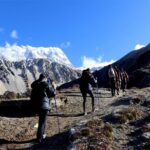
The trek itself builds step-by-step. You start with shorter, famous view segments (Ghorepani and Poon Hill), then you move into longer walking days with villages like Tadapani, Chhomrong, and Bamboo areas. By the time you reach Annapurna Base Camp, you’ve already had multiple chances to learn how your body handles steady altitude.
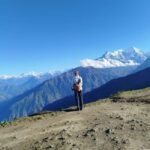
The route is also designed to deliver repeatable payoffs. Each day has its own viewpoint goal—sunrise-style mornings early on, and then big base-camp views later. If you like the idea of getting the best scenery at the right times of day, this itinerary matches that mindset well.
You can also read our reviews of more tours and experiences in Kathmandu.
Kathmandu warm-up: Pasupatinath and the feeling of place
Day 1 stops at Pasupatinath Temple, one of the most important and visually striking Hindu sites in Kathmandu. It’s a good opening move because it immediately gives you Nepal’s living culture rather than only a museum-type start.
What I like about this type of first-day stop is how it puts you in the local mindset. You’re not just collecting photos; you’re seeing a place that still functions as a spiritual center. After a flight, that grounding effect can help you transition from travel mode to trip mode.
If you’re sensitive to crowds and early street activity, plan to bring patience. Pasupatinath areas can be busy, and the experience is most enjoyable if you treat it as a real-world neighborhood, not a quiet viewing spot.
Pokhara and the lake day: getting ready for mountain time
Day 2 includes Pokhara Lake, placed as a key tourist-attraction moment in the itinerary. Pokhara is often the decompression zone for hikers, and the included two-night hotel stay gives you time to rest, eat well, and prepare gear.
This is also where your transfers make a difference. The itinerary includes a Kathmandu-to-Pokhara bus, plus hotel nights in both cities. You’re not doing a rushed “show up and go” schedule, and that reduces stress—especially when your trekking start is early.
One practical note: if you’re prone to motion sickness, buses can still be a bit bumpy. It’s not a deal-breaker, but it’s smart to plan for it.
Entering the Annapurna Conservation Area at Birethanti
On Day 3, Birethanti is your entry point into the Annapurna Conservation Area. Starting here matters because it frames your trek in the context of protected land and working villages. You’ll feel that shift as the trail moves from more basic access routes into classic trekking terrain.
This is the day that often feels like a bridge between worlds. You’re still early enough to get comfortable with the daily rhythm—walking, stopping, tea-house breaks—without being too high yet. It’s a great time to set your pace and practice the habit that makes high-altitude trekking easier: slow steps, consistent breathing.
Ghorepani and Poon Hill: the famous short hike that builds confidence
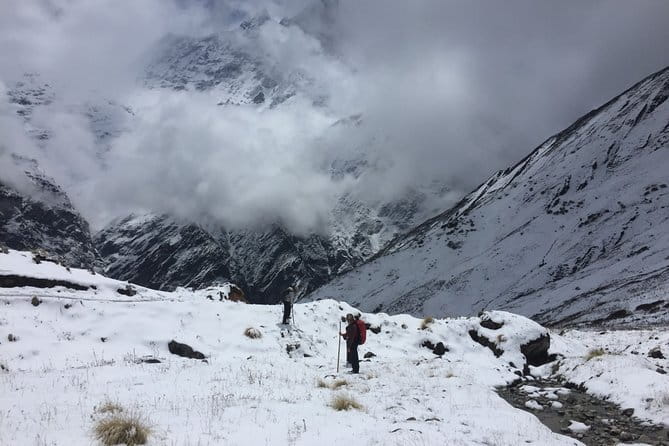
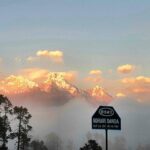
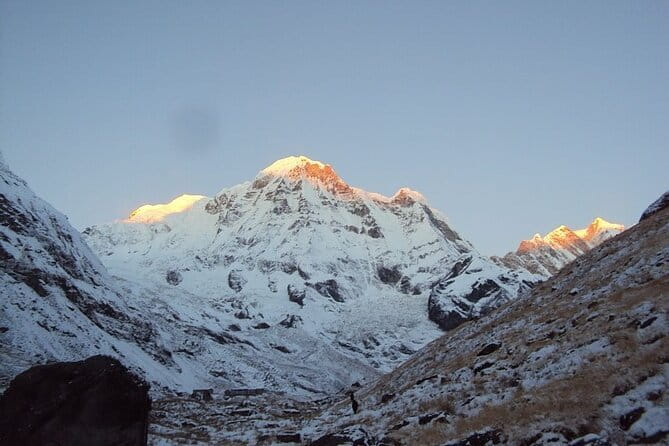
Day 4 focuses on Ghorepani and Poon Hill, one of the most famous viewpoint routes in the Annapurna region. Even if you’ve already seen sunrise photos online, there’s something special about experiencing a viewpoint that’s designed for big morning light.
This is also a smart “confidence day.” A short hike helps you learn how your legs respond without draining you before the longer trek segments begin. If you’re new to trekking, this kind of milestone can keep you motivated because you’re not waiting until late in the trip for a major payoff.
If you hate very early mornings, be realistic. Viewpoints like Poon Hill often reward the people who rise early and move quickly in the dark.
The trek rhythm: Ghorepani to Tadapani and then Chhomrong
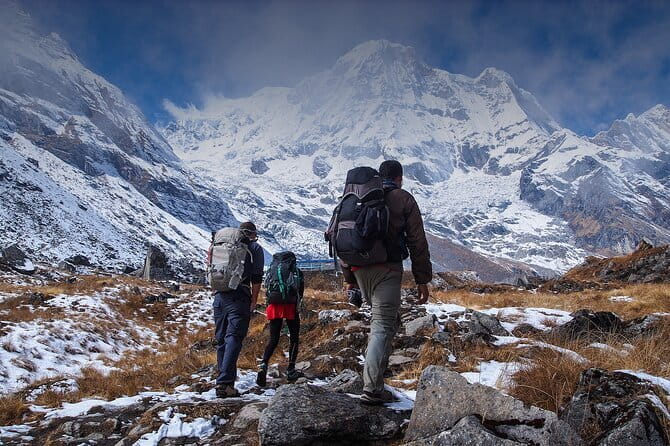
On Day 5, you walk about five hours from Ghorepani to Tadapani. That time estimate matters because it tells you the itinerary isn’t just “tough or easy.” It’s actively balancing walking effort and recovery.
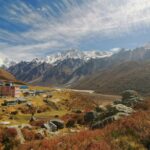
Day 6 heads toward Chhomrong with a beautiful walk. Chhomrong is a key village area in the region, and it often serves as a psychological checkpoint: you feel like you’ve truly entered trekking territory. This day tends to be where people start thinking less about distance and more about how the views and air change as you gain altitude.
Practical tip: treat each tea break as part of training. Use them to reset posture, drink steadily, and keep your body warm if temperatures drop quickly.
Bambook and the mid-trek days: moderate but not casual
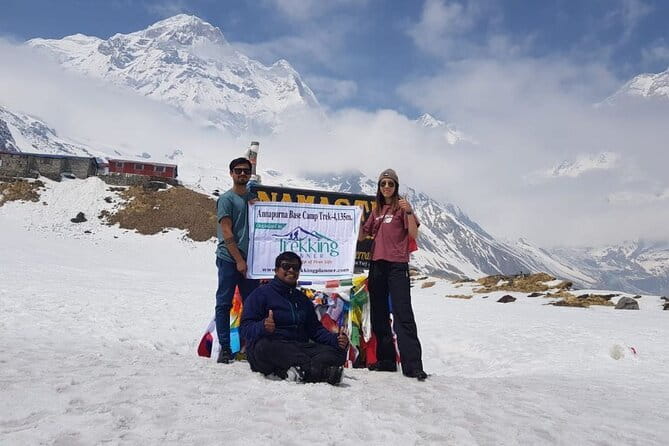
Day 7 includes a trek to Bambook described as moderate walking. Mid-trek is where the body learns your personal pace. If you go too fast early, the “moderate” days still turn into a struggle later. If you keep steady, you’ll usually feel more capable when the base camp days approach.
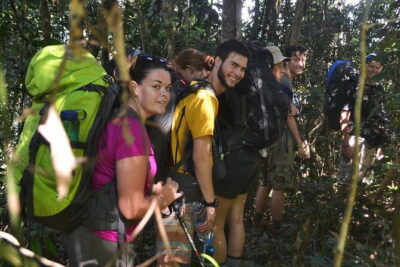
By Day 7, you should also be getting comfortable with the teahouse routine: basic rooms, simple meals, and a common-sense schedule. This is where a good guide and porter team makes life easier—less wasted energy figuring things out, more energy actually enjoying the trek.
Annapurna Base Camp: the big destination day
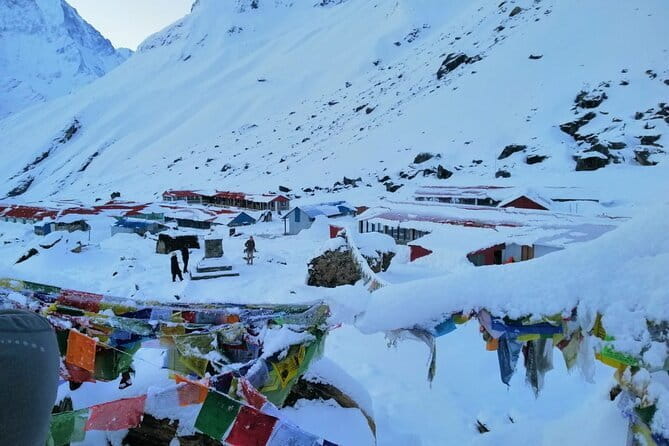
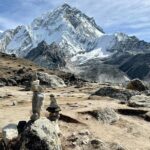
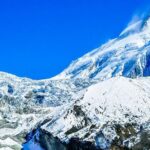
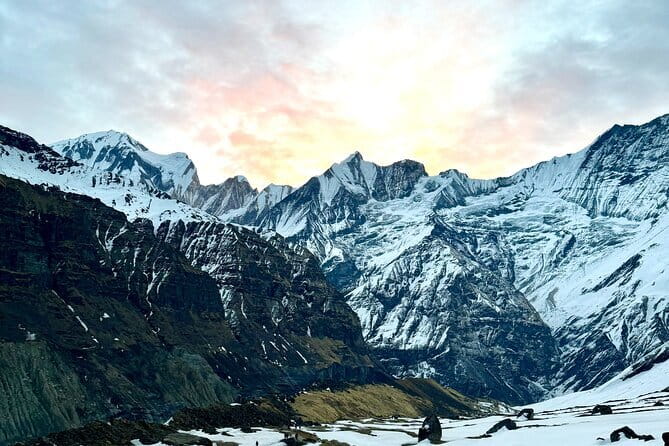
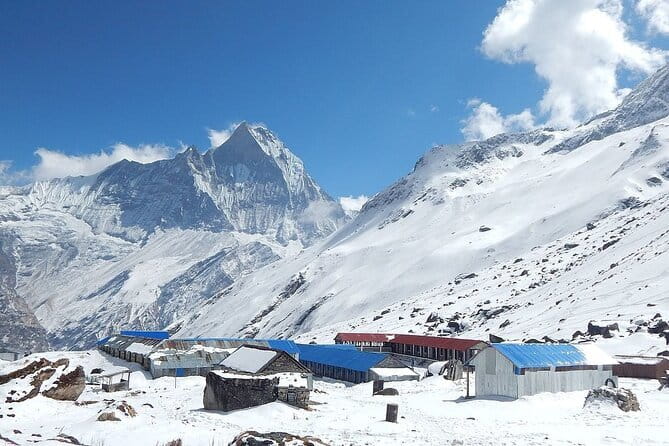
Day 8 is the trek to Annapurna Base Camp, and Days 9–10 are built around hiking and viewpoint time at or around the camp area. This is where the experience becomes more than just movement. It becomes about standing in a dramatic high-mountain setting where multiple peaks and ridges start to make sense in your head.
The itinerary emphasizes the high payoff: base camp views, the iconic feeling of reaching the goal, and extra time for hikes. That matters because Annapurna Base Camp is not a one-and-done stop. You want enough time to breathe, take photos when the light is right, and adjust if the weather isn’t cooperative.
Day 10 specifically mentions one of the most view-point routes in the region. Even without going into every micro-detail, the intent is clear: you’ll get at least one dedicated stretch for panoramic viewing rather than only focusing on reaching camp.
Returning by tourist bus and closing the loop in Kathmandu
Day 11 returns to Kathmandu by tourist bus, which is a practical choice after several days of walking. Day 12 finishes with final departure back home from the meeting point.
I like this wrap-up plan because it keeps the end simple. You’re not stacking flights and complicated transfers right after your highest day. The bus gives you time to come down from the mental intensity of the trek.
It’s still worth planning a low-key rest day vibe after you arrive in Kathmandu. Sleep, hydration, and easy meals go a long way here.
Teahouses, meals, and the daily cup of tea rhythm
Meals during the trek are included: breakfast, lunch, and dinner, with a cup of tea or coffee. You’ll also have tea house accommodation during the trek itself. This setup is valuable because it removes a major decision point from each day.
What you can expect from a teahouse trek is simple, reliable comfort. Rooms are basic, food is straightforward, and the real value comes from warmth, fueling, and staying on schedule. If you’ve never done this style of trekking, it’s a good match for people who want an organized experience without a lot of complicated logistics.
One note: extra hot and cold drinks are not listed as included beyond the tea/coffee mentioned. So if you’re a heavy “always sipping something” person, budget a little extra for daily comfort.
Guides, porters, and service that actually matters on a trek
This is where the reviews shine in a very practical way. You’ll have a license holder professional trekking guide and an expert local porter. In addition, names like guide Cecil and organizer Rabin show up in feedback for professionalism, responsiveness, and smooth planning.
A good guide does more than point the way. They help with pace, safety choices, and the small problem-solving moments that pop up on mountain trips—weather changes, timing, energy levels. The positive comments about feeling safe and having thoughtful help are exactly what you want when you’re far from easy medical services.
Porters also matter for more than carrying. When the porter team is described as helpful and fun-working—names like Samu Gurung and Bishal came up—it usually means you’ll spend less time worrying about gear management and more time focused on your hike.
Price and value: $935 for an organized Annapurna Base Camp trek
At $935 per person, this trek sits in the “organized and supported” category. You’re paying for structure: city hotels, transport between Kathmandu and Pokhara, teahouse lodging on the trail, and the whole permit package.
Here’s what makes the price feel more reasonable than it first appears:
- Permits are included (TIMS and ACAP). That’s not a tiny line item.
- All trek meals are included (breakfast/lunch/dinner plus tea/coffee).
- You get hotel nights in Kathmandu and Pokhara, not just trail days.
- You have a licensed guide and local porter, which reduces guesswork and effort.
What’s not included matters too. Travel insurance and evacuation insurance are not listed, and that’s a big one for high-altitude trekking. Tips are also not included, so you should plan for that cost in your overall budget.
So the value question comes down to this: if you want a planned, permit-included, supported trek with predictable meal and lodging support, this price can be fair. If you’re trying to do this trip in the cheapest possible way, you’ll have to compare against more DIY-style options.
Who this trek suits best (and who should think twice)
This is best for you if you have moderate physical fitness and you’re comfortable with several days of hiking at altitude. The route description also suggests a realistic pacing approach with a mix of shorter and longer walking days.
It’s also a good match if you like a balance of culture and mountain time. The Kathmandu start and Pokhara stop aren’t afterthoughts; they’re part of how the itinerary sets you up to enjoy the trek rather than just endure it.
Think twice if your priority is minimal walking or a completely non-structured trip. This is private for your group, but it’s still a real trek with altitude and steady walking days.
Booking, pickup, and practical timing you should plan for
The meeting point is Everest Trekking Routes Pvt. Ltd., Timila Marg, Kathmandu and the start time listed is 1:15 am. That early start is the kind of detail that can surprise people, so treat it like a real schedule item, not a vague estimate.
Pickup is offered: the package includes airport/hotel/airport pick up and drop by private car/van/bus. That’s helpful because Kathmandu arrival can be chaotic, and smooth pickup reduces stress before you start unpacking for trekking.
Also note the tour is described as a private tour/activity, meaning only your group participates. That often helps keep the pace and communication tight, especially on trekking days.
Should you book this Annapurna Base Camp trek?
I think you should book it if you want an organized Annapurna Base Camp experience with permits handled, meals included, and real guide/porter support. The combination of Kathmandu/Pokhara setup plus multiple base-camp-viewing days is a strong way to make sure you’re not just racing to the endpoint.
Skip it or at least compare carefully if you’re trying to avoid early starts, or if you want meals and drinks fully customized to your preferences beyond tea/coffee. And do not forget to budget for insurance and tipping, since those are not included and altitude trekking is exactly where you want protection.
If you want a well-supported trek where the main work is walking (not logistics), this plan fits that goal.
FAQ
How long is the Annapurna Base Camp trek?
The duration is listed as 12 days (approx.), with the overall trek described as typically 10 to 14 days.
What altitude does the trip reach?
The overview notes an accomplishment point at about 4,130 meters.
Do you get transportation between Kathmandu and Pokhara?
Yes. The itinerary includes Kathmandu to Pokhara and return to Kathmandu by tourist bus.
Are hotels included before the trek?
Yes. You get 2 nights in Pokhara (with breakfast) and 2 nights in Kathmandu at Kathmandu Suite Home (with breakfast).
Are trekking meals included?
Yes. All meals during the trek are included: breakfast, lunch, and dinner, plus a cup of tea or coffee.
Is accommodation provided during the trek?
Yes. The trek includes all tea house accommodation during trekking days.
What permits are included?
The package includes trekking permits: TIMS and ACAP.
Is Wi-Fi available during the trek?
Wi-Fi on the trekking route is listed as not included.
Do I need to bring my own insurance?
Yes. Travel insurance and evacuation insurance are not included.
Can I cancel and get a full refund?
Yes, free cancellation is offered if you cancel at least 24 hours in advance for a full refund.