REVIEW · KATHMANDU
Ghorepani Poonhill Trek -8 Days
Book on Viator →Operated by Himalayan Adventure Treks and Tours Pvt Ltd · Bookable on Viator
Early starts, big mountain payoff.
This Ghorepani Poon Hill trip is interesting because it stacks Poon Hill sunrise views over the Annapurna and Dhaulagiri ranges with classic foothill trekking through rhododendron forests and village stops—then tops it off with a Kathmandu culture day. I like the way the route is built for beginners and shorter schedules, including lodge-based nights (no camping gear headaches). One consideration: you’re signing up for early mornings (especially the pre-dawn push to Poon Hill at 3,210m).
What really makes this feel practical is the support. You get a private-group setup with airport pickup and hotel transfers, plus an experienced guide and porter help (with a porter ratio of 1 porter for 2 clients). In addition, I like that the experience is packaged with 3-star stays in Kathmandu and Pokhara, and then simpler lodge/tea-house accommodations while trekking—so your comfort level is planned rather than improvised.
From the people side, you also get real continuity. Guides I’ve seen associated with this operator—like Badri, Prakash, and Gomboo Sherpa—are described as patient, friendly, and helpful, which matters when you’re learning trail rhythm and altitude timing. You’ll also enjoy small touches like a company T-shirt, a duffle bag that’s handled during the trek, and a farewell dinner with cultural performance on your last night in Nepal.
In This Review
- Key highlights worth knowing before you go
- Why this 8-day Ghorepani Poon Hill trek is such an efficient plan
- Day 1–2: Kathmandu arrival and Pokhara’s warm-up views
- Day 3: Nayapul to Birethanti—and the Annapurna countryside start
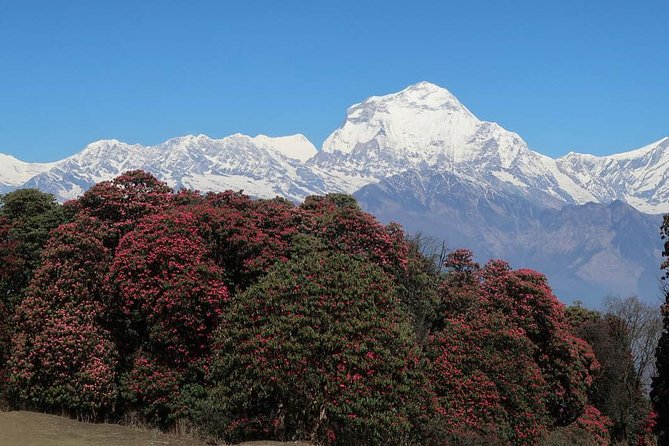
- Day 4: Ulleri to Ghorepani through rhododendron forests
- Day 5: The big sunrise day at Poon Hill (3,210m)
- Day 6: Descend into Ghandruk and explore Gurung village life
- Day 7: Cable car access at Kurintar, then the return to Kathmandu
- Day 8: Airport transfer and time to plan what’s next
- What’s included (and what “value” really means here)
- Price and logistics: is $800 fair for this mix of trek + city time?
- Who this tour suits—and who should think twice
- Should you book this Ghorepani Poonhill Trek (8 Days)?
- FAQ
- How long is the Ghorepani Poonhill trek?
- Where does the tour start and end?
- Is airport pickup included?
- What permits are included?
- What level of support do I get on the trek?
- What are the accommodations like?
- Are meals included?
- Is vegetarian food available?
- What’s not included in the price?
- Is Kathmandu sightseeing included?
- What if plans change last minute?
Key highlights worth knowing before you go
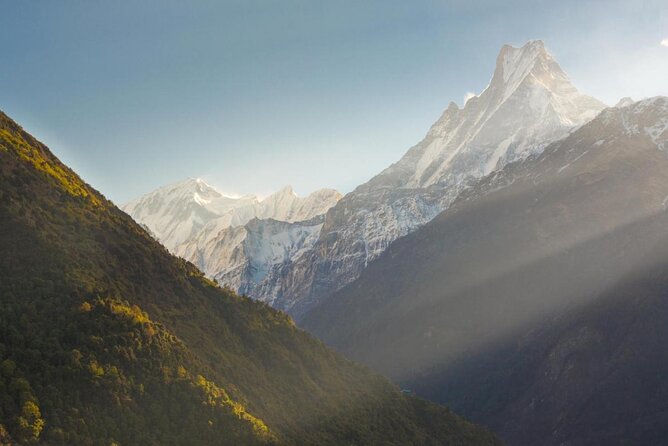
- Poon Hill at 3,210m for sunrise over the Annapurna and Dhaulagiri ranges (the headline moment)
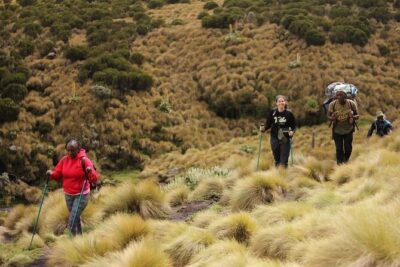
- Rhododendron forest trekking with village passes that keep the walks interesting
- Gurung culture nights in lodge/homestay-style stops as you head toward Ghandruk
- Kathmandu culture day including Pashupatinath, Boudhanath, Swayambhunath, and Kathmandu Durbar Square
- Permits handled for you (TIMS and ACAP) plus paper-work support and travel/rescue arrangements
- Support system included with guide + porter (1 porter for 2 clients) and a first-aid kit available
Why this 8-day Ghorepani Poon Hill trek is such an efficient plan
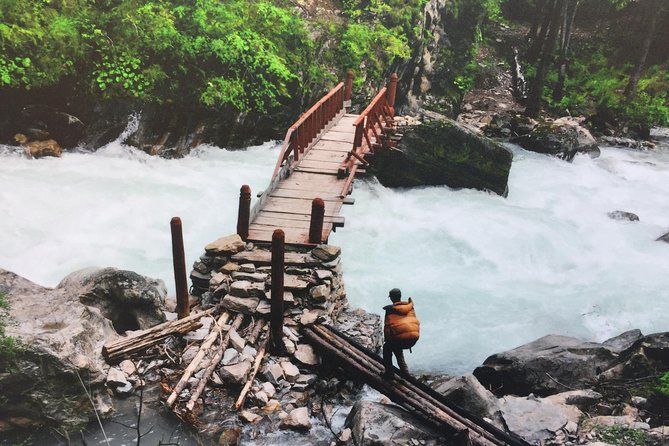
If you’ve got limited time in Nepal, this route has a smart rhythm: it’s short enough to feel doable, but it still hits the big dream goals—mountain sunrise and classic foothill villages. The trekking portion reaches Ghorepani at about 2,860m and then pushes up to Poon Hill at 3,210m for the early viewpoint hike. That’s not “entry level altitude” like city life, but it’s manageable if you pace yourself.
It also avoids the common vacation trap of doing everything in one day. Instead of cramming sunrise, long climbs, and city sightseeing into the same schedule, you get a clear separation:
- Kathmandu and Pokhara to set your bearings
- A few dedicated trekking days to let the scenery settle in
- A return route that includes a scenic/cultural stop before you fly out
You’ll also notice the balance between “moving” and “recovering.” Several days are set up around about 4–7 hours of walking, plus time to explore villages during daylight—especially on the way to and in Ghandruk.
You can also read our reviews of more tours and experiences in Kathmandu.
Day 1–2: Kathmandu arrival and Pokhara’s warm-up views
You land at Tribhuvan International Airport (TIA), meet a company representative, and head to your hotel by private vehicle. This matters because Kathmandu arrival can be chaotic—having a pickup right away means you start with less stress and more sleep.
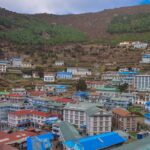
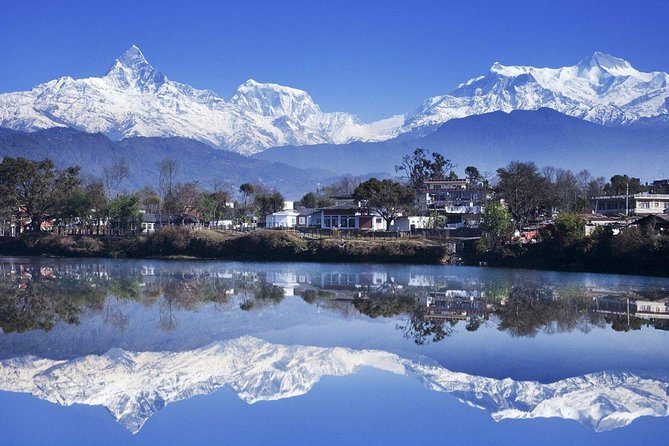
Then you drive to Pokhara. This isn’t treated like a rushed transfer; it’s planned as a full morning-to-afternoon movement day, leaving time to see the Pokhara Valley as you go. If you’ve never been in Nepal’s lake-city area, this is a great “gear check” day. You’ll start noticing the mountain atmosphere, the change in pace, and the shift from city bustle to trekking-town calm.
Practical note for your expectations: Pokhara is where most people begin imagining the trek. If you’re the kind of traveler who gets excited by details, pay attention to the changing views along the drive—those are the same mountains you’ll later see from higher vantage points.
Day 3: Nayapul to Birethanti—and the Annapurna countryside start
Your trek day begins with a 1.5-hour scenic drive from Pokhara to Nayapul (1,050m). From there you start walking toward Birethanti. The early segment is gently paced, and the goal isn’t to “win” the day—it’s to warm up your legs while the Annapurna range opens in the background.
This is one of those underrated planning choices. A gentle start reduces the odds that you’ll spend the next days feeling wrecked. It also gives you time to get used to the lodge rhythm: snack stops, tea breaks, and the simple but important act of figuring out what pace feels good when you’re carrying a daypack.
Day 4: Ulleri to Ghorepani through rhododendron forests
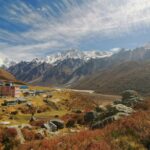
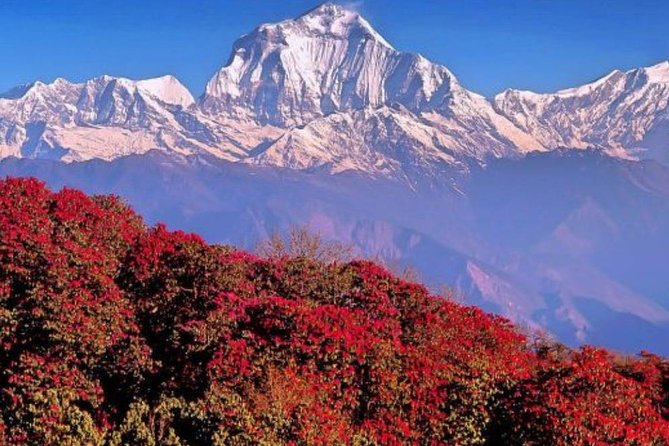
Today is a real elevation step: Ulleri is around 1,827m and Ghorepani is about 2,860m, for roughly 1,033m of gain over about 5–6 hours. The trail climbs through lush rhododendron forests and passes villages such as Banthanti and Nangethan.
This is the kind of day that makes you remember why people love foothill trekking. You’re not just “walking from A to B.” You’re moving through changing vegetation and small village rhythms, and you’ll likely notice how the air cools as you gain altitude.
If you’re new to hiking, this is also a good day to test your pacing strategy. Go slow uphill. Take short breaks. Let your body catch up. That’s how you keep tomorrow’s sunrise effort from feeling brutal.
Day 5: The big sunrise day at Poon Hill (3,210m)
This is the day you’ll remember when people ask, so what was it like?
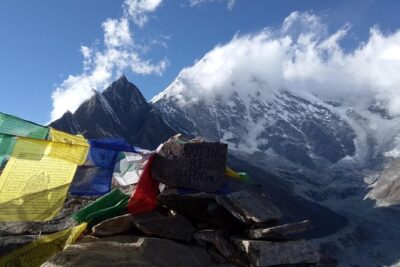
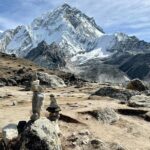
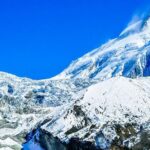
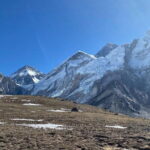
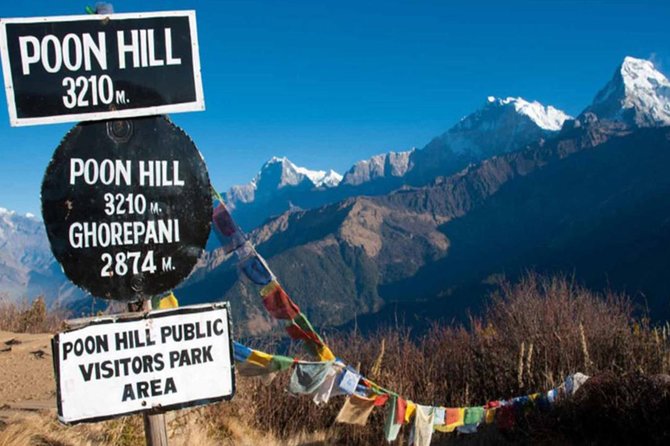
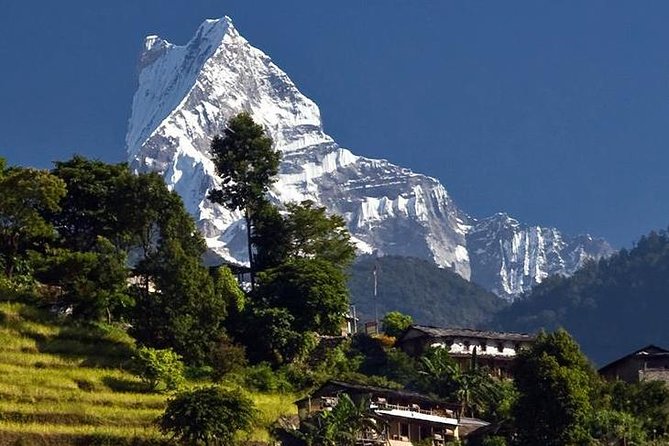
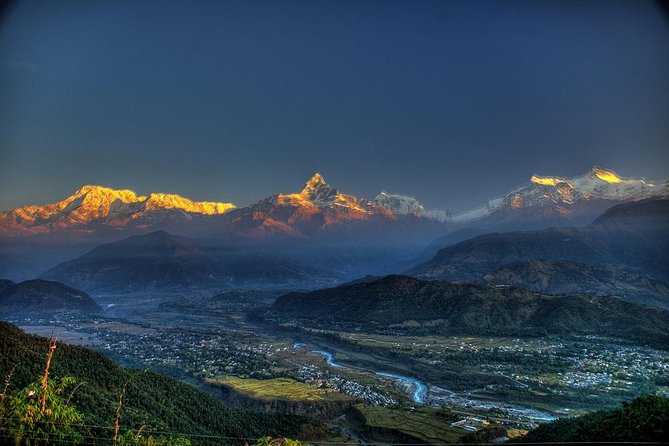
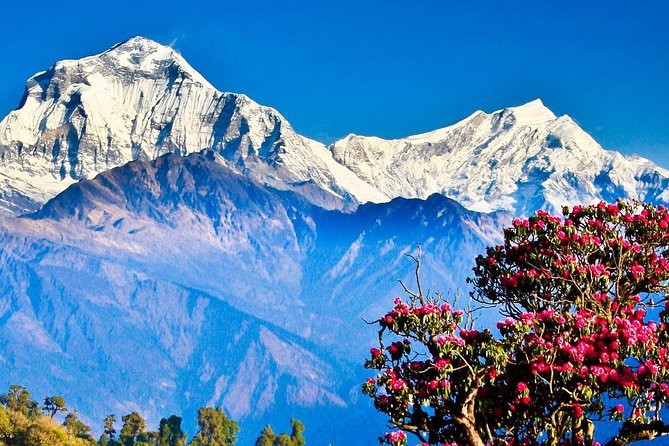
The plan centers on an early hike to Poon Hill at 3,210m to enjoy sunrise over the Annapurna and Dhaulagiri range. From Poon Hill, you can see mountain highlights including Machhapuchhre (6,997m), Mardi Himal (5,553m), and Lamjung Himal (7,454m). That’s a lot of famous names for one morning—and it’s why the Poon Hill viewpoint is so popular.
The morning effort is rewarded by the payoff of seeing light crawl across multiple ridgelines. Even if clouds happen, you’ll still get dramatic mountain presence. And if conditions are clear, this is one of those moments that feels bigger than the hours you spent climbing for it.
Small reality check: sunrise hikes are early. Plan for the fact that you’ll be moving before you’re fully awake. It helps if you treat breakfast timing and hydration as part of the sunrise plan, not an afterthought.
Day 6: Descend into Ghandruk and explore Gurung village life
After the sunrise day, you get an easier day: a descent through dense forests of oak, rhododendrons, and fir. The walking is described as easy and short, with plenty of time to explore Ghandruk village during daylight.
Ghandruk is a big reason this trek is so satisfying. You’re transitioning from a viewpoint-focused day into a “human scale” day. Instead of chasing vistas, you slow down and soak up the village feel—local routines, architecture, and the Gurung community vibe that defines this corner of the Annapurna region.
For many people, this is the day that flips the trek from scenery to story. If you like meeting locals, chatting in a lodge dining room, and noticing how community life works at a mountain pace, you’ll likely love this stop.
Day 7: Cable car access at Kurintar, then the return to Kathmandu
Your travel day mixes sightseeing and movement. On the way back, the plan includes head-up-to Damauli, Dumre, Muglin, and Kurintar, where Nepal’s first cable car connects to Manakamana Temple. From Naubishe you climb up to Thankot, described as the gateway to Kathmandu.
This day is interesting because it breaks the monotony of straight trekking-to-boarding. You’re not just “going back.” You’re doing a regional highlight stop that adds a different kind of Nepal experience—temple culture and a scenic ride option—before you reach the capital again.
It also helps with pacing. By the time you’re back near Kathmandu, you’re already done with the hardest hiking part, so you can shift into rest-and-flush-out-your-cameras mode.
Day 8: Airport transfer and time to plan what’s next
On the final day, you get a representative transfer to the airport, about 3 hours before your scheduled flight. The plan is built to reduce last-minute stress. That extra buffer matters in Nepal, where traffic and timing can shift.
On the way to the airport, you’ll have time to plan your next trip—because once you’ve seen Poon Hill, you’ll likely want more mountains.
What’s included (and what “value” really means here)
This package covers a lot of the practical stuff that usually turns a dream trek into logistical chaos:
- Airport pickup and private transfers to and from the trek base areas
- Two nights in Kathmandu (3-star) with breakfast and two nights in Pokhara (3-star) with breakfast
- Guide + porter support (porter ratio: 1 porter for 2 clients)
- TIMS permit and ACAP permit plus paper-work support
- Lodges/tea houses during trekking
- Travel and rescue arrangements and a first-aid kit available
- Duffle bag service (returned after the trek)
- Company T-shirt
- Meals: 7 breakfasts, 4 lunches, and 4 dinners included
- Last-night farewell dinner at an authentic Nepalese restaurant with cultural performance
A key value point: permits and paper-work are handled. If you’ve ever tried to sort trekking permits on the fly, you know why that matters. It also reduces time spent finding offices and matching documents.
Also worth noting: vegetarian options are available if you ask when booking. That’s the kind of detail that can make or break comfort on a trek.
Price and logistics: is $800 fair for this mix of trek + city time?
At $800 per person for an 8-day plan, you’re paying for a package that includes more than just walking. You’re buying:
- 3-star accommodation in Kathmandu and Pokhara
- private ground transfers
- a guide and porter support system
- trekking permits
- multiple meals (breakfasts plus a mix of lunches/dinners)
- trekking support items like duffle bag handling and a first-aid kit availability
- a guided Kathmandu day covering major UNESCO heritage sites
What’s not included keeps the budget from feeling artificially low:
- Nepal visa fee
- international airfare
- travel and rescue insurance
- personal expenses (like phone calls, laundry, battery recharge, hot shower if available, bottled/boiled water, and similar costs)
- tips for guide and porter
So is it good value? For many travelers, yes—because it bundles the parts that create hidden friction: permits, transfers, meal planning, and guide/porter staffing. If you were to DIY this, you could end up paying for guides anyway, plus you’d still need permits and transportation coordination.
One more thing: this is a private tour/activity, meaning it’s not a mixed random group experience. That usually makes pacing and support feel more tailored to your needs.
Who this tour suits—and who should think twice
This trek fits best if you:
- want a classic first Nepal trek without multi-week demands
- like sunrise viewpoints and village trekking
- prefer lodge/tea-house accommodations rather than camping
- want a Kathmandu culture day alongside the mountains
- appreciate support systems (guide + porter, permits handled)
You might want to think twice if you:
- hate early mornings (Poon Hill requires an early start)
- want complete independence with zero organized support
- dislike altitude entirely, even at modest trekking heights like 2,860m and 3,210m
- need special medical/insurance planning beyond what’s mentioned (insurance isn’t included)
Should you book this Ghorepani Poonhill Trek (8 Days)?
Yes, I’d book it if your goal is a well-paced, beginner-friendly trek that still delivers the big Nepal moments: Poon Hill sunrise, rhododendron forest hiking, Ghandruk village time, and a Kathmandu day hitting major UNESCO sites. The strongest reason to choose this one is the balance of guided logistics and included essentials—permits, transfers, lodging, and meals—so you spend less time coordinating and more time experiencing.
Book with confidence if you’re comfortable with early starts and you pack smart for a short, repeated elevation schedule. If you’re unsure about your fitness or altitude comfort, you’ll get the most out of it by telling the guide early what pace feels right for you—because with a short trek, pacing is everything.
FAQ
How long is the Ghorepani Poonhill trek?
The trek is listed as 8 days approximately, including Kathmandu and return travel time.
Where does the tour start and end?
It starts at Tribhuvan Airport in Kathmandu, Nepal, and ends back at the meeting point.
Is airport pickup included?
Yes. You get pickup from the airport and transfer to your hotel by private vehicle.
What permits are included?
The package includes TIMS permit and ACAP permit, along with paper-work support.
What level of support do I get on the trek?
You’ll have an experienced guide and a porter. The porter arrangement is 1 porter for 2 clients.
What are the accommodations like?
You get two nights in 3-star hotels in Kathmandu and two nights in 3-star hotels in Pokhara. During the trek, you stay in lodges/tea houses.
Are meals included?
Yes. Breakfast is included for 7 days. Lunch is included for 4 days, and dinner is included for 4 days.
Is vegetarian food available?
Yes. A vegetarian option is available if you request it at booking.
What’s not included in the price?
Not included are the Nepal visa fee, international airfare, travel and rescue insurance, personal expenses (like phone calls, laundry, bar bills, extra charges, hot shower if applicable, and water), and tips for guide and porter.
Is Kathmandu sightseeing included?
Yes. The Kathmandu day tour includes Pashupatinath, Boudhanath, Swayambhunath, and Kathmandu Durbar Square.
What if plans change last minute?
Free cancellation is offered up to 24 hours in advance for a full refund. If you cancel less than 24 hours before the start time, the amount paid is not refunded.