REVIEW · RISHIKESH
Nag Tibba Snow Trek
Book on Viator →Operated by TrailHikers · Bookable on Viator
Nag Tibba turns a weekend into a summit story. This overnight snow trek from the Rishikesh region is a rare mix: real Himalayan hiking plus a camp setup that keeps things warm and organized. I especially like the way the plan builds toward the summit early the next morning, then gives you a full afternoon to regroup and head back. I also like that the team doesn’t leave you to figure things out—guides and staff actively look after the group (I’ve seen names like Raman Sharma, Suman Singh, and local guide Ganesh bhaiya tied to good care). One thing to consider: this is still a hike on snow and cold trails, and you’ll need moderate fitness plus your own footwear/jacket style—those personal trekking items are not included.
The main value here is that you get the feel of an overnight mountain trek without signing up for a long, multi-day commitment. Transfers from Dehradun or Mussoorie to Pantwari are included, along with camping gear and meals, so you can focus on walking and sleeping well. The possible downside is that mountain timings are always tentative, so your day’s pace will depend on weather and your stamina.
In This Review
- Key Things That Make Nag Tibba Work as a Weekend Trek
- First Steps in Pantwari: Getting Ready for a Real Snow Trek
- Practical note on what to bring
- Day 1 on the Trail: Lunch on the Move and Camp Before Dark
- What the included gear really does for you
- Day 2: The Early Summit Push to Nag Tibba
- How the summit hike should feel (and how it might not)
- Getting Back to Dehradun or Mussoorie Without Losing the Day
- Transfers, Permits, and Meals: Where the $54 Value Actually Comes From
- What’s not included (so you’re not surprised)
- Guides and Camp Staff: The Human Part That Makes or Breaks It
- Who This Trek Suits Best (and Who Might Feel Miserable)
- Should You Book Nag Tibba Snow Trek?
- FAQ
- Where does the Nag Tibba snow trek start and end?
- How long is the trek?
- What time do you start hiking on Day 1?
- What time do you reach the Nag Tibba summit on Day 2?
- Are meals included?
- Is camping gear included?
- Are transfers included from Dehradun or Mussoorie?
- What personal gear do I need to bring?
- What if weather is poor?
- What’s the group size like?
Key Things That Make Nag Tibba Work as a Weekend Trek
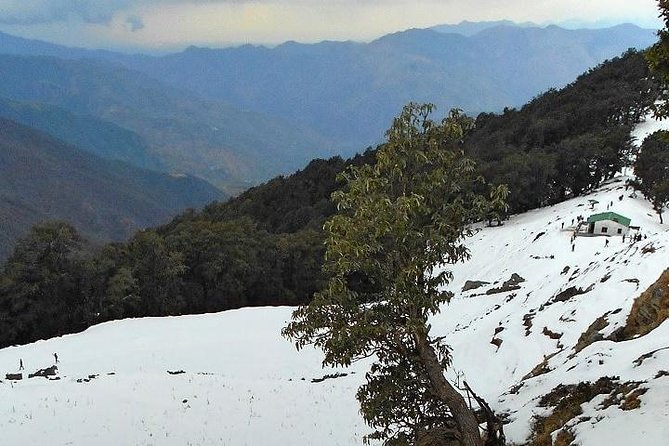
- Early summit timing: Aim is to reach Nag Tibba by around 9:30 am on Day 2, not late-afternoon sightseeing.
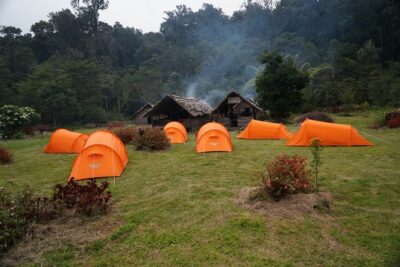
- Camp comfort included: Tents, sleeping bags, and mats are provided, so you’re not hauling serious gear.
- Meals remove guesswork: Breakfast, lunch (two meals), dinner, and snacks/tea are baked into the plan.
- Transfers are part of the deal: Round-trip transport from Dehradun/Mussoorie to Pantwari is included.
- Small group size: Max 25 travelers helps keep the hike from feeling like a crowd crush.
- Bonfire and downtime: Evening tea/snacks plus a bonfire give you a real camp rhythm after the walking.
First Steps in Pantwari: Getting Ready for a Real Snow Trek
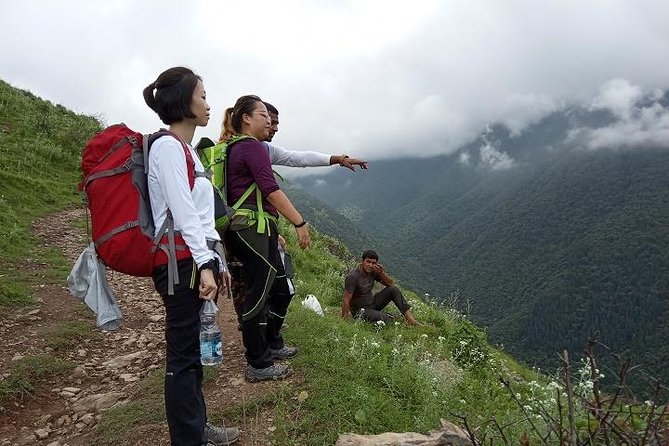
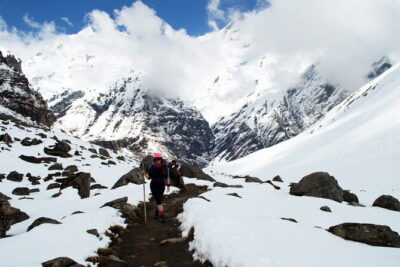
Nag Tibba is often sold as a snow trek, and the best part is that it doesn’t feel like a theme park. You start from Pantwari and move straight into the trail day—no long sightseeing detours, no endless waiting. The plan targets reaching Pantwari by 10:30 am, then you get breakfast en route or based on what works for the group.
At 11:00 am, the hike starts. This matters because you’re not spending your best daylight stuck in logistics. Expect the first push to feel like a warm-up plus an attitude check: cold air, snow on the route, and the steady uphill rhythm you’ll be doing for the next couple of days.
You can also read our reviews of more tours and experiences in Rishikesh.
Practical note on what to bring
Your personal trekking gear is on you—items like jackets, poles, and hiking shoes are not included. If you’re thinking you can wear city shoes or skip real warmth, don’t. This is exactly the kind of trek where small comfort choices can make or break the experience.
Day 1 on the Trail: Lunch on the Move and Camp Before Dark
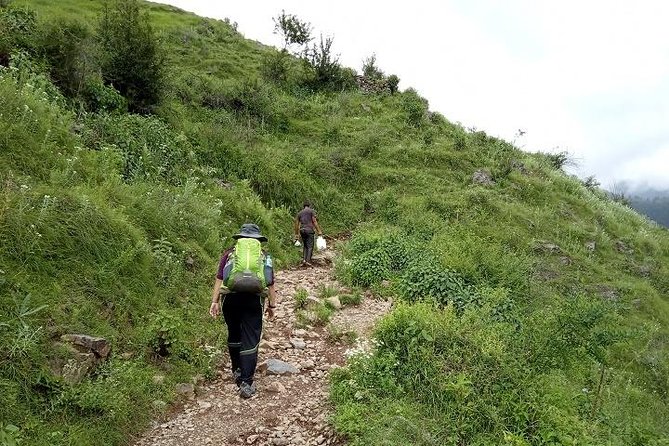
Day 1 is built like a classic mountain rhythm: walk, eat, climb, arrive, recharge. You’ll take a packed lunch on trail around 12:00 to 12:30 pm, and then keep moving toward your first campsite.
The target arrival at Camp 1 (listed as Kathian or Nag Tibba base) is around 3:30 to 4:00 pm. That arrival time is smart. You get enough daylight to settle in, enjoy tea/snacks, and still have time for the evening camp atmosphere without rushing.
Once you reach camp, the schedule is simple:
- Evening tea/snacks
- A bonfire
- Dinner at 8:00 pm
One more detail that’s easy to miss: there’s a 45-minute admission ticket included tied to the Day 1 block. The exact activity isn’t described in detail, so I treat it as a planned component of the day—expect there will be a defined, timed segment in the program.
What the included gear really does for you
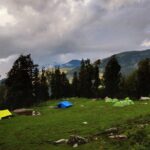
Camping equipment is included—tents, sleeping bags, and mats. This is one of the biggest “value” wins for a $54 two-day trek. You’re not paying separately for rental gear or stressing about whether you packed the right thermal setup. You can also keep your backpack lighter, because you’re not forced into carrying everything.
Day 2: The Early Summit Push to Nag Tibba
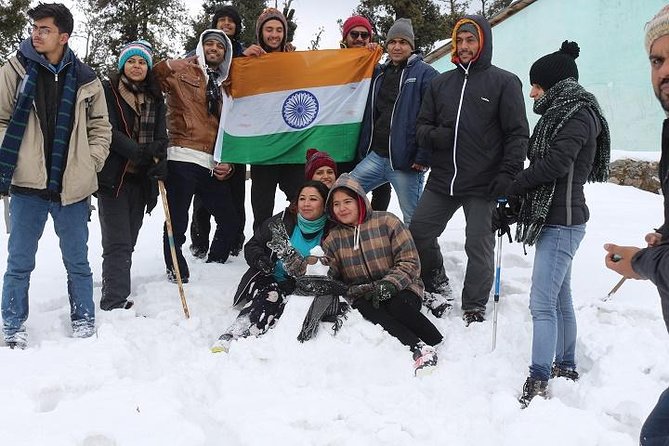
Day 2 starts early—wake time 5:30 or 6:00 am. Then it’s morning tea/snacks/breakfast around 6:00 am, followed by the summit trail at 6:30 am. Early starts sound brutal, but for a summit trek, it’s also how you avoid the day getting too warm and the path getting sloppy.
The plan targets reaching the Nag Tibba summit by 9:30 am, then heading back to camp by 12:30 pm. That timing matters because it keeps the day productive. You summit, eat, and still have a clear route back to Pantwari with energy left.
At camp, lunch is served, then you start the descent/trail back at 1:30 pm. You’re aiming to reach Pantwari by 4:00 pm, which gives the final transfer block a realistic window.
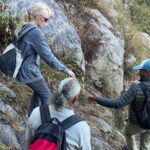
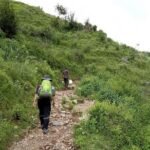
How the summit hike should feel (and how it might not)
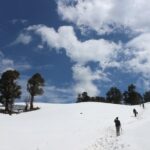
Nag Tibba can be steep, especially with snow. From the way groups talk about the climb dynamics, the hardest parts may feel like they’re optional for some people depending on stamina and conditions, while the descent is not. Translation: go into this with a flexible mindset. If you feel shaky, you should tell your guide rather than forcing it.
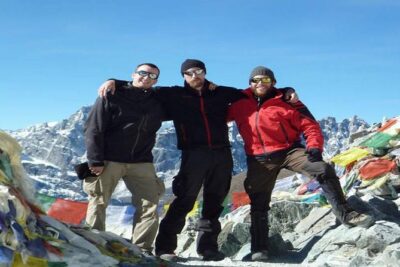
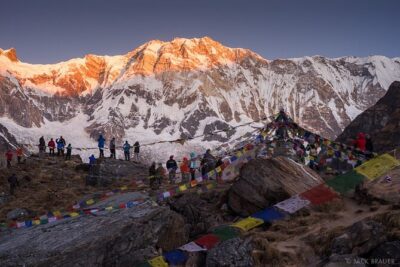
And yes, the views are a big deal here. One of the most common themes from hikers is that the effort fades as soon as you reach the peak—cold legs included. That’s the reward you came for.
Getting Back to Dehradun or Mussoorie Without Losing the Day
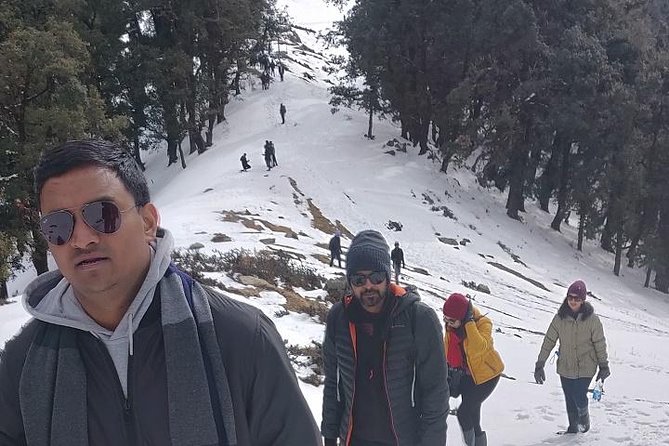
After reaching Pantwari by 4:00 pm, the schedule drives you back. You’ll head toward Dehradun/Mussoorie around 4:30 pm, aiming for Mussoorie by 6:30 pm or Dehradun by 8:00 to 8:30 pm.
This return timing is a key practical benefit. Many weekend treks end late or leave you stuck arranging your own ride back. Here, that last step is handled, so you can plan dinner and rest without guessing.
Also note the basic “mountain reality” line: timings are tentative and depend on pace and stamina. That’s not fine print—it’s just how altitude, snow, and trail conditions work.
Transfers, Permits, and Meals: Where the $54 Value Actually Comes From
At $54 for about two days, this trek is good value only because so much is included. You’re not paying extra for the basics that usually inflate trek costs: camping gear, meals, and transport.
Here’s the included bundle that adds real value:
- Round-trip transfers from Dehradun/Mussoorie to Pantwari
- Camping equipment (tents, sleeping bags, mats)
- Forest trekking / camping permits
- Meals: breakfast, lunch (two), dinner, plus tea/snacks
- Lunch is listed as included twice
- A mobile ticket is part of the process
There’s also an often-overlooked cost you should plan for: backpack offloading charges can apply at Rs 250–300 per backpack per day. It’s listed as not included, so if your backpack is too heavy, you might have to budget for offloading. Since this is a snow trek, you can easily end up overpacked if you’re not careful.
What’s not included (so you’re not surprised)
Not included:
- Personal expenses on food or medicines
- Any cost if you drop out
- Any hotel/lodge stay
- Backpack offloading (Rs 250–300 per backpack per day)
- Personal trekking gear (jacket, poles, hiking shoes)
If you’re traveling light, this can still be a smooth deal—just make sure your core cold-weather items are covered.
Guides and Camp Staff: The Human Part That Makes or Breaks It
A trek like Nag Tibba lives or dies on how the guide runs the group. The best sign here is that the program isn’t hands-off. Guides are checking on well-being, and the camp team is taking care of food and setup—names like Raman Sharma and Suman Singh show up with specific appreciation, and local guide Ganesh bhaiya is also called out.
This matters because a short trek gives you less time to recover from mistakes. If something feels off—pace, cold, a tired step—your guide needs to notice fast and adjust. A smaller group size (max 25) helps, but the real difference is active guidance.
And yes, food quality comes up again and again. People talk about tasty meals and good cooking, which is a big deal when you’re walking all day in cold air. Warm, filling food is not a luxury; it’s part of your trekking fuel.
Who This Trek Suits Best (and Who Might Feel Miserable)
This Nag Tibba snow trek is best for you if you:
- Want a real overnight Himalayan experience without 4–7+ days
- Have moderate fitness and can handle a snowy hike
- Like clear structure (start times, meals, camp, summit day)
- Prefer a guided group trek with gear provided
It may be less ideal if you:
- Hate early mornings (Day 2 is a real 6:00 am start)
- Don’t have proper cold-weather trekking shoes/jacket
- Expect an easy stroll with no steep snow sections
- Want to keep costs ultra-minimal after the basics (you might face backpack offloading charges)
Should You Book Nag Tibba Snow Trek?
I’d book this if you want the Himalayan magic fast. It’s a tight schedule, but in a good way: you summit, you camp, you eat well, and you get back to Dehradun/Mussoorie with your day still intact. The $54 price makes sense because the big cost drivers—transfers, camping gear, permits, and meals—are already included.
Before you hit confirm, check your own cold-weather kit. Bring or arrange the gear you’re responsible for, and don’t ignore the moderate fitness requirement. If you’re ready for a snowy uphill and a very early start, this is one of the best kinds of weekend adventure: short commitment, real payoff.
FAQ
Where does the Nag Tibba snow trek start and end?
You start at Pantwari (reaching by about 10:30 am on Day 1) and the trip ends back at the meeting point. After reaching Pantwari by about 4:00 pm on Day 2, you drive back toward Dehradun or Mussoorie.
How long is the trek?
The trek runs for about 2 days (overnight). The schedule includes hiking on Day 1, then a summit hike and return on Day 2.
What time do you start hiking on Day 1?
You start the trail at around 11:00 am on Day 1, after reaching Pantwari by about 10:30 am.
What time do you reach the Nag Tibba summit on Day 2?
The plan targets reaching the Nag Tibba summit by about 9:30 am on Day 2.
Are meals included?
Yes. Breakfast, lunch (two lunches are included), dinner, and tea/snacks are included in the tour price.
Is camping gear included?
Yes. Camping equipment is provided, including tents, sleeping bags, and mats.
Are transfers included from Dehradun or Mussoorie?
Yes. Round-trip transport from Dehradun / Mussoorie to Pantwari and back is included.
What personal gear do I need to bring?
Personal trekking gear like jackets, poles, and hiking shoes are not included, so you should plan to bring them.
What if weather is poor?
This experience requires good weather. If it’s canceled due to poor weather, you’ll be offered a different date or a full refund.
What’s the group size like?
The tour has a maximum of 25 travelers.