REVIEW · LOMBOK
Mount Rinjani 3D2N Private Trek – Summit, Crater Rim & Hot Spring
Book on Viator →Operated by Go2Rinjani · Bookable on Viator
Rinjani rewards early mornings. This 3-day private trek gives you a private guide and porters, camp on crater rims, watch the sky turn gold twice, and then cool off with a swim at Segara Anak before natural hot springs. One catch: you’ll need to bring basics like a headlamp and proper trekking shoes, since they’re not included.
What makes this plan feel “first-timer smart” is how much time is built in around the big moments. You’re not just racing uphill—you arrive mid-afternoon for crater rim views, then you spend the next day doing the hard part with a clear schedule and support.
This is for you if you want the iconic Mount Rinjani experience with less stress and more comfort. It’s a private trip (just your group), and it comes with a lot of the camping setup and meals taken care of, so you can focus on the volcano and not the logistics.
In This Review
- Key things you’ll notice on this Rinjani trek
- Why This 3-Day Private Rinjani Plan Works for First-Timers
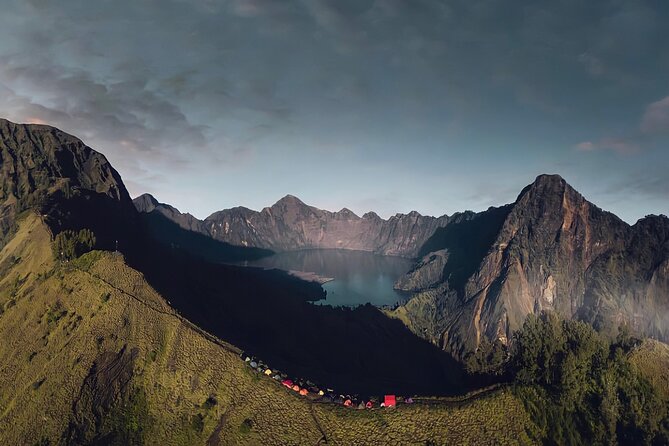
- Sembalun Crater Rim: Sunset Arrival and a Long Scenic Camp Window
- The Summit Climb: 3:00 AM Start and Your 30–45 Minute Peak Window
- Segara Anak Lake Swim and Hot Springs: The Best Recovery Combo
- Senaru Crater Rim: Sunset Over Mount Agung and Rainforest Experience
- Trek Rhythm, Camping Comfort, and What the Trip Actually Covers
- Gear Checklist: What You Must Bring (Even If the Team Handles Camp)
- The Team Factor: Guides and Porters Who Make It Feel Managed
- Pickup, Return, and the One-Night Hotel Included
- Price and Value: Is $365.39 per Person a Good Deal?
- Who Should Book This Trek (and Who Might Want a Different Option)
- Should You Book This Mount Rinjani Private Trek?
- FAQ
- How long is the Mount Rinjani 3D2N private trek?
- Is this trek private?
- What are the main time highlights for the summit?
- How long do you spend at Segara Anak and the hot springs?
- How long do you stay at the crater rims?
- What camping and trekking gear is included?
- What essential items are not included?
- Is transportation included?
- What happens if weather is poor?
Key things you’ll notice on this Rinjani trek
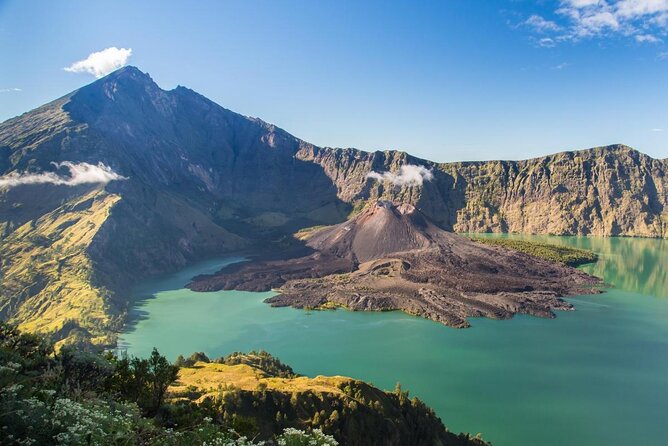
- A sunset start from Sembalun Crater Rim (you arrive around 4:00 PM and stay there roughly 12–14 hours)
- A 3:00 AM summit push with a focused time window on top (about 30–45 minutes)
- Segara Anak timing that works: arrive around 10:30 AM for about 4–5 hours of lake and hot spring time
- Senaru Crater Rim sunset over Mount Agung plus rainforest experience during the long evening camp window
- Camping gear and meals included, including sleeping bag, mat, tent, and a toilet tent
- Private-group pace with a mountain guide, local porter, and included entrance fees
Why This 3-Day Private Rinjani Plan Works for First-Timers
Mount Rinjani is one of those places where the planning can make or break the experience. This trek is built around the classic Rinjani rhythm: crater rim views to set the mood, a predawn summit climb, then Segara Anak and hot springs for the payoff.
I like that the trip isn’t “one big climb and done.” You get time to settle into camp locations and actually enjoy the volcano from multiple angles. That matters, because altitude and fatigue can turn even a spectacular view into something you half-notice if your schedule is too tight.
Also, the private format is practical. You’re not stuck trying to keep up with strangers’ paces or preferences. Your guide can manage the pace and breaks around your group, which is a big deal when the summit start is around 3:00 AM.
You can also read our reviews of more tours and experiences in Lombok.
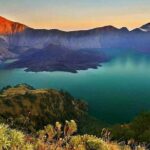
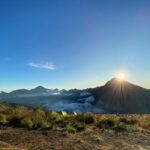
Sembalun Crater Rim: Sunset Arrival and a Long Scenic Camp Window
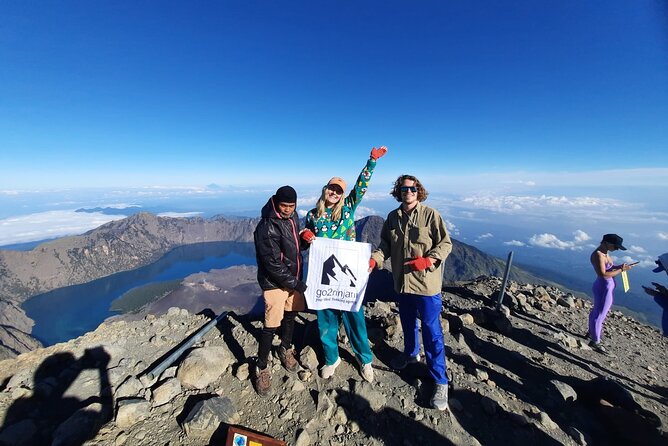
Your first big moment is arriving at Sembalun Crater Rim around 4:00 PM. You’ll spend roughly 12–14 hours there, which gives you room to do the fun stuff (sunset, photos, dinner) without feeling rushed.
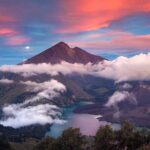
This timing is smart. Sunset at the rim is when the volcano tends to look dramatic—weather permitting—and the light makes the crater and surrounding slopes feel almost unreal. You can enjoy a hearty dinner and settle in before the next day’s early wake-up.
The drawback of a long crater rim stay is obvious: you’ll be waiting in one place for hours. If you like constant motion, it may feel like a lot of downtime. But for most people, that downtime is part of the magic. It’s a chance to slow down and let your body adjust before the hard push.
The Summit Climb: 3:00 AM Start and Your 30–45 Minute Peak Window
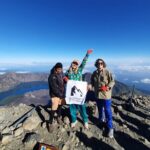
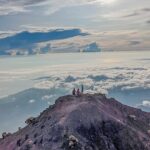
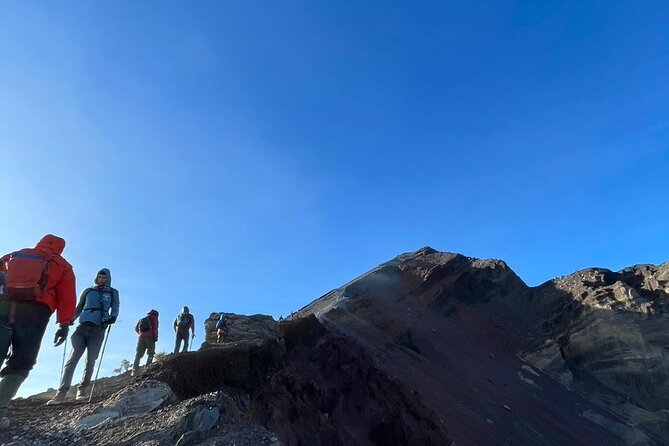
The summit portion is the headline, and this plan gives you a clear structure. The ascent starts around 3:00 AM, and you should reach the peak around 6:00 AM. The time on the summit is about 30–45 minutes, mainly to see sunrise and absorb the view.
Here’s the practical truth: summit hikes aren’t about long sightseeing time. They’re about efficient effort in the cold/dark, then quick, powerful payoff. If you plan your energy well, you can make those 30–45 minutes count.
Also, the early start means you should pack like you mean it. The trek schedule practically demands that you have a headlamp or hand torch, warm layers, and shoes that grip. Since those items aren’t included, you’ll want to handle this part early rather than hoping you can borrow gear on short notice.
Segara Anak Lake Swim and Hot Springs: The Best Recovery Combo
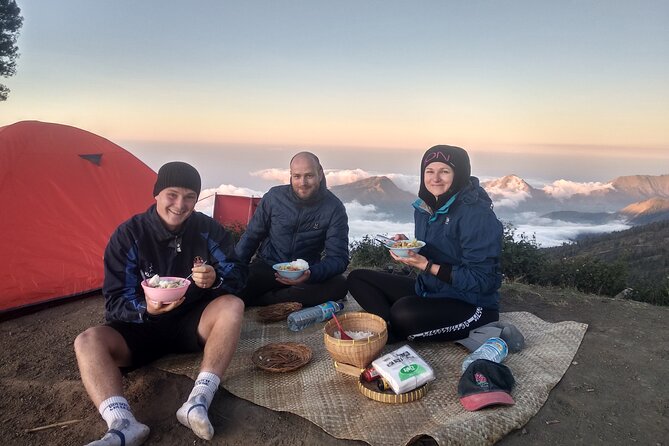
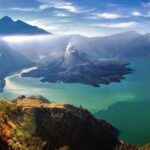
After the summit, you get a contrast that’s honestly one of the best parts of Rinjani trekking: Segara Anak and the natural hot springs. You’ll typically spend 4–5 hours here, arriving around 10:30 AM.
This is where the trip shifts from grind mode to reward mode. The lake experience is built around relaxing time—swimming in the clear volcanic water when conditions allow—followed by soaking in the warm springs. That combination does something your legs will appreciate: it helps you physically recover while you enjoy one of the most famous Rinjani scenes.
The consideration is simple: water time can get chilly fast depending on wind and weather. Bring a plan for changing into dry layers afterward, even if the trek provides meals and camping gear. Think comfort and warmth for the next stretch.
Senaru Crater Rim: Sunset Over Mount Agung and Rainforest Experience
Your final big camp area is Senaru Crater Rim, again with an arrival around 4:00 PM. You’ll spend about 12–14 hours there, catching sunset over Mount Agung. That cross-island view is the kind of detail that makes Rinjani feel bigger than one single mountain.
This part of the experience also includes a rainforest component. While the exact timing isn’t spelled out here, the label for this stop matters: you’re transitioning from volcanic drama to something greener and more textured, which helps the trip feel balanced instead of repetitive.
As with the first crater rim stay, you’ll likely have some waiting time before you settle in for the night. The upside is that you get another long view session—plus a different environment to appreciate before you wrap up.
Trek Rhythm, Camping Comfort, and What the Trip Actually Covers
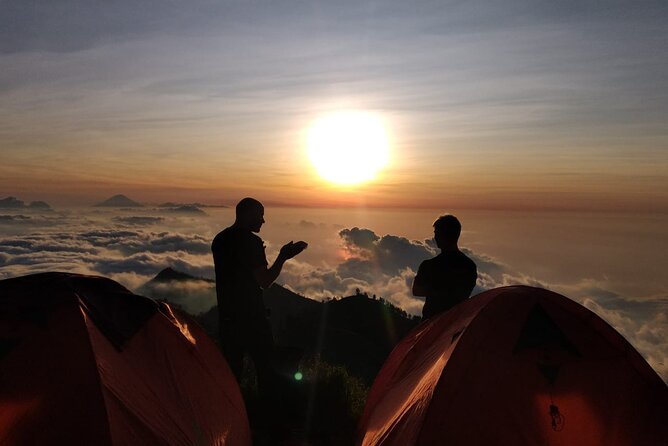
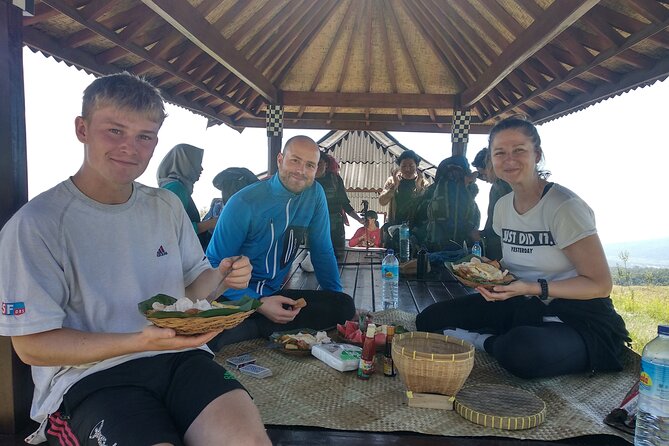
This is a camp-based trek, and the comfort details matter. The trip includes sleeping bag, mat, and a tent, plus a toilet tent. That means you’re not stuck hunting for basic camping supplies once you arrive on Lombok.
Meals and beverages are included throughout the trip, and you’ll also have cooking gear handled by the team. In plain terms: you can spend your mental energy on the hike and the views instead of managing meal logistics.
One more practical note: you’re trekking inside Mount Rinjani National Park. Entrance tickets/fees are covered, so you don’t need to figure out what to pay at each stage. That’s small, but it saves time and confusion when you’re already tired.
Gear Checklist: What You Must Bring (Even If the Team Handles Camp)
Here’s what’s on you. The trek does not include head lamp/hand torch, trekking shoes, trekking poles, gloves, trekking jacket, or long pants/trousers. It also doesn’t include travel insurance.
If I were packing for this specific schedule, I’d treat the early summit hours as the priority. Shoes with grip protect your ankles on steep and uneven sections. A headlamp matters for visibility from the 3:00 AM start. Gloves and a warmer jacket help you feel human on top and during the colder sections of the climb.
If you already own trekking poles, bring them. They don’t just help your knees on the descent; they help you maintain stability when footing gets tricky.
The Team Factor: Guides and Porters Who Make It Feel Managed
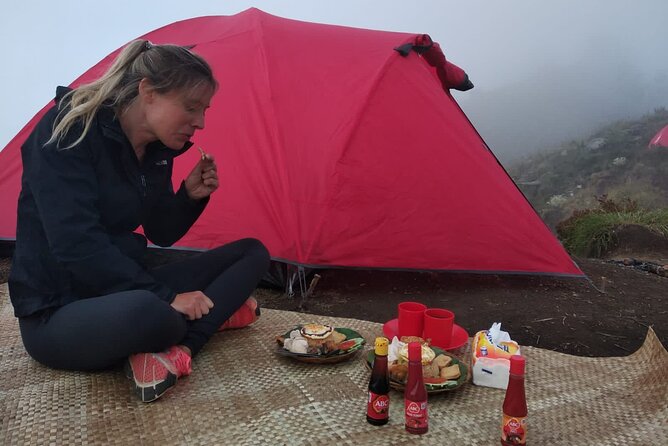
A lot of the best trekking experiences don’t come from the mountain. They come from the people handling the details so you can enjoy the day.
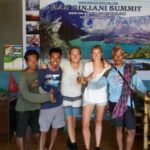
This company’s guides and porters have earned strong praise for service and care, and specific names show up repeatedly in the background of these trips. People have mentioned guides such as Rodi, Andy, Budin, and Bahar for being attentive, helpful, and focused on making the trip run smoothly. There’s also a consistent theme around porters preparing delicious food and taking care of day-to-day needs.
You’ll still need to do your part—hydrate, move at a steady pace, and communicate when you need a slower break. But a supportive team can reduce stress, especially with an early summit start and multiple camp nights.
Pickup, Return, and the One-Night Hotel Included
The trek includes pickup and return transportation, which is a real value-add. You’re less likely to lose time coordinating rides after a long day on foot, and it helps the trip feel like a single package rather than a DIY puzzle.
The included list also includes one night’s hotel accommodation. That helps if you want an easier start to your trekking days, especially after travel to Lombok. If you opt for custom hotel arrangements, additional charges may apply, but the baseline includes at least one night.
There’s also a waterfall tour included. The bigger point is that the trip isn’t only stairs and sky. It adds a non-summit scene along the way, which helps break up the intensity.
Price and Value: Is $365.39 per Person a Good Deal?
At $365.39 per person for about 3 days, the value comes from what’s included, not just the headline number.
You’re getting:
- A private setup (your group only)
- A mountain guide and local porter
- Meals and beverages throughout the trek
- Camping essentials (sleeping bag, mat, tent) and a toilet tent
- Entrance fees/tickets covered
- Pickup and return transportation
- One night of hotel accommodation
- A waterfall tour
Many lower-cost trekking options quietly charge extra for gear, entrance fees, or meals. Here, those basics are covered, which usually means fewer surprise add-ons once you commit. The fact that you’re paying for a well-run, camp-based experience helps justify the price.
Where you may feel the cost is in what you still need to bring yourself—shoes, headlamp, warm layers, and trekking poles if you use them. But those are normal items for Rinjani, not special extras. Think of the price as paying for the structure and support.
Who Should Book This Trek (and Who Might Want a Different Option)
This trek suits you if you:
- Want the full Mount Rinjani highlights in 3 days
- Prefer private guidance rather than sharing logistics with strangers
- Are comfortable with a moderate fitness level and early mornings
- Like the idea of mixing big views with recovery time (Segara Anak swim + hot springs)
It might not suit you if:
- You hate cold starts, since the summit climb begins around 3:00 AM
- You’re not able to hike while carrying a reasonable level of personal comfort needs (even though camp gear is provided)
- You expect every item of trekking gear to be included. Key items like headlamps and trekking shoes are not part of the package.
If you’re doing Rinjani for the first time, this “iconic plan with support” is usually a smart match. If you’re already an experienced trekker who wants total flexibility, you might compare other routes—but for first-timers, this one is built around timing that works.
Should You Book This Mount Rinjani Private Trek?
I’d say yes if your goal is a well-supported first Mount Rinjani experience with the major scenes lined up: crater rim sunsets, a sunrise summit window, Segara Anak and hot springs, and a final sunset view from Senaru.
Before you book, double-check that you’re prepared for what you must bring—especially a headlamp and trekking shoes—and be honest about whether the early summit hours work for your body. The schedule is part of the deal, and getting ready for it makes the whole trip better.
Also note the plan relies on good weather. If conditions are poor, the experience may be moved or refunded, so keep your dates flexible when you can.
If you want Rinjani without turning your trip into a gear-shopping scavenger hunt, this private 3-day format is a strong choice.
FAQ
How long is the Mount Rinjani 3D2N private trek?
It runs for about 3 days (3D2N).
Is this trek private?
Yes. It’s a private tour/activity, so only your group participates.
What are the main time highlights for the summit?
The ascent begins around 3:00 AM, and you’re expected to reach the peak by about 6:00 AM. Time at the summit is about 30–45 minutes.
How long do you spend at Segara Anak and the hot springs?
You typically spend about 4–5 hours at Segara Anak Lake and the hot springs, arriving around 10:30 AM.
How long do you stay at the crater rims?
At Sembalun Crater Rim and Senaru Crater Rim, you’ll spend roughly 12–14 hours at each location, arriving around 4:00 PM.
What camping and trekking gear is included?
The package includes a sleeping bag, mat, tent, and a toilet tent, plus cooking gear.
What essential items are not included?
Not included are headlamp/hand torch, trekking shoes, trekking poles, gloves, trekking jacket, and long pants/trousers.
Is transportation included?
Pickup and return transportation are included.
What happens if weather is poor?
If the experience is canceled due to poor weather, you’ll be offered a different date or a full refund.