REVIEW · LOMBOK
Rinjani Trekking 3 Days 2 Nights (Sembalun – Senaru)
Book on Viator →Operated by HaLoMi Trekker · Bookable on Viator
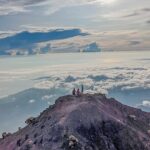
Rinjani is the kind of trip that resets your brain. This Sembalun to Senaru 3D2N trek takes you up toward the crater rim, onward for summit views, and down to the lake area with a chance to soak in the hot springs. It’s adventure with a real support setup: guides, camping gear, meals, and transfers.
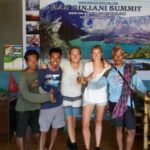
The part I really like is the people. You’ll hike with a local guide, and the guidance feels hands-on, including photo stops as you go. In the same spirit, names like Edi with porters Rus and Zul, plus guides Mul and Dani, show up as the kind of team that keeps things moving and keeps you safe when conditions turn.
One consideration: this is strenuous, and the list of what you need to bring is real. Trekking shoes, a headlamp, and long pants are not included, and weather can shift fast on volcano terrain.
In This Review
- Key things to know before you hike (Sembalun to Senaru)
- Sembalun to Senaru: why this 3D2N route makes sense
- The team matters most: guides Edi, Mul, Dani and porters Rus and Zul
- Your day-by-day plan: what you’ll do from briefing to the finish
- Day 1: briefing, Senaru waterfalls, and a crater-rim direction
- Day 2: summit push, lake descent, and camp near the rim
- Day 3: lake-to-rim hiking and the walk down to Senaru village
- Waterfalls, crater rim, lake, hot springs: how each part helps you
- The Senaru waterfalls: an easy win before the hard work
- The crater rim camping: you’re sleeping inside the volcano story
- Lake time: the payoff for the vertical effort
- Hot springs: recovery that feels earned
- Food, water, and the little comforts that make big days manageable
- Price and value: what you’re paying for at about $389.57
- Packing advice that matches what’s not included
- Fitness reality: can most people do it?
- Logistics like a pro: time, private group, and the Gili handoff
- Should you book this Rinjani 3D2N with HaLoMi Trekker?
- FAQ
- What’s the meeting time for the trek?
- What’s included in the package for meals and drinks?
- Are national park fees and local taxes included?
- Do I need to bring trekking shoes and a headlamp?
- Is there a vegetarian meal option?
- Is the tour private or shared?
Key things to know before you hike (Sembalun to Senaru)
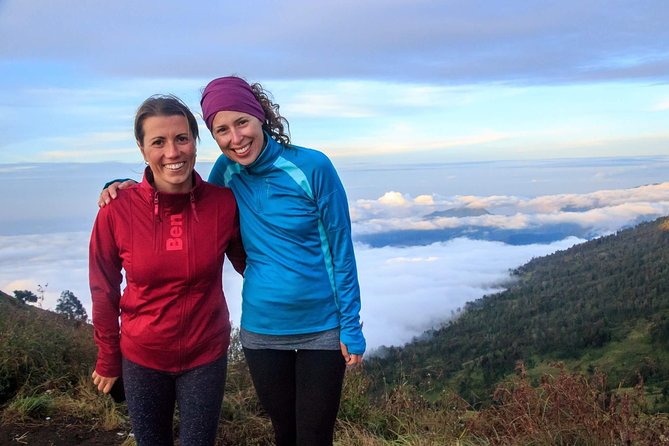
- Guide-run photo moments: you’re not stuck asking strangers to take your picture at the best spots.
- Camping setup included: camping gear, overnight accommodation, and meals are part of the package.
- Park fees handled: local taxes and national park fees are included, so you’re not doing paperwork mid-trip.
- Hot springs included: you get a real recovery option after big elevation days.
- Private group experience: it’s a private tour, so your pace and timing are less at the mercy of a crowd.
- Bonus Gili transfer after the trek: after you finish in Senaru, there’s a free boat transfer to Gili Island included.
Sembalun to Senaru: why this 3D2N route makes sense
This route is built around a classic Rinjani flow: start in the Sembalun area, work your way toward the crater rim, then transition deeper into the volcano zone where the big scenery happens. You don’t just “walk up and come back.” You’re moving between key zones, including the crater rim area and the lake and hot spring region, before finishing down at Senaru village.
What I like about this structure is that it spreads the effort. Day 1 sets you up with the crater-rim direction and a first taste of Rinjani’s terrain. Then the next days concentrate the harder vertical push and the rewarding crater/lake/hot springs sequence. Even if the exact hour-by-hour order can shift with weather and trail conditions, you can still expect the overall story arc: up, deeper, then back to Senaru.
Also, starting with pickups and transfers matters. You’re not fumbling around Lombok’s logistics while your legs are already warning you about the trip ahead. This package includes hotel/port pickup and drop-off, plus transfers from Lombok to Senaru on day 0 and back out to your next Lombok destination after you finish on day 3.
You can also read our reviews of more tours and experiences in Lombok.
The team matters most: guides Edi, Mul, Dani and porters Rus and Zul
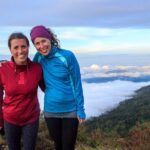
On a trek like Rinjani, your success often comes down to the team. The best part here is that the guide role is active, not passive. You’re not just led along a trail like it’s a shopping mall. Your guide helps manage pace, watches your footing, and takes photos as you go so your memories aren’t dependent on your selfie strategy.
It also helps that the porters are part of the “comfort system.” When Rus and Zul are mentioned as porters, it’s usually in the context of taking care of needs during camp and keeping food solid after a long day. The same theme shows up with guides like Edi, Mul, and Dani: attentive support, practical safety focus, and even a sense of humor that helps when the weather turns.
If you’re worried about feeling stuck when your energy drops, this matters. In real trekking terms, a good guide notices and adjusts—slowing down, offering encouragement, or helping with the situation when someone is struggling. That’s not a luxury on Rinjani; it’s part of how you stay steady.
Your day-by-day plan: what you’ll do from briefing to the finish
Day 1: briefing, Senaru waterfalls, and a crater-rim direction
You start in the morning, with the trek running on a 8:00 am start time. Day 1 begins with a briefing time and then includes a visit to Senaru’s waterfalls: Sindang Gile and Tiu Kelep. Admission for those is listed as free, and the waterfall stop is about 2 hours.
Why the waterfall moment is more than a scenic break: it’s a gentle way to calibrate before climbing terrain that later gets tougher. You’ll also get a feel for local footing and the kind of trail surfaces you’re about to tackle.
After that, you’ll move into the main trekking rhythm. The package is designed so day 1 covers the hike from Sembalun toward the crater rim and includes camping support and included meals and water for the hike and evening.
Day 2: summit push, lake descent, and camp near the rim
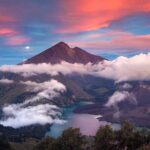
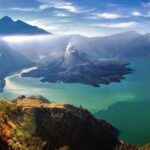
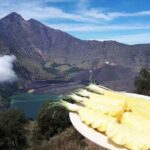
Day 2 is where Rinjani starts to feel like Rinjani. This day centers on a bigger ascent toward the summit area, then a descent toward the lake region (Segara Anak is the famous crater lake you should expect to see here), followed by camping near the crater rim.
The key detail in the package description is that you’ll go from summit zone down to the lake area and then camp on the Senaru crater rim. That means you’re not “just” getting a view from afar. You’re transitioning between major altitude zones within the same overall window, which is why the effort is real.
A smart way to think about this day: your legs are doing two jobs—climb work and braking work. Descents on volcano trails can be hard on knees and quads, especially when the ground is uneven. Having water, snacks, and hot drinks included helps you stay steady rather than rationing everything in your head.
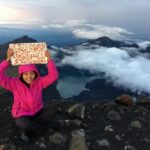
Day 3: lake-to-rim hiking and the walk down to Senaru village
On day 3, you’ll finish the trek by reaching Senaru village. The plan highlights a second big hiking day that includes going up again after the lake area and then returning toward the crater rim area before you eventually walk down to finish in Senaru.
This is the day you’ll feel both proud and tired. You’ve already done a lot; now you’re converting all that effort into a real finish line: Senaru village. Once you’re down, the trip doesn’t end in a sweaty backpack way. There’s also a free bonus boat transfer to Gili Island after the trek, which is handy if your next stop is beaches and recovery.
Waterfalls, crater rim, lake, hot springs: how each part helps you
Rinjani works because it gives you different kinds of reward. This trek covers at least four “reward types” across the 3 days.
The Senaru waterfalls: an easy win before the hard work
Sindang Gile and Tiu Kelep are the welcome mat. They’re also a practical warm-up: you’re moving, standing, and walking at a slower pace before the real climbing starts.
If it’s wet, expect slippery spots. Your best strategy is simple: good footwear and a relaxed pace. With proper guide support, you won’t be out there improvising.
The crater rim camping: you’re sleeping inside the volcano story
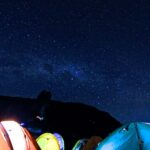
Crater rim camping is included, and that matters. Sleeping in the crater rim zone is part of why this trek feels like a true multi-day experience rather than a fast day hike. The payoff is the next morning’s start—those views and the change in air feel like a reset.
Also, camping means you’ll want to protect your essentials. A small mistake, like not having a torch/headlamp when you need it, can annoy you fast once it gets dark. Luckily, you can plan for that (more in packing below).
Lake time: the payoff for the vertical effort
The plan explicitly includes visiting the lake area after the summit sequence. Lake viewpoints on Rinjani are the kind of reward that makes the “how many steps is this” thoughts fade.
But there’s a tradeoff: lake zones often mean cooler temperatures and more time on your feet walking over varied surfaces. Build in patience. If you rush, you’ll burn energy you’ll need for the return.
Hot springs: recovery that feels earned
The highlights call out hot springs, and that’s a big deal on a multi-day volcano trek. Your muscles will be unhappy; the hot springs are the kind of comfort that helps you walk away less stiff than you expect.
It’s not a guarantee that you’ll feel perfect, but it’s the right kind of included recovery after serious climbing and descent.
Food, water, and the little comforts that make big days manageable
This package includes a lot of the routine stuff that usually creates trek chaos:
- Bottled water
- Coffee and/or tea
- Snacks
- Meals: breakfast (3), lunch (3), dinner (2)
- Overnight accommodation
- Local guide
- National Park fees and local taxes
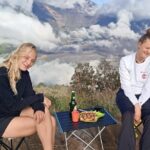
In other words, you’re not planning around hunger or trying to negotiate for refills while you’re already working at altitude. The included hot drinks and snacks are especially helpful because they keep energy from dropping during long stretches.
If you want a vegetarian option, it’s available. Just flag it when you book so your food plan matches your needs.
Price and value: what you’re paying for at about $389.57
At $389.57 per person, this sits in the mid-range for multi-day volcano treks, and the value comes from what’s bundled rather than what you add later. You’re not just buying a guide. You’re getting transfers, park fees, meals, water, snacks, overnight accommodation, and camping gear support as part of the trek concept.
Here’s the value check I’d do before booking:
- You’re paying for logistics. Transfers from Lombok and hotel/port pickup/drop-off save you time and decision fatigue.
- You’re paying for permissions and fees. National park fees and local taxes are included.
- You’re paying for actual endurance support: food, water, and hot drinks across multiple days.
What could change your total spend: tips for guide and porters are not included, and you may need to buy missing gear like trekking shoes or a headlamp. The trek kit also assumes you’ll bring your own daily pack and long pants/trousers.
If your goal is to keep your budget predictable and avoid last-minute shopping in Lombok, this package makes that easier.
Packing advice that matches what’s not included
Here’s what’s not included, and why it matters on Rinjani:
- Head lamp/hand torch: nights are real on a trek. Even short movements to tents or bathroom areas can be slow without light.
- Trekking shoes: volcano trails mean uneven footing. You want grip and ankle support.
- Long pants/trousers: you’ll want protection for trail abrasion and cooler air.
- Small backpack/daily pack: you’ll need a day bag for personal essentials.
- Trekking jacket: altitude nights can cool off; layering helps.
- Tips for guide and porters: budget for this if you want to show appreciation.
Also consider what’s included: bottled water, coffee/tea, and snacks reduce what you need to carry. That doesn’t remove the need to bring your own small pack, but it keeps it lighter.
Fitness reality: can most people do it?
The info says most travelers can participate, but you should treat Rinjani as a serious fitness test. The trek includes summit work, crater area hiking, and multiple days of up-and-down trail effort.
Your best approach is to pick a pace you can hold for hours, not minutes. If you’re nervous, that’s normal. What matters is whether you’re prepared for steep sections and long days on your feet.
This trek also works best if you like a structured plan. It’s private, so you’re not stuck in a big group shuffle, but you are following a defined route with camping.
Logistics like a pro: time, private group, and the Gili handoff
This is a private tour, so only your group participates. That often means less crowd pressure and more flexibility with how your guide manages breaks.
You also get:
- Hotel/port pickup and drop-off
- Transfers day 0 (Lombok to Senaru) and day 3 (back out to your next Lombok destination)
- Mobile ticket
- A free bonus boat transfer to Gili Island after the trek
Starting at 8:00 am is also useful to know. It means you’ll want an early night the evening before and a calm morning routine so you’re not scrambling for basics.
One more practical note: the trek is non-refundable and cannot be changed for any reason. So only book when you’re confident your dates are solid.
Should you book this Rinjani 3D2N with HaLoMi Trekker?
I’d book it if you want a volcano summit-and-lake trek with real structure. The combination of included meals, water, national park fees, camping support, and a guide team known for safety and attentiveness (think Edi with Rus and Zul, and guides like Mul and Dani) is exactly what makes this kind of trip feel manageable.
I’d think twice if you’re not ready to bring your own key gear like trekking shoes, long pants, and a headlamp. This trek can’t be handled with just sneakers and good vibes, and that’s not a dealbreaker, it’s just math.
If you want your Lombok plan to include hiking with a built-in “finish and recover” path, the included Gili Island boat transfer after the trek is a smart bonus.
FAQ
What’s the meeting time for the trek?
The start time is 8:00 am.
What’s included in the package for meals and drinks?
The package includes bottled water, coffee and/or tea, snacks, plus breakfast (3), lunch (3), and dinner (2).
Are national park fees and local taxes included?
Yes. Local taxes and national park fees are included.
Do I need to bring trekking shoes and a headlamp?
Yes. Trekking shoes and a head lamp/hand torch are not included, so you’ll need to bring those.
Is there a vegetarian meal option?
Yes, a vegetarian option is available. You need to advise when booking.
Is the tour private or shared?
It’s a private tour/activity, so only your group participates.