REVIEW · LOMBOK
3 days 2 night trekking Rinjani to Summit and lake
Book on Viator →Operated by Rinjani Trek Adventure · Bookable on Viator
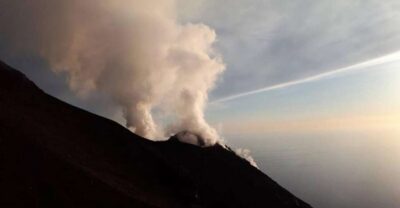
The sun comes up fast here. A 3-day Rinjani trek turns early mornings and volcanic steps into a real adventure, not a sightseeing loop. I like that the route is built around the best moments: summit sunrise and the dramatic crater setting. One thing to consider: you need solid fitness for long, steep days and a very early start.
I also really appreciate the way this trip is run by people who know the mountain and your pace. Guides like Fahri and Ipan (and the wider team) show up organized, calm, and flexible, and the porters are a big part of why it feels manageable. If you take trekking seriously but still want to feel cared for—this is the style.
Here’s the practical drawback: extra costs can add up. The listed trip price is $245, but the Rinjani entrance fee and some local transport/accommodation on arrival day are not included, so budget for that before you commit.
In This Review
- Key highlights you should know before you go
- Entering the trek: Senaru briefing, then Sembalun registration and Pos Stops
- Summit day at 2:30am: sunrise timing, the long climb, and the crater rhythm
- Day 3 sunrise and the 5-hour descent: finishing around 1pm at Senaru gate
- Guides, porters, and camp setup: why the team quality is the real value
- Price and logistics: what $245 includes, and what to budget for next
- What you’ll actually feel on Rinjani: fitness, timing, and weather reality
- Who should book this trek (and who should skip it)
- Should you book the 3D/2N Rinjani summit and lake trek?
- FAQ
- Where do we meet and what time does the trek start?
- What does the trek include for camping and sleeping?
- Do I need to pay the Rinjani entrance fee separately?
- Is transport and accommodation before trekking included?
- How big is the group?
- What happens if weather is bad?
Key highlights you should know before you go
- 2:30am summit start for sunrise means you’ll move in the dark, with only your headlamp and the team rhythm to guide you.
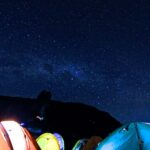
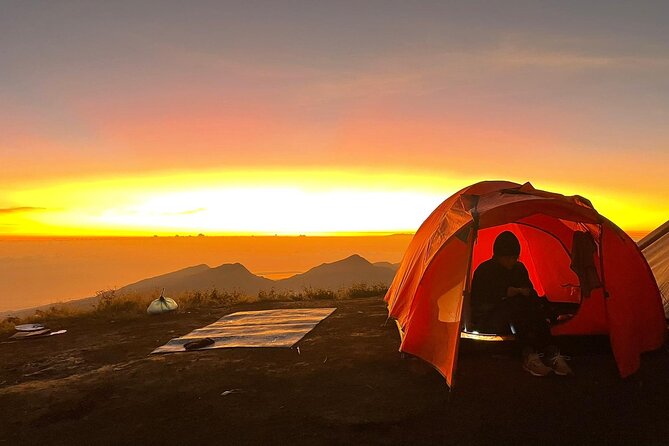
- Crater-rim camping on both nights keeps you close to the action and gives you that closed-in volcanic feeling.
- Lake and hot spring day isn’t just a walk-by. You hike down, then work your way back up with the crater terrain in between.
- English-speaking local guides plus a porter team help with the heavy part—so you can focus on your steps, not your backpack.
- Small group size (max 6) tends to make the experience feel more personal and easier to manage on a tough route.
- Food, water, tent setup, and toilet tent are included, so you can travel lighter and concentrate on the trek.
Entering the trek: Senaru briefing, then Sembalun registration and Pos Stops
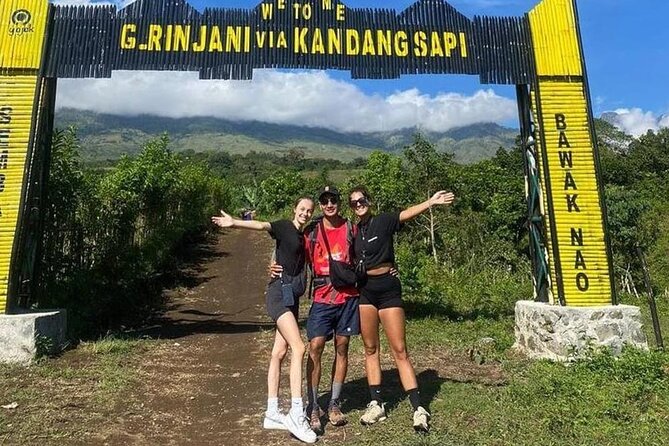
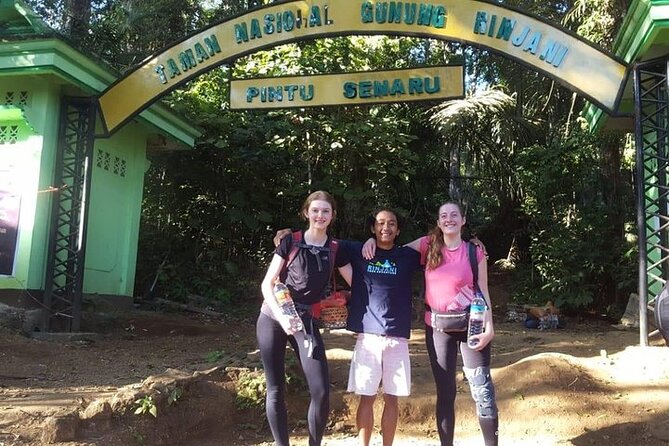
Your first morning starts in the Senaru area. The operator meets you at their office or at your accommodation, then gives you a trekking briefing so expectations are clear before you hit the trail. I like this part because it reduces the day-one confusion—Rinjani is not the place to figure things out on the go.
After the briefing, day 1 runs on a clear rhythm. You’re driven about 45 minutes to Sembalun, register at the Rinjani office, and then transported again to the trail starting gate. This matters more than it sounds: registration is one of those steps that can otherwise eat up your time and energy if you’re doing it independently.
Once you start walking, the day is paced through three main points:
- Pos 1: about 2 hours, then a short 15-minute break
- Pos 2: about 45 minutes, and this is where you get lunch
- Pos 3: about 1 hour, then rest at the point before you continue
What makes this first day feel worth it is that it’s not only about “getting to camp.” You’re already climbing through volcanic terrain early, so you get those changing views and the sense that you’re entering a different world. It’s also a smart setup: by the time you reach camp, you’ve built enough altitude and rhythm to handle the next day’s summit push.
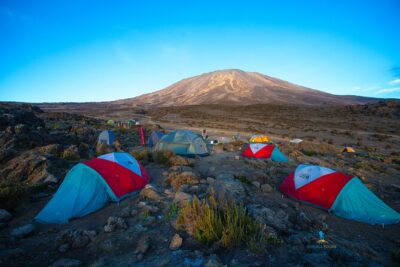
At the end of day 1, you camp for the night on the Sembalun crater rim. That’s the kind of location that makes you feel like the mountain has you in its bowl. You’ll sleep at altitude, wake up tired, and then do it again—except faster and earlier the next morning.
You can also read our reviews of more tours and experiences in Lombok.
Summit day at 2:30am: sunrise timing, the long climb, and the crater rhythm
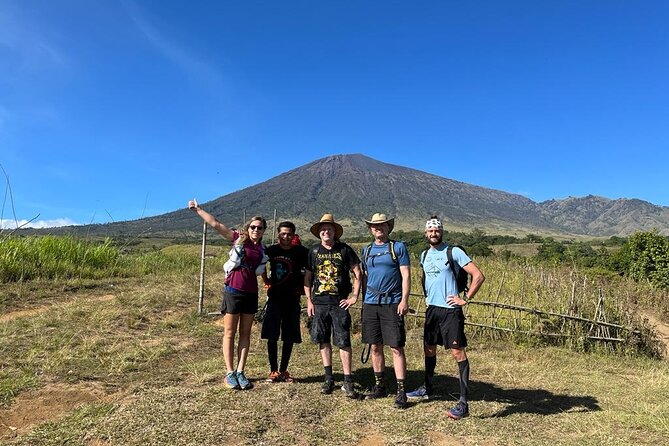
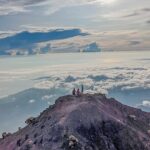
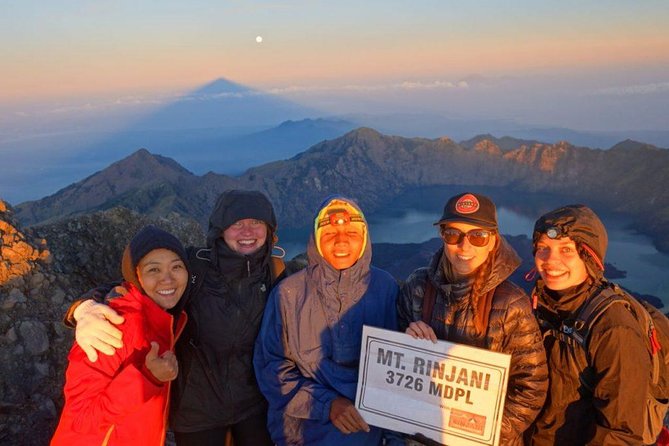
Day 2 is the big one. You start the trek up to the summit at 2:30am to catch sunrise. The climb from this stage takes about 3 hours of walking, which means the most important thing is staying steady, not sprinting. You’ll likely be in darkness for part of the route, and that’s where trekking poles and headlamp discipline become your best friends.
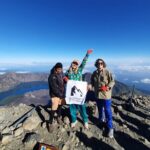
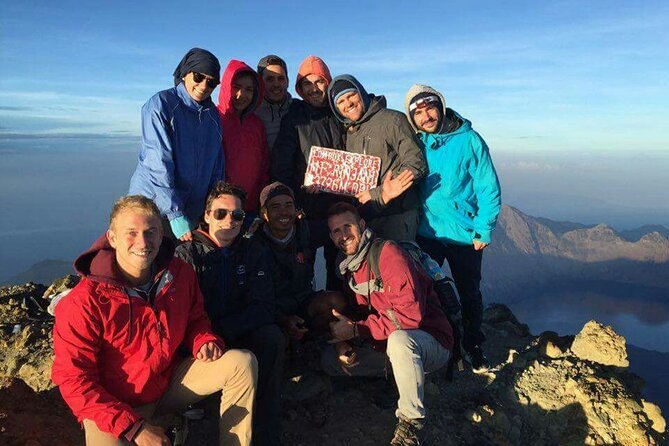
Here’s why this section is the core of the experience: reaching the summit at sunrise is not a random photo stop. It’s a full-body effort, then a reward moment when the sky finally does its thing. Even if you’re not a sunrise fanatic, the timing forces you into focus. The mountain takes your attention.
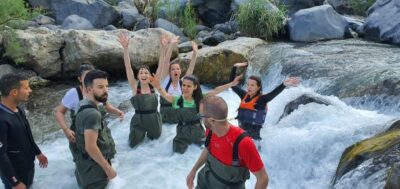
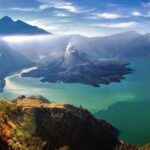
After the summit, the plan goes downhill first for about 2 hours, then the day turns toward the lake and hot spring area. This is a classic Rinjani combo: volcanic crater scenery and then that reward of natural warmth from the hot spring. The loop back through crater terrain matters—this is not a flat descent where you coast. You go down, you work around the lake/hot spring area, then you climb again.
By late day 2, you’ll hike up to the second camp site at the Senaru crater rim. This is where many trekkers feel the switch flip from excitement to pure effort. The benefit is that your second night is again on the rim, so you’re positioned for an efficient finish on day 3 without spending the last morning scrambling for altitude plans.
Day 3 sunrise and the 5-hour descent: finishing around 1pm at Senaru gate
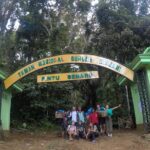
You’ll wake around 6:00am for sunrise, then start the descent toward Senaru gate. The estimate for the walk down is about 5 hours, and lunch is included along the way. The end result is finishing around 1:00pm on a normal day.
I like this because it keeps the last day from turning into a marathon. You get sunrise again, you get your final crater-morning moment, and then you can properly recover before your next plan in Lombok. Not everyone wants to spend the afternoon still hiking when their legs have already been through two mornings of altitude work.
Also, the descent matters psychologically. Day 2 is the summit and crater circuit; day 3 feels like closure. You’ll come down through the trail sections that bring you back to the Senaru side of the mountain’s storyline.
Guides, porters, and camp setup: why the team quality is the real value
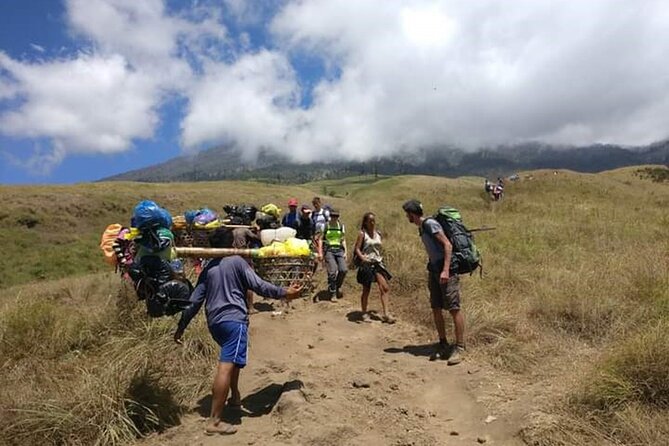
The most praised part of this experience is the team. Names like Fahri, Ipan (also shown as Ivan/Ipan in different entries), and Adi show up alongside strong words about organization, flexibility, and attention to safety. In plain terms: when a trek is hard, you want people who have done it enough times to keep it smooth.
Porters make a huge difference here. Your porter carries food and trekking equipment, which can take a serious load off your shoulders. That’s not just comfort—it’s endurance. The less weight you carry in the dark at 2:30am, the better you can pace your breathing and steps.
You also sleep with the basics covered. The trip includes a tent, sleeping bag, mattress, and a toilet tent, which is exactly what you want at a campsite where you don’t want to improvise. Food and water are included, plus fruit and soft drinks during the trek. That last detail seems small until you’ve been climbing for hours and you’re trying to feel human again.
One practical point from the trekking style: on summit night and early-dark sections, navigation can feel mentally demanding if visibility is low. A good guide team helps you stay on track. I’d treat your headlamp as non-negotiable.
And yes, food quality matters. The positive notes about porter cooking and delicious meals aren’t just compliments—they’re a real part of how you recover between push segments. This trek gives you hard days. The food is how you bounce back.
Price and logistics: what $245 includes, and what to budget for next
At $245 per person, this is positioned as a full, supported 3D/2N trek rather than a bare-bones option. For a summit trek that includes an English-speaking guide, porter support, camping gear, and all trek meals/water, the value is usually in the structure: you’re not managing logistics at altitude, and you’re not paying separately for the core support crew.
That said, check the extras:
- Mt Rinjani entrance fee is IDR 600,000 per person and is not included
- Transport to Senaru on your arrival day is IDR 500,000 per person and not included
- Accommodation before the trekking is IDR 250,000 per person and not included
If you’re comparing options, don’t just compare the $245 figure. The entrance fee and those local costs can change the true total. Still, the included items are substantial: tent + sleeping bag + mattress + toilet tent, plus your guide and porter team, plus food and water during the trek. In other words, you’re paying for someone to handle the mountain-side friction.
Group size is capped at 6 travelers, which can affect both comfort and how smoothly the guide team can manage pacing. Smaller groups can feel less hectic on crowded portions of the trail and easier to guide when conditions shift.
Also note: you get a mobile ticket, and confirmation is handled after booking.
What you’ll actually feel on Rinjani: fitness, timing, and weather reality
The operator is clear: you should have a strong physical fitness level. That’s not marketing fluff. You’re doing multiple long walking segments, early dark starts, and a day 2 that includes summit climbing plus a lake/hot spring section and then more uphill to a rim camp.
So here’s how to think about it:
- You’re training for consistency, not speed.
- You’ll want to keep a pace you can repeat across cold, steep, and dark sections.
- Your head and breathing matter as much as your legs.
Weather is a real factor on Rinjani. The experience is described as requiring good weather, and if it’s canceled due to poor weather you’ll be offered a different date or a full refund. That means you should plan Lombok days with some flexibility.
One more tip that comes up in trek experiences: trekking poles help a lot. Even if you’re confident, poles can reduce strain on descents and help your balance when the ground is rough. And bring a proper headlamp for the dark segments—one trek account described getting off-trail feeling in the dark, which is exactly why the light-and-focus combo matters.
Who should book this trek (and who should skip it)
This is a strong fit if you:
- want a true summit attempt plus lake and hot spring in a tight 3-day format
- like guided structure and don’t want to manage permits, camping logistics, and camp setup yourself
- value a team approach, especially porter support and English-speaking guiding
- prefer smaller group pacing (max 6)
It may not be the best match if you:
- aren’t confident with early starts like 2:30am
- struggle with steep hiking and sustained effort at altitude
- want a relaxed, leisurely “walk and look” vacation style
If you’re the type who’s excited by hard work and wants a story you’ll keep for years, this one fits. If you want low-effort views, look for an easier format around Lombok instead.
Should you book the 3D/2N Rinjani summit and lake trek?
I’d book it if your priority is a serious Rinjani experience with support that feels organized and human. The big wins are sunrise timing, crater rim camping, and the team quality—especially guides like Fahri and Ipan and the porter crew that keeps things moving.
Just go in with the right expectations: it’s physically demanding, sunrise starts are early, and you need to budget for the entrance fee plus some arrival-side costs. If that all sounds manageable, then $245 is not just a price—it’s paying for a mountain route that runs without you having to figure out the hard parts.
FAQ
Where do we meet and what time does the trek start?
You meet at Rinjani Trek Adventure | Mt Rinjani Tour Company in Senaru. The start time is listed as 7:00am. On arrival day, the team can meet you at the office or your accommodation in Senaru and brief you about the trekking procedure.
What does the trek include for camping and sleeping?
The included items are tent, sleeping bag, mattress, and a toilet tent. You also get food and water during the trek, plus fruit and soft drinks.
Do I need to pay the Rinjani entrance fee separately?
Yes. The Mt Rinjani entrance fee (IDR 600,000 per person) is not included in the trip price.
Is transport and accommodation before trekking included?
No. Transport to Senaru on arrival day (IDR 500,000 per person) is not included, and accommodation before trekking (IDR 250,000 per person) is also not included.
How big is the group?
The trek has a maximum group size of 6 travelers.
What happens if weather is bad?
The experience requires good weather. If it’s canceled due to poor weather, you’ll be offered a different date or a full refund. Cancellation is described as free up to 24 hours in advance for a full refund.