REVIEW · LOMBOK
Mount Rinjani Summit Trek Full Sunrise Point (2D-1N)
Book on Viator →Operated by Dhyns Rinjani Hiking · Bookable on Viator
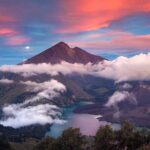
Sunrise on Rinjani feels almost unfair to the rest of the world. This 2-day, 1-night trek is built for a full sunrise point at the 3,726m summit, with an English-speaking guide and porters running the heavy-lifting and camp setup. The big consideration: this is for people with strong fitness, and the schedule is intense—two days is not a slow stroll.
I like that you’re not just hiking in a straight line. Before the climbing day (or on arrival day), you can fit in classic Lombok sights like Sendang Gile and Tiu Kelep waterfalls with a women guide, plus options such as Senaru village and local coffee plantations. You’ll also see names like Apeng, Oky, Kusmayadi, and Adel associated with smooth, organized trips—useful if you care about staff who communicate and keep things running on time.
In This Review
- Key things I’d bet your trip will be about
- Entering the Rinjani mood: why this 2D-1N sunrise format makes sense
- The waterfall reset: Sendang Gile and Tiu Kelep on the Senaru side
- Guides and porters: the difference between a hard trek and a manageable one
- Climbing toward 3,726m: what to expect when the effort spikes
- The camp side: what’s included helps you avoid the usual mistakes
- Food, water, and the basic survival math
- Transport after the trek: Senggigi, Mataram, or Bangsal
- Meeting point and the practical flow of the day
- Price and value: what $160 really covers (and what doesn’t)
- Who this trek fits best (and who should rethink it)
- Small planning notes that prevent big headaches
- Should you book this Rinjani 2D-1N sunrise summit trek?
- FAQ
- How long is the Mount Rinjani Summit Trek Full Sunrise Point (2D-1N)?
- Where does the trek start and end?
- Is the national park entrance fee included?
- What does the price include?
- What is not included in the tour price?
- Do I need strong fitness for this trek?
- Is this a private tour or a shared group activity?
- What is the cancellation policy?
Key things I’d bet your trip will be about
- Full sunrise point at the 3,726m summit, with a night-style effort that’s all about timing
- Sendang Gile and Tiu Kelep waterfalls on the Senaru side, often led by a women guide
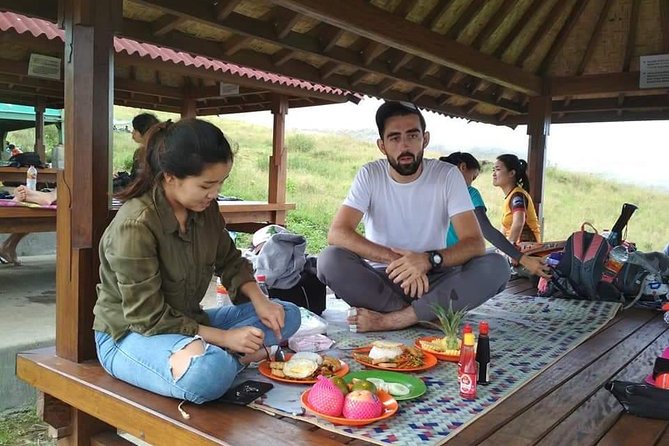
- Strong staff support from an English-speaking guide and professional porters with camping logistics
- Camp comfort that’s actually listed: tent, sleeping bag, mattress, pillow, and even a toilet tent
- Clear value basics at $160: guide/porters, food, water, and gear are included
- Budget reality: the national park entrance fee (IDR 200,000 per person per day) is not included
Entering the Rinjani mood: why this 2D-1N sunrise format makes sense
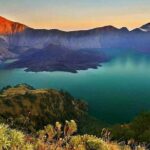
Mount Rinjani is not a light “try it once” hike. Even with porters and gear handled, you’re still working your body on a high-mountain climb, and the payoff is tied to timing. This 2-day, 1-night format is designed around one goal: reaching the sunrise viewing area at the summit (3726m), when the mountain is at its most dramatic.
What I like about the structure is that it reduces decision fatigue. Instead of dragging out days of logistics, you get a focused run: waterfall stop area, climb toward the summit, camp setup, then a sunrise-driven finish. If you have limited time in Lombok but still want a real summit experience, this is the kind of plan that fits.
The other advantage is group style. This trip is a group activity, and the operator mentions group discounts—so the cost can land more comfortably than private versions of the same ambition.
You can also read our reviews of more tours and experiences in Lombok.
The waterfall reset: Sendang Gile and Tiu Kelep on the Senaru side
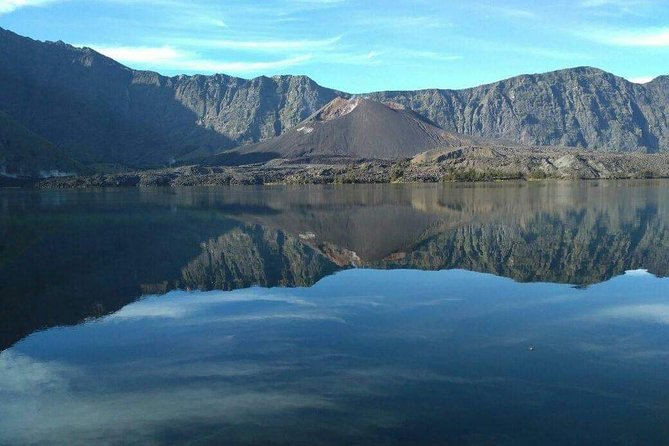
Before you earn your sunrise view, you get a softer first taste of Rinjani country. One stop on your route is Sendang Gile and Tiu Kelep Waterfall. It’s a great “warm-up” in the mental sense: you see the lush water-and-rock side of the region before the climb turns serious.
A nice detail here is that the waterfalls portion is guided by a women guide. That matters more than people expect. In this kind of area, the guide’s local knowledge and communication style can make a short outing feel smooth and well paced, rather than chaotic.
Also, if you arrive early, the operator notes that you can visit other attractions around the same region—Senaru traditional village, coffee plantations, and more. The practical point: you’re not paying summit-trek money and then sitting idle for lack of a plan.
Guides and porters: the difference between a hard trek and a manageable one
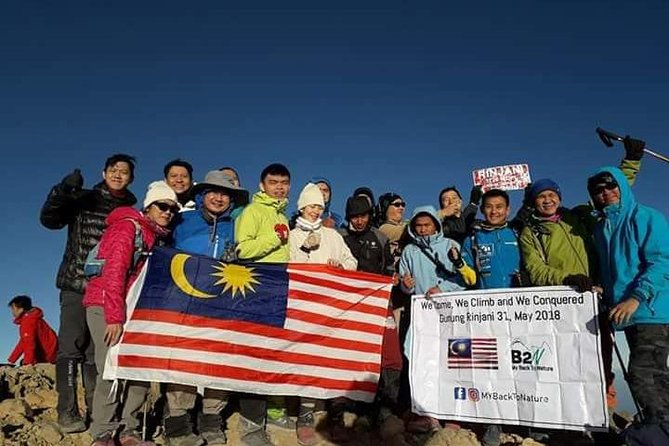
On Rinjani, the “you” factor matters—fitness, stamina, and willingness to wake up when it’s still dark. But the “team” factor matters too. This trek includes a trekking guide and porters who carry cooking gear and camping equipment. You’re not hauling the whole base-camp load up the trail.
The support setup is unusually specific for a short trek, which I take as a sign they’re thinking about the full day cycle:
- One professional guide (English-speaking) plus professional porters
- Porters handling camp logistics and cooking gear
- Food and drinking water provided during the trek (including 3 litre mineral water per day per person)
From past experiences shared with this provider, guide names such as Apeng, Oky, Kusmayadi, and Adel are associated with careful service and good communication. I can’t promise any single guide is assigned to your exact departure, but the key point for you is the consistency: the staff approach is repeatedly described as reliable and well organized.
Climbing toward 3,726m: what to expect when the effort spikes
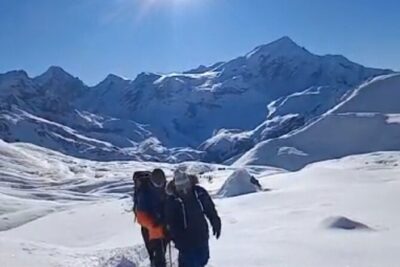
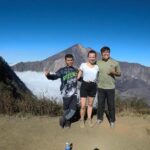
The climb itself is the main event, and the operator frames it as a trek to the Rinjani summit at 3,726m with spectacular views and a sunrise-focused plan. Even if you’re experienced, expect steep stretches and cold air near the top—this is a mountain where weather can shift quickly.
Here’s the practical way to think about it: your guide and porters help with the heavy stuff and the pacing, but your body still has to do the climbing. The tour info is clear that it’s recommended for experienced trekkers, and the general requirement is strong physical fitness.
Also, because your goal is sunrise, you should expect the day rhythm to be early and demanding. Plan to be mentally flexible—when the summit window opens, you follow the plan.
The camp side: what’s included helps you avoid the usual mistakes
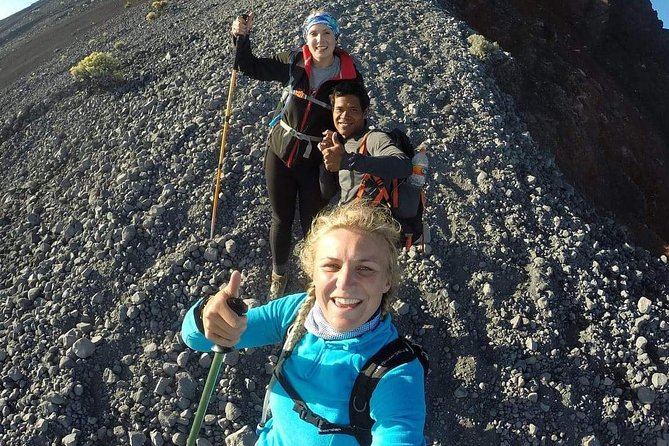
One reason short high-mountain treks go wrong is gear friction. If you’re missing the basics, your energy goes into “making do” instead of enjoying the trek.
This package includes camping essentials that you’d otherwise be forced to rent or scramble for:
- Tent
- Toilet tent and paper
- Sleeping bags
- Mattress and pillow
- Chair
That chair detail is small, but it changes how camp feels after a tough push. When your legs are finished, having a place to sit comfortably is not a luxury—it’s recovery.
You also get camp-related warmth items listed in the inclusions: warm jacket and gloves. I’d still treat those as “useful for cold periods,” not a guarantee that you’ll be comfortable in all conditions. Still, it’s a smart inclusion because it prevents you from arriving with the wrong kit.
And yes, they provide luggage storage at the Rinjani Vacation office. That’s handy if you’re juggling hotel stuff or want to pack light for the trek while keeping valuables secure.
Food, water, and the basic survival math
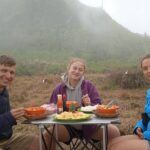
You’ll get food and drinking water on the trek, including 3 litre mineral water a day per person. That’s not a random number—it matters because on a summit push you don’t just need thirst relief; you need to prevent dehydration from creeping in.
Even better, the cooking gear is part of what the porters carry. That reduces the odds of “you thought you were getting meals, but…” stress. For a short 2-day trek, you want meals that arrive on time and taste like someone planned the menu, not like it was improvised.
You’re also getting warm clothing items in the package. Combined with the provided sleeping setup, the camp side becomes less about survival and more about waiting for sunrise.
Transport after the trek: Senggigi, Mataram, or Bangsal
A summit trek can leave you stranded unless the ending logistics are handled. Here, transport drop-off after the trek is included to Senggigi, Mataram, and Bangsal.
That’s a real value point. It means you can plan the rest of your Lombok time without building a second transport plan from scratch. It also helps you avoid the common situation where the trek ends and everyone has to negotiate rides while exhausted.
One note: pickup and transfers before the trek are listed as not included. So you’ll want to handle getting to the start point on your own, then rely on the post-trek drop service.
Meeting point and the practical flow of the day
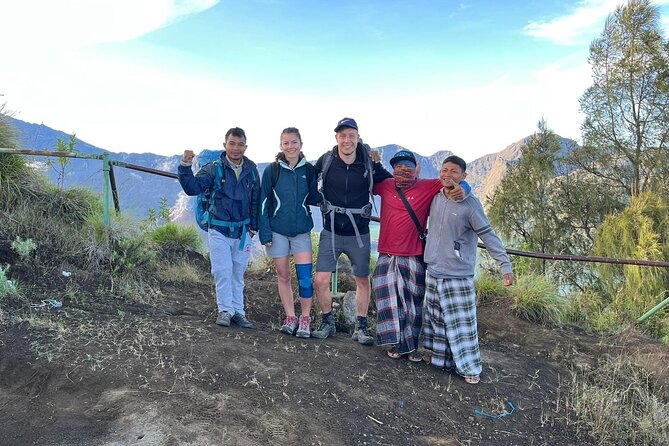
The meeting point is at Mount Rinjani Vacation Tours & Trekking Organizer in Senaru, Lombok Utara (Nusa Tenggara Barat). The activity ends back at the meeting point, but you may then continue onward via the included drop-off options after the trek.
The operator also notes this is near public transportation. That’s useful if you’re arranging your own arrival in Lombok and don’t want to depend entirely on private transfers.
Finally, it’s described as private for your group—so you won’t be forced into a random mixed group. That can make communication easier and pacing feel more consistent.
Price and value: what $160 really covers (and what doesn’t)
At $160 per person, this isn’t a bargain for the ambition—it’s priced like a real supported trek. The value comes from what’s included:
- Trekking guide and professional porters
- Camp setup gear (tent, sleeping bag, mattress, pillow, toilet tent)
- Food and 3 litre mineral water per day
- Warm jacket and gloves
- Luggage storage
- One trekking pole per person (listed as one pics trekking pole/person)
- Transport drop after the trek to Senggigi, Mataram, or Bangsal
What’s not included is where you need to think ahead:
- Tips for guide and porters
- Entrance fee to the national park: IDR 200,000 per person per day
- Accommodation/hotel
- Transport pickup before the trek
- Extra porter for your own luggage
So here’s the value math: the base price covers the systems that keep the trek moving—staff, gear, and food. You just need to budget the national park fee and your personal add-ons.
Also, the operator mentions group discounts. If you can go with friends or align dates with others, you may get better per-person value.
Who this trek fits best (and who should rethink it)
This is best for you if you’re truly ready for a summit attempt. The tour info calls for experienced trekkers, and it’s also stated that travelers should have a strong physical fitness level.
You’ll enjoy this format most if you like:
- A focused, high-effort mission with a sunrise payoff
- Being carried through camp setup instead of carrying everything yourself
- Clear structure: guide, porters, food, and listed gear
You might want to think twice if:
- You’re new to steep multi-day trekking
- You struggle with early night/early morning starts
- You’re sensitive to cold conditions at elevation (even with warm jacket and gloves included)
One more consideration: since the summit goal is fixed, your pace can’t lag indefinitely. If you think you’ll need frequent rests, talk about that before booking so the team can advise on fit.
Small planning notes that prevent big headaches
Since the tour includes several major items, the common problems tend to be the ones you forget to budget for or ask about. Keep these points in mind:
- National park fee is not included: plan for IDR 200,000 per person per day
- Tips are not included, so decide your budget for guide and porters
- Pickup before the trek is not included, but drop-off after the trek is included
- You’ll need to sort your own accommodation/hotel
If you’re carrying extra personal luggage, ask whether you need an extra porter. The package mentions that an extra porter for your own luggage is not included.
Should you book this Rinjani 2D-1N sunrise summit trek?
If you want a real summit experience in a short time and you’re physically prepared for a demanding climb, this is an easy yes. The included structure—English-speaking guide, porters, camp gear, and meals plus water—means you spend your energy on the mountain instead of logistics.
If you’re unsure about fitness, I’d be cautious. Two days can feel intense on a 3,726m goal, even with support. And because the national park fee and tips are on you, make sure your total budget reflects the full picture.
For the best match, book if you want:
- Full sunrise point at the summit
- A supported group trek with camp basics handled
- A Senaru-area start with waterfall time before the climb
FAQ
How long is the Mount Rinjani Summit Trek Full Sunrise Point (2D-1N)?
It runs for about 2 days (2D-1N).
Where does the trek start and end?
The activity starts at the Mount Rinjani Vacation Tours & Trekking Organizer office in Senaru and ends back at the same meeting point.
Is the national park entrance fee included?
No. The entrance fee is listed as IDR 200,000 per person per day.
What does the price include?
The tour includes a trekking guide and porters, English-speaking guide support, food and drinking water on the trek (3 litre mineral water per day per person), camping gear (tent, sleeping bags, mattress, pillow, chair), a toilet tent with paper, warm jacket, gloves, luggage storage, and a trekking pole (one per person). Drop-off transport after the trek is included to Senggigi, Mataram, and Bangsal.
What is not included in the tour price?
Not included: tips for guide and porters, extra porter for your own luggage, national park entrance fee, transport pickup before the trek, and accommodation/hotel.
Do I need strong fitness for this trek?
Yes. The tour information says travelers should have strong physical fitness level, and it’s recommended for experienced trekkers.
Is this a private tour or a shared group activity?
It’s described as private for your group, meaning only your group participates.
What is the cancellation policy?
Free cancellation is available if you cancel up to 24 hours in advance of the experience start time for a full refund. If you cancel less than 24 hours before, the amount paid is not refunded.