REVIEW · LOMBOK
3D/2N Rinjani trekking summit,lake and hot springs.
Book on Viator →Operated by lombok trekking info · Bookable on Viator
Rinjani rewards early starts with big views. This 3D/2N trek threads together the summit push, a long crater-lake day at Segara Anak, and a soak in the hot springs over three very full days in North Lombok. You’ll be moving between the Sembalun and Senaru crater rims, with sunrise moments built into the schedule.
Two things I really like about this package are how camping comfort is handled and how the pacing is structured with real rest points. Meals are full-board during the trek (breakfast, lunch, dinner, plus coffee or tea, snacks, and fresh fruit), and you’re not expected to bring everything from scratch because double-size tents, mattresses, and sleeping bags are included.
One consideration: this is not a casual hike, and you’ll want to plan for the separate entrance fee (250,000 IDR per day per person) and the extra gear you’re responsible for. Add a 3 AM summit departure to the mix, and you’ll need solid fitness and good preparation.
In This Review
- Key takeaways before you go
- How Day 1 builds your stamina: Sembalun Village to Sembalun Crater Rim
- Summit night math: what the 3 AM start really means
- Segara Anak lake day: lunch by the water and a long, scenic finish
- Hot springs to Senaru rim: your recovery window (with a payoff)
- Meals, tents, and porters: what “included” actually looks like
- Price and logistics: where $250 feels fair, and where it doesn’t
- Who should book this Rinjani 3D2N, and who should think twice
- Should you book this Mount Rinjani 3D2N with lake and hot springs?
- FAQ
- How long is this Mount Rinjani trek?
- Where do you pick me up?
- What time do you start the trek on Day 1?
- Do you summit Mount Rinjani on Day 2?
- Is Segara Anak Lake included in the trek?
- Are meals included?
- What camping gear is included?
- Do porters carry your personal bag?
- What entrance fees should I expect?
- What happens if the trek is canceled due to weather?
Key takeaways before you go
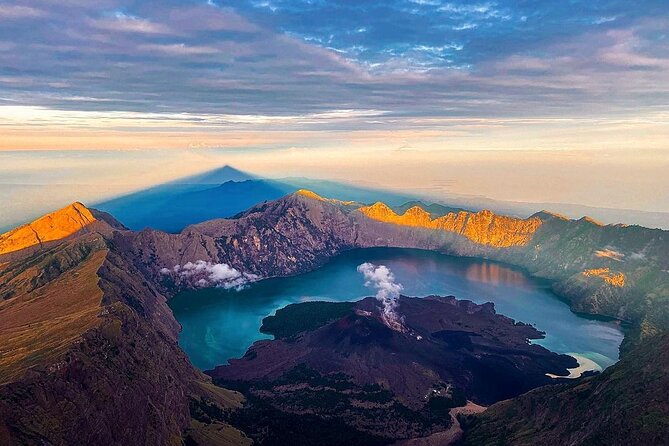
- Summit at dawn: the schedule is built around a sunrise summit and a return toward the rim.
- Segara Anak on Day 2: after the summit, you continue down to the lake for breakfast and lunch by the water.
- Hot springs included: you get a recovery window after lake time, before pushing to Senaru crater rim.
- Real camping setup: tents, mattress, sleeping bag, and even a toilet tent are part of the package.
- Porters, but not your personal bag: they carry trekking logistics, while you keep your daily pack.
How Day 1 builds your stamina: Sembalun Village to Sembalun Crater Rim
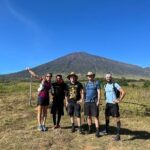
Day 1 is all about getting your legs used to the Rinjani rhythm before you go full nocturnal on Day 2. You’ll get pickup around 7:00 AM from your hotel in Senaru (or Sembalun), then drive about an hour to Sembalun Village. After a short start time, you begin trekking toward POS1 about two hours in, with brief breaks along the way.
You’ll stop again at POS2 after about an hour, then continue to POS3 another hour later. The schedule includes short, practical pauses—think 10 minutes here, another quick reset there—followed by a longer rest (about two hours) at POS3. That mid-trek rest matters more than it sounds. It’s the kind of break that helps you keep your pace steady, rather than burning energy too early.
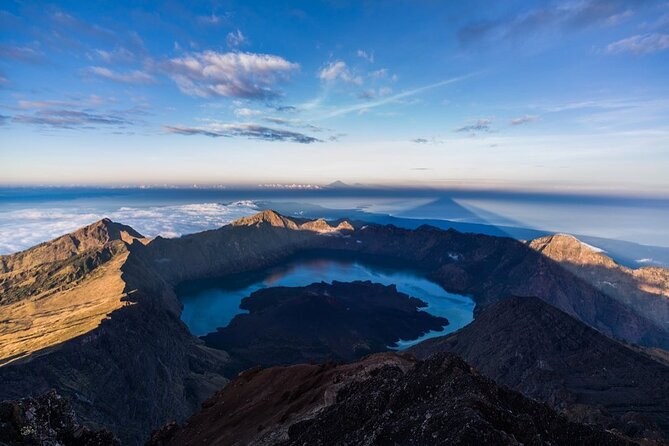
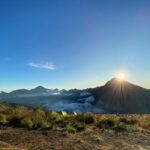
After lunch, the big push on Day 1 is the climb to the Sembalun Crater Rim, reached in about three hours. This is where the experience starts to feel epic: crater views open up, and sunset timing can make the evening feel like it was planned (because it is). If you’re lucky with visibility, you’re also positioned for those memorable rim photos people chase around Lombok.
There’s also a Sindang Gila Waterfall stop listed as Stop 1. Since the trekking details don’t give a specific time window, treat it as a “along the way” bonus rather than something you should build your day around. Either way, it breaks up the travel-to-trail transition nicely.
You can also read our reviews of more tours and experiences in Lombok.
Summit night math: what the 3 AM start really means
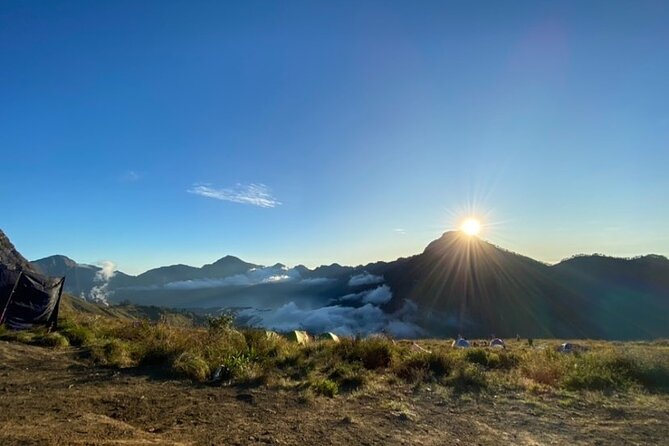
Day 2 is the reason most people sign up: summit time. You wake around 2:30 AM for a light breakfast, then leave at 3:00 AM. From there, the summit trek is about 3.5 hours. This is not the time for guessing your gear or your energy. Cold, darkness, and steep sections tend to turn small mistakes into big ones—so prepare for the basics: enough layers, a steady pace, and a headlamp you can actually see with.
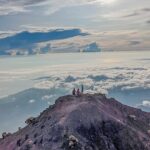
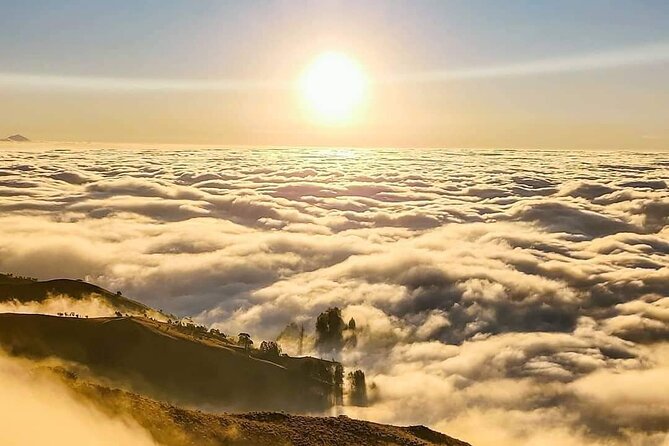
After you reach the summit, you’ll watch sunrise, then start descending back toward the rim. The plan is to go down to the Sembalun Crater Rim first for breakfast. This is smart logistics: it prevents the classic mistake of rushing straight into more walking while you’re still running on adrenaline and cold hands.
Then you shift gears. After breakfast, you continue onward toward Segara Anak Lake, which takes about three hours. In other words: summit is not the end of Day 2—it’s the middle chapter. If you’re the kind of person who feels fine at the top but then gets frustrated later, this schedule will test that. The good news is the itinerary is designed so you have a built-in reason to keep moving: lake time and a proper lunch afterward.
That same “early out, early win” rhythm is what many people love about this Rinjani style of trek. You’re not trekking just to survive the day—you’re trekking to earn specific views at specific times.
Segara Anak lake day: lunch by the water and a long, scenic finish
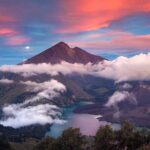
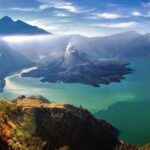
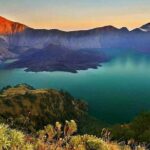
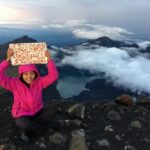
Once you reach the lake area, you’re rewarded with the most iconic part of this route: Segara Anak. After the summit descent, the lake day is your big payoff window. You continue down for about three hours, then enjoy lunch provided beside the lake.
This part of the day is calmer than summit time, but don’t think of it as easy. You’ll still be dealing with altitude changes, uneven surfaces, and the kind of hiking where you notice every step when you’re tired. What makes it worth it is the contrast: after a dramatic, pre-dawn ascent, you’re suddenly in a more open, slower-moving crater-lake setting.
The schedule also includes breakfast on the rim before lake time, and lunch once you’re by the water. That structure matters because it helps you manage energy. You’re not wandering around hungry waiting for the next meal. You’re hiking toward meals—then eating without having to rush.
Also, the lake area is a prime spot to appreciate why Rinjani trekking is so addictive for people who do it once. You’re not only seeing a crater; you’re seeing the living system inside it—breathing room, steam or haze sometimes, and that distinct volcanic basin feeling.
After lunch, the trek transitions toward recovery: you head to the hot springs, then later continue to the Senaru Crater Rim in about three hours.
Hot springs to Senaru rim: your recovery window (with a payoff)
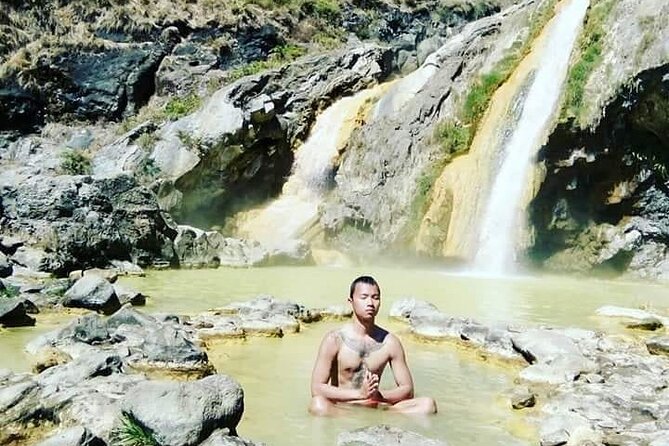
If summit time is the main event, the hot springs are your recovery plan. After lunch at Segara Anak, you move to the hot springs, enjoy them, and then hike onward to Senaru Crater Rim.
The itinerary notes about three hours from the hot springs area to Senaru Crater Rim. That means your hot springs break isn’t meant to turn into a long spa session. It’s timed so you can warm up, loosen up a bit, and still finish the day at a campsite with good sunset or night-sky potential (depending on weather and cloud cover).
This is also where Day 2’s fatigue gets managed. If your summit descent left you stiff, hot springs can help you feel human again. If you’re the type who gets cold fast, warming up before the final hike to Senaru crater rim is extra valuable.
Once you’re near the Senaru rim, the schedule includes enjoying the sunrise on Day 3 before heading down. That gives you one more reason to take the evening seriously. You’re not just camping; you’re camping in the right place for early light.
Meals, tents, and porters: what “included” actually looks like
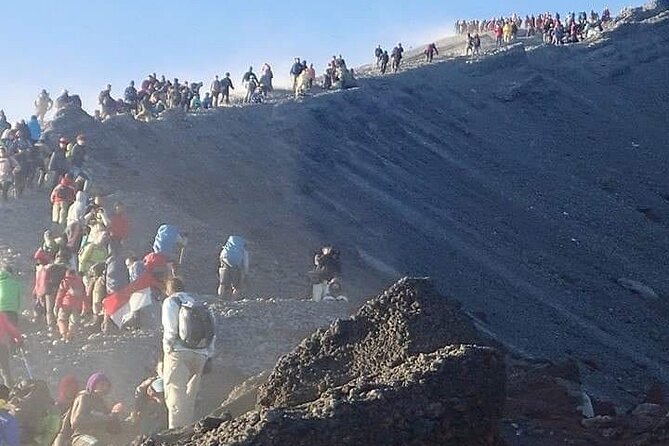
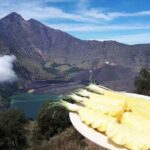
This trek is packed, but the comfort basics are covered in a way that’s genuinely helpful. During the trek program you get full board meals: breakfast, lunch, dinner, coffee or tea, snacks, and fresh fruit. That’s a big deal on a mountain where buying food isn’t part of the plan.
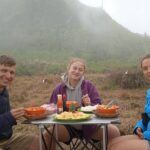
You also get the camping setup. Included items are a double-size camping tent, mattress, and sleeping bags, plus a toilet tent and even chair and table. That last part sounds small, but it changes how you feel at camp. You can actually sit, eat without balancing everything on your knees, and reset your body.
Water is also handled: daily water consumption is from safe drinking bottled water. That doesn’t mean you’ll be swallowing water like it’s a drink festival, but it does mean you don’t have to gamble on sourcing while you’re exerting yourself.
Now, porters. The included porters carry logistics and trekking equipment, but they do not carry your personal bag. So you’ll want a realistic daily pack and you’ll want to keep essentials accessible. The goal is to avoid that classic scenario where you’re hiking with heavy personal items while also trying to manage your clothing like you’re on a city stroll.
Price and logistics: where $250 feels fair, and where it doesn’t
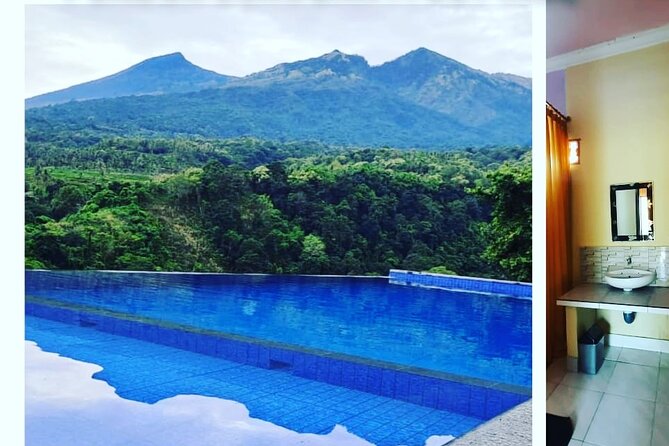
At $250 per person for a 3-day, 2-night trek that includes guide support, porters for equipment, full board meals, and full camping gear, the price can look like a good deal—especially because Rinjani-style treks can get expensive once you start adding meals, tents, and guide time.
One reason it can feel like good value is that you’re not responsible for most of the camp logistics. You also get pickup from your hotel area in Senaru or Sembalun, and you get luggage storage at the Lombok trekking info office during the trek program. Add a mobile ticket feature and the practical “group” structure (including group discounts), and it’s the kind of setup that works well if you don’t want a messy DIY plan.
The catch is extra costs that aren’t part of the $250: the entrance fee is listed as 250,000 IDR per day per person (750,000 IDR total). You should assume you’ll pay this separately, and you’ll want to bring the cash or make sure you’re ready to settle it on the spot.
Also pay attention to what’s not included gear. You’ll need things like head lamp/hand torch, trekking shoes, trekking poles, gloves, a trekking jacket, and long pants/trousers. Even if you travel light, a summit start at night tends to punish underprepared layers.
Cancellation note in plain terms: the experience is non-refundable, but if it’s canceled due to poor weather you’ll be offered a different date or a full refund. That’s the part that matters if you’re planning around monsoon timing or tight travel windows.
Who should book this Rinjani 3D2N, and who should think twice
This trek is best for people who want a structured route and don’t mind hard days with early mornings. The itinerary involves a long Day 2 summit window (leaving at 3 AM and trekking about 3.5 hours to the summit) and additional walking afterward to the lake, hot springs, and Senaru rim. Day 3 isn’t a quick finish either: it’s about 5 to 6 hours down to Senaru Village after breakfast and sunrise.
The tour also explicitly calls for strong physical fitness. If you’re already regularly hiking, you’ll likely be able to keep your pace and enjoy the scenery instead of white-knuckling every hour.
This is also a private tour/activity, meaning only your group participates. That can be a plus if you want a more controlled experience and less waiting around for mixed fitness levels.
If you’re traveling with a tight schedule, the average booking lead time of 19 days suggests you’ll want to lock it in before you leave Lombok. If you’re booking last minute, you may find fewer options.
Should you book this Mount Rinjani 3D2N with lake and hot springs?
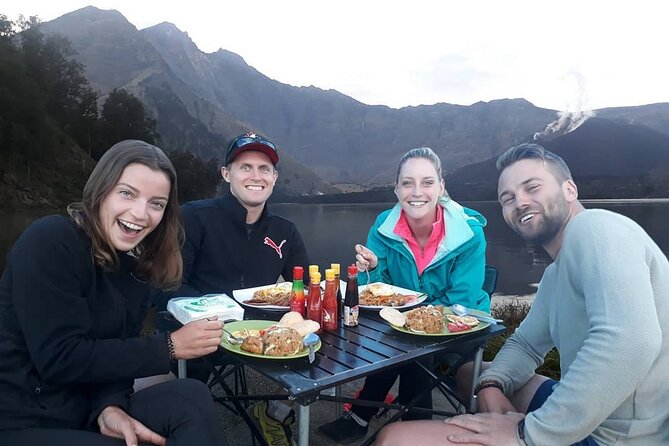
Yes, if you want the full arc: summit at dawn, Segara Anak lake time, and hot springs recovery—and you’re willing to handle the gear checklist and the entrance fee. The included camp setup and meal plan are a big part of why this route feels doable, even though the hiking effort is real.
Think twice if you’re not comfortable with 3 AM departures, or if you don’t want to deal with a separate entrance fee and missing gear you’d still have to buy or borrow. Also, if you’ve only done easy day hikes, you might be better starting with a gentler trek first.
Bottom line: this is a classic Rinjani “3D2N, hit the highlights” plan, built for people who like sunrise views and don’t mind being a little uncomfortable along the way.
FAQ
How long is this Mount Rinjani trek?
It runs for 3 days (about 3D/2N), ending back at the meeting point in Senaru.
Where do you pick me up?
Pickup is available from your hotel in Senaru or Sembalun.
What time do you start the trek on Day 1?
The plan starts at 7:00 AM with pickup, then you drive to Sembalun Village and begin trekking toward POS1 about two hours later.
Do you summit Mount Rinjani on Day 2?
Yes. Day 2 includes an early departure at 3:00 AM, and the summit trek takes about 3.5 hours.
Is Segara Anak Lake included in the trek?
Yes. After sunrise on Day 2, you descend to the lake area (about 3 hours), with lunch provided beside the lake.
Are meals included?
Yes. Full board meals are included during the trek: breakfast, lunch, dinner, coffee or tea, snacks, and fresh fruits.
What camping gear is included?
All camping equipment is included, including double-size tents, mattresses, sleeping bags, a toilet tent, and chairs/tables.
Do porters carry your personal bag?
Porters carry logistics and trekking equipment, but they do not carry your personal bag.
What entrance fees should I expect?
Entrance fees are not included and are listed as 250,000 IDR per day per person (total 750,000 IDR per person).
What happens if the trek is canceled due to weather?
If it’s canceled due to poor weather, you’ll be offered a different date or a full refund.