REVIEW · KATHMANDU
Kathmandu: 15-Day Everest Base Camp Trek with Guide
Book on GetYourGuide →Operated by Outshine Adventure Pvt Ltd · Bookable on GetYourGuide
You’re one plane ride away from big Himalayan drama. This 15-day Everest Base Camp trek mixes Kathmandu culture with time in Sagarmatha National Park, then brings you face-to-face with Everest-region Sherpa life. I also like the small-group, tailored feel, which keeps the days from turning into a race.
My second favorite part is the way the trip builds in acclimatization, especially the stop at Hotel Syangboche (3850 m) during your Namche rest day. One consideration: meals during the trek aren’t included, and alcohol plus hot/cold drinks are also out of the package, so you’ll want a daily food budget.
In This Review
- Key Things That Make This Trek Worth Your Time
- Kathmandu First: Temples, Squares, and Getting Oriented
- Flights to Lukla and the Easy Start Toward Phakding
- Namche Bazaar: Your Acclimatization Power Station
- Tengboche to Dingboche: Monastery Views and Sherpa Villages
- Chhukung Valley Day Trip: The Bonus Day That Changes Your Perspective
- Lobuche and Gorakshep: Getting Close to the Base Camp Setup
- The Descent Back: Namche Again, Then Lukla
- What $675 Gets You (and What You’ll Still Pay For)
- Guides and Organization: Where the Real Difference Shows Up
- Fitness Reality Check: Who This Trek Fits Best
- Practical Packing: Shoes, Sunglasses, and Gear Support
- Should You Book This Everest Base Camp Trek?
- FAQ
- What is the duration of this Everest Base Camp trek?
- Where does the trek start and how do you get there?
- What permits are included?
- Are meals included during the trek?
- Is there porter service included?
- Is this trek suitable for wheelchair users?
Key Things That Make This Trek Worth Your Time
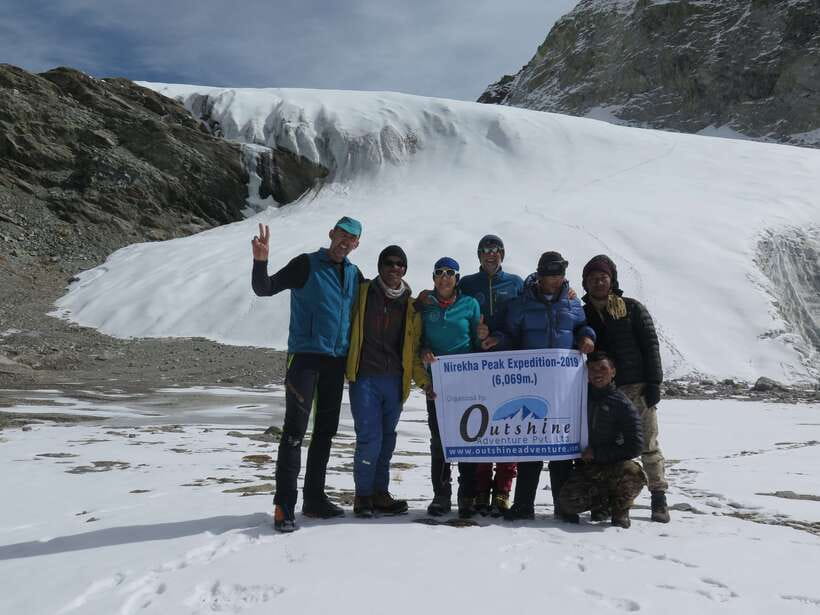
- Licensed English-speaking Sherpa guide who’s there for both trail support and cultural context
- Small-group pacing that’s better for enjoying villages like Namche, Tengboche, and Dingboche
- Acclimatization built into the schedule, including a hike to Hotel Syangboche (3850 m)
- Classic Everest-region checkpoints, from Lukla and Phakding up through Gorakshep and Kalapathar
- Permits handled via Everest National Park permits and TIMS
- Practical gear support: down-filled jacket and sleeping bag if you need them
Kathmandu First: Temples, Squares, and Getting Oriented
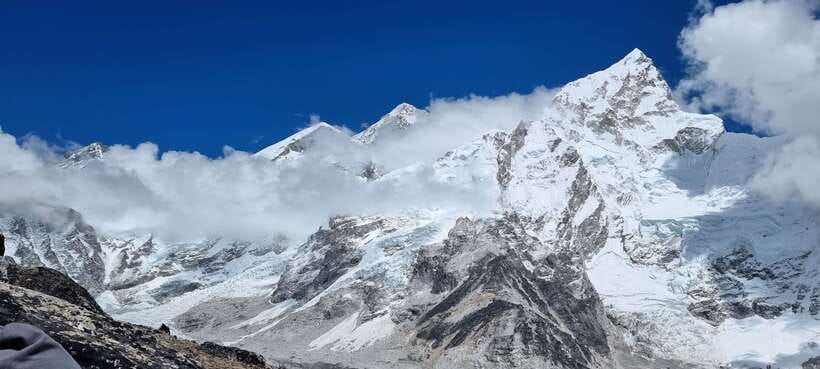
Day 1 is simple and worth it: you land, then get a private transfer to your Kathmandu hotel. After that, your guide gives you the trek information you need before you start thinking about altitudes and timing.
Day 2 is your Kathmandu “wake-up” day in a private car, hitting Durbar Square, Swayambhunath, Boudhanath, and Pashupatinath (the cremation temple). I like this order because it helps you understand what you’re walking through later: in the Everest region, the monasteries, prayer flags, and daily rituals make more sense when you’ve already seen how Nepalis practice religion here in the capital. You’re also more likely to feel confident on your first day of moving around a new city.
If you’re short on time, this day tour is efficient. If you’re hoping for total free time and wandering at your own pace, this is less of that. Still, it’s a solid way to get oriented before the trekking machinery starts.
You can also read our reviews of more tours and experiences in Kathmandu.
Flights to Lukla and the Easy Start Toward Phakding
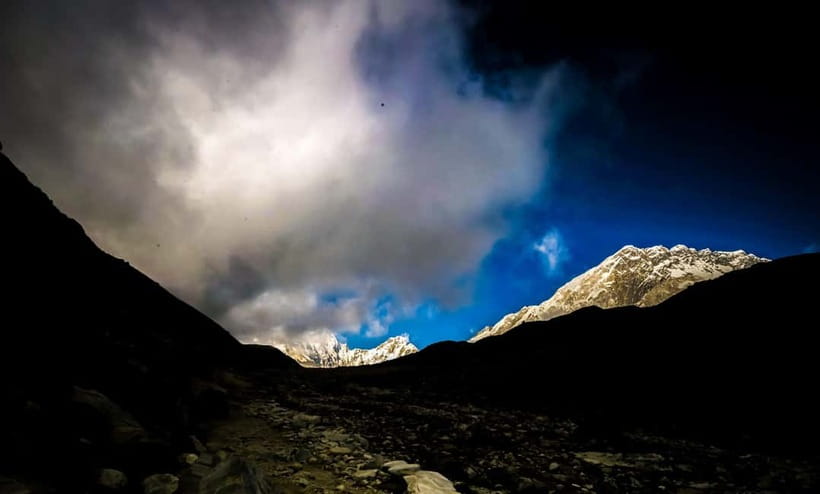
Day 3 begins with the classic air hop from Kathmandu to Lukla, followed by an easy trek to the upper region of Phakding for the night. This is a smart first trekking rhythm: you’re not forced into a hard push immediately, and you start to notice how the air and temperatures shift as you climb.
Also pay attention to what you’re paying for here. Airfare for the Kathmandu (Ramechhap) – Lukla – Kathmandu (Ramechhap) route is not included. The trip does offer optional help reserving or booking flights if you request it, so you’ll want to confirm how that’s handled early.
During these early days, the trek gives you a closer look at Sagarmatha National Park, and it’s also where you’ll start meeting Sherpa families and seeing Buddhist monasteries in real life instead of on postcards. That’s one of the quieter wins of this route: you feel the human culture from day one, not only after you’ve earned it with suffering.
Namche Bazaar: Your Acclimatization Power Station
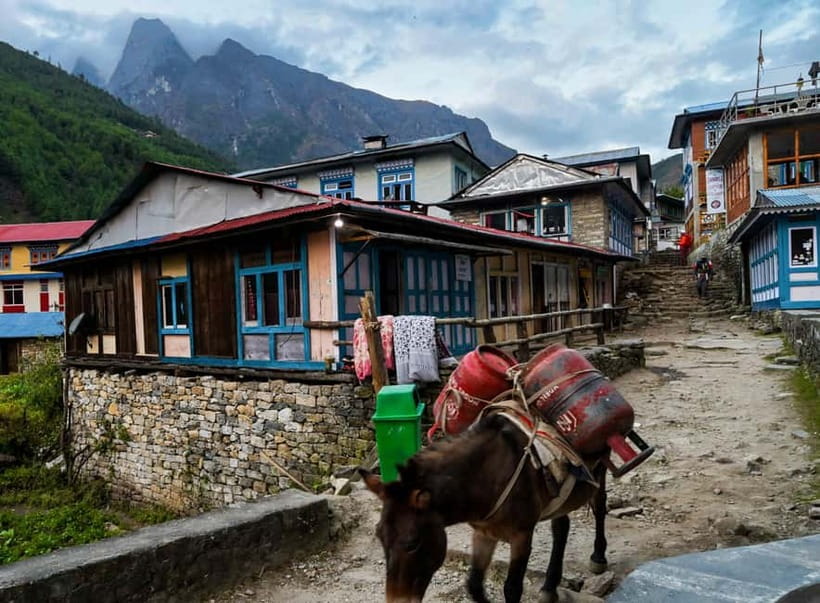
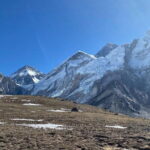
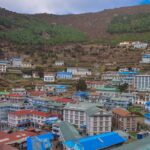
Day 4 is the climb to Namche Bazaar, following the Dudh Koshi valley. This is where the Everest-region scenery starts to feel big in both directions: the slopes, the villages, and the peaks all seem to “arrive” at once. You’ll pass rhododendron forests and get panoramic views of the Everest region, which makes the ascent easier to tolerate when the trail is steep.
Then Day 5 is your rest day in Namche. Instead of just sitting around, you hike up to Everest View Point Hotel Syangboche at 3850 meters for better acclimatization. I like this approach because it’s not a random altitude stunt. It’s a purposeful move that helps your body adjust, while still giving you a reward: viewpoints and a sense of how high you actually are.
One practical tip: even on a rest day, you should keep your pace calm and your hydration steady. The schedule here supports acclimatization, but your effort still matters.
Tengboche to Dingboche: Monastery Views and Sherpa Villages
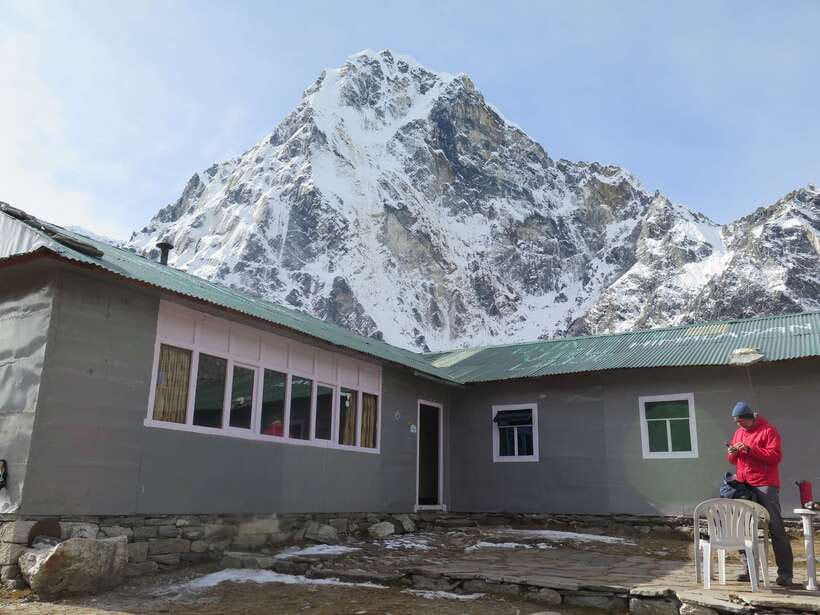
On Day 6 you trek from Namche toward Tengboche. This section can feel chilly and exposed, and the route works as a transition from busier settlement energy into a more sacred, ridge-line landscape.
After about two hours of climbing, you reach Thyangboche Monastery (spelled Tengboche/Thyangboche in different places), located at 3867 meters on top of a ridge. This stop matters more than people think. Monasteries here aren’t just scenery; they’re part of everyday spiritual life, and seeing them in context helps you understand why trails in this region often feel more like cultural routes than pure hiking corridors.
Day 7 takes you to Dingboche, passing Imja Khola, Pangboche, and Pheriche, then continuing toward the Khumbu glacier area. This is where you’ll get more insight into Sherpa life and culture as you move through villages. I like that the trek doesn’t treat these places as “checkpoints.” You actually spend time around them, which makes the whole experience feel human.
Chhukung Valley Day Trip: The Bonus Day That Changes Your Perspective
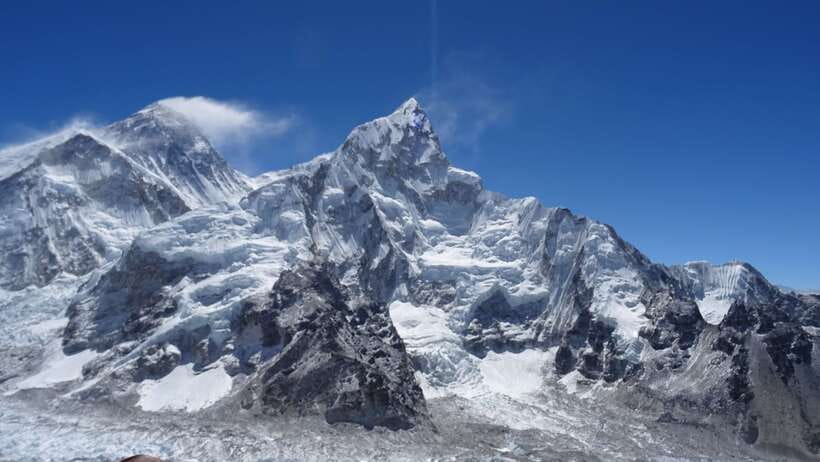
Day 8 is a day trip to Chhukung Valley and back to Dingboche. The schedule frames this as one of the world’s best hikes, and even without hype, it’s the kind of extra outing that upgrades your whole sense of place. A day like this helps you move beyond the “Everest Base Camp only” mindset.
You’ll return to Dingboche for the night, so you keep the acclimatization logic intact while still getting a more varied landscape experience. This also helps if you like the outdoors but want a bit more than a straight line toward Gorakshep.
Lobuche and Gorakshep: Getting Close to the Base Camp Setup
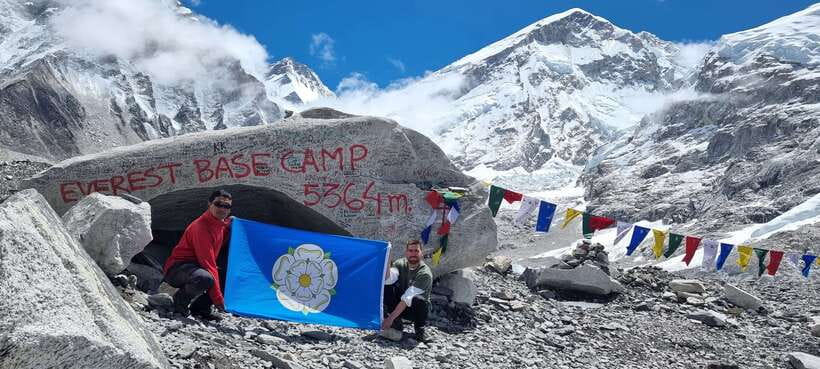
Day 9 is the trek to Lobuche, where you rest and admire the design of nature. That’s a poetic way to describe a real thing: the environment starts tightening, and the terrain feels more defined and severe. You’re nearing the section where the trail feels more like a mission.
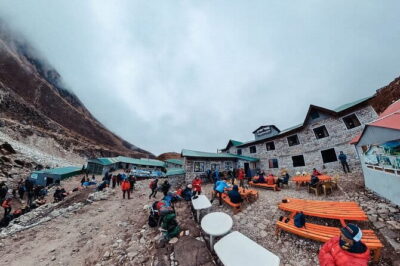
On Day 10 you head from Lobuche to Gorakshep. Gorakshep is a small settlement on the shores of a frozen lake, and it’s the departure point toward Everest Base Camp. Even if you’ve trained, this part is where fatigue can quietly creep in, so it helps that the trek is guided and structured around where you’ll sleep and how you’ll get ready.
Then Day 11 is the early morning push to Kalapathar, followed by heading back toward Pheriche. The main value of Kalapathar is the view-focused timing: you start early so the experience is more likely to match the classic expectations of clear, sharp mountain light. It’s a long effort day, but it’s one of the reasons people say this trek feels like a lifetime milestone.
The Descent Back: Namche Again, Then Lukla
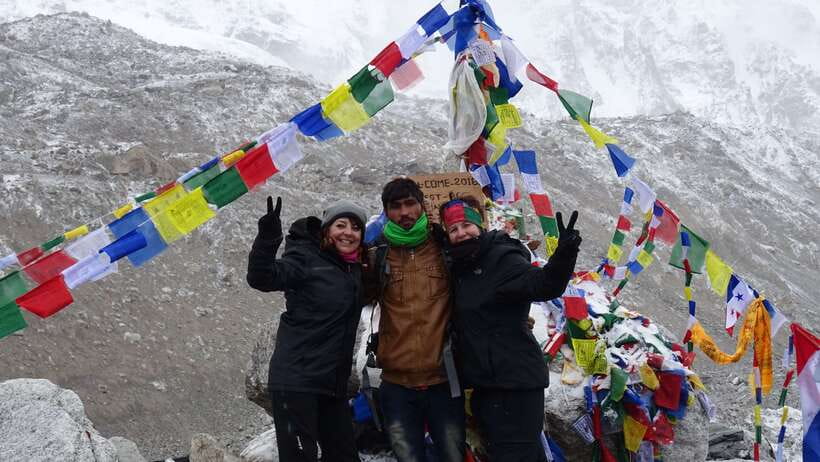
Day 12 brings your descent back to Namche Bazaar, with stops again to acclimatize. This day is less about heroics and more about steady movement. When altitude drops, your legs feel different. You’ll likely appreciate how the schedule keeps you from rushing too fast.
Day 13 continues the descent all the way back to Lukla. The trip calls it a long walk, and that’s exactly how you should think about it: you’re working hard while you’re also looking forward to the flight. If you kept a steady pace earlier, this day feels like a finish, not a punishment.
Day 14 is the flight back to Kathmandu, plus recovery time in a hotel. Day 15 is the airport transfer for your final departure. This ending matters because it gives you a clean landing after two weeks of hard walking.
What $675 Gets You (and What You’ll Still Pay For)
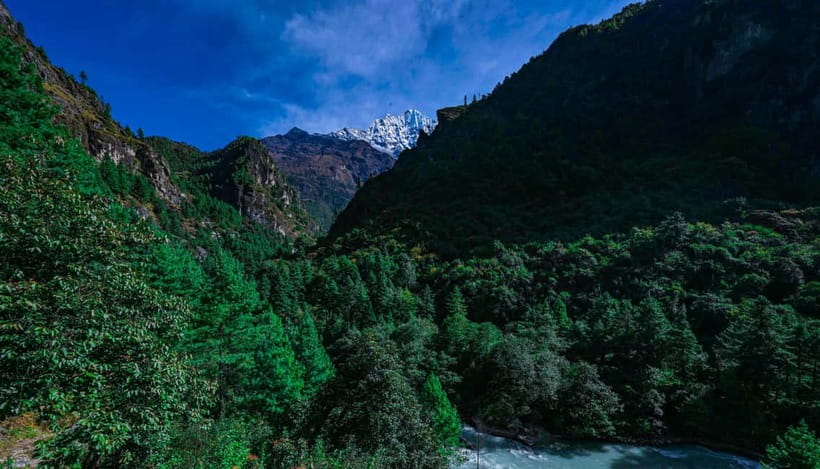
At $675 per person, this trek can be good value, as long as you go into it with your eyes open about what’s separate.
What’s included:
- Private airport/hotel transfers in Kathmandu
- 3 nights in Kathmandu (standard hotel accommodation)
- Kathmandu city tour in a private car
- Best available guesthouse accommodation during the trek
- A licensed English-speaking Sherpa guide
- Everest National Park permits and TIMS trekking permits
- Down-filled jacket and sleeping bag if needed
- Coverage for staff costs like insurance, equipment, and medicine
- Government taxes
What’s not included (the common budget surprises):
- Airfare for Kathmandu (Ramechhap) – Lukla – Kathmandu (Ramechhap)
- Your travel insurance and city entrance fees
- Breakfast, lunch, and dinner during the trek
- Porters for luggage (optional add-on; shared with two people)
- Alcohol, plus cold and hot drinks
The biggest practical takeaway: you’re paying for route structure, guiding, permits, and accommodations, but your daily food costs will be on you. If you’re planning your budget, treat meals as a major line item, not a small add-on.
Guides and Organization: Where the Real Difference Shows Up
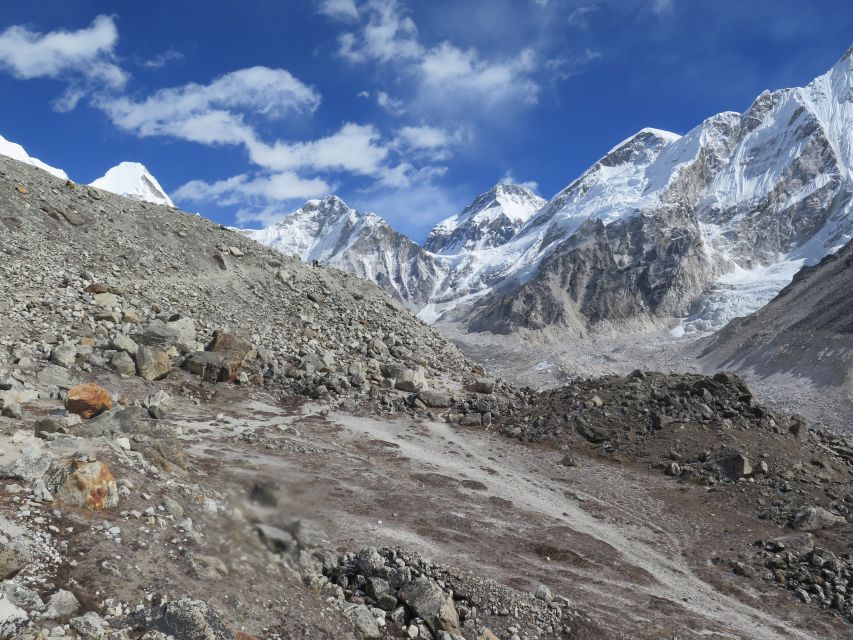
This trek is built around having an experienced Sherpa guide and a small-group flow. In the feedback, names like Kale Prakash, Gokul, Kali, Kumar, and Santos come up with praise for professionalism, care, and smooth coordination.
That’s not just nice branding. On a trek like this, the guide’s job is practical: keeping the schedule sensible, helping you handle altitude days, and guiding you through the cultural parts without making them feel forced. Even when someone isn’t feeling well, that kind of attentive support can change how you experience the next day.
You can also see the value of having someone who handles the Kathmandu side too, including help with getting trekking gear on your first day. That’s a big deal if you arrive without the right setup.
Fitness Reality Check: Who This Trek Fits Best
The trip says it accommodates various fitness levels, and the structure supports that idea. You get an easy first trekking day to Phakding, then a gradual climb toward higher villages like Namche. You also have a rest/acclimatization day that isn’t just time off—it’s an active adjustment.
That said, this is still an Everest Base Camp trek. It’s not for wheelchair users and it’s not a casual stroll. If you’re comfortable walking long days and you can manage steep, cold conditions, you’ll likely enjoy it more.
If your fitness level is lower, the key is mindset and pacing. This is one of those routes where going too fast early can hurt you later. The schedule here gives you an opening to pace smarter.
Practical Packing: Shoes, Sunglasses, and Gear Support
The essentials list is refreshingly simple: comfortable shoes and sunglasses.
But the real help is that the trip can provide a down-filled jacket and sleeping bag if needed. That reduces the risk of arriving underprepared for cold nights, especially on higher sections like Gorakshep and around early morning starts.
Still, don’t treat this as a reason to show up unready. Cold weather gear has to fit you properly to work well. If your shoes are wrong, nothing else matters. Your feet make or break multi-day trekking.
Should You Book This Everest Base Camp Trek?
Book it if you want:
- A structured 15-day route with real acclimatization time
- A small-group feel and an English-speaking Sherpa guide
- Kathmandu culture time that actually connects to what you’ll see later
- Guesthouse comfort and permits handled, so you can focus on the trail
Think twice if:
- Your budget doesn’t include additional costs like Lukla flight tickets and trek meals
- You want fully catered dining (breakfast/lunch/dinner are not included)
- You need wheelchair accessibility (this one isn’t suitable)
If you’re the type of traveler who likes authentic village life as much as peak views, this itinerary offers a good mix. It’s also the kind of trip where thoughtful organization matters, and the guide support seems to be one of its strongest points.
FAQ
What is the duration of this Everest Base Camp trek?
The trek runs for 15 days.
Where does the trek start and how do you get there?
It starts with pickup at Kathmandu International Airport. You’ll also take a flight from Kathmandu to Lukla as part of the trek, and the flight airfare is not included in the price.
What permits are included?
You get Everest National Park permits and TIMS trekking permits included.
Are meals included during the trek?
No. Breakfast, lunch, and dinner during the trek are not included.
Is there porter service included?
Porters to carry luggage are not included, but you can add them as an optional service (shared with two people).
Is this trek suitable for wheelchair users?
No, it is not suitable for wheelchair users.