REVIEW · KATHMANDU
Everest Base Camp Trekking – 13 Day
Book on Viator →Operated by Trekking Planner Nepal · Bookable on Viator
Everest is easier when logistics are handled. This 13-day Everest Base Camp trek feels doable because you get included flights to Lukla and back and stay in trailside lodges with meals and an experienced guide doing the heavy lifting. I love the private-trek flexibility, so your day pace isn’t forced into one-size-fits-all marches. I also love the built-in acclimatization rhythm, which matters more than people think at altitude. One drawback to plan for: you still hike at high elevation, and the trip runs in all weather, so you’ll need proper cold and rain gear even if conditions shift.
What I especially like is how much of the trip is handled from the start. You’re picked up in Kathmandu, sent to a hotel, then you’re guided through packing and the early flight to Lukla—the real launch point for the Khumbu. A mobile ticket is included, and the trek includes park/tour fees like the TIMS card, so you’re not scrambling for paperwork on day two.
This is a great fit if you want Everest Base Camp but don’t want to spend weeks planning logistics. It also helps that the trekking portion is structured for you to personalize it as a private group. If you’re traveling solo, there can be a solo surcharge, and meals in Kathmandu (and drinks) aren’t included—so you’ll budget for those first and last days.
In This Review
- Key highlights that actually matter
- The “all-in” part that saves you weeks
- Kathmandu start: airport pickup and a hotel night that counts
- The Lukla flight: when the trek truly starts
- Namche Bazaar: markets, monasteries, and acclimatization that makes sense
- Tengboche area to Dingboche: forests to viewpoints, with a cold edge
- The acclimatization rhythm near Dingboche: short hikes, big payoff
- Toward Lobuche and the Base Camp approach
- Everest Base Camp day: a moment, and also a lesson in altitude care
- Kala Patthar: the viewpoint day that shapes your whole memory
- Coming back down: Periche, Namche, and the Dudh Koshi flow
- Final trekking days and the flight back to Kathmandu
- Price and value: what $1,399 buys you (and what it doesn’t)
- Packing and gear: bring what the cold will demand
- Guides and pacing: safety comes from day-to-day clarity
- Who should book this Everest Base Camp trek
- Should you book this tour or not?
- FAQ
- FAQ
- Is pickup offered in Kathmandu?
- Are flights included for the trek?
- What meals are included during the trek?
- Do I need a TIMS card and national park entry fee?
- Is insurance included?
- How physically demanding is this trek?
- Is the trek private?
- What if I travel solo?
- What’s the cancellation window?
- Is there a minimum age for alcohol?
Key highlights that actually matter
- Flights from Kathmandu and Lukla are included, so you skip the planning headache and show up ready to trek.
- Trails around the Dudh Koshi River give you steady, scenic days before the big altitude pushes.
- Two “big view” days: Everest Base Camp, then Kala Patthar for that classic high point perspective.
- Acclimatization is built in, including a rest day in Namche and a shorter climb-and-rest pattern later.
- Guide-led pacing and time management: examples include guides like Milan, who explained daily plans and timing clearly.
- Private trek options let you personalize without turning Everest into a group-coordination problem.
The “all-in” part that saves you weeks
Everest Base Camp sounds simple until you start listing the moving parts: flights, permits, lodge availability, meal coordination, and a trek schedule that doesn’t ignore acclimatization. This package is built to remove most of that stress. You show up in Kathmandu, and from there the plan points your feet for 13 days.
You’ll also feel the difference in daily flow. Instead of guessing how early to start, what to pack, or when to stop, you’re guided. That matters because altitude days punish “we’ll figure it out later” energy.
The other big value piece is meals and lodging on the trek. Nightly stays are in trailside lodges, and meal support covers your trek days (breakfast and dinner, plus lunch on trek days). Kathmandu is different—meals there aren’t included—so you’ll eat simply before and after the trek.
You can also read our reviews of more tours and experiences in Kathmandu.
Kathmandu start: airport pickup and a hotel night that counts
Your trip begins at Tribhuwan International Airport in Kathmandu. You’re met by a representative of Nepal Trekking Planner and escorted to your hotel after customs formalities. I like this kind of arrival handling because it reduces the “first-day confusion” tax that can sap energy before you fly to Lukla.
This day also gives you time to do the practical stuff: confirm names and travel documents, settle in, and organize what you’ll bring on the trek. If you’ve ever seen someone realize too late that they forgot gloves or a warm cap, you’ll appreciate having a buffer.
You’ll also notice the company’s logistics style from the planning angle. They emphasize preparing equipment the day before the Lukla flight, which sets the tone for a trek run on schedule rather than chaos.
The Lukla flight: when the trek truly starts
After equipment prep and packing, you head early to Lukla, the gateway to the Everest region. The flight from Kathmandu to Lukla is included, and there’s also a return flight later in the trip.
This is one of those days where “included” is more than a checkbox. Lukla flights are the hinge point of the whole adventure. If you’ve ever tried to coordinate your own timing, airport questions, and connections, you know why people pay for a guided package here.
Also, because flights can be sensitive to weather, the trip uses an early departure rhythm for the Lukla and return legs. That’s a practical detail that keeps your trek from turning into an unpredictable waiting game.
Namche Bazaar: markets, monasteries, and acclimatization that makes sense
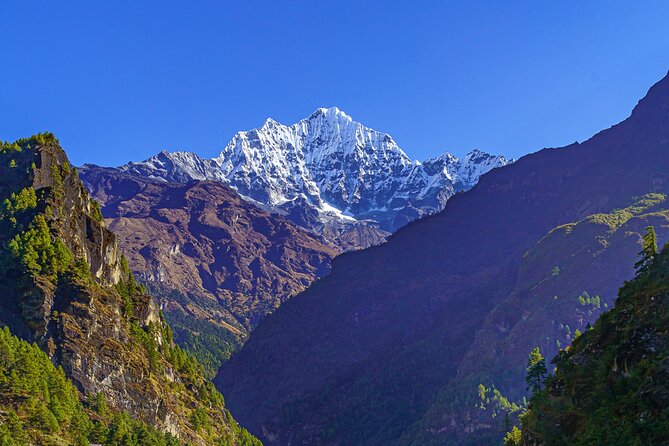
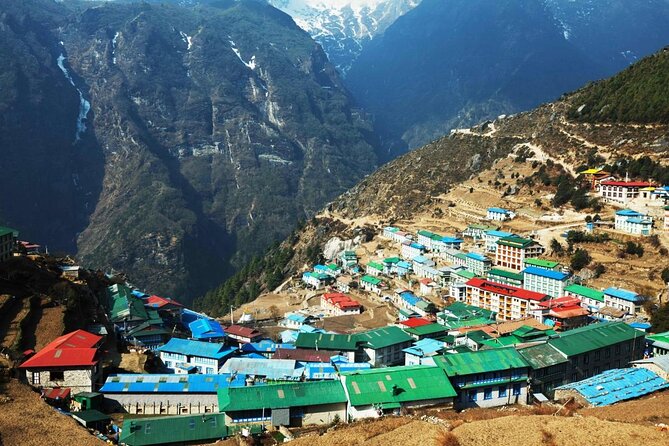
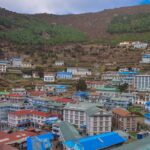
Namche Bazaar is where Everest trekking becomes real. The route first follows the Dudh Koshi River, then you hit suspension bridges and start seeing the kind of villages that sit right inside mountain corridors. When you reach Namche, you’re not just at a stop—you’re in a place that feels like a hub for the Khumbu.
Acclimatization day in Namche is one of the smarter parts of this plan. You get a rest day built for faster adjustment, plus time to walk gently, explore shops, and take in local life. Namche is known for lively energy, including a noted Saturday market buzz, which is a good way to break up the trekking routine without turning it into a grind.
And here’s why it matters: altitude climbs aren’t only about distance. They’re about how your body adapts. That rest day is your chance to keep moving without pushing too hard.
In the higher-end experiences, pacing gets refined fast. One guide example from this operator: Milan is known for explaining next day’s itinerary in advance and sharing time estimates based on how you feel. That kind of briefing helps you stay calm, because you’re not guessing.
Tengboche area to Dingboche: forests to viewpoints, with a cold edge
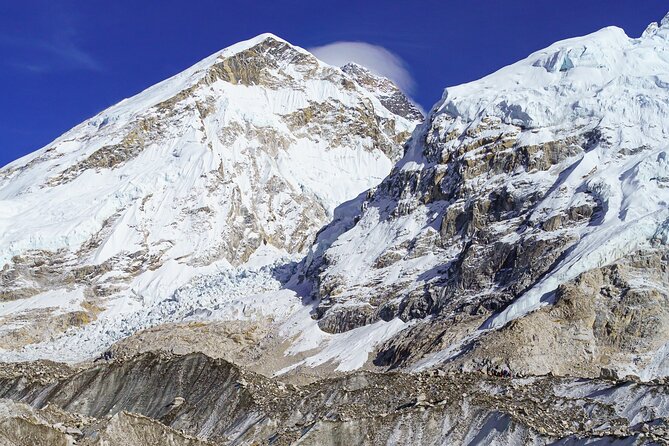
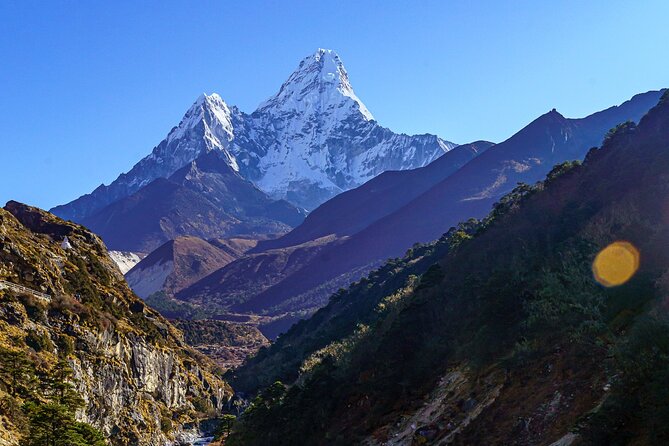
As you work your way higher, your trekking days start mixing forest trails with big viewpoint moments. The plan includes time around Tengboche—famous for sunrise and sunset energy—then continues toward Dingboche.
What I like about this stage is the variety. You get forests and quieter stretches, then you switch gears toward open Himalayan views. That rhythm helps you stay engaged and focused, and it also makes the altitude feel less like a straight, brutal line.
Nightly lodge stays keep you on track, and there’s a pattern of descending into Deboche and moving along the route toward Dingboche. The details matter because the Khumbu region isn’t one long hill climb. It’s a series of ups and downs—just like your body needs.
You’ll also start noticing the trip’s “weather-aware” tone. The plan is designed to operate in all weather conditions, so your day clothes and rain gear need to be ready. If you pack for sunny hiking only, you’ll feel it later.
The acclimatization rhythm near Dingboche: short hikes, big payoff
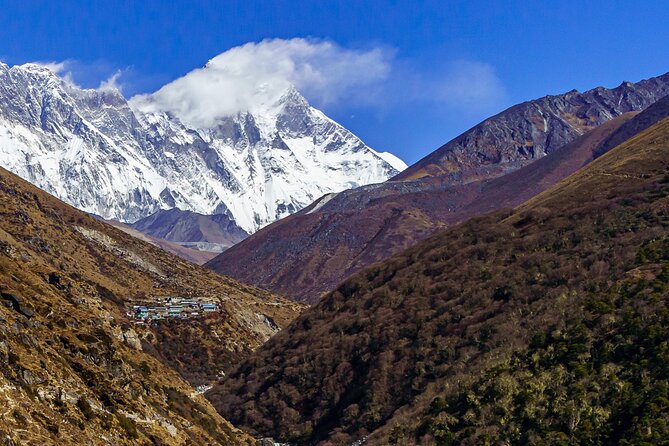
After reaching Dingboche, you’ll have another day of rest and acclimatization. This is one of those “you think you’re done” moments in a trek. You’re higher than you’ve been before, and you still need your body to adapt.
Instead of treating it like a full day off, the plan uses short hikes to higher altitudes to help you acclimatize faster. That pattern—go up a bit, then come down—fits how altitude exposure works best. It’s also a nice mental reset. You can enjoy the mountains without spending every hour pushing.
Toward Lobuche and the Base Camp approach
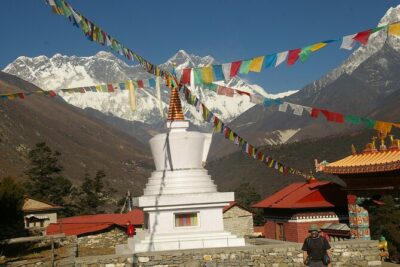
From this point the trek leans into the “final approach” feeling. The route is described as a gradual ascent from Dingboche, passing grazing areas and moving through terrain with chortens and mani walls. These are the little cultural markers that keep the trek grounded—reminders you’re walking through lived-in faith landscapes, not just hiking routes.
As you head toward Lobuche, the trek becomes more intentionally paced. The plan starts emphasizing early starts, which becomes important when you’re trying to keep altitude risk in check.
One practical takeaway for you: if your guide gives walk-time estimates and watches timing relative to sunset, it’s not just about being punctual. It helps keep you from hiking in darkness or getting stuck late when temperatures drop fast.
Everest Base Camp day: a moment, and also a lesson in altitude care
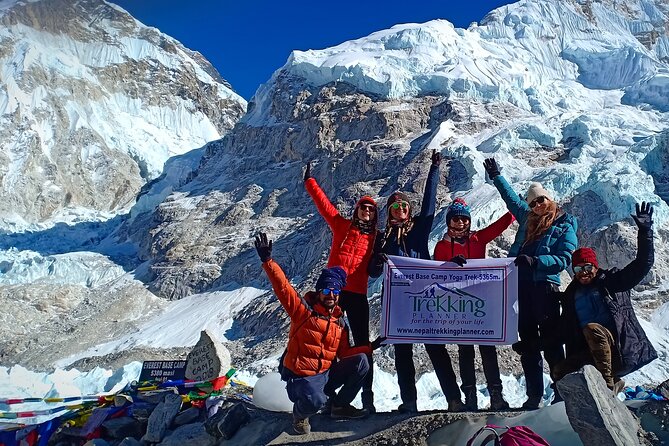
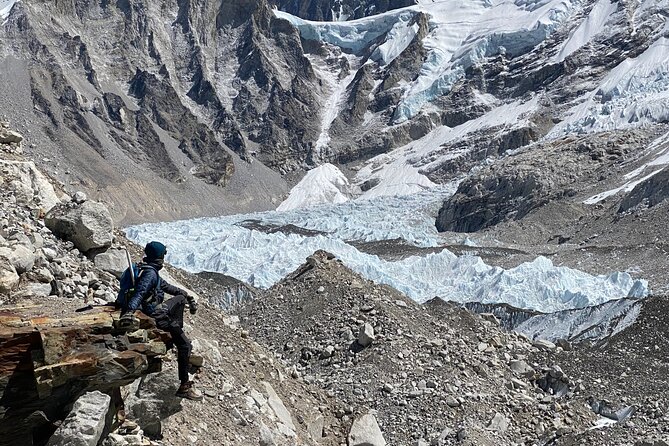
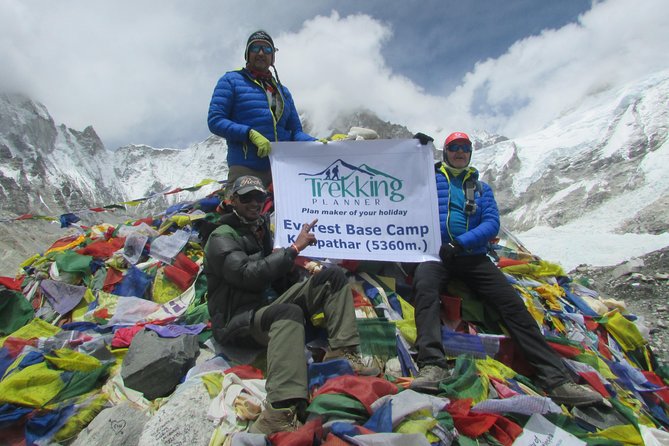
Everest Base Camp is the day you’ve been building toward. The trek begins early from Lobuche toward Base Camp, and you need to be careful with altitude sickness. The plan specifically notes being aware of acute mountain sickness and trekking accordingly.
So what should you actually do with that? The real skill on this day is not speed—it’s listening. Take breaks before you feel awful. Tell your guide quickly if you feel off. And don’t treat Base Camp like a finish line where you suddenly stop being cautious.
Once you arrive, the moment hits. This is why people do the trek in the first place: the scale of the area, the sense of history in the air, and the way Everest dominates your attention even if you’re not at the summit.
Also, because this is a guided and organized trek, you’re not left to manage decisions alone. The guide support is part of the value, and examples from this operator include guides who stay attentive and solve problems calmly, like Achyute, who was praised for support and reassurance when conditions got tough.
Kala Patthar: the viewpoint day that shapes your whole memory
After Base Camp, you shift toward Kala Patthar—one of the most famous viewpoint routes in the Khumbu. The plan includes getting ready before day breaks and then making that early push.
Kala Patthar is the kind of day where timing matters. When you’re up before sunrise, the air is colder, the light changes quickly, and the payoff can feel huge. Even if you’re not a sunrise obsessive, the early start helps you avoid crowds later in the day and gives you a cleaner viewpoint window.
This is also a “logic day.” You’ll need to manage warm layers, wind, and breath. Since the operator emphasizes weather-ready packing, you’ll be glad you brought your warm hat, fleece/puffy layer, waterproof outer shell, and gloves.
Then you return to lower altitudes—because you don’t want to treat a viewpoint day as an endurance race.
Coming back down: Periche, Namche, and the Dudh Koshi flow
The return route keeps things mostly moving downhill, but not easy. You’ll trek from the Everest vicinity back through Periche and toward Namche Bazaar, and you’ll be with the Dudh Koshi River again. River-adjacent trekking is often less mentally brutal because you can keep your eyes on a familiar directional feature.
One advantage here: with a good guide, return days feel organized rather than wasted. Milan’s reputation for clear daily explanations and estimates is the kind of approach that keeps your energy steady—so you don’t blow out on the days that should be easier.
Still, don’t underestimate fatigue. Even a downhill trek can irritate knees and make you lose speed. This is where having a pace that matches your physical ability pays off.
Final trekking days and the flight back to Kathmandu
The last trek days focus on getting you out of the higher zone. From Namche, the route includes a steep descent and then travel toward a riverbed area at a confluence of Dudh Koshi. You’ll feel the altitude lift out of your legs as you get lower, but you’ll also feel the cumulative effect in your body.
Eventually you return to Kathmandu. The flight is scheduled early, with the note that weather disturbances during the day can affect timing. That’s a reality in the Khumbu, and early flights are a practical way to reduce delays.
By the time you land back in Kathmandu, you’re not just exhausted—you’re changed. The trek wraps with a city day, and it’s a good moment to hydrate, eat something familiar, and rest your feet.
Price and value: what $1,399 buys you (and what it doesn’t)
At $1,399 per person, this trek is not cheap in pure sticker terms. But it’s packed with the exact things that usually cost time and money when you plan Everest yourself.
Here’s what you get for the money:
- Flights Kathmandu–Lukla–Kathmandu, plus airport departure tax included in the described package setup
- Lodging in trailside lodges every night during the trek
- Most meals during trekking, with breakfast and dinner included and lunch indicated during trek days
- National park entrance fee and TIMS card included
- A private tour/activity where only your group participates, plus the option for a private trek to personalize your schedule
- Local taxes tied to the itinerary
What you should budget separately:
- Alcoholic drinks (available to purchase)
- Meals in Kathmandu
- Personal expenses like phone calls and charging
- Travel/health insurance, including insurance for helicopter evacuation
- Your Nepal visa fees (not included)
So the real question is: do you want to trade money for certainty and reduced planning? If yes, this price can feel fair. If you already have your logistics dialed and you’re confident handling permits and daily planning yourself, you might compare costs—but you’ll still be paying for coordination time somewhere.
Packing and gear: bring what the cold will demand
The trip gives a clear gear checklist expectation. They also note you get a complimentary trekking duffel bag that you return after the trek. That’s handy because it standardizes how you’ll move gear.
You’ll want to plan around layers:
- A warm woolen cap and a warm fleece or puffy jacket
- A waterproof outer layer (Gore-Tex style)
- Gloves and good socks (4–5 pairs)
- A raincoat for wet days
- Trekking trousers, trekking shirts, and non-cotton underwear if you can
You’ll also need essentials like a small hand towel (not a huge one) and toilet paper you bring since quality along the route may be poor.
Footwear matters too. The checklist includes trekking shoes plus sports shoes or sandals. You don’t want to arrive with one pair of questionable boots and hope Everest fixes your blisters.
Guides and pacing: safety comes from day-to-day clarity
One thing that comes through strongly is the focus on day planning and calm control. Guides are praised for being responsible, attentive, and for explaining the next day’s itinerary in advance. Milan, for example, is highlighted for time management and estimates based on physical ability, and for predicting sunset time to avoid getting caught late.
That style matters in the real world. When someone clearly tells you how long the walk should take and what time to be moving, you stop second-guessing. You feel safer, and you can pace yourself more intelligently.
Porter support is also part of the practical package. Ganesh was mentioned for bringing luggage every day in ahead of time. Even if you personally pack lightly, having daily luggage logistics handled reduces effort and helps you focus on walking.
If you like having a guide who checks your comfort and supports problem-solving when conditions shift, this trek has the right structure for it.
Who should book this Everest Base Camp trek
This one is best for you if:
- You have moderate fitness and you want a structured 13-day schedule
- You want the core Everest highlights (Base Camp and Kala Patthar) without managing flights, lodge booking, and paperwork
- You prefer a private group experience rather than being squeezed into an unpredictable crowd dynamic
- You want a trip that respects acclimatization, not just distance
You might reconsider if:
- You hate early starts or cold mornings (Kala Patthar is a pre-day-break push)
- You’re trying to travel on shoestring gear, because insurance, drinks, and Kathmandu meals add up quickly
- You plan to rely on luck for weather—because the trek operates in all weather conditions, you’ll need to dress properly
Should you book this tour or not?
If you want Everest Base Camp and you’d rather pay for good planning than spend weeks building logistics yourself, I’d say this trek is worth serious consideration. The included flights, lodge support, meals on the trek days, and the included TIMS/national park fees remove the common pain points that can derail a high-altitude trip.
Book it if you like clarity: daily guidance, time estimates, and a schedule that includes rest and acclimatization. The guide-focused approach—examples like Milan’s structured briefings and Achyute’s calm support—suggests you’ll be hiking with more than just directions. You’ll have a system.
Hold off if you’re not ready for cold, weather swings, and the reality of altitude caution. Even with the best plan, your body sets the limits. If you’re honest about that upfront, you’ll be much happier on day nine at Base Camp and on day ten at Kala Patthar.
FAQ
FAQ
Is pickup offered in Kathmandu?
Yes. You’re received at Tribhuwan International Airport and escorted to the hotel by a representative. A pickup is also listed as offered, and the hotel is noted as near public transportation.
Are flights included for the trek?
Yes. Kathmandu to Lukla and back flights are included, along with airport departure tax as described in the package.
What meals are included during the trek?
Lunch (11), dinner (12), and breakfast (12) are listed as included. Meals in Kathmandu are not included, and alcoholic drinks are available to purchase.
Do I need a TIMS card and national park entry fee?
Yes, and the package includes the national park entrance fee and the TIMS card (Trekkers’ Information Management System) as part of the trek fees.
Is insurance included?
No. Personal travel and health insurance are not included, and insurance for helicopter evacuation is also not included.
How physically demanding is this trek?
The tour notes you should have moderate physical fitness level. The schedule includes acclimatization days and a paced approach, but you still hike at altitude.
Is the trek private?
Yes. This is described as a private tour/activity where only your group will participate, and private treks are offered so you can personalize the itinerary.
What if I travel solo?
If you want a solo departure and not join existing groups, there is a single surcharge of USD 150 once you arrive in Nepal.
What’s the cancellation window?
Free cancellation is available up to 24 hours in advance for a full refund, based on the experience’s local time.
Is there a minimum age for alcohol?
Yes. The minimum drinking age is 18 years.