REVIEW · KATHMANDU
Everest Base Camp Trek – 14 Days
Book on Viator →Operated by Ace the Himalaya · Bookable on Viator
A one-way ticket to big mountain air. This Everest Base Camp trek is built for guided hiking with support staff handling logistics, while you focus on the trail and the views. You start with an airport pickup in Kathmandu, then fly to Lukla (with a common traffic workaround), and spend the trip moving through classic Khumbu villages, monasteries, and high-altitude viewpoints.
I especially like the small group size (up to 14) and the safety-minded setup—your trekking guide is government licensed, English-speaking, and first-aid trained, with emergency evacuation arrangements included. I also like the real comfort upgrades in the plan: Kathmandu hotel nights are covered, and on-trail you get guesthouse stays plus most meals, with filtered water using a Katadyn Pocket Water Filter.
One drawback to consider: flights to the Everest region can be disrupted by weather and peak-season congestion, and the plan may shift the Lukla route to Manthali (Ramechhap). If you’re the type who hates last-minute travel changes, build in extra patience.
In This Review
- Quick take: what matters most on this Everest Base Camp plan
- Price and what you truly get for $1,800
- Flying to Lukla: the Manthali workaround and luggage reality
- Your first Kathmandu night: transfers, briefing vibes, and altitude prep
- Route walkthrough: from Dudh Koshi bridges to the Tengboche monastery day
- Dingboche acclimatization hike: why this day can save the rest
- Lobuche and glacier country: memorials, moraine walking, and a different kind of quiet
- Everest Base Camp day at 5,365 m: what to expect when the trail levels (then ramps)
- Kala Pattar at 5,555 m: the hardest hour(s) you’ll remember
- The descent back: Namche and the feeling of finishing something
- Who you’ll likely trek with: guide styles and porter teamwork
- What’s included on the trail (and what you must bring yourself)
- Best fit: who this trek works for (and who should rethink)
- Should you book this Everest Base Camp trek?
- FAQ
- What’s included in the $1,800 per-person price?
- How does the porter service work?
- What are the highest points on the trek?
- What if flights to Lukla are shifted during busy seasons?
- Is there an extra cost if I book solo?
- What’s the refund timeline if I cancel?
Quick take: what matters most on this Everest Base Camp plan
- Small group up to 14: easier pacing and less chaos in busy tea houses.
- Porters for 11 days (1 porter per 2 clients): you’ll carry the essentials, not your whole life up the stairs.
- Safety + medical planning: first-aid trained guide and emergency medical evacuation arrangements included.
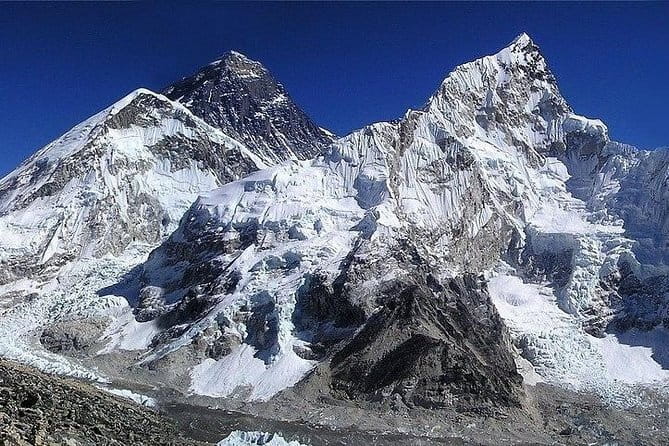
- Two big high points: Everest Base Camp at 5,365 m and Kala Pattar at 5,555 m.
- Clear acclimatization day: a no-base-camp-progress hike around Dingboche helps your body catch up.
Price and what you truly get for $1,800
For $1,800 per person, you’re not just buying “a trek.” You’re buying the pieces that usually eat up time, energy, and decision-making.
This price covers domestic flights (Kathmandu–Lukla–Kathmandu), airport/hotel transfers in Kathmandu, and two nights in a 3-star twin-share hotel with breakfast. On the trail, it includes guesthouse accommodation (including attached toilets called out for Lukla, Phakding, and Namche) and all standard meals during the trek—breakfast, lunch, and dinner—plus seasonal fruits. You also get the permits and fees needed to trek in the Everest/Sagarmatha National Park area and the Pasang Lhamu Rural Municipality fee.
Then there are the “quiet value” items that matter more than people expect. Filtered water via a Katadyn Pocket Water Filter is included, and you’ll have a comprehensive first-aid kit and emergency medical evacuation arrangements. Staff costs, insurance, equipment, and medicines for the team are also included. In practice, this means fewer gaps where you’d otherwise scramble for solutions at altitude.
Two practical notes. First, tips for guide and porter are expected and not included. Second, if you’re booking solo and there isn’t an existing group to share accommodation with, there’s a single surcharge of USD 250 that you pay upon arrival in Nepal.
You can also read our reviews of more tours and experiences in Kathmandu.
Flying to Lukla: the Manthali workaround and luggage reality
The Everest trek starts with flight logistics. In many seasons, you’ll fly the expected Kathmandu to Lukla route. But during peak congestion periods (the plan specifically calls out March, April, May, and October), flights to Lukla may shift to Manthali Airport in the Ramechhap district. That’s a real factor because it changes ground transfers and can affect your day’s timing.
So, what you should do with that info? Keep your schedule flexible, and don’t plan anything immediately after your trek ends besides a buffer for travel delays.
Luggage also has a clear rule: 15 kg domestic flight allowance is listed. Your trekking porter is there to help, but that doesn’t override airline limits. Pack smart from day one—keep heavy stuff light and put your must-use items where you can reach them fast.
Your first Kathmandu night: transfers, briefing vibes, and altitude prep
Before you ever step onto a suspension bridge, you’re in Kathmandu. You’ll be met at Tribhuvan International Airport and transferred by private tourist vehicle to your Kathmandu hotel. There are two nights in a 3-star twin-share hotel with breakfast included, so you get a proper pause before altitude starts tugging at your lungs.
This matters because Everest treks aren’t only about walking. You need sleep, you need food you can digest, and you need a calm morning routine. A good operator uses those hotel days for more than check-in. On this route, your acclimatization work begins right after you move into the Everest region.
One neat detail you’ll feel on the first days: your trekking package includes an Ace the Himalaya duffel, a trekking map, a sun hat, and a completion certificate. That’s not just “stuff.” It’s gear you’d otherwise have to buy or improvise, especially if you’re trying to travel light.
Route walkthrough: from Dudh Koshi bridges to the Tengboche monastery day
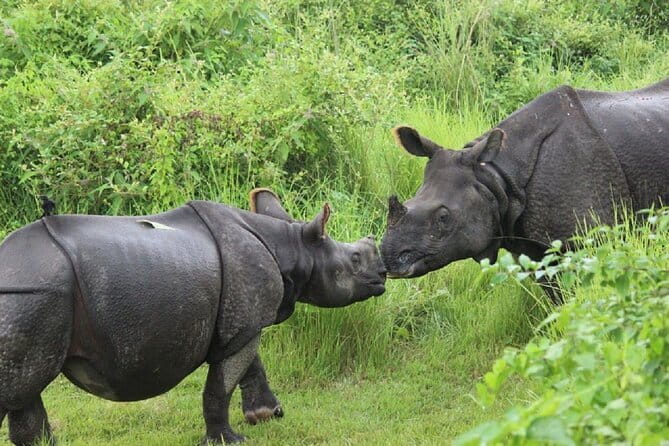
After Kathmandu, the trail becomes classic Khumbu territory. You’ll walk along the banks of the Dudh Koshi, crossing suspension bridges lined with prayer flags. The repeated bridge crossings are part of what makes this route feel like you’re constantly moving, even when you’re only covering moderate distances.
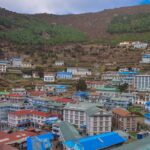
Day 3 is built around arriving into the Sagarmartha National Park area and settling into the Namche Bazaar rhythm. In practical terms, Namche is where you start learning the tempo of altitude trekking: your body slows down, and your breathing becomes your metronome.
Day 4 gives you a full acclimatization day in Namche. The plan includes a visit to the Sherpa Museum, plus a short trek to support getting used to thinner air. This is a good use of time because you’re not just “waiting.” You’re walking lightly, learning some context, and letting your body adjust before you push higher.
Then you head toward Tengboche. Day 5 takes you up to about 3,860 m, reaching Tengboche Gompa. This stop is the kind of day where your pace might feel slower, but the atmosphere hits harder—mountain views opening up and a monastery setting that gives the region a different mood than just trekking.
The potential drawback here is simple: Tengboche days can feel long if you underestimate how your body handles the altitude climb. Go slower than you think you should, drink water early, and take breaks before you feel wiped.
Dingboche acclimatization hike: why this day can save the rest
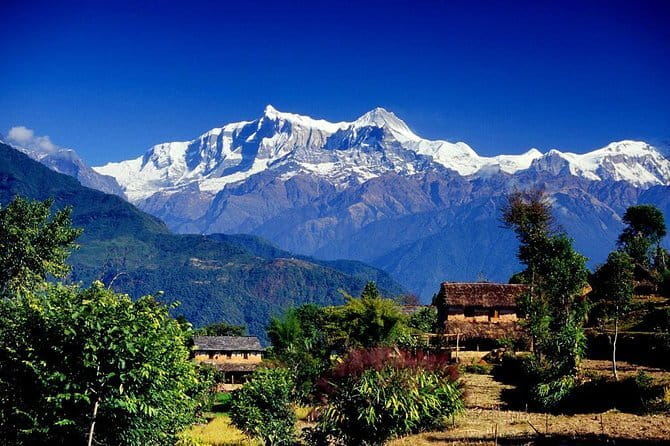
Dingboche is where many people either feel strong or get humbled quickly. On Day 6, you move through the route with suspension bridges over the Imja Khola and climb through the mani stone world around Pangboche before reaching Dingboche.
Day 7 is the key acclimatization move. The plan does not push you toward Everest Base Camp that day. Instead, it builds an extra hike to Nangkartshang peak just above Dingboche as a viewpoint day. That choice matters because it trains your body to work at altitude without the stress of continuing to summit-bounce toward Base Camp.
In my view, this is one of the smartest pieces of the whole plan. You’re not “taking an easy day.” You’re taking a strategic day—work your lungs lightly, then recover so the next few days don’t feel like a cliff.
Lobuche and glacier country: memorials, moraine walking, and a different kind of quiet
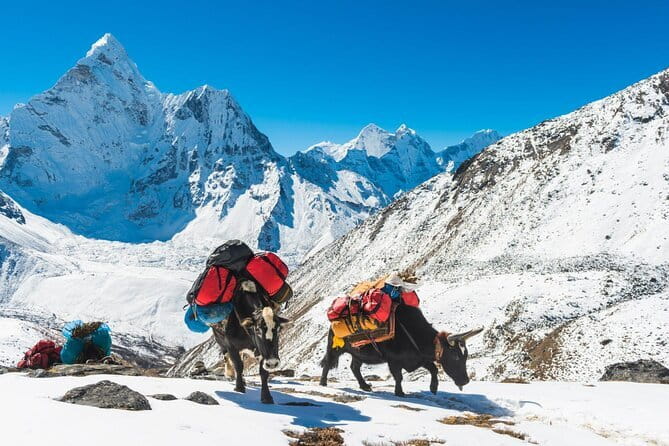
As you leave Dingboche behind, the trail shifts character. Day 8 continues toward Lobuche, passing along the lateral moraine of the Khumbu Glacier. It also includes stops by stone memorials for climbers who have perished on nearby summits.
This is one of those emotional landscape moments—though the best word is sobering. The walking is still the walking, but the meaning of the mountains becomes harder to ignore. Go slow here, not only out of respect, but because moraine walking can feel uneven and mentally tiring.
At this stage, tea houses and guesthouse pacing start to matter. You’ll want to keep your energy steady and avoid racing up to your next stop. The guide and group plan help with that because someone is tracking the day’s rhythm for you, not you guessing in the fog of fatigue.
Everest Base Camp day at 5,365 m: what to expect when the trail levels (then ramps)
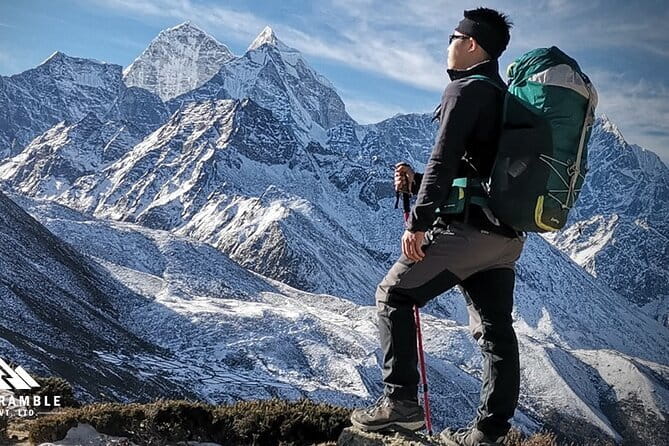
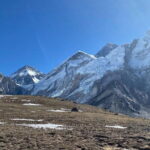
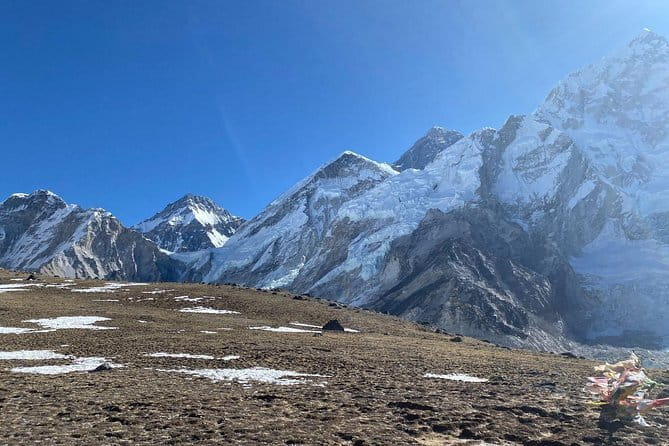
Day 9 is described as a big, difficult day walk along the Khumbu Glacier to Everest Base Camp at 5,365 m, the closest point you can reach without mountaineering equipment. The plan notes that in spring there are likely more people around, which fits the general pattern of EBC crowds—expect busier viewpoints, more shared space, and a slower feeling at the destination.
You’ll feel the altitude on the way. Even when the path isn’t steep every minute, oxygen still drops, and your pace will naturally slow. This is where the guide’s emergency readiness matters, not because you’ll be “in trouble,” but because you’ll have clear guidance on pacing, hydration, and when to stop.
A practical tip: keep your focus on small goals. Don’t measure success by speed. Measure it by finishing each segment calmly.
Kala Pattar at 5,555 m: the hardest hour(s) you’ll remember
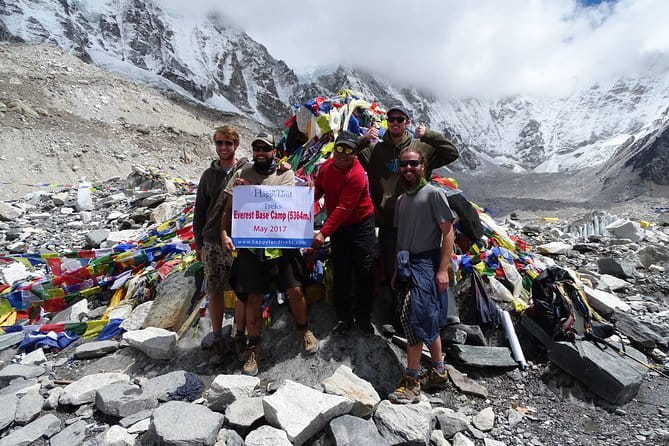
Day 10 is another standout: a difficult morning climb to Kala Pattar at 5,555 m. This is the kind of day where you can feel proud and uncomfortable at the same time. The effort is demanding, but it’s also a moment where the views tend to anchor the whole trek in your memory.
If you’re prone to rushing when you get close to a payoff, resist that instinct. Kala Pattar punishes speed. It rewards patience.
This is also one place where your equipment choice matters. You’ll want warm layers, a hat, and gloves if the wind is active. The trek package includes a sun hat, but cold comfort still comes from how you layer.
The descent back: Namche and the feeling of finishing something
After Base Camp and Kala Pattar, you’re not “done,” but the route becomes a controlled descent. Day 11 takes you away from the Everest Base Camp area, descending through Pangboche and Tengboche and continuing on to Namche Bazaar. You arrive back in Namche in the afternoon.
Day 12 is your last day of trekking in the Everest region. You’ll return to Lukla, reflect as a group, and enjoy the sense of having completed the hard part. Then on Day 13, you get the scenic flight back to Kathmandu, with the plan noting around a 35-minute flight and last mountain glimpses.
Day 14 ends the trek back at Tribhuvan International Airport. If you’ve been dreaming of returning to smoother breathing, this is when it starts to happen in a noticeable way.
Who you’ll likely trek with: guide styles and porter teamwork
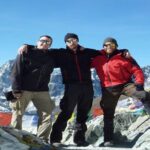
This is a maximum of 14 travelers, and it’s set up for personal attention. Your guide is first-aid trained and government licensed, and that’s a big deal on a trek where altitude can change how quickly you feel.
You might be led by guides such as Kishor, Chris, Maddy, Rajendra, or Sujan—names that show up in past trekkers’ experiences. Across these accounts, a common theme is that the guide supports safety and pacing while keeping the group moving with local know-how.
Porters are part of the core experience here. The plan includes porter service for 11 days with a ratio of 1 porter for 2 clients. Past groups have praised porters like Shaman, Sher, and Saman for doing the heavy carrying while also looking out for trekkers’ comfort. That’s not just good service—it’s what turns Everest Base Camp into a hike you can actually enjoy rather than a hauling grind.
What’s included on the trail (and what you must bring yourself)
You’ll be eating well enough to keep moving. The package includes standard meals: breakfast, lunch, and dinner during the trek. You also get filtered water made safer for the trail and seasonal fruits along the way.
Accommodation is guesthouse-based. The info calls out twin-sharing guesthouse rooms with attached toilets in Lukla, Phakding, and Namche, which is a nice quality bump for the start and middle of the route. For the higher villages, the plan doesn’t spell out attached toilet details, so I’d plan on basics rather than expecting a hotel-style bathroom every night.
What you still need to bring is your personal trekking equipment, plus your own travel insurance that specifically covers emergency high-altitude rescue and evacuation. Insurance is listed as not included, and that’s a must for any serious altitude itinerary.
Tips are also not included. If you’d rather not think about it at the end, set aside a budget early.
Best fit: who this trek works for (and who should rethink)
This trek is designed for people with moderate physical fitness who want a guided, structured EBC route. The pace is built around acclimatization, and the itinerary includes an acclimatization day plus two major high points (Base Camp and Kala Pattar).
It’s a strong fit if you want:
- Support with logistics and trail planning
- Porter help so you can focus on walking
- A small group setting (up to 14) rather than a big herd
It may be a less ideal fit if:
- You hate flight uncertainty and possible route shifts to Manthali in peak periods
- You can’t handle long days at altitude even with a guide and acclimatization
Should you book this Everest Base Camp trek?
I’d book this if you want a clear, well-supported plan with safety planning, porter assistance, and most meals handled, and you’re okay with the reality that mountain flight schedules can change. The value shows up in the parts that keep you comfortable and consistent: Kathmandu hotel nights, domestic flights, permits, filtered water, and the first-aid and evacuation arrangements.
If you’re traveling solo, check whether your departure date has an existing group. That USD 250 single surcharge can change the math fast. And if you’re the type who needs total schedule certainty, build in buffers for Manthali shifts and typical mountain weather disruptions.
FAQ
What’s included in the $1,800 per-person price?
It includes private airport/hotel transfers in Kathmandu, two nights of 3-star twin-share accommodation with breakfast, domestic airfare Kathmandu–Lukla–Kathmandu, a government licensed English-speaking trekking guide and porters, most meals during the trek, trekking permits and fees, guesthouse accommodation on the trail, filtered water with a Katadyn Pocket Water Filter, seasonal fruits, and emergency/first-aid support with evacuation arrangements. It also includes items like an Ace the Himalaya duffel, trekking map, sun hat, and a completion certificate.
How does the porter service work?
The trek includes porter service for 11 days with a ratio of 1 porter for 2 clients. That means you won’t be hauling all your luggage up the mountain.
What are the highest points on the trek?
The plan reaches Everest Base Camp at 5,365 m and includes a climb to Kala Pattar at 5,555 m. There’s also an acclimatization hike near Dingboche to Nangkartshang peak.
What if flights to Lukla are shifted during busy seasons?
The plan notes that Lukla flights to and from Kathmandu may shift to Manthali Airport in Ramechhap during peak congestion periods such as March, April, May, and October. You should expect this possibility and stay flexible.
Is there an extra cost if I book solo?
Yes. The price is based on two people sharing, and if there isn’t an existing group for your date, a single surcharge of USD 250 applies upon arrival in Nepal.
What’s the refund timeline if I cancel?
You can cancel up to 6 days in advance for a full refund. For a 50% refund, cancel 2–6 days in advance. If you cancel less than 2 full days before the experience starts, the amount paid is not refunded.