REVIEW · KATHMANDU
Private Multi Day Nepal Poon Hill Trekking Tour
Book on Viator →Operated by EncountersNepal.com · Bookable on Viator
There are few mornings as good as Poon Hill sunrise. This private, 6-day trek around the Annapurna range is a “baby trek” in reputation but not in effort, with forests, stone steps, Gurung villages, and that big mountain panorama waiting at 3,190 meters. What makes it extra appealing is the hassle-free planning and the private pacing you get with a guide.
I like the way this trip is set up so you can focus on the walk instead of logistics. You get all meals and overnight accommodation included, and the route weaves past rivers, terraces, and classic mountain villages without you having to figure out the next bus, lodge, or trail decision.
One thing to think about: it starts early (meeting at 6:00 am) and it is still a real hike with altitude and uphill walking, so you’ll want to be honest about your fitness level before you book.
In This Review
- Key things to know before you go
- Why Poon Hill feels like a baby trek with big-mountain payoff
- The Kathmandu to Pokhara jump that sets the tone
- Pokhara to Tikhedhunga: warm-up miles along the Modi River
- Tikhedhunga to Ghorepani: Ulleri steps and a forest that changes with altitude
- The sunrise push to Poon Hill: rhododendron dawn and a wide-angle view
- Ghorepani to Ghandruk and back toward Pokhara: village walking with fewer peak hours
- Price and logistics: is $900 worth it?
- Who should book this Poon Hill private trek
- Practical tips to make the trek feel easier
- Should you book this private Poon Hill trekking tour?
- FAQ
- What time do we meet for the Poon Hill tour?
- How long is the trek?
- What’s included in the tour price?
- What is not included?
- Is this a private tour?
- What happens if the trek can’t run due to weather?
Key things to know before you go
- Private tour, private group: only your group participates, and your guide can adjust your pace.
- Meals + lodge nights included: less decision-making after long walking days.
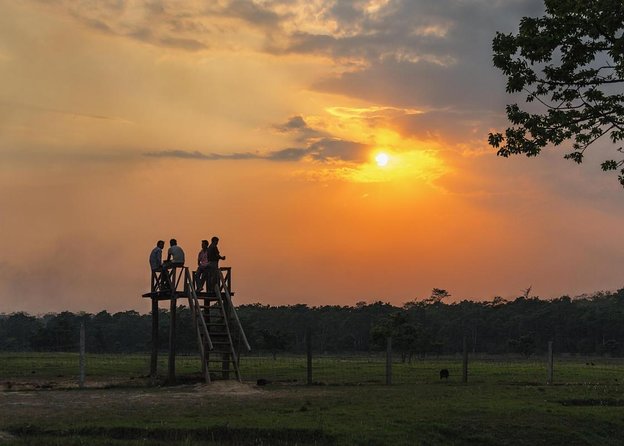
- Real sunrise trail: you hike up through rhododendron forest for an early-morning summit view.
- Classic Annapurna villages: you pass Gurung and Magar Poon traditions and see farm terraces along the way.
- Porter not included: you’ll carry what you bring, so pack light and smart.
Why Poon Hill feels like a baby trek with big-mountain payoff
Poon Hill is the kind of place people call an easy trek. The truth is more practical: it is manageable compared to higher Annapurna routes, but it still asks for steady legs. Over six days, you go from Kathmandu to the trail area around Pokhara, build altitude gradually, and then earn one of Nepal’s most famous sunrises.
The best part is that you’re not just walking from point A to point B. You’re moving through changing climates and scenery. You start in warmer mid-hills, then climb into cooler air, and finally into forest zones where pines, oaks, and rhododendron show up at the right time of year. That shift makes the effort feel like it has a purpose.
And because it’s a private guided trek, you’re not stuck in a rigid group rhythm. I like that your guide can help you choose when to push and when to catch your breath, especially on the steeper sections with lots of steps.
You can also read our reviews of more tours and experiences in Kathmandu.



The Kathmandu to Pokhara jump that sets the tone
Your trekking story begins with a drive from Kathmandu toward Pokhara, with a scheduled departure around 6:00 am for the meeting. The transfer is included as a round-trip private bus and you may also get hotel drop-off if you’re staying at a selected hotel.
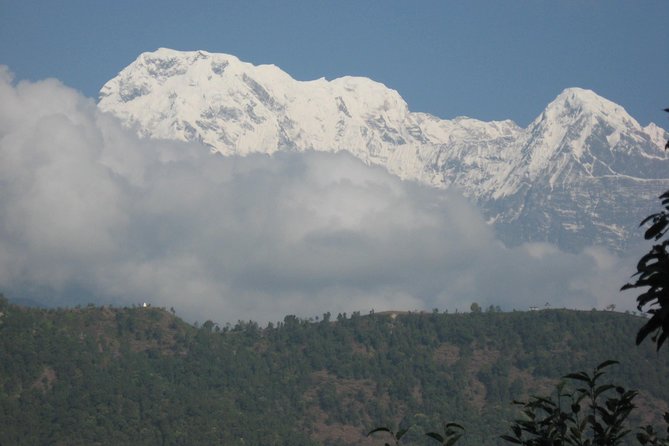
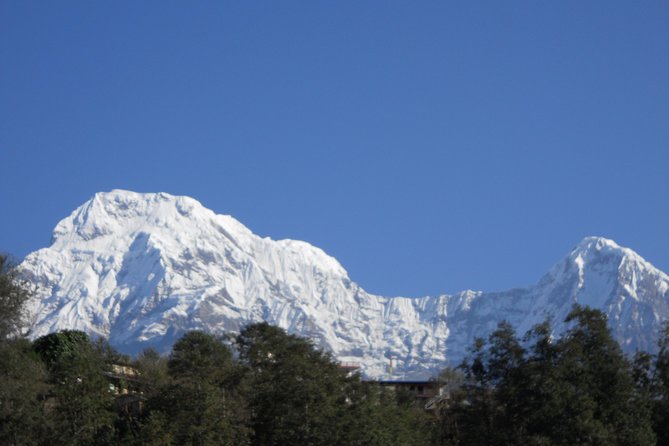
Once you’re on the highway route, you’ll pass the Pokhara valley and get grand views of the Annapurna Himalayan range. That matters more than it sounds. Seeing the mountains before you start hiking makes the trek feel real, not hypothetical.
You’ll also want to treat the transfer like part of the day’s prep. Even though food on the bus isn’t included, you can plan around that by eating before you depart (or keeping simple snacks handy if you know you’ll get hungry). The goal is to arrive in the trek zone ready to walk, not already drained.
Pokhara to Tikhedhunga: warm-up miles along the Modi River
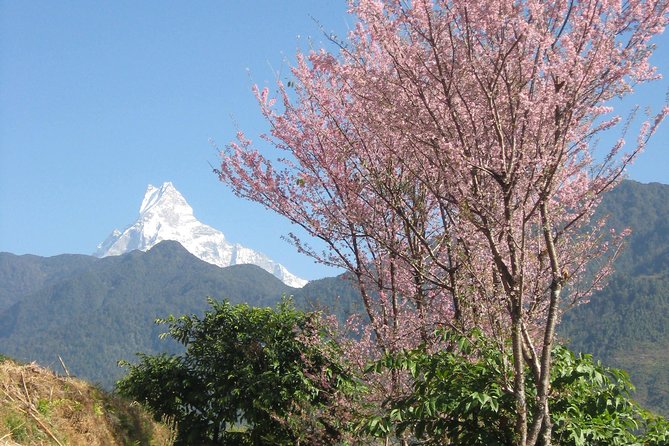
Day two (Pokhara to Tikhedhunga) gives you a classic start: Nayapul or Bhirethati as your walking launch point, then a steady rise that helps your body get used to the rhythm. You’ll walk alongside the Modi River, which is fed by glaciers from the Annapurna area.
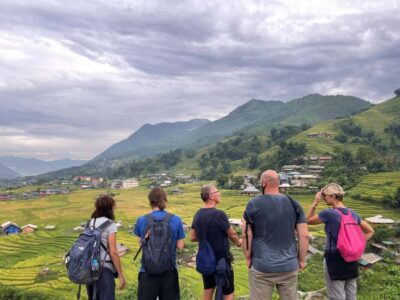
This is the day for settling in. The trail moves through warm temperature zones, where the air feels easier and your pace can be relaxed. You’ll pass small villages and terraced farm fields, and you’ll notice how much of the scenery here is human-made and maintained. This is not just wilderness views. It’s daily life on slopes.
A practical note: the description includes areas with mild climate and slower uphill sections. Still, don’t assume that means no strain. The earlier you start pacing yourself, the easier your later climbs will feel.
Tikhedhunga to Ghorepani: Ulleri steps and a forest that changes with altitude
By the time you reach Ulleri, you know you’re on a real trek. The route includes stone steps to get up to Ulleri, and this is where good trekking shoes earn their keep. Even if you don’t love step climbing, it helps to know what you’re walking into: repetitive footwork, frequent pauses, and a gradual gain that rewards you later.
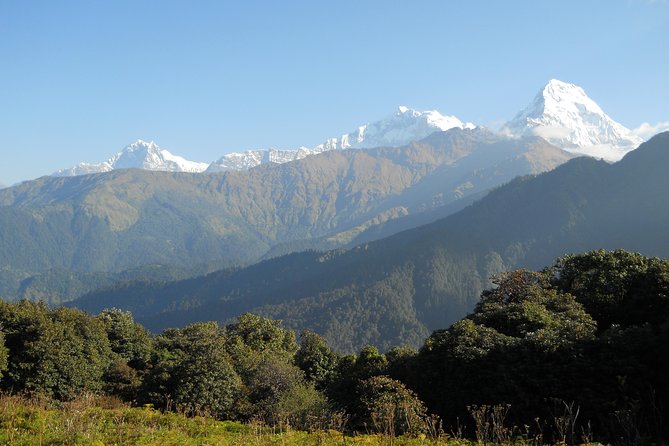
As the trek continues toward Ghorepani, the air cools down. The route moves through an enchanting forest area with pines and oaks, and the vegetation shifts as you climb into a more alpine climate. That change is one of the reasons this trek feels better than a simple walk uphill. Your senses keep getting new information: different smells, different light under trees, and different views when you break out of the canopy.
You’ll reach Ghorepani at around 2,874–2,855 meters depending on the way the trek is described. The important part is that this is your lodge night. After a hiking day, a warm room and an included dinner matter. I like that this trip includes breakfast, lunch, and dinner, so you’re not scrambling for meals at the end of the day.
The sunrise push to Poon Hill: rhododendron dawn and a wide-angle view
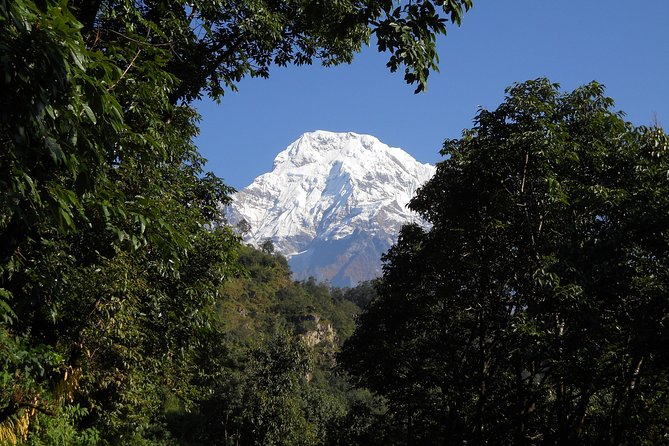
Most of the magic happens early. On the next morning, you hike up to Poon Hill around 3,190 meters for sunrise. The route goes through a forested area of rhododendron, which is exactly the kind of detail that makes a pre-dawn hike feel less like a chore and more like a mission.
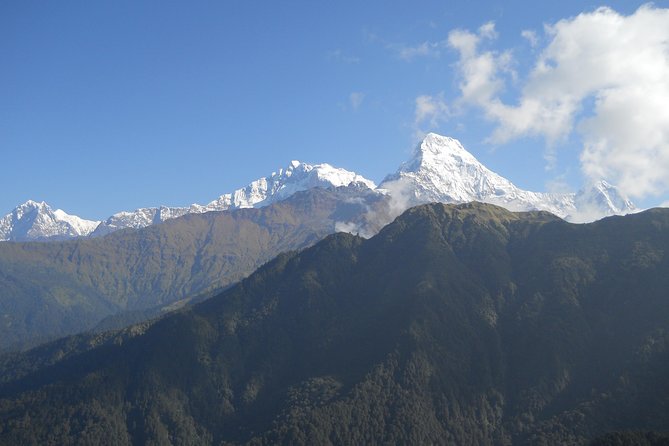
Once you reach Poon Hill, the views open wide: Annapurna I, Annapurna South, Gangapurna, Annapurna III, and Mount Machhapuchhre (often called Machhapuchhre). The trek description also notes a broad view across the peaks, so you’re not stuck staring at one summit like a postcard. It’s the sweeping angle that gets you.
Here’s how to make this morning work in real life:
- Bring a warm layer even if the day felt mild. Early starts are colder, especially with altitude.
- Give yourself a few minutes to adjust to the quiet. Sunrise views are better when you stop rushing photos and just watch the colors change.
If you’re traveling with a good guide, this is also where their calm matters. In past trips, guides such as Buddhi and Thakur Dahal have been described as patient and professional, which fits how sunrise trekking needs to run: steady pacing, no panic, and practical help when conditions change.




Ghorepani to Ghandruk and back toward Pokhara: village walking with fewer peak hours
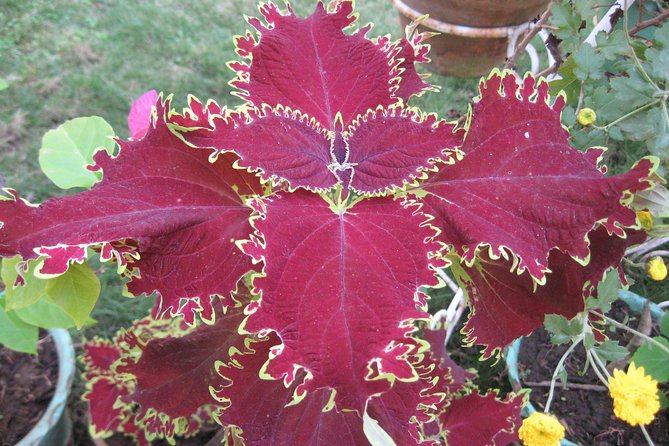
After the sunrise moment, the day is usually about movement and scenery rather than peak effort. The trek continues from Ghorepani toward Ghandruk (about 1,960 meters). Ghandruk is one of those villages where you can feel the culture in the layout and daily rhythm, not just in a quick photo stop.
You’ll also still see the Annapurna range behind you in breaks between houses and terraced fields. That matters because it keeps the hike from feeling like a long “walk back down to town” moment. You’re descending, but you’re not losing the drama.
Then on the next day, you head back toward Pokhara via Birethanti (about 1,040 meters). The route is described as following that general path back downhill, and for many people that feels like relief. Just don’t let relief turn into sloppy walking. Steep descents can be hard on knees, even when they feel easy in your head.
When you reach Pokhara, you’ve essentially completed the mountain loop. The final day is about travel back to Kathmandu.
Price and logistics: is $900 worth it?
At $900 per person for a 6-day private trek from Kathmandu, the value comes from what’s bundled rather than what’s “cheap.”
Here’s what your money is covering:
- Private guide through the whole trek
- All meals (breakfast, lunch, dinner)
- Accommodation for 6 nights
- National park fees and local taxes
- Private round-trip bus transfers
- Hotel drop-off for selected hotels
- Coffee and/or tea
- A mobile ticket (in the sense that you have a ticket you can access on your phone)
What’s not included:
- Drinks and alcoholic drinks
- Porter (so you carry your own bag)
- Personal trekking gear
- Food in the bus journey
- Any domestic flights or hotel upgrades
So is it a good deal? For people who want to avoid the planning headache, it often is. You’re paying for a guide, your meals, and the “do we have a room tonight?” problem being handled. On a trek like Poon Hill, that’s worth something because the trail day rhythm is real—you want to be focused on walking, not scrambling for arrangements.
If you already have your gear, are comfortable carrying your load, and don’t mind organizing your own logistics, you might find cheaper options. But if your priority is smooth timing and a guide you can talk to (especially for early sunrise logistics), this price can make sense.
Who should book this Poon Hill private trek
This trek fits best if you want:
- A guided, private experience rather than a group grind
- Included meals and lodge nights (less hassle, fewer surprises)
- A classic Annapurna introduction with cultural village stops
- Flexible pacing with a guide who can help you manage uphill and early mornings
It also lists a minimum age of 9, with children needing to be accompanied by an adult. If you’re bringing kids, you’ll want to judge whether they can handle early starts and walking days.
Dress code is smart casual, but for trekking you’ll still want practical layers. The “smart casual” part usually means you’re not dressing like you’re headed to a formal event in Kathmandu, but you’re still clean and respectful for village evenings and lodge settings.
Practical tips to make the trek feel easier
I’d pack your trip with comfort in mind, because the route mixes cool mornings, forest trekking, and downhill walking.
Bring:
- Hiking shoes with decent grip for stone steps and descents
- Layers for cool air and early sunrise time
- A small daypack for water and layers
- A light approach, because there’s no porter included
Be ready for early time pressure:
- The start time is 6:00 am, so build buffer into your Kathmandu morning routine.
- For sunrise day, you’ll want to sleep in clothes you can hike in and keep your warm layer accessible.
Weather matters:
- The experience requires good weather. If it’s canceled due to poor weather, you’ll be offered a different date or a full refund. That’s the key point to remember when planning around seasonal conditions.
Should you book this private Poon Hill trekking tour?
I’d book it if you want the Poon Hill experience without the mental overhead. With a private guide, included food and lodge nights, and transfers handled for you, you can spend your energy on the trail and sunrise instead of logistics.
I wouldn’t book it if you hate early starts, you’re not comfortable carrying your gear without a porter, or you’re looking for a fully customized route. This one is designed as a smooth, structured trek loop with specific trail days and lodge stops.
If you’re aiming for a first Annapurna trek, or you want a well-run introduction to Nepal trekking culture in Gurung and Magar Poon villages, this private setup is a strong match.
FAQ
What time do we meet for the Poon Hill tour?
The scheduled start time is 6:00 am, so plan to arrive early on meeting day.
How long is the trek?
The tour runs for about 6 days.
What’s included in the tour price?
The price includes accommodations for the itinerary, meals (breakfast, lunch, dinner), a professional private guide, national park fees and local taxes, private round-trip transfers by bus, hotel drop-off for selected hotels, and coffee/tea.
What is not included?
Not included are drinks (including alcoholic drinks), personal trekking gear, porter service, domestic flights, and hotel upgrades. Food in the bus journey is also not included.
Is this a private tour?
Yes. It’s listed as a private tour/activity, so only your group participates.
What happens if the trek can’t run due to weather?
The experience requires good weather. If it’s canceled due to poor weather, you’ll be offered a different date or a full refund.