REVIEW · HANOI
Sapa trekking – Unique Route – 2D1N
Book on Viator →Operated by Compass Travel Vietnam · Bookable on Viator
Rice terraces and villages on a real timetable. This 2D1N Sa Pa trek is built around small village trails and a route designed to keep you away from the most crowded stops, while still handling the basics like meals and transfers. What I like most is the Day 1 hike from Y Linh Ho toward Lao Chai and Ta Van (about 6 km), and the way you actually spend time with farming communities that call these valleys home.
There is one consideration: you will walk. Day 1 runs about 3.5 hours, and Day 2 is about 2 hours (around 4 km). If you hate uneven paths or you’re not used to early starts, plan your pace and footwear carefully.
In This Review
- Key Things I’d Prioritize on This Sapa Trek
- Why This Unique Sa Pa Route Feels More Local Than Tourist
- Day 1: Hanoi to Y Linh Ho, Lao Chai, and Ta Van (6 km on Foot)
- Night 1 in the Dao Homestay: Simple Local Life, With Support
- Day 2: Giang Ta Chai Village and the Red Dao Community Trek (4 km)
- Meals Included: A Real Convenience After Hiking
- Price and Value: What $116.93 Really Buys
- Packing and Pace Tips (So the Trek Stays Fun)
- Who Should Book This Trek (And Who Might Find It Too Much)
- Should You Book This 2D1N Unique Route Trek?
- FAQ
- How long is the Sa Pa trek?
- Where does the tour start in Hanoi?
- What villages and areas do you hike to?
- Is there a homestay involved?
- What meals are included?
- What’s the group size and cancellation cutoff?
Key Things I’d Prioritize on This Sapa Trek
- Small-group feel (max 10 travelers), which makes village stops feel less like a cattle call.
- Long Day 1 trek through rice terraces: Y Linh Ho to Lao Chai and Ta Van, with Muong Hoa Stream along the way.
- Homestay-style night with local life in the Dao area, plus a later shower at the hotel.
- Day 2 village hiking to Giang Ta Chai (Red Dao community), including a bridge crossing before the road.
- Meals are included (breakfast + two lunches + dinner), so you’re not hunting food after muddy hikes.
Why This Unique Sa Pa Route Feels More Local Than Tourist
Sa Pa can be a magnet for day-trippers. This route tries to avoid that by focusing on the trails between villages, not just the viewpoints. The result is a trip that feels like you’re moving through daily life in the valleys: farmland, footpaths, and the kind of views you earn by walking.
I also appreciate the balance the trip aims for. You’re living among locals and walking village paths, but you’re still getting the structure that helps you enjoy it—organized bus transfers, scheduled meal stops, and a clear end-of-day plan. That matters because the North West of Vietnam moves at a different rhythm than a city.
Finally, the route is not just one long walk for show. Day 1 and Day 2 each target different villages, so you don’t feel like you’re repeating the same scenery. You get one full day to reach Lao Chai and Ta Van, then you continue with another trek toward Giang Ta Chai and a bridge crossing before you return to Sapa and Hanoi.
You can also read our reviews of more tours and experiences in Hanoi.


Day 1: Hanoi to Y Linh Ho, Lao Chai, and Ta Van (6 km on Foot)
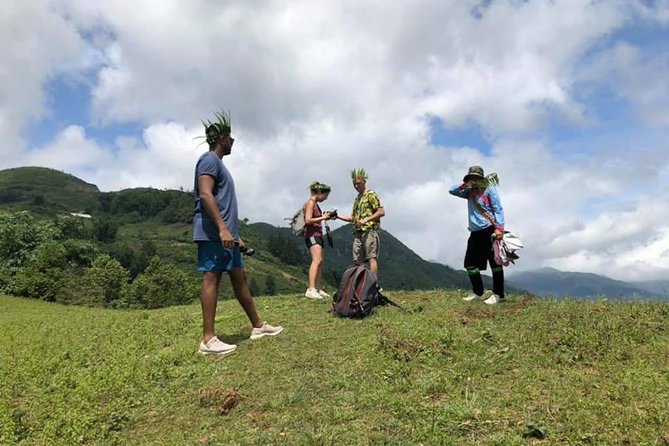
Start is early: 6:30 am at 204 Đ Trần Nhật Duật, Phố cổ Hà Nội (Hoàn Kiếm). Then you’re on the bus from Hanoi to Sa Pa. The timing is part of the experience. You use the travel day to cover distance, so when you arrive, you can start trekking without wasting the day.
You’ll reach Sa Pa around 1:00 pm. After that, there’s lunch and then a late-afternoon trek begins in a big, scenic way: Y Linh Ho and then trails that pass through rice terraces and the Muong Hoa Stream toward Lao Chai and Ta Van.
Here’s what to expect from the Day 1 hike, in practical terms:
- Distance/time: about 6 km, around 3.5 hours
- Terrain: terrace paths and village trails, which can get slippery if it’s wet
- Village flow: you’re not bouncing between far-apart locations; you’re moving through the valley
Why this part is worth your energy: rice terraces here aren’t just a photo backdrop. They’re the working geography. Walking through them gives you a sense of how the slopes and water shape where people farm and how villages link together.
At 5:45 pm, you switch gears from hiking to resting and local connection. You stay at a Dao homestay.
A quick reality check: if you’re prone to sore knees, the downhill sections can be the main issue. Trekking poles can help if you have them, but even without them, take shorter steps and keep your weight controlled.
Night 1 in the Dao Homestay: Simple Local Life, With Support
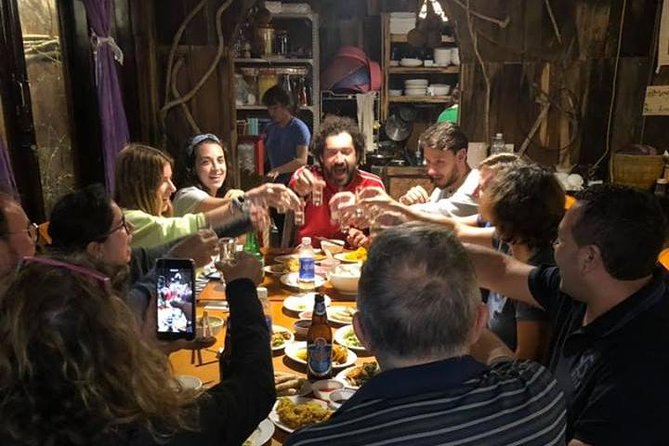
The homestay night is the heart of a 2D1N trek like this. You’re not just sleeping somewhere near a village; you’re spending your evening in the home rhythm of a local community.
The details you get for this specific departure are straightforward:
- You have dinner included
- You return from trekking and settle in at the Dao homestay
- Your day doesn’t end with a wild scramble to find food or transport
That support is valuable. A lot of people book treks expecting local life, then end up stressed because the logistics are messy. Here, at least the big items—food and lodging placement—are handled.
One more note: in the wider Sa Pa homestay world, accommodations can vary a lot by date. The provider has referenced newer ecolodge-style options on some recent stays, which is a good sign for cleanliness and comfort when available. If you’re picky about your sleep setup, it’s worth asking what kind of room you’ll have for your exact departure.
Day 2: Giang Ta Chai Village and the Red Dao Community Trek (4 km)
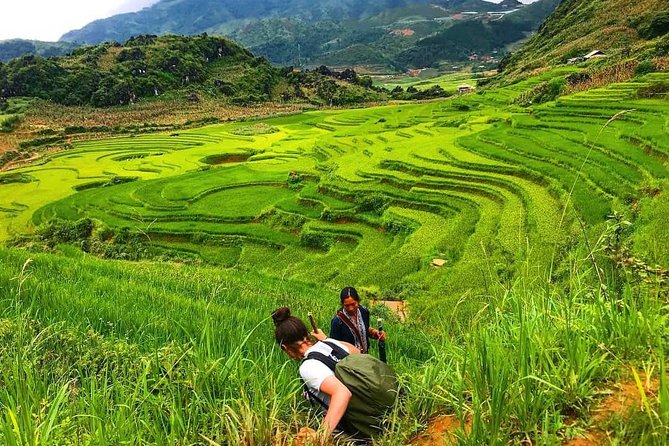
After breakfast, the second day stays active but less of a grind than Day 1. Breakfast starts at 8:00 am. Then you begin walking at 8:45 am.
The route continues through rice paddies and a bamboo forest toward Giang Ta Chai village, a home of the Red Dao people. This is the part that usually makes people slow down. The bamboo and the lighter green tones change how the trail feels, and the village arrival moment tends to be calmer and more human-scale than the main tourist areas.
Details to plan around:
- Distance/time: about 4 km, around 2 hours
- Then you cross Giang Ta Chai Bridge to reach the main road
- A bus takes you back to Sapa Town
After you finish the trekking portion, you still get breathing room. From 12:00 to 1:00 pm, you’ll have time for showering at the hotel, lunch, and some leisure. That’s not wasted time. It’s what turns a trek from a challenge into a trip.
Then at 1:30 pm, you meet again and head back to Hanoi by bus. You arrive at the bus station around 8:30 pm, and the tour ends back at the starting area.
If you’re thinking about energy levels: Day 2 is shorter, so it works well for people who want a trek but don’t want to spend the entire trip in pain. Still, “shorter” doesn’t mean “easy.” Plan for uneven ground and take breaks when you need them.
Meals Included: A Real Convenience After Hiking

This tour includes dinner, breakfast, and two lunches. That’s more than a nice-to-have. When you’re walking terraces and crossing village trails, it’s easy to get cranky if food is delayed or if you’re forced to eat fast and random.
The meals included let you focus on the walk and the scenery instead of juggling hunger on a schedule.
What is not included is drinks and personal expenses. So if you know you like water with meals, snacks during breaks, or small extras, budget a little. I’d also bring a refillable water bottle.


Price and Value: What $116.93 Really Buys

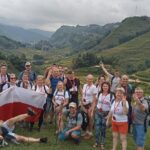
At $116.93 per person, you’re paying for a bundle: Hanoi–Sa Pa–Hanoi bus transport, two guided days with village trekking, and the meal package (dinner + breakfast + two lunches). You’re also paying for the small-group setup (maximum 10 travelers) and the homestay night.
Could you do Sa Pa trekking cheaper on your own? Possibly, depending on your route, transport luck, and language skills. But this price is a strong value if you want:
- a planned route between villages
- someone coordinating timing so you don’t spend the day negotiating
- meals handled
- a small group size so village moments feel real rather than staged
The price also makes sense because the trip is not just “one hike.” Day 1 brings you from Y Linh Ho into Lao Chai and Ta Van. Day 2 adds Giang Ta Chai and then gets you back to Sapa and Hanoi with an organized schedule.
Value goes down a bit if you’re the kind of traveler who wants total freedom to start and stop any time, or if you don’t like bus transfers and fixed timing. But if you want structure while still walking village trails, this is priced like a practical tour, not a gamble.
Packing and Pace Tips (So the Trek Stays Fun)
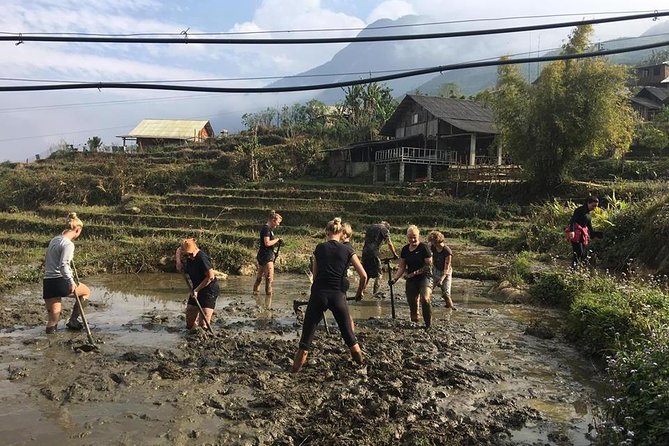
You don’t need special gear to do this trek, but you do need the right basics. Here’s what matters most based on the walk distances and the terrain type.
Wear:
- shoes with good grip for terrace paths and damp sections
- long pants if you want extra protection from bamboo or trail scrapes
Bring:
- a light rain layer (northwest weather can change)
- a small day bag with water and a snack
- sunscreen and a hat (terraces can be bright)
Pace strategy:
- Go slower than you think on Day 1. The 3.5 hours can feel longer if you start too fast.
- On Day 2, keep your legs loose. Shorter trail doesn’t mean you can skip warm-up.
Also, plan for early mornings. Day 1 starts with a 6:30 am departure from Hanoi, and Day 2 starts trekking right after breakfast at 8:45 am. If you’re not a morning person, take the day’s schedule seriously and don’t count on sleeping in.
Who Should Book This Trek (And Who Might Find It Too Much)
This tour fits best if you want:
- a 2D1N Sa Pa trek without turning it into a self-planning project
- a route that focuses on village trails (Y Linh Ho, Lao Chai, Ta Van, Giang Ta Chai)
- a mix of active walking and downtime (shower time and leisure on Day 2)
It may not be the best match if:
- you have knee or mobility issues and can’t handle uneven paths
- you hate early starts and fixed bus schedules
- you’re expecting a fully luxury, no-hiking experience
On the other hand, it’s designed for “most travelers” participation, and the trek distances are realistic for people who show up prepared.
Should You Book This 2D1N Unique Route Trek?
I’d recommend booking if you want Sa Pa in the way most people don’t see it: footpaths between communities, rice terraces that look different at walking speed, and a homestay night that puts you into the rhythm of the valley.
Book it with confidence if you’re okay with:
- early buses from Hanoi
- trekking for a few hours each day
- meals being planned for you, while drinks stay up to you
Skip it if you’re chasing a low-effort, sightseeing-only weekend. This trek is about walking. The payoff is that Sa Pa feels lived-in, not just photographed.
If you’re ready to trade some comfort for a more authentic Sa Pa experience, this unique route is a solid choice.
FAQ
How long is the Sa Pa trek?
The experience runs about 2 days, with trekking on both Day 1 and Day 2. Day 1 trek is about 6 km (around 3.5 hours), and Day 2 trek is about 4 km (around 2 hours).
Where does the tour start in Hanoi?
It starts at 204 Đ Trần Nhật Duật, Phố cổ Hà Nội, Hoàn Kiếm, Hà Nội, Vietnam, with a 6:30 am departure time.
What villages and areas do you hike to?
You trek through rice terraces and along the Muong Hoa Stream from Y Linh Ho toward Lao Chai and Ta Van on Day 1. On Day 2, you trek through rice paddies and a bamboo forest to Giang Ta Chai village.
Is there a homestay involved?
Yes. You stay at a Dao homestay on Day 1. On Day 2, you also have time to shower at the hotel.
What meals are included?
Dinner, breakfast, and two lunches are included.
What’s the group size and cancellation cutoff?
The tour has a maximum of 10 travelers. You can cancel up to 24 hours in advance for a full refund.