REVIEW · HANOI
Sapa 2D1N Trekking to Giang Ta Chai Village from Hanoi by Bus
Book on Viator →Operated by GADT Travel · Bookable on Viator
Two days in the hills beat city plans. I love the guided village hikes and the big mountain-and-rice-terrace views you get on both days, plus a real homestay-style overnight with dinner included. The trade-off is you need moderate fitness for a 9 km trek on Day 1, and Sapa weather can swing fast, especially in the colder months.
This is the kind of trip where the travel part matters. You start early from Hanoi, ride a modern A/C bus, then you’re walking through the valleys and streams right away—so it feels like you left the city behind, not just took a ride to a scenic stop.
One more note from the kind of issues that pop up in northern Vietnam: during holiday periods, timing can slip due to traffic. When that happens, you’ll want a guide who can stay calm and adjust. Names like Khoi show up tied to that kind of flexible, organized energy.
In This Review
- Key takeaways before you go
- Why a 2D1N Sapa trek beats a quick day trip
- Getting from Hanoi to Sapa: pickup, the meeting point, and the bus routine
- Day 1 from Ta Van to the terraces: Y Linh Ho, Lao Chai, Muong Hoa Stream
- Ta Van homestay: simple facilities, big payoff
- Day 2 in Giang Ta Chai: cooking class option, bamboo forest, and red Dzao views
- Price and value: what $88.47 covers (and what can add up)
- How to pack so the trek doesn’t turn into a misery contest
- Pace, group size, and the guide you’ll want on your side
- Who should book this Hanoi to Sapa trekking tour
- Should you book this 2D1N trek to Giang Ta Chai from Hanoi?
- FAQ
- What’s included in the tour price?
- Where do I meet for pickup in Hanoi?
- Do I get dropped off at my hotel after the tour?
- How long and how far are the hikes?
- Is the cooking class included?
- What kind of accommodation is provided in Ta Van?
- What should I pack for Sapa weather and trekking?
- Can I get a refund if weather is poor?
Key takeaways before you go
- Two guided hikes: about 9 km (Day 1) and 4 km (Day 2), both paced for a moderate fitness level
- Meals included: breakfast and dinner are covered, plus lunch on both days
- Homestay/bungalow stay: simple basics instead of hotel comforts
- Small group size: maximum 15 people, which keeps the trek and photos from feeling like a cattle line
- Village variety: Ta Van and Giang Ta Chai (including red Dzao culture), with Lao Chai and Black Hmong stops on Day 1
- Optional cooking class: Pho and nem cuốn are offered on request at extra cost
Why a 2D1N Sapa trek beats a quick day trip
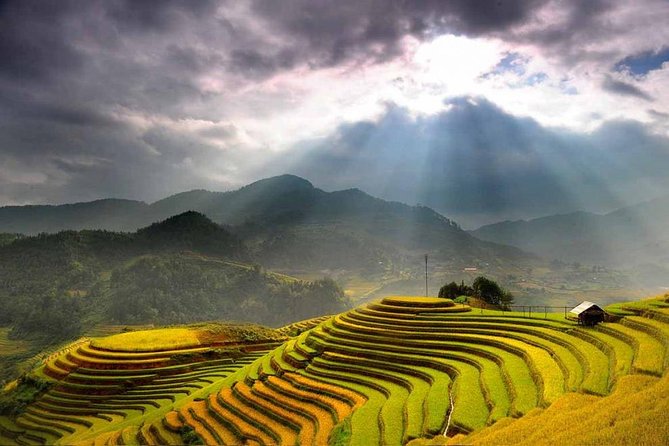
A city day always has the same rhythm: eat, wander, repeat. This trip breaks that pattern. You’ll spend two full walking blocks in the Sapa hills—long enough to feel tired in a good way—and you’ll get an overnight that lets you see what village life feels like outside peak hours.
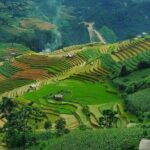
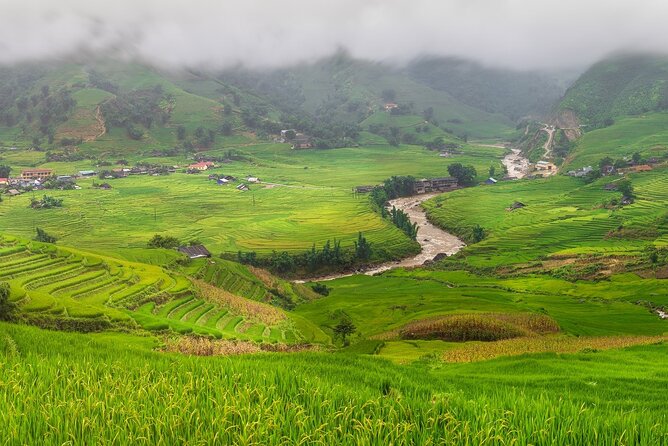
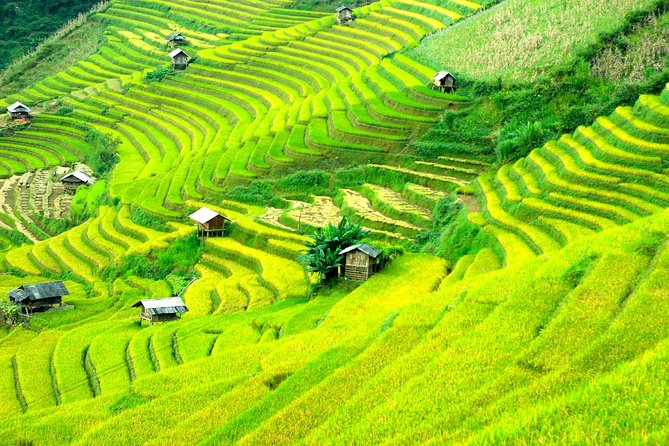
You also get two different “moods” of the region. Day 1 leans into the terraced slopes and valley routes (including the Muong Hoa Stream area). Day 2 shifts toward bamboo and viewpoints over Giang Ta Chai, with time for photos of the rice paddies and a stop at the Giang Ta Chai Bridge.
If you like your travel practical—good planning, clear timing, and a guide to handle the in-between—this style fits.
You can also read our reviews of more tours and experiences in Hanoi.

Getting from Hanoi to Sapa: pickup, the meeting point, and the bus routine
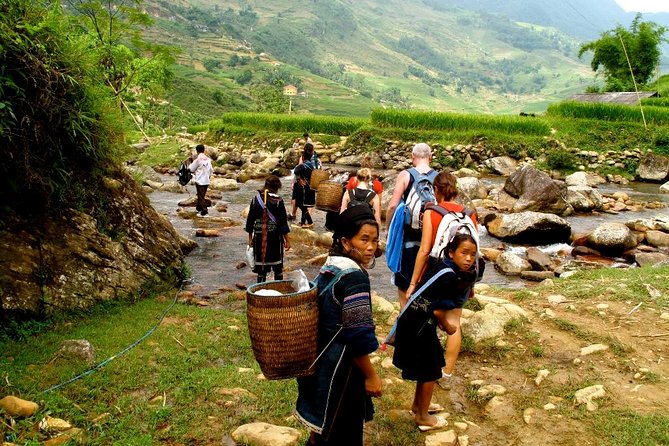
The trip is built around round-trip transport between Hanoi and Sapa. You’ll depart from the Hanoi Old Quarter area early morning and ride a modern A/C bus to Sapa via Lao Cai, with rest stops along the highway.
Pickups are only guaranteed from Old Quarter hotels. If your hotel is outside that area, you’ll be asked to use the meeting point: 30 P. Lý Thái Tổ, Lý Thái Tổ, Hoàn Kiếm, Hà Nội. After the tour ends, drop-off back to your hotel is not included, so plan a short transfer on your own from the bus stop.
This matters more than it sounds. In Hanoi, “close” can still mean 30–40 minutes by taxi or rideshare. If you want an easy end to the trip, I’d keep your Day 2 evening plans flexible and budget for that self-transfer.
Day 1 from Ta Van to the terraces: Y Linh Ho, Lao Chai, Muong Hoa Stream
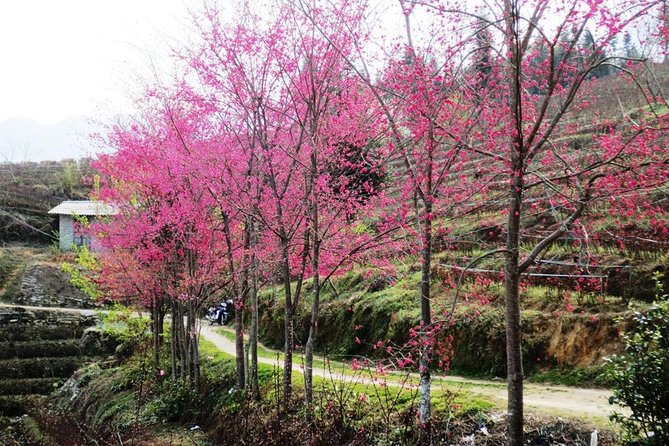
Day 1 starts with a hotel pickup in Hanoi Old Quarter (between 6:00 and 6:30). Then it’s an A/C ride toward Sapa, with a first rest stop on the way and another stop at Lao Cai before heading up to Sapa Town.
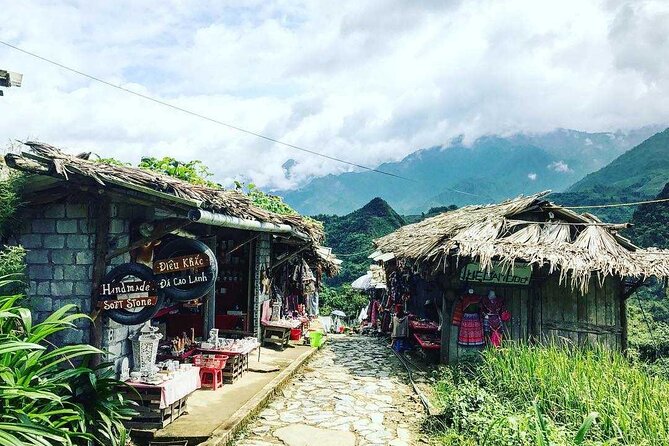
When you arrive around 13:30, you’ll have time for lunch at a local restaurant with a guide’s help. This is also where the ethnic culture angle becomes real, not just a line on a brochure—you’ll see people in traditional clothing (including H’mong, Dzao, and Tay) as you move through the area.
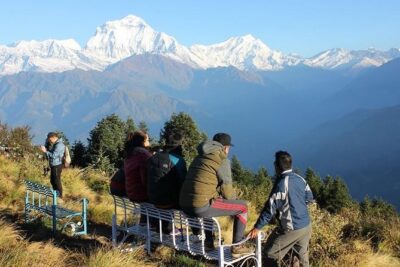
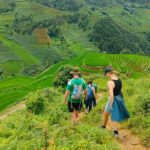
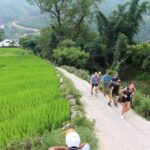
Hiking begins around 14:30. Your route starts through Y Linh Ho, continues past the rice terraces, and runs along the Muong Hoa Stream toward the Black Hmong village of Lao Chai. You’re not just walking from point A to B—you’re traveling through a corridor of views toward the Hoang Lien Son Mountain area.
Then you finish Day 1 by approaching Ta Van village, where Giay people live. This is an excellent way to end the day: arrive late afternoon when the light is softer and the paths feel less crowded. The trek distance is about 9 km, lasting around 3.5 hours.
The day ends with checking in to your homestay in Ta Van. After that, you’ll have dinner included—one of the reasons this route feels more like a real overnight in the hills and less like a day-hike package.
Ta Van homestay: simple facilities, big payoff
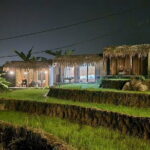
Your overnight is in a homestay / bungalow, and the key thing to know is that it’s not a hotel. The facilities are basic and simple. That can be totally fine if you’re prepared, but it can feel stressful if you expect standard hotel comfort.
Here’s what helps:
- Pack warm layers. Even when the sun is out, the air in Sapa can feel sharp.
- Bring patience. Homestay timing can be a little looser than a city hotel schedule.
- Keep expectations realistic about showers and bedding.
This is the trade: you give up some comfort to gain closeness. When you stay overnight, you’re not rushing off at sunset for the next bus. You get a chance to feel the pace of the village after most day-trippers have moved on.
Day 2 in Giang Ta Chai: cooking class option, bamboo forest, and red Dzao views
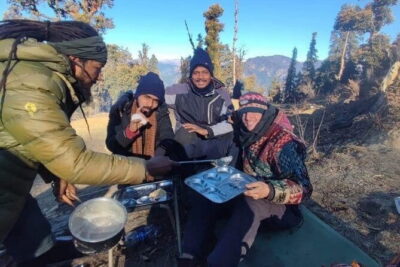
Day 2 starts around 7:00 with an optional cooking class, open on request (extra cost $7–10 per person). If you do it, you’ll learn to make Vietnamese favorites like Pho and nem cuốn. I like this option because it adds a “skills” moment to the trek, and it also helps you connect with the food rhythm of the family setting.
Breakfast is prepared by the family, and then you start the second hike at about 8:45. The trek route is shorter than Day 1: around 4 km and about 2 hours. But shorter doesn’t mean easy—trail footing in this area can still be uneven, and the weather can make it feel longer.
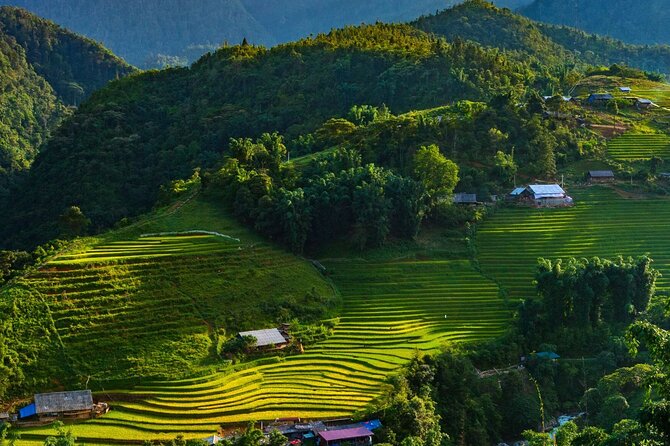
You’ll walk through rice paddies for a photo session, then head into a bamboo forest. After that, there’s a stop at a panorama view overlooking Giang Ta Chai village, home of the red Dzao. This is one of the best photo windows on the whole trip, because you get the village layout and the surrounding hills at once.
Around 11:00, you’ll trek through the Giang Ta Chai Bridge to reach the main road. That bridge segment is a nice “finish line” feeling—like the hike has a clear arc and release.
After the walk, you return to the bungalow, shower, and get ready for lunch around 12:00. Then at about 13:30, it’s time to head back toward the bus station and ride down.

Price and value: what $88.47 covers (and what can add up)
At $88.47 per person, this is priced like a guided package, not a bare transportation deal. Here’s what you’re getting:
- Round-trip Hanoi–Sapa–Hanoi by modern A/C bus
- An English-speaking guide
- Breakfast and dinner, plus lunch twice
- Overnight in a homestay/bungalow
- Included entrance/tour admission items for the trek days
- Free pickup in Hanoi Old Quarter
- Mobile ticket
So the value isn’t only the hiking. It’s the combination of transport + guide + meals + overnight. If you tried to build this yourself, those pieces add up quickly—especially the guide and overnight arrangements.
What can push the total higher:
- Cooking class: $7–10 per person (only if you request it)
- Single room extra: $15 for solo travelers
- Holiday periods: an extra $20 can apply
- Drinks during meals are not included
- Tips and personal expenses
Also, the trip requires decent weather. If conditions are poor, you may be offered a different date or a full refund. It’s rare you can’t control the forecast, so I treat that as part of planning north Vietnam in shoulder and winter seasons.
How to pack so the trek doesn’t turn into a misery contest
Sapa is famous for weather swings. Even in months that are decent, you can get cold air, mist, and sudden drizzle. The tour is very clear that you should bring the basics:
- Warm clothes
- A scarf, hat, and cap
- Trekking shoes
- Sunglasses
- Sunscreen
- Insect repellent
- Cash in VND for personal expenses
A practical trick: wear layers you can remove fast. Start with warmth, then shed when the hike heats you up. And keep your scarf handy. When fog rolls in, it’s the quickest comfort upgrade you’ll have.
One more practical point: the tour is not for everyone. Kids, older people, and anyone with low physical health aren’t allowed because of the trek distance and safety risks in rain. If you’re unsure, think honestly about your stamina before you book.
Pace, group size, and the guide you’ll want on your side
This trip caps at 15 travelers. That matters. In a smaller group, you spend less time waiting and more time moving, with better chances to keep your footing during trickier sections.
The guide also shapes the experience. English-speaking guidance helps a lot on these village walks, especially when you need context for what you’re seeing and where you’re going next. On top of that, names like Khoi show up in connection with handling timing problems calmly, which is reassuring if you’re traveling during busier Vietnamese periods.
If you’re planning multiple stops in Vietnam, I’ve also seen Mr Carl Nguyen credited for organizing a whole route smoothly. That’s relevant because Vietnam travel can feel chaotic when you stitch everything together yourself. A good coordinator reduces stress, even on a short 2-day trek.
Who should book this Hanoi to Sapa trekking tour
You’ll be happiest if you:
- Want real hiking time, not a quick sightseeing walk
- Like village culture through daily life—homes, families, and food
- Prefer a guided plan with transport and meals handled
- Have moderate fitness and comfortable walking shoes
You might want a different option if you:
- Need a fully hotel-style stay with modern comfort
- Don’t do well with cold, fog, or wet trails
- Can’t handle about 9 km on Day 1
If you’re trying to add Sapa to a Vietnam trip without spending days figuring out logistics, this is a strong match.
Should you book this 2D1N trek to Giang Ta Chai from Hanoi?
I’d book it if you want the “work for the views” version of Sapa: guided hikes, included meals, and an overnight in Ta Van. The price feels fair because it bundles transport, guide support, and food—not just a trail.
I would hesitate if you’re traveling without flexible weather, or if you need hotel comforts and gentle pacing. Also be ready for the end-of-trip reality: you’ll return to the bus stop, not your hotel, so plan your own transfer.
If you pack warm layers, bring real trekking shoes, and show up with moderate stamina, you’ll likely come away feeling like you actually visited the hills—not just passed through them.
FAQ
What’s included in the tour price?
The tour includes round-trip Hanoi–Sapa–Hanoi by modern A/C bus, an English-speaking guide, free pickup from Hanoi Old Quarter hotels, breakfast and dinner, and lunch on both days. Overnight is in a homestay/bungalow.
Where do I meet for pickup in Hanoi?
Pickup is available from Hanoi Old Quarter hotels. If you’re outside that area, the meeting point is 30 P. Lý Thái Tổ, Lý Thái Tổ, Hoàn Kiếm, Hà Nội.
Do I get dropped off at my hotel after the tour?
No. After the tour, you’ll need to make your own transfer back to your hotel from the bus stop.
How long and how far are the hikes?
Day 1 is about 9 km and lasts around 3.5 hours. Day 2 is about 4 km and lasts around 2 hours.
Is the cooking class included?
It’s not automatically included. A cooking class (Pho and nem cuốn) is offered on request at an extra $7–10 per person.
What kind of accommodation is provided in Ta Van?
You stay in a homestay/bungalow. The tour notes that it’s basic and simple, unlike a hotel.
What should I pack for Sapa weather and trekking?
Bring warm clothes, including a scarf and hat/cap, plus trekking shoes, sunglasses, sunscreen, and insect repellent. You should also bring cash in Vietnamese dong for personal expenses.
Can I get a refund if weather is poor?
Yes. If the experience is canceled due to poor weather, you’ll be offered a different date or a full refund. You can cancel up to 24 hours in advance for a full refund.