REVIEW · POKHARA
Pokhara: Annapurna Base Camp Trek Multi-Day Guided Tour
Book on Viator →Bookable on Viator
One step onto the trail, and Nepal hits fast. This guided Annapurna Base Camp trek runs on a clear plan from Pokhara to the mountains and back, with stops that hit big-view moments like Poon Hill and the Jhinu hot springs. What I like most is how much is handled for you—your guide, permits, and national park fees—so you spend your energy on the climb, not paperwork.
Two more big wins: you get small tea-house or guest-house stays for multiple nights, and you’re not guessing your route each day because the itinerary is mapped out in advance. One thing to consider: meals and drinks aren’t included, so you’ll want to budget for food along the way, and you’ll also need a strong fitness level since the days include uphill, downhills, and early starts.
In reviews, I kept seeing the same theme: smooth management and solid guiding. People credited guides like Dadhi and Ramu, and praised the management team (including Sunil Dhal) for keeping things on track and making the trek feel memorable.
In This Review
- Key takeaways before you commit
- Why this Annapurna Base Camp route feels practical (not chaotic)
- Getting to the trailhead: the Pokhara-to-Nayapul setup
- Day-by-day: what each stage is really like
- Day 1: Nayapul, Birethanti, and Hile’s first big adjustment
- Day 2: Ulleri stone steps, rhododendron forests, and Ghorepani
- Day 3: Poon Hill sunrise, then Tadapani’s forest trekking
- Day 4: Chhomrong’s Gurung village vibe and mountain views
- Day 5: Bamboo and Deurali—rhodo forests, bridges, and altitude awareness
- Day 6: The Annapurna Base Camp day—Modi Khola and the Machhapuchhre Base Camp pass
- Day 7: Sunrise, descent to Bamboo, and Jhinu Danda hot springs
- Day 8: Back down to Nayapul and home-base Pokhara
- Accommodations that keep the trek moving: tea houses and guest houses
- The real value of a guide in this specific trek
- Price and what you actually get for $480
- What to pack (based on what the route demands)
- Who this trek is best for
- Should you book this Annapurna Base Camp tour?
- FAQ
- How long is the Annapurna Base Camp trek?
- Where does the trek start and end?
- Are permits and national park fees included?
- Do I get a guide?
- Where do you stay during the trek?
- Are meals included in the price?
- Is pickup and drop-off in Pokhara included?
- What fitness level do I need?
- Can children join the trek?
- When can I cancel for a full refund?
Key takeaways before you commit
- Permits and national park fees included (TIMs and permits taken care of for you)
- Tea-house/guest-house nights are built into the schedule for a classic trekking feel
- Poon Hill sunrise is scheduled as a dedicated early hike with a big payoff
- Jhinu hot springs gives you a natural reset day after the main ascent
- Pickup and drop-off in Pokhara removes one common headache
- Meals are extra, so your daily spending needs a little planning
Why this Annapurna Base Camp route feels practical (not chaotic)
Annapurna Base Camp sounds like a dream trek, and it is. But the real test is logistics: can you move smoothly between villages, handle early mornings without stress, and focus on your body and the views? This trip is built to do that.
The big practical advantage is that it’s guided with a set schedule. You’ll still do the hard work—walking uphill, navigating switchbacks, adjusting to altitude—but you’re not carrying the mental load of figuring out permits, route details, or what happens next. And the trekking style is classic: tea houses and guest houses along the route keep you moving from one comfortable stop to the next.
One more value point: the trip includes national park fees and permits. In Nepal treks, those pieces are easy to underestimate until you’re dealing with last-minute requests. Here, the plan is that you show up with your documents, and the rest gets handled.
You can also read our reviews of more tours and experiences in Pokhara.
Getting to the trailhead: the Pokhara-to-Nayapul setup
Most people start their Annapurna trek with a vehicle ride and a quick transition to walking. This tour follows that same rhythm.
You’re picked up in Pokhara and driven to Nayapul (about 1.5 hours). Then you begin trekking from there, passing through Birethanti. This matters more than it sounds. That first day is your body’s warm-up. It helps you get into the trekking flow before you hit the steeper climbs later in the week.
If you prefer starting the day with less hassle—no searching for transport, no negotiating rides—this style of pickup and drop-off is a real comfort. It also makes Day 8 smoother, because you finish by trekking down to Nayapul and then you’re driven back to Pokhara and transferred to your hotel.
Day-by-day: what each stage is really like
Day 1: Nayapul, Birethanti, and Hile’s first big adjustment
Your trek begins by walking through Birethanti, a village that gives you a quick look at the rhythm of local life early on. From there, the trail climbs uphill following the Bhurungdi Khola (river). You end the day in Hile, after about 7 hours of trekking.
What I like about Day 1 is that it’s long enough to feel like a real start, but not so punishing that it wrecks you. It’s a good place to set your pace—short stops, steady steps, and no hero moves.
Possible drawback: Day 1’s uphill start means you’ll feel it in your legs if you try to sprint early.
Day 2: Ulleri stone steps, rhododendron forests, and Ghorepani
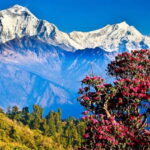
Day 2 is all about climbing. You start with a steep ascent on the stone steps known as Ulleri. Then the trail relaxes into rhododendron forests and passes through Banthanti before reaching Ghorepani for an overnight stay after 6 hours.
Why this day is popular: rhododendron country brings color and texture to the trek, and Ghorepani is a base point for the next morning’s sunrise plan. If you’ve ever heard people talk about the Annapurna trekking region, it’s usually tied to early-morning viewpoints like what you’ll do next.
Practical note: stone steps can be tough on the knees. Trekking poles help if you use them correctly—light contact, not a death grip.
Day 3: Poon Hill sunrise, then Tadapani’s forest trekking
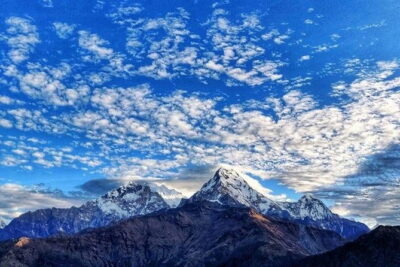
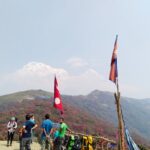
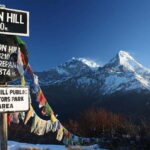
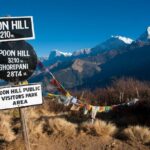
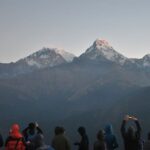
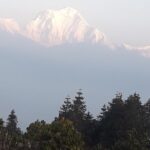
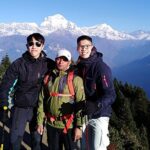
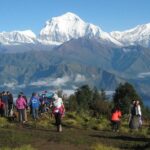
This is the day that turns the week into a story you’ll remember. You wake early, hike up to Poon Hill for sunrise over the Annapurna and Dhaulagiri mountain ranges, then descend back to Ghorepani for breakfast.
After that, you trek toward Tadapani through scenic forest walking and reach it in about 7 hours total, staying overnight.
This day earns its reputation because it’s one of the few times in the trek when you’re rewarded fast for the effort. Sunrise also helps psychologically: you start the day with a win, not with fatigue.
One consideration: early starts mean you’ll want layers and something warm for the pre-dawn hike, since mountain mornings can feel colder than you expect.
Day 4: Chhomrong’s Gurung village vibe and mountain views
Day 4 brings a mix of descent and climb. You descend through dense forest, catch glimpses of mountains along the way, then cross a suspension bridge over the Kimrong Khola. After that, you climb uphill to Chhomrong, a Gurung village, and stay overnight.
The schedule lists about 7 hours.
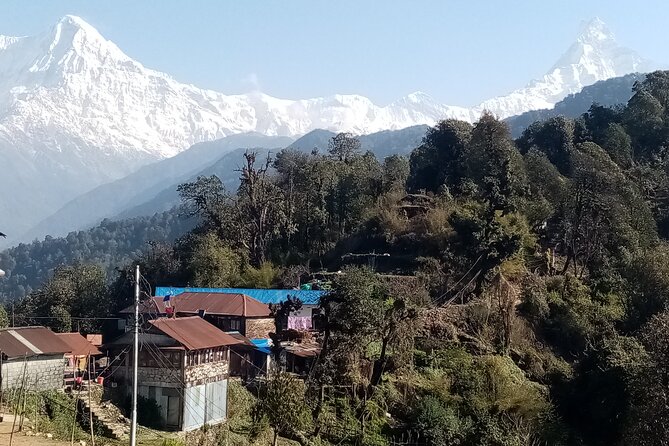
Chhomrong is special because you’re not just walking through empty trail. It’s a lived-in place with a community feel, and it’s positioned for some strong mountain sightlines. This is one of those days where the trail feels like it’s bringing you closer to the mountains, not just across them.
Possible drawback: the suspension bridge crossing is slow going compared to normal trail segments. Add a little buffer if you tend to get impatient.
Day 5: Bamboo and Deurali—rhodo forests, bridges, and altitude awareness
Today you move toward Bamboo and Deurali, with a full day of stepping up and down. You descend to Chhomrong Khola, cross a suspension bridge, then climb toward Sinuwa and descend through rhododendron forests. You reach Bamboo, then continue trekking to Deurali. This day is listed as about 7 hours.
Why this stage matters: you’re transitioning into higher terrain where you’ll start noticing altitude more in effort, not just breath. Many people feel more “work per step,” especially when they slow down to find rhythm.
Practical tip: even if you feel fine, keep your pace conservative. Consistency beats speed.
Day 6: The Annapurna Base Camp day—Modi Khola and the Machhapuchhre Base Camp pass
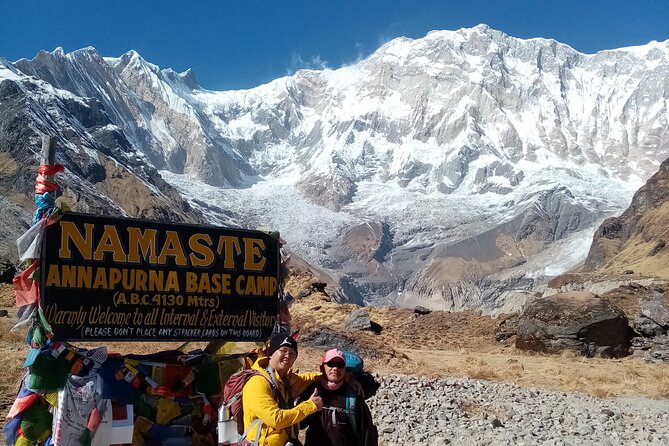
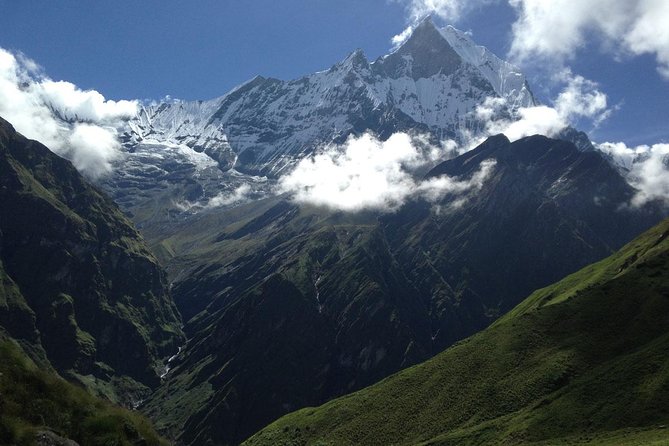
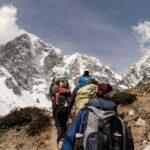
Day 6 is your big finish climb. You trek along the Modi Khola, surrounded by major mountain views, then pass by Machhapuchhre Base Camp (listed at 3,700m) before heading onward to Annapurna Base Camp.
You’ll stay overnight at Annapurna Base Camp, after about 6 hours.
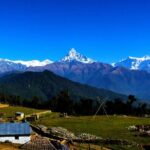
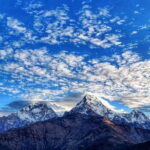
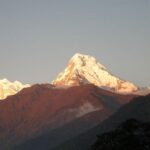
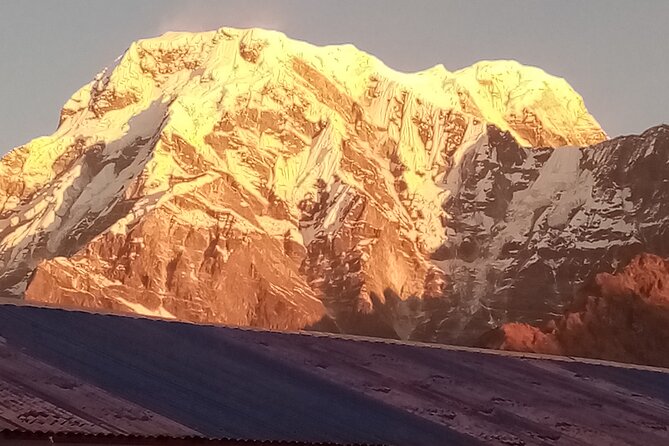
This is the payoff day: Annapurna I, Annapurna South, Hiunchuli, plus other peaks in the area. Even for trekkers who know the photos, it still hits differently in person because your angle changes and the terrain feels real—steep, close, and massive.
One thing to plan for: being at Base Camp also means you’ll likely deal with colder conditions than at lower elevations. Bring layers that you can actually handle quickly.
Day 7: Sunrise, descent to Bamboo, and Jhinu Danda hot springs
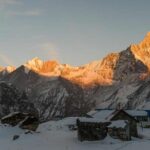
The day starts with early morning again—sunrise over the mountains—then a descent back to Bamboo (retracing your steps). From there, you continue descending to Jhinu Danda.
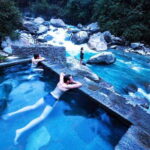
Your reward: relax in the natural hot springs at Jhinu Danda.
This day lists 7 hours trekking.
I love a day like this because it’s not just more walking. Hot springs is a practical way to recover. Even if you don’t stay in the water forever, you’ll likely feel better after soaking sore legs.
Possible drawback: after a hot soak, you still have to walk again the next day’s final legs, so don’t get too comfortable and forget to pack something warm for evenings.
Day 8: Back down to Nayapul and home-base Pokhara
Your last day is a further descent to Nayapul, where your driver picks you up and drives back to Pokhara. You then transfer to your hotel, and the trip ends.
You’re listed at 8 hours for Day 8.
This final stretch is usually where you appreciate all your early choices: good pacing earlier in the trek, enough rest, and not overloading your day with extras. You’re done—so focus on steady steps and safe footing.
Accommodations that keep the trek moving: tea houses and guest houses
You’ll get six nights plus an additional overnight at Annapurna Base Camp, for a total of 7 nights in small tea houses or guest houses. The tour keeps lodging simple and trekking-friendly.
Why that’s good: it means you’re not searching for “the best hotel” every day. You’re there to walk, breathe, and enjoy mountain life. Tea houses also support the rhythm of trekking—warm drinks, basic meals, and a place to dry out and rest.
What to watch: small guest houses can be basic. Your plan should assume simpler rooms and fewer comforts than a city hotel.
The real value of a guide in this specific trek
A good guide does more than point out directions. On a trek with multiple early mornings, bridges, suspension crossings, and a long approach toward Base Camp, a guide’s real value is reducing uncertainty and keeping you on pace.
This trip includes a professional guide with expert leadership and commentary on the sights. And in the reviews tied to similar experiences, I saw strong praise for management and guiding—people specifically mentioned guides such as Dadhi and Ramu, and also noted that management by Sunil Dhal kept everything organized.
Even if your personal trekking style is independent, having that leadership can be the difference between a trip that feels smooth and one that feels stressful.
Price and what you actually get for $480
At $480 per person, you’re paying for a fairly complete trekking package: 7 nights accommodation, a professional guide, hotel pickup and drop-off, private tour, and importantly all national park fees and permits plus taxes and handling charges.
That’s where the price starts to make sense. Many trekking costs add up fast once you count guide fees, permit fees, and transportation. Here, those pieces are bundled in.
The part that’s not included is also clear: all meals and drinks. So your total trip cost depends on how much you eat and drink each day. If you’re a big snacker or like coffee breaks, budget a bit more.
Also, the tour states group discounts and calls the experience private. Practically, that usually means the price may be better if you’re traveling with a group large enough to trigger discounts.
What to pack (based on what the route demands)
The itinerary has early mornings and big elevation changes, plus hot springs at the end of Day 7. So pack for that reality.
Bring:
- Layering pieces for cold pre-dawn and cooler Base Camp nights
- Trekking shoes with solid grip for stairs and rocky descents
- A warm layer for sunrise hikes, since mornings can feel colder than you expect
- A small daypack for essentials during trekking days
- Basic cash/card plan for meals and drinks (since they’re not included)
- Hot springs items (at least something for soaking and drying), since Jhinu Danda is part of the schedule
If you’re sensitive to cold, prioritize warm layers. The trek’s timing (sunrise-focused) matters.
Who this trek is best for
This tour is a strong fit if you:
- Want a guided trek with a clear plan
- Like the classic tea-house trekking style
- Enjoy mountain viewpoints like Poon Hill
- Want a recovery stop built in with Jhinu hot springs
- Can commit to a strong fitness level and early starts
It’s also written with children in mind in the sense that a minimum age is set (5 years), but you’ll need an adult with them. Anyone who wants a light, fully comfortable stroll should choose a gentler option, because this is still a trek.
Should you book this Annapurna Base Camp tour?
If you want an organized Annapurna Base Camp experience where permits are handled, your route is planned day by day, and you’ll have the structure of a guide—this is a very reasonable way to do it.
I’d book it if:
- You value convenience (Pokhara pickup/drop-off) and clear logistics
- You want the Poon Hill sunrise and Jhinu hot springs as part of the story
- You’d rather spend effort on the trail than on paperwork
I’d think twice if:
- You hate paying for meals and drinks separately
- You’re not comfortable with early mornings and a physically demanding trek
- You need a lot of hotel-style comfort, since tea houses are the lodging format here
If you’re the type who likes your adventures structured and your mountains front and center, this trek delivers.
FAQ
How long is the Annapurna Base Camp trek?
The tour runs for about 8 days.
Where does the trek start and end?
It starts from Nayapul with a drive from Pokhara, and it ends back at Nayapul with a drive to Pokhara and hotel transfer.
Are permits and national park fees included?
Yes. The tour includes national park fees and permits (including TIMs and permits), handled for you.
Do I get a guide?
Yes. A professional guide leads the trek and provides leadership and commentary on the sights.
Where do you stay during the trek?
You stay for 7 nights in small tea houses or guest houses, based on the itinerary.
Are meals included in the price?
No. All meals and drinks are not included and you can purchase them along the way.
Is pickup and drop-off in Pokhara included?
Yes. Hotel pickup and drop-off in Pokhara are included.
What fitness level do I need?
The tour is designed for travelers with a strong physical fitness level.
Can children join the trek?
Children must be accompanied by an adult, and the minimum age is 5 years.
When can I cancel for a full refund?
You can cancel up to 6 days in advance of the experience start time for a full refund.