REVIEW · POKHARA
Ghorepani Poonhill Trek
Book on Viator →Operated by Asian Heritage Treks and Travels · Bookable on Viator
Poon Hill delivers sunrise in full mountain gear. This Ghorepani Poonhill trek is a short, well-paced way into the Annapurna region, with village hikes, rhododendron forests, and those famous early-morning ridgeline views. I love the combo of Poon Hill sunrise and the slow cultural threading through places like Ghorepani and Ghandruk. I also like that you get a guide who can explain what you’re seeing, not just walk you uphill. One drawback to plan for: there are plenty of stairs and uphill stretches, and the lodge style is basic.
What makes this trip feel practical is the structure. You’ll drive from Pokhara to the trail start, hike day by day with overnight stays in local lodges, then ride back when you’re done—no guesswork about permits and route planning. The experience is also set up as a private activity, so you’re not sharing your trek with random strangers.
Price-wise, it’s not a “cheap add-on,” but it covers the core trekking setup: permits, guiding, and private land transport. Your main extra costs are food, drinks, and the visa, plus you’ll want travel insurance even if it isn’t included.
In This Review
- Key highlights worth your attention
- Entering the Annapurna scene through Poon Hill
- Before you go: stairs, timing, and a realistic fitness check
- Day 1: Pokhara to Ulleri via Nayapul, Thikhedhunga, and Hile
- Day 2: Ghorepani village life and rhododendron forest scenery
- Day 3: Poon Hill sunrise at 3,210m, then Tadapani at 2,610m
- Day 4: Jungle walking to Ghandruk, then back to Nayapul and Pokhara
- Price and logistics: what you’re really paying for ($358.61)
- What’s included (the value)
- What’s not included (your real budget)
- Your guide matters: Rohit’s kind of knowledge
- Who this trek suits best (and who should think twice)
- Should you book this Ghorepani Poonhill Trek?
- FAQ
- How long is the Ghorepani Poonhill trek?
- Where does the trek start from?
- What kind of lodging is included?
- Is a guide included?
- Are permits included in the price?
- Are meals included?
- Do I need travel insurance?
- Is this a shared group trek?
- Do I need moderate fitness?
- FAQ
- Can I cancel for a full refund?
- What is the meeting window?
Key highlights worth your attention
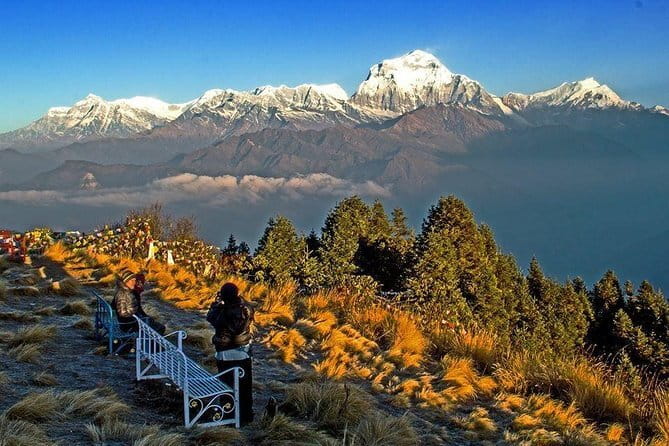
- Sunrise at Poon Hill from a ridge viewpoint above 3,000m with wide mountain panorama
- Rhododendron-rich trekking with the chance to see the famous forest stretch on the way
- Village culture on the trail through Ulleri, Ghorepani, and Ghandruk (with a Gurung village stop)
- Strong guiding: Rohit gets praised for local knowledge, especially around sightseeing spots and temples
- All the “admin” covered: permits (ACAP, TIMS, and national park fees) are included in the package
- Private group setup with pickup and land transport by private vehicle
Entering the Annapurna scene through Poon Hill
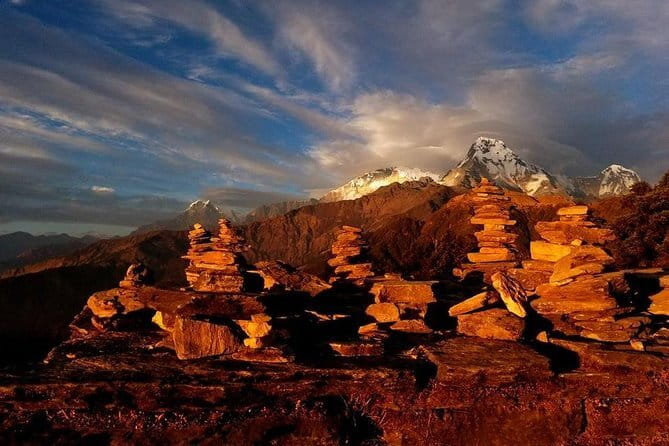
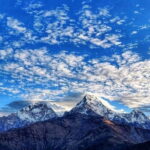
Poon Hill is a ridge in the Annapurna region that’s famous for one simple reason: the view is built for sunrise. Early light turns the peaks into layers, and you get that crisp sense of scale—big mountains hovering over human-sized villages.
What I like about this trek is that it doesn’t feel like you’re skipping the mountains. You pass through places that still feel lived-in, not just photogenic viewpoints. You’ll hike through old village paths and terraced hills, then work your way into forested sections where rhododendrons, bamboo, and oak show up along the route.
And yes, the “best part” is morning at Poon Hill. But the trek stays worth it even if the sky isn’t perfect, because you still get long-range views in daylight and plenty of scenery in the village sections.
You can also read our reviews of more tours and experiences in Pokhara.
Before you go: stairs, timing, and a realistic fitness check
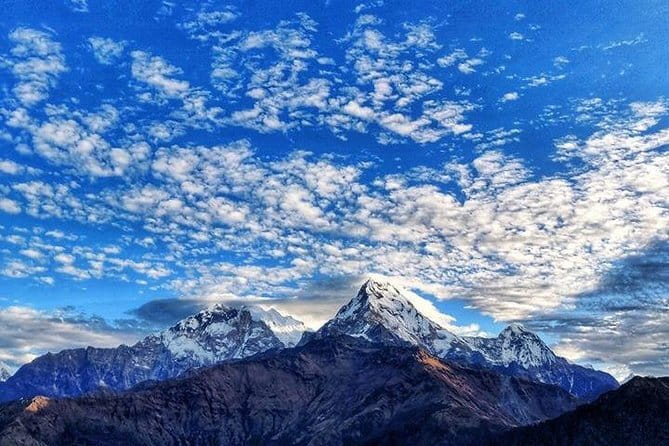
This is listed for people with moderate physical fitness, and you should take that seriously. The route includes steps and sustained uphill segments, especially as you move between villages and climb toward the ridgeline viewpoints.
Cold mornings are part of the deal. Since Poon Hill is all about early sunrise, you’ll start before most people wake up. Even in seasons that feel mild in the daytime, sunrise hours can feel sharp, so pack for layering.
Also, lodging is basic. You’re getting room-only stays in local lodges, so don’t expect hotel comforts. What you will get is a warm enough base for sleep after hiking, plus a chance to eat in village-style settings—just budget extra for meals and drinks.
Day 1: Pokhara to Ulleri via Nayapul, Thikhedhunga, and Hile
You start with a drive from Pokhara to Nayapul, which is your trail starting point. From there, the hike heads toward Ulleri, using village paths and a classic route that runs past terraced paddy fields and old settlements.
A key detail here is the “smoothness” of the early hiking. The first day is more about settling in—walking through green hills, getting your rhythm, and taking in the views as they open up. You’ll have a lunch stop in Hile, then continue onward toward Ulleri.
When you reach Ulleri, you check into your lodge and can enjoy a traditional Nepalese mountain dinner. This is a good night to keep expectations simple: shower basics (if available) and an early bedtime help. You’re setting yourself up for an actual sunrise morning later.
What to watch for: if you’re not used to stair-stepped trails, take your time on the climb. A steady pace beats hero mode here.
Day 2: Ghorepani village life and rhododendron forest scenery
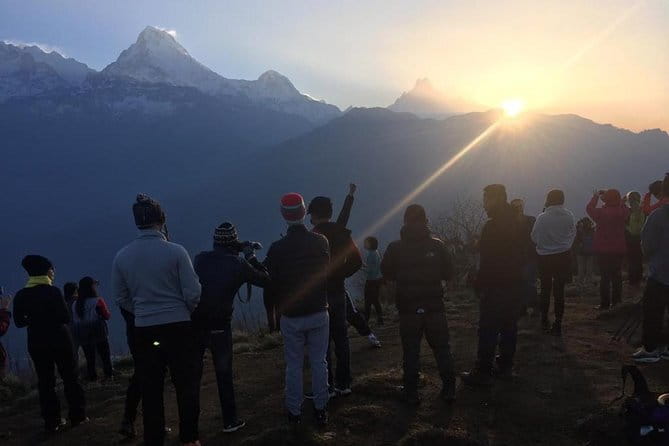
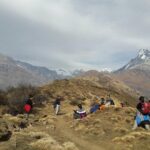
Day two begins with breakfast at the lodge in Ulleri, then the hike continues toward Ghorepani. This stretch is where you start to feel the Annapurna region’s mood change—more forest in the air, and more mountain faces visible as you gain elevation.
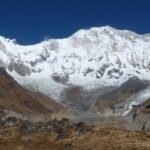
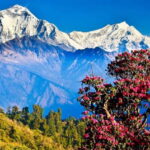
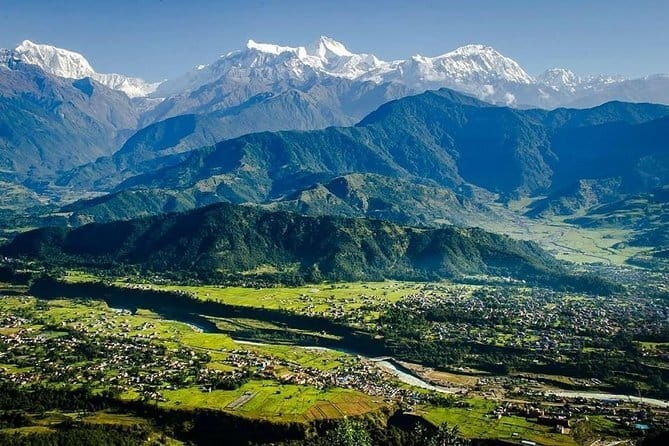
On the way, you’ll have strong sightlines toward peaks such as Machhapuchhre, Himchuli, and Annapurna South. You also pass through a stretch described as the world’s biggest rhododendron forest, which matters in a practical way: it makes the trail feel like a real corridor through nature, not just a line of viewpoints.
By afternoon, you arrive in Ghorepani and check in. Then you have time to explore the village, talk with locals and other trekkers, and enjoy Himalayan views from the area. This is the day that helps the trek feel like a travel experience, not just a climb.
Small but helpful tip: use that evening time to ask your guide what to look for on sunrise morning. A little orientation makes the ridge viewpoint feel even more satisfying.
Day 3: Poon Hill sunrise at 3,210m, then Tadapani at 2,610m
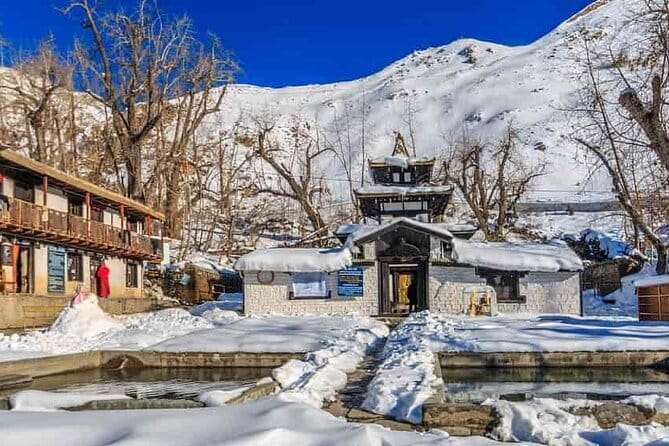
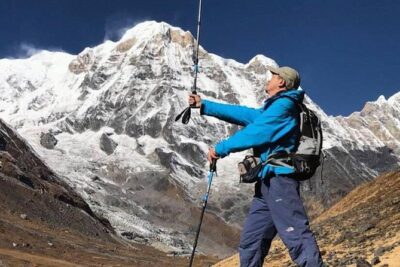
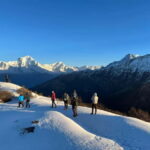
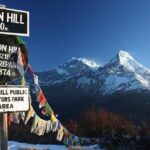
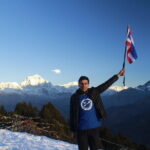
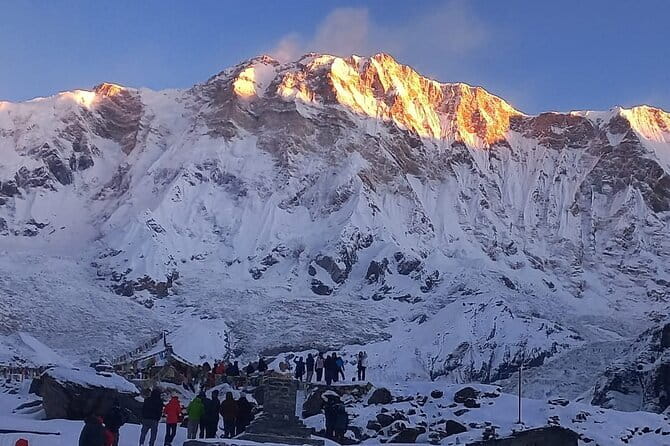
This is the day you wake for early light. You’ll hike up toward Poon Hill (3,210m) to catch the first light of the sun. On a clear morning, this is the big “wow” moment: sunrise over Mt. Annapurna and a wide panorama that includes Annapurna and Dhaulagiri among other mountain views.
What’s valuable here is how the trek is arranged. You’re not just dropped at a viewpoint—you hike through culturally significant village areas first, then you get the reward at the ridge.
After sunrise and breakfast, you shift focus. You’ll start trekking toward Tadapani (2,610m), moving through dense forest sections. This part is described as full of rhododendrons, bamboo, and oak, plus the kind of trail details that make walking feel alive: waterfalls, rocks, wildlife, birds, and lush green valleys.
The practical takeaway: don’t treat this as a “walk fast, rest later” section. The forest path is where you’ll get the richest variety—so pace yourself, keep your eyes up, and take breaks when the trail gives you something pretty.
Possible drawback to note: forest walking can feel slower even if the distance is reasonable. If you’re the type who gets restless on trails, plan to enjoy the pace.
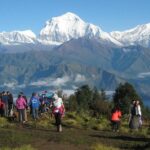
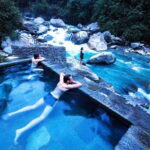
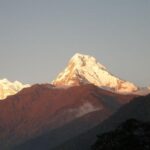
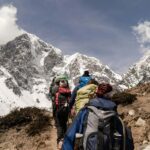
Day 4: Jungle walking to Ghandruk, then back to Nayapul and Pokhara
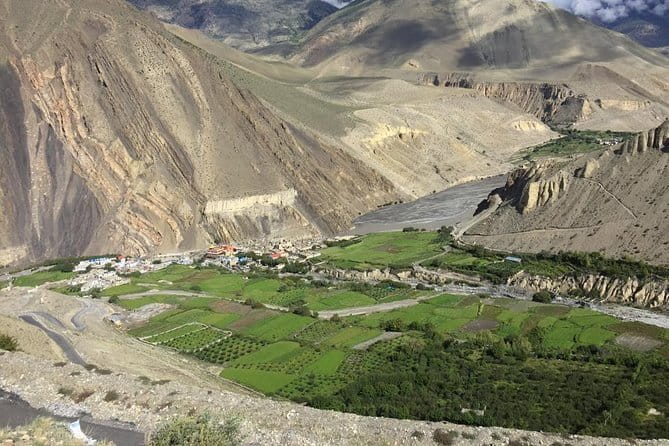
Day four is longer than the first two days. You’ll start with breakfast, then head out through jungle areas plus villages and stream crossings along the way.
After continuous walking for about 3 to 4 hours, you reach Ghandruk, described as a Gurung village. This is a great mid-trek reset point: you stop for lunch, rest, and take in the character of the settlement before continuing.
After lunch, you hike onward toward Nayapul. Once you reach Nayapul, you ride back to Pokhara in a private vehicle.
This day is where you’ll feel the full shape of the trek: earlier days build your stamina, and day four cashes it in with a final stretch back down toward town. The views during the return are also a big part of why this trek works as a short package—you get mountains and green hills without needing a week of hiking.
What I recommend: pack a little patience for the final hiking hours. Even though it’s “the last day,” your legs will still need you to walk like an adult.
Price and logistics: what you’re really paying for ($358.61)
At $358.61 per person, the price makes more sense when you look at what’s included versus what you’ll still have to cover.
What’s included (the value)
You get:
- 3 night accommodation in basic local lodges, room-only
- Permits and trekking fees, including ACAP, TIMS, and national park fees
- A professional English-speaking local trekking guide
- All land transportation by private vehicle as mentioned in the route
This is a big deal in Nepal where paperwork and route planning can eat time and energy. By bundling permits and guiding, you spend your energy on walking and enjoying the villages—not chasing logistics.
Also included are conveniences like pickup and a mobile ticket, and there may be group discounts depending on how you book.
What’s not included (your real budget)
You should plan for:
- Food, drinks, and beverages during the trip
- Nepal visa fee
- Tipping (not mandatory, but a Nepalese custom)
- Travel insurance
- Personal expenses and any emergency rescue/evacuation costs
If you want this trek to feel smooth, budget for meals at each stop and keep some extra cash for snacks and drinks along the way. Travel insurance is one of those “not included” things that you’ll be glad you have.
Your guide matters: Rohit’s kind of knowledge
One of the strongest repeated themes here is the guides. People highlight the guides as helpful, friendly, and experienced, and they mention feeling safe and supported through the whole trek.
Guide Rohit gets called out for being especially good and knowledgeable, including knowledge about sightseeing destinations and temples. That’s not just trivia. It changes what you notice as you walk—more context for village life, cultural stops, and the meaning behind what you’re seeing.
Practical way to use this: ask questions while you’re on the trail. If you want the most out of a short trek, don’t save curiosity for the end. The guide can also help you plan your pacing and make sure you’re comfortable with the day’s walking.
Who this trek suits best (and who should think twice)
This Ghorepani Poonhill trek fits you well if:
- You want a short Annapurna taste with real village hiking
- You care about sunrise views but also want forest scenery and mountain panoramas later
- You’re comfortable with stairs, uneven trails, and basic lodge stays
- You like having an English-speaking local guide explain what you’re seeing
- You’d rather do a private group experience without random strangers joining your walk
You might think twice if:
- You want luxury accommodations or long resort-style meal breaks
- You hate early mornings (day three is built around sunrise)
- You’re not ready for repeated uphill segments and stair-heavy sections
Should you book this Ghorepani Poonhill Trek?
If your priority is a memorable, well-organized first trek in the Annapurna region, I’d seriously consider booking this one. The sunrise payoff at Poon Hill is the headline, but the supporting cast—Ghorepani village time, rhododendron forest walking, and the Ghandruk stop—keeps it satisfying for the full duration.
Book it if you want:
- A guided, permit-covered trek with private land transport
- A realistic 4-day rhythm that fits a short vacation
- Views of Annapurna and Dhaulagiri from the ridge and along the trail
Pass for now if you need total simplicity with minimal uphill work or you’re not into cold-start mornings. Also, budget for food and your visa up front so you don’t get surprised mid-trek.
FAQ
How long is the Ghorepani Poonhill trek?
The package is listed as about 4 days, with 3 night accommodations during the trekking portion.
Where does the trek start from?
You drive from Pokhara to Nayapul, and Nayapul is your trekking starting point.
What kind of lodging is included?
You get 3 nights in basic local lodges, on a room-only basis.
Is a guide included?
Yes. You’ll have a professional English-speaking local trekking guide.
Are permits included in the price?
Yes. Permits and fees included are ACAP, TIMS, national park fees, and other trekking permits.
Are meals included?
No. Food, drinks, and beverage bills are not included.
Do I need travel insurance?
Travel insurance is not included, so you should arrange your own.
Is this a shared group trek?
This is a private tour/activity, so only your group participates.
Do I need moderate fitness?
Yes. The trek is suitable for travelers with moderate physical fitness.
FAQ
Can I cancel for a full refund?
You can cancel up to 24 hours in advance for a full refund.
What is the meeting window?
Opening hours are listed as 12:15 AM to 11:45 PM (Monday through Sunday).