REVIEW · POKHARA
Pokhara: 7-Day Annapurna Base Camp Trek & Hot Spring
Book on GetYourGuide →Operated by Snow Peak Tours and Travels pvt.ltd. · Bookable on GetYourGuide
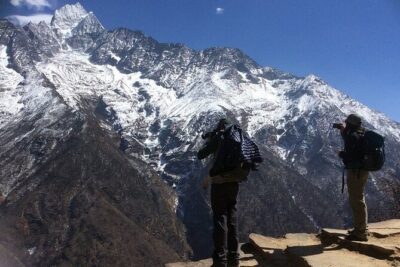
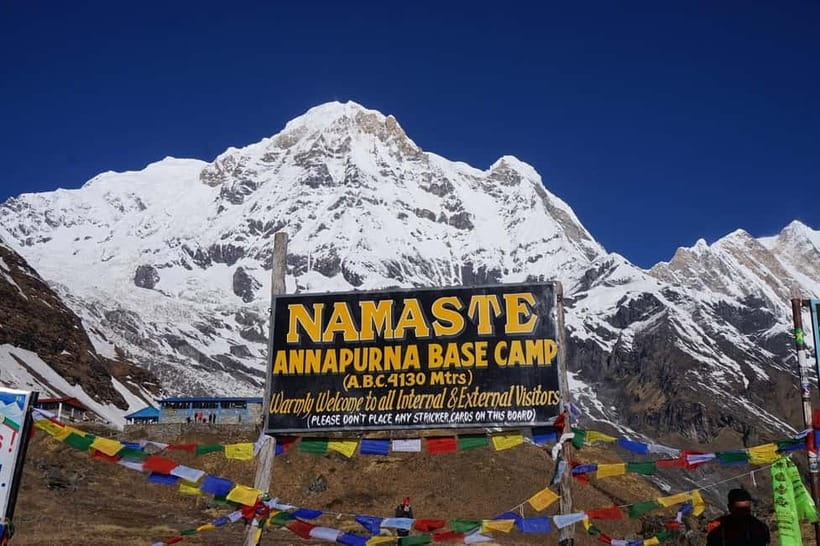
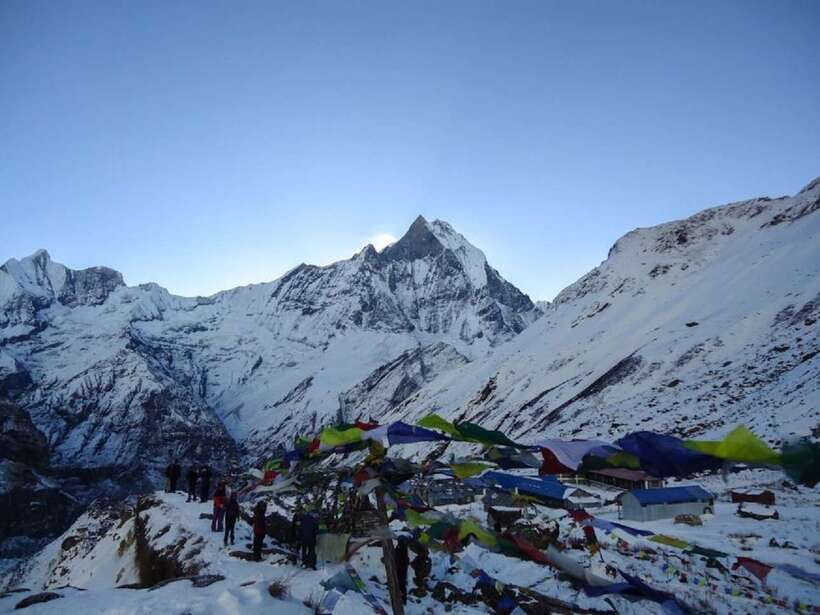
Morning at Annapurna Base Camp changes everything. You trek up through forests and villages, then climb to 4,130m for big views of Annapurna and Machapuchare—especially from the base camp area where the mountain looks right in your face.
I love the way the early hours at ABC turn into an instant highlight, and you’ll also enjoy the reset afterward with natural Jhinu Danda hot springs. One consideration: match your expectations on logistics and lodge add-ons—some trekking packages still leave you paying for basics like wifi and drinking water at guesthouses, and you’ll want clear confirmation on the exact return transfer.
In This Review
- Key things that make this trek special
- Annapurna Base Camp at 4,130m: the view payoff you’re actually paying for
- Machapuchare and the Annapurna range: what to look for
- Day 1: Pokhara to Ghandruk (via Nayapool) and your first real uphill day
- Day 2: Ghandruk to Chomrong—rhodo forests and wide mountain moments
- What makes this stop worth it
- Day 3: Chomrong to Himalaya—more altitude, more forest mood
- Day 4: Himalaya to Annapurna Base Camp—reach 4,130m and sleep close to the peaks
- What you should plan for at base camp
- Day 5: Annapurna Base Camp to Bamboo—coming back down a bit, so you can keep going
- Why Bamboo is a good recovery step
- Day 6: Bamboo to Jhinu Danda—your muscles meet natural hot springs
- Day 7: Jhinu Danda to Nayapool and back to Pokhara
- What your $190 price gets you—and what you still need to watch
- The big “money reality check”
- Logistics and operator fit: the one part you can control
- Gear, clothing, and the packing list that actually matters
- Trekking gear included—check your comfort level
- Who this trek is best for
- Should you book the Pokhara 7-Day ABC Trek & Hot Spring?
- FAQ
- How long is the trek?
- What’s the highest altitude on this route?
- Where does the trek start from?
- How do you get between Pokhara and the trek?
- What kind of accommodation will you have on the trek?
- What’s included besides lodging and meals?
- Do you include the hot springs?
- What language is the guide?
- Is travel insurance included?
Key things that make this trek special
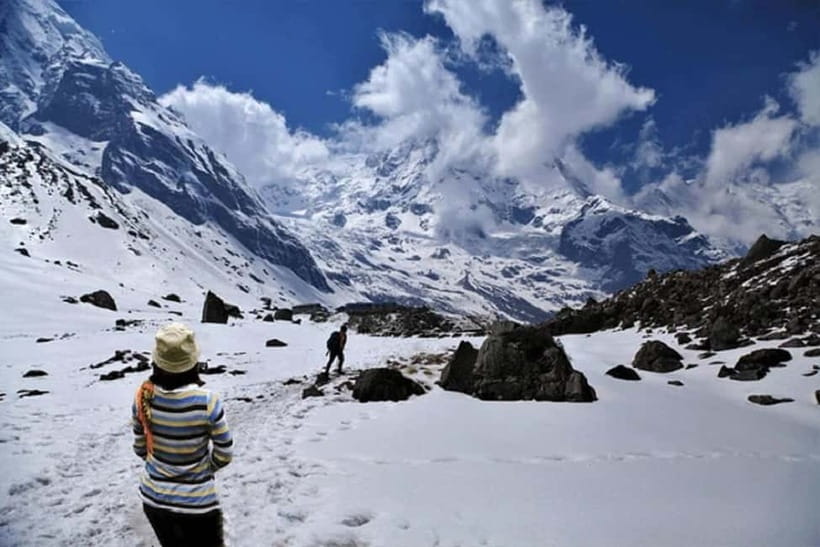
- Annapurna sunrise at ABC: early morning color hits fast, and base camp feels close to the peaks
- Jhinu Danda hot springs after the climb: natural soak to ease sore legs
- Day-by-day village trek: you pass through places like Ghandruk and Chomrong on the way up
- Highest point at 4,130m: big altitude payoff without needing technical climbing
- Private group setup: guided and coordinated, with flexible pacing for your group
- Tea house nights: basic lodge comfort, simple meals, and a real trekking rhythm
Annapurna Base Camp at 4,130m: the view payoff you’re actually paying for
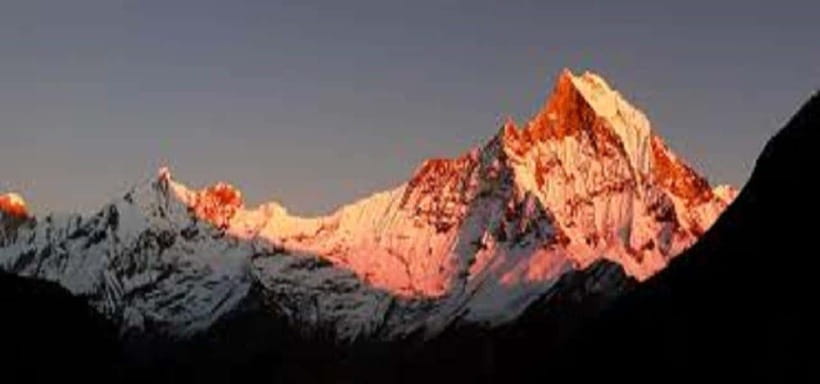
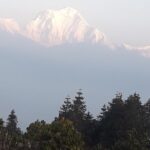
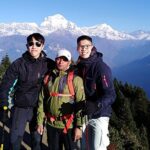
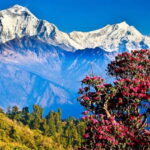
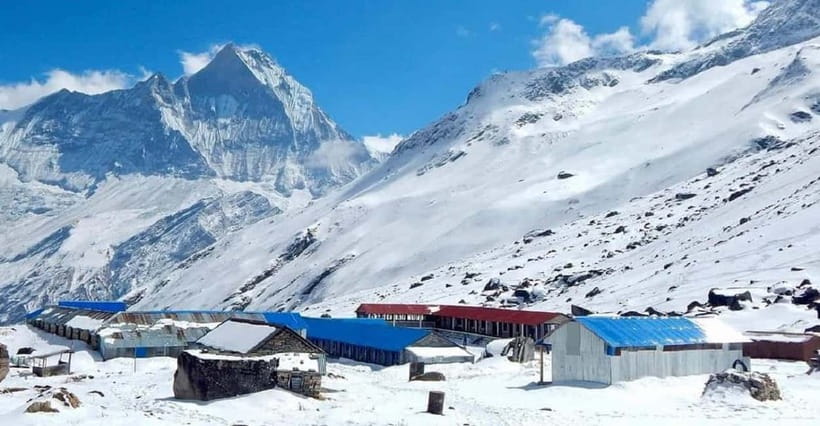
Let’s be honest: you’re here for the top. The hike ramps up through forests and settlements, then you reach Annapurna Base Camp at 4,130m. From there, the Annapurna range—and Machapuchare in particular—shows up in a way that feels immediate. This isn’t “maybe I’ll see something if the weather is right.” Base camp is built for mountain viewing.
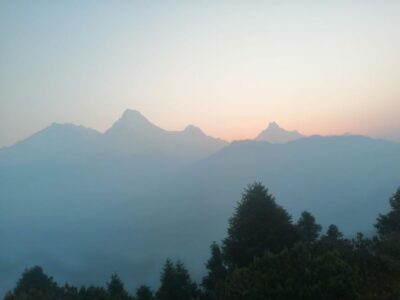
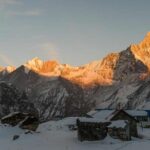
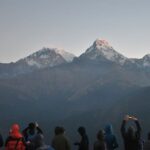
The most memorable part tends to be sunrise. You’ll wake up early enough to catch the sky shift over the Annapurna region. The mountains don’t just look brighter; they look more defined. If you’re the type who loves big views, ABC has that “wow” factor people talk about.
But you also need to be realistic: at 4,130m, weather can flip. It can be chilly and windy, and your body will feel the altitude. You don’t need special climbing skills, but you do need patience. The trek is graded by effort and breathing rate, not technical difficulty.
You can also read our reviews of more tours and experiences in Pokhara.
Machapuchare and the Annapurna range: what to look for
On a clear morning, Machapuchare often steals the show with its distinctive profile. Annapurna’s main mass gives you the broader “wall of peaks” feeling. What you’ll enjoy most is that base camp doesn’t require you to hike for hours just to get a good angle—you’re already there.
If the skies are cloudy, don’t assume it’s wasted. Even when visibility is limited, you’ll still have the experience of trekking to an iconic altitude and spending a night at base camp.
Day 1: Pokhara to Ghandruk (via Nayapool) and your first real uphill day
Your trek starts in the Pokhara area. After breakfast, you ride to Nayapool, then begin hiking toward Ghandruk. This is one of those first-day legs that sets the tone: steady effort, changing scenery, and plenty of village life along the Modi Khola route.
You’re hiking about 5–6 hours on day one, and you’ll pass through ethnic villages and forests. Ghandruk is a classic stopping point in the Annapurna region, and arriving there gives you an early sense of “this is real trekking now.”
Practical tip: wear shoes you trust on rocky trail. This is not the time to test new boots.
Day 2: Ghandruk to Chomrong—rhodo forests and wide mountain moments
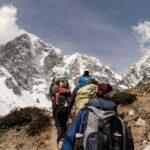
Day two takes you from Ghandruk to Chomrong (about 2,170m). After breakfast, you keep climbing through hilly settlements and rhododendron forests. This is a day where the trail rhythm stays consistent, and you’re more likely to get glimpses of Annapurna in the background.
Chomrong is where you start feeling the “Himalaya pace” in your legs—still manageable, but you’ll notice you’re walking more uphill than flat.
What makes this stop worth it
You’re not just collecting miles. You’re building your acclimatization through gradual altitude gains and giving your body time to adjust. Chomrong helps break up the route so day three isn’t a shock.
Day 3: Chomrong to Himalaya—more altitude, more forest mood
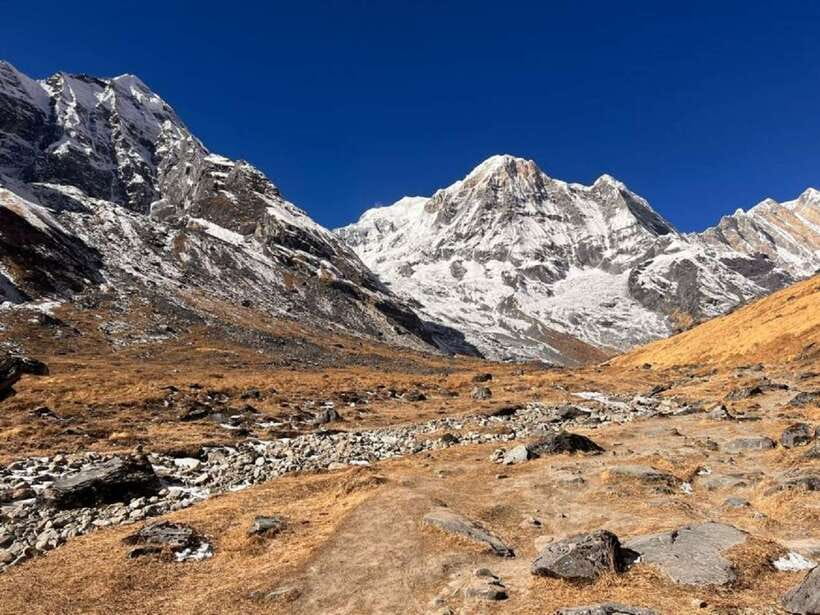
Today you go from Chomrong up to Himalaya, around 2,920m. The route keeps weaving through villages and rhododendron forests, with mountains in view when the weather cooperates.
This is also one of the days where the trail can feel longer than you expect, mostly because you’re higher and breathing feels a bit different. Take it slow. You’ll get there; rushing only turns it into a suffering day.
I like this middle day because it’s not the dramatic finale yet. It’s the in-between part where you get into a calm trekking rhythm—where you can actually enjoy the walking.
Day 4: Himalaya to Annapurna Base Camp—reach 4,130m and sleep close to the peaks
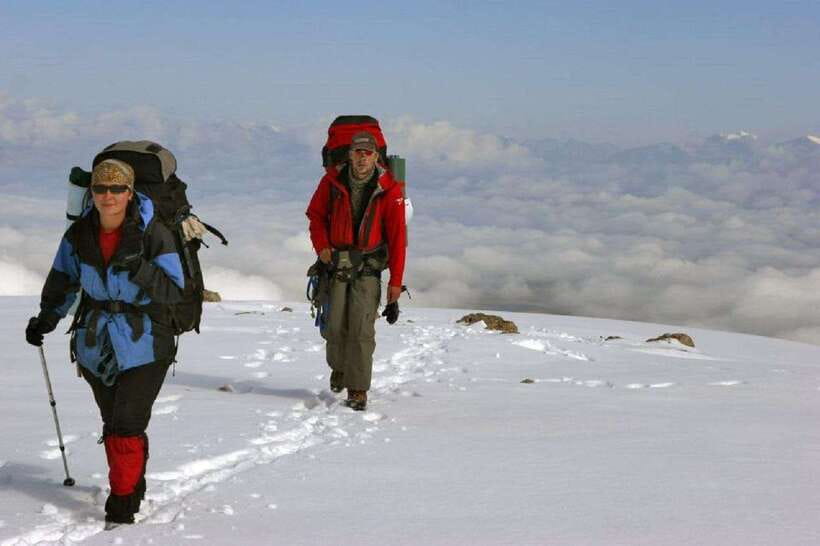
Day four is the big one: Himalaya to Annapurna Base Camp (4,130m). You’ll be staying overnight at base camp and spending time right near the Annapurna range.
This is where you feel the altitude most. Also, the “mountain calm” kicks in. At ABC, you’re not just hiking through scenery—you’re living inside the views for a night.
What you should plan for at base camp
- Expect cold at night. Warm layers matter.
- Expect early mornings to be worth it.
- Expect a sense of smallness—in a good way.
Base camp is the kind of place that makes you want to stand still and look. Even if you’re exhausted, you’ll probably end up lingering longer than you planned.
Day 5: Annapurna Base Camp to Bamboo—coming back down a bit, so you can keep going
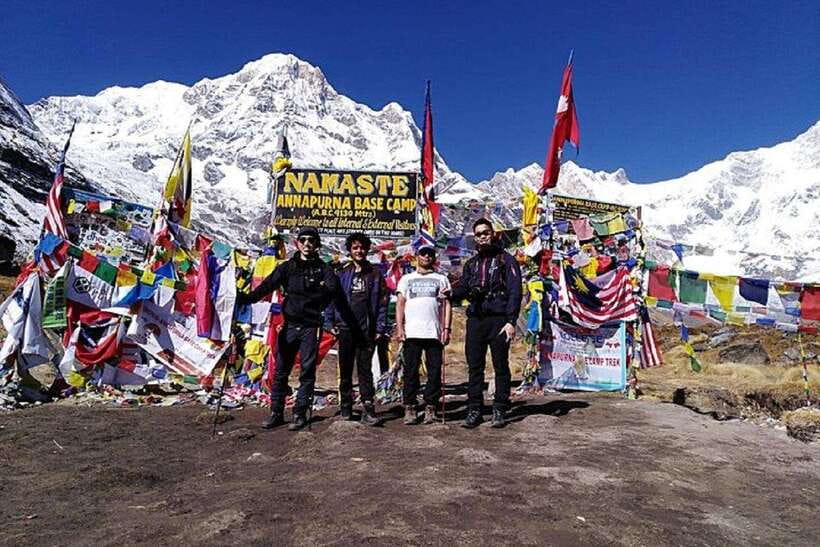
On day five, you hike from Annapurna Base Camp down to Bamboo (around 2,335m). This is still a full trekking day, but it’s a different kind of effort. The trail changes from “push to the top” to “manage your descent.”
You’ll see rhododendron forests again, plus natural springs and waterfalls along the way. These are the days that remind you this isn’t just a one-point summit trek. You’re moving through a whole ecosystem.
Why Bamboo is a good recovery step
Dropping altitude helps your body reset a bit after the peak altitude day. You’ll likely feel it in your legs the moment you start descending and your breathing becomes easier.
Day 6: Bamboo to Jhinu Danda—your muscles meet natural hot springs
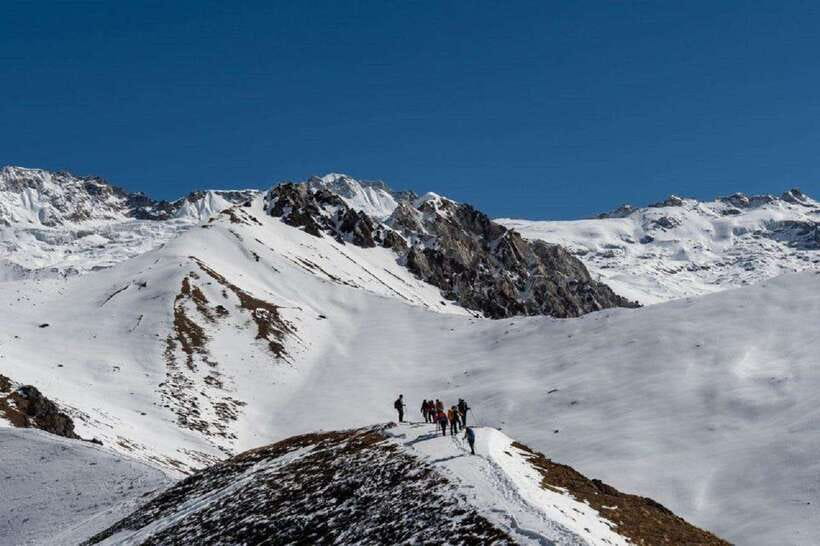
Today you head to Jhinu Danda, at about 1,610m, where the centerpiece is relaxation: natural hot springs. This is the “reward” day. You’ve done the hard part (getting to 4,130m), and now you get to treat your body like it worked hard—because it did.
This soak is famous for a reason. Warm water can reduce that post-trek tightness and help you feel human again before the final travel day.
Practical advice: bring a small towel or anything you can use for drying off. And keep your valuables secure if you’re changing in public areas.
Day 7: Jhinu Danda to Nayapool and back to Pokhara
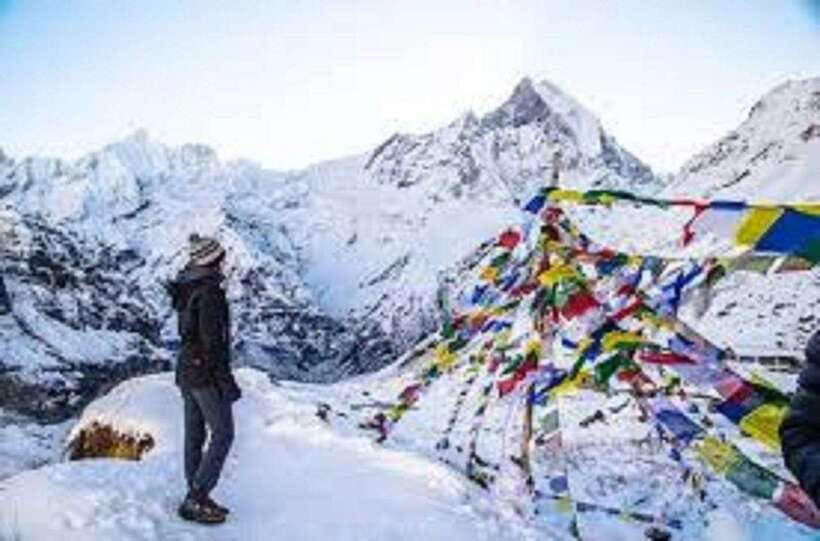
On day seven, you hike back to Nayapool and then ride to Pokhara. Your trip ends with a drop at your Pokhara hotel of choice.
This day is more about finishing strong than chasing altitude. You’ll likely feel the day earlier than usual, because you’ve been walking every day. But after the hot springs, it often feels easier than you’d expect.
What your $190 price gets you—and what you still need to watch
At around $190 per person for a 7-day trek, the value depends on what’s included in your specific option. Here’s the core of what’s listed as included:
- Round-trip transportation between your hotel, Pokhara International Airport, and the trek start point
- Permits and trek fees
- Meals during the trek (depends on the option chosen)
- Basic tea house/lodge accommodations
- A professional guide (government registered)
- Guide and porter support (including their food, accommodation, insurance, salary, transportation, and equipment)
- Private vehicle (depending on the option)
- Government and local taxes
- Trekking gear like a trekking stick/sleeping bag as needed
- First aid kit
Not included:
- Personal expenses
- Travel insurance
The big “money reality check”
Even when a package is priced to feel all-inclusive, you might still face small add-ons at guesthouses. One downside to be aware of is that wifi and drinking water may not be covered, even if you paid for a trekking package. It’s not a dealbreaker, but it can surprise you if you expected everything to be included.
So before you go, ask these questions:
- Which meals are included each day?
- Is drinking water provided or do you purchase it at lodges?
- Will you pay for wifi anywhere?
- What exactly is the return transport plan from the hot springs day?
Logistics and operator fit: the one part you can control
This trek is popular, and good agencies keep it smooth: correct timing, correct transfers, and clear lodge plans. The listing includes private group service and a guide in English, Hindi, and Nepali, which is great for communication and safety.
Still, I’d take an extra minute to protect yourself from avoidable friction. In at least one documented situation tied to this kind of trip, the organization didn’t manage expectations well—stays and trip structure weren’t clear, and on the return a private jeep arrangement wasn’t handled as expected, leading to an uncomfortable bus ride instead. There was also mention of returning earlier than planned because things moved faster.
You can’t control weather. You can control questions.
- Get the itinerary written in clear day-by-day format: where you sleep each night.
- Confirm whether the same type of transport used on the way out is also guaranteed on the way back.
- Ask how schedule changes are handled if you finish faster or slower than expected.
It’s not pessimism. It’s just protecting your comfort after you’ve already earned it with 4,130m legs.
Gear, clothing, and the packing list that actually matters
You’ll be walking on uneven paths at altitude. The official packing list is a good baseline:
- Comfortable shoes
- Warm clothing and a jacket
- Hat
- Change of clothes
- Camera
- Hiking pants
- Flashlight
- Cash
- Hand sanitizer or tissues
- Passport/ID card (copy accepted)
- Hair tie
Also, since hot springs are part of the trip, plan for wet warmth. Even a simple small bag for dry clothes helps.
Trekking gear included—check your comfort level
The package says trekking gear like trekking stick/sleeping bag is provided as needed. If you already own your own gear (especially a sleeping bag you trust), you might still prefer your own setup. If not, confirm you’ll actually have what you need before you leave.
Who this trek is best for
This is a good fit if you want:
- Iconic views without technical climbing
- A cultural trekking route through villages
- The satisfaction of reaching Annapurna Base Camp and then finishing with a recovery soak
It’s also well-suited to private groups who want a guided experience with clear coordination and language support (English, Hindi, Nepali).
You should think twice if you:
- Hate unpredictability in returns and transfers
- Expect every tiny lodge cost to be included
- Want ultra-luxury comfort during tea house nights
Tea houses are basic. You’re not signing up for a hotel spa. You’re signing up for mountain time, then hot water.
Should you book the Pokhara 7-Day ABC Trek & Hot Spring?
Book it if you want the classic Annapurna experience: rise early for sunrise at ABC, walk through forests and village trails, reach 4,130m, and then treat your legs to Jhinu Danda’s natural hot springs.
I’d only hesitate if your priority is “totally smooth, zero extra payments, zero transport surprises.” In that case, you should pick a contractor with very clear written logistics and explicit coverage of meals and key costs like drinking water and wifi.
If you’re organized and ask direct questions, this trek offers a strong payoff for the effort—views you remember, and a soak that helps you enjoy the finish instead of limping through it.
FAQ
How long is the trek?
It runs for 7 days.
What’s the highest altitude on this route?
Annapurna Base Camp is listed at 4,130m.
Where does the trek start from?
You’ll be taken from your hotel area in Pokhara to Nayapool, and the hiking starts from Nayapool.
How do you get between Pokhara and the trek?
Round-trip transportation is included between your hotel, Pokhara International Airport, and the trek starting point.
What kind of accommodation will you have on the trek?
You’ll stay in basic tea houses or lodges during the trek.
What’s included besides lodging and meals?
The package includes permits and fees, an experienced government-registered trekking guide, porter support, first aid kit, and taxes. Trekking gear like a trekking stick/sleeping bag is included as needed.
Do you include the hot springs?
Yes. The trek includes a hike to Jhinu Danda, where you’ll enjoy natural hot springs.
What language is the guide?
The live tour guide speaks English, Hindi, and Nepali.
Is travel insurance included?
No. Travel insurance isn’t included, and you should make sure it covers emergency rescue costs.