REVIEW · KATHMANDU
Trek to Everest Base Camp
Book on Viator →Operated by Happyland Treks · Bookable on Viator
Everest Base Camp starts long before the summit. This trek is interesting because you slowly build altitude over 14 days, with classic Khumbu villages, tea-house nights, and big, high-Himalaya scenery. You also get a structured acclimatization rhythm so the day you reach the 5,364m base camp doesn’t feel like a sudden jump.
Two things I especially like here are the practical support and the way the logistics are handled. You get an English-speaking guide, airport pickup/drop by private transport, permits and entry fees covered, plus a porter set up at about 1 porter for 2 clients. In feedback for Happyland Treks, guides and organizers are often named for being helpful in Kathmandu, including Bimal Dahal, with guide names like Pramish/Promise and Ngawang also showing up.
One consideration: this is a high-altitude trek and the itinerary tops out around 5,545m at Kalapathar. Food and drinks once you’re in the mountains are not included, and you’ll want to plan for medical coverage and emergency evacuation yourself, since those costs aren’t covered.
In This Review
- Key highlights worth knowing
- Price and Logistics: what your $1,597 setup really covers
- Day 1–2: Kathmandu welcome, briefing, then Lukla to Phakding
- Day 3–4: Namche Bazaar acclimatization, permits, and the Everest viewpoint day
- Day 5–6: Tengboche monastery day to Debuche and Pangboche
- Day 7–8: Dingboche rest day and the Khumbu Glacier moraine grind
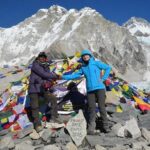
- Day 9–10: Gorakshep, Everest Base Camp (5,364m), and Kalapathar (5,545m)
- Day 11–14: return to Namche, Lukla, Kathmandu rest, and airport wrap-up
- Your altitude checklist and everyday trekking rhythm
- Who this trek is best for (and who should reconsider)
- Should you book this Everest Base Camp trek with Happyland Treks?
- FAQ
- FAQ
- What is the duration of the Everest Base Camp trek?
- Where does the trek start and end?
- Does the package include airport pickup and drop-off in Kathmandu?
- Are trekking permits and entry fees included?
- What support is included for carrying your gear?
- What meals are included, and what is not included?
- What fitness level is required, and is medical evacuation covered?
Key highlights worth knowing
- Permits and park fees included so you don’t have to track paperwork in-country.
- Private tour style with only your group participating, not a mixed big group shuffle.
- Porter support (1:2) to keep your load manageable on long days.
- Namche rest day plus viewpoint option to help you acclimatize before Tengboche.
- Kalapathar day at 5,545m for broad views across the Khumbu and Everest region.
- Guide support named in feedback (Bimal Dahal, Pramish/Promise, Ngawang) for organization and on-trail care.
Price and Logistics: what your $1,597 setup really covers
At $1,597 per person for about 14 days, the headline price can look steep until you see what’s baked in. You’re paying for a full trek structure: two nights in Kathmandu with breakfast, 11 nights in tea houses on the trail, an English-speaking guide, and a porter to share the load (about 1 porter for 2 clients). You’re also covered for trekking permits, entry fees, government and local taxes, plus welcome drinks and a farewell dinner.
From a value standpoint, the best part is what you’re not left guessing about. You don’t have to worry about park paperwork, and you’re not scrambling for basic ground transport between the airport and your Kathmandu hotel. Even better, you get a trip certificate at the end—small, yes, but it’s a nice touch when you’re heading home with that 5,000m+ accomplishment behind you.
What’s not included matters too, especially at altitude. In the mountains, your food and drinks are not included, and personal items like hot showers, battery charging, bottled water, and cold drinks usually cost extra. Also, medical insurance and emergency evacuation costs are on you—so before you go, make sure you have coverage that actually fits high-altitude trekking.
You can also read our reviews of more tours and experiences in Kathmandu.
Day 1–2: Kathmandu welcome, briefing, then Lukla to Phakding
Day 1 is your setup day in Kathmandu. After you arrive at about 1,350m, you’ll transfer to your hotel, then have an evening briefing to get ready for the trek and packing reality check. This is also when having airport pickup by private transport helps you skip stress—especially on a travel day.
Day 2 starts with a short flight to Lukla (around 2,800m). The flight is roughly 35 minutes and is famous for mountain views, but the practical goal is simple: you’re quickly in the Khumbu system, then you walk. From Lukla you follow the Dudh Koshi River through stone villages and snow-topped scenery, dropping into the Phakding area for your first overnight (about 2,652m). The walk is listed around 8km or 3–4 hours, which is perfect as a first rhythm day.
A quick reality check: even if the distances are manageable, you’ll feel the altitude right away. Your best strategy on Day 2 is slow steps, steady breathing, and not trying to “make up time” on the first day. Your guide will likely push the pacing you need, and this is where a calm, organized team makes a big difference.
Day 3–4: Namche Bazaar acclimatization, permits, and the Everest viewpoint day
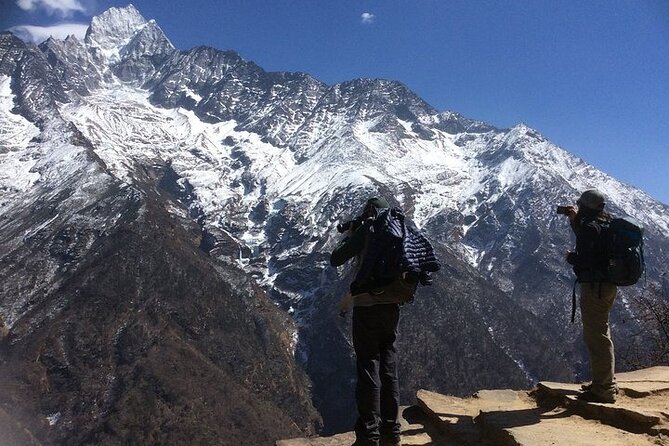
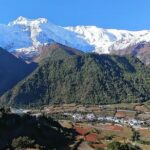
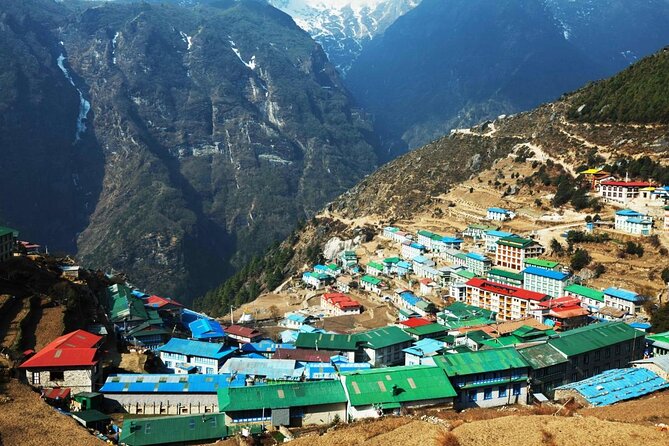
Day 3 is where the trek officially becomes “serious Nepal.” You leave early toward Namche Bazaar (about 3,440m), crossing toward the Sagarmatha National Park area and registering trekking permits as part of the process. The trail includes pine forests and a long suspension bridge crossing Dudh Koshi River—classic Khumbu stuff that also forces you to stay alert and steady with each step.
The ascent to Namche is the first steep test in the itinerary, and arriving into Namche is a relief. Namche itself is one of those mountain towns where you feel altitude but also see civilization: a place to resupply, talk to tea-house staff, and get your bearings fast.
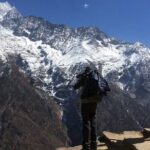
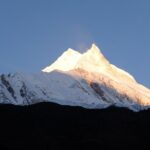
Day 4 is your planned rest day in Namche Bazaar. This is one of the most important parts of the whole itinerary because it gives your body time to adapt at high elevation instead of pushing onward every day. You can explore Namche at your own pace, or take a hike to the Everest viewpoint hotel for additional acclimatization support (about a 3–4 hour round trip). Either way, you’re in position for big sunrise and sunset views of peaks like Ama Dablam, Nuptse, Lhotse, and Everest.
The main drawback of a rest day is simple: you have to slow down even when you’re excited. But on this trek, rest is progress, not wasted time.
Day 5–6: Tengboche monastery day to Debuche and Pangboche
On Day 5 you head toward Tengboche, reaching around 3,800m. The route climbs through villages like Phunki Tenga and ends in Tengboche, home to one of the most important Buddhist monasteries in the Khumbu region. This isn’t just a scenic stop; it’s a cultural pause that helps explain why so many people love the Khumbu beyond the goal of Everest Base Camp.
Expect a longer walking day (about 9.2km, 5–6 hours). The payoff is the mix of village trail walking and dramatic mountain views. This is also where your legs start learning the pattern: you’ll feel both altitude and terrain, and your guide helps you manage that.
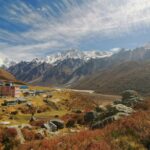
Day 6 descends from Tengboche through rhododendron forest toward Debuche. Then you cross the Imja Khola River and continue to Pangboche for overnight (around the 4,200m range). Ama Dablam is often a star attraction from this corridor, and you’ll likely spend time just looking rather than walking.
One thing to keep in mind: rhododendron forest travel can feel surprisingly fast when the trail is clear, then slow down when it gets uneven. Your best move is to keep your steps short and consistent, especially on downhill sections.
Day 7–8: Dingboche rest day and the Khumbu Glacier moraine grind
Day 7 centers on Dingboche (around 4,900m). After several days of steady effort, you get another free day to rest and relax. If you want an active option, there’s a hike to Nangkhartshang Peak (listed around 5,083m), typically taking about 3–4 hours. That hike is a classic acclimatization approach: go higher carefully, then come back to your sleeping altitude.
Even if you don’t do the extra hike, this day matters. By now, you’re in the zone where breathlessness and fatigue can’t be ignored. A good guide will watch your pace and encourage recovery so Day 8 doesn’t punish you for being overconfident.
Day 8 brings the biggest “big altitude” feel so far: a climb to the 4,900m range and long walking time (about 11–12km or 6–7 hours). The itinerary specifically calls out ascending steeply on the moraine of the Khumbu Glacier. That’s a key detail. Moraines can be rocky and uneven, so even when your body is ready, the trail can still slow you down.
This is also one of those days where you learn how important water and warm layers are. The cold can creep in even when you’re sweating from uphill walking.
Day 9–10: Gorakshep, Everest Base Camp (5,364m), and Kalapathar (5,545m)
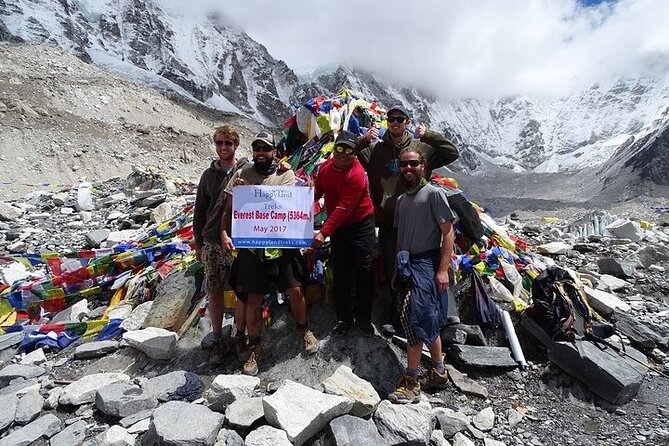
Day 9 is a long, challenging travel day that ends near the base camp area. You’ll reach Gorakshep (listed around 5,180m) and then continue toward Everest Base Camp at about 5,364m. The walking distance is around 15km or 6–8 hours, and the itinerary notes rocky terrain and icefall conditions that can make this day feel tougher than the map suggests.
You start to see why guides push acclimatization so hard earlier. At this point, you’re working at the edge of comfort, and the terrain asks for focus. When you finally arrive, base camp is the moment the whole trek has been aiming at: pictures, time to absorb the scale, and a sense of stillness that’s hard to describe.
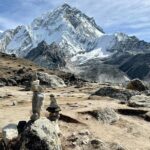
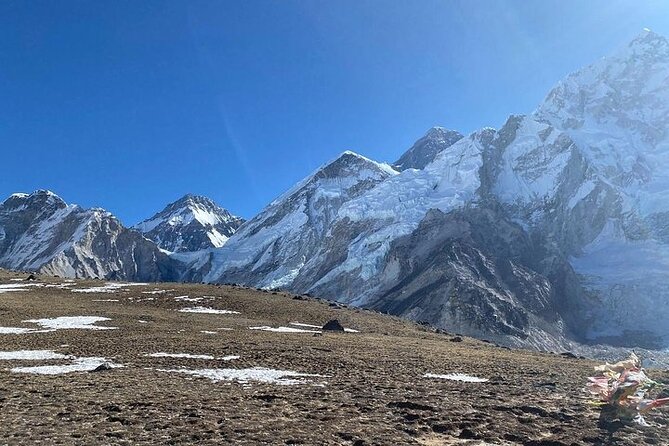
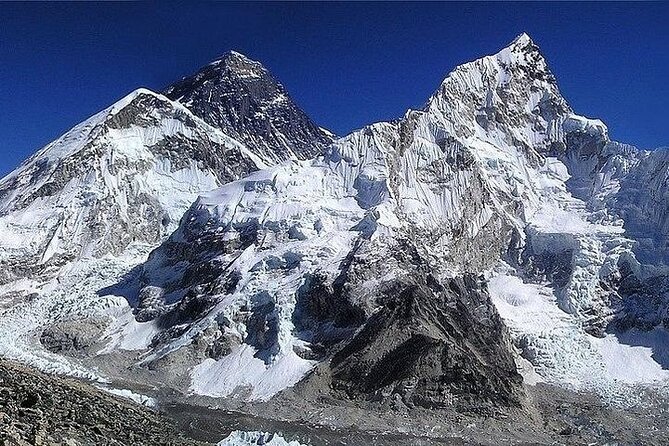
Day 10 is the classic Kalapathar morning. You climb early uphill for about 2–3 hours toward Kalapathar (around 5,545m), which means black rock in Nepali. This is where you’re likely rewarded with sweeping views of the Khumbu Glacier below and Everest and neighboring peaks above, including Nuptse, Changtse, and Lhotse.
After that, you retrace steps back to Gorakshep, then you descend toward Pangboche (around 4,320m). It’s a good reminder that the “hardest” part of a trek isn’t only uphill. A big altitude day plus downhill on tired legs takes careful footwork.
If you’re prone to getting chilled, plan for it here. Kalapathar mornings tend to be cold and windy, and the trek schedule doesn’t slow down to accommodate freezing hands.
Day 11–14: return to Namche, Lukla, Kathmandu rest, and airport wrap-up
Day 11 is your descent from Pangboche toward Namche Bazaar (around 3,440m). It’s a longer travel day, about 13–15km or 7–8 hours, and it’s full of ups and downs. The trail passes through rhododendron and juniper areas, with plenty of wildlife and bird sounds. You’ll likely stop for lunch around Tengboche and then continue into Namche for overnight.
Day 12 continues the long downhill rhythm toward Lukla (about 2,800m). You follow the Dudh Koshi River, cross suspension bridges, and move through valleys until you reach Lukla. The walk is listed around 16km or 6–7 hours, and the reward is a celebration with your trekking crew in the evening after the expedition is completed.
Day 13 brings the flight back to Kathmandu (about 35 minutes). You’ll then transfer to your hotel and get a day to explore Kathmandu or simply relax. This is a nice transition point: you’re no longer dealing with altitude, so you can finally breathe normally and take in the city’s texture.
Day 14 is your last moments in Kathmandu, with time for a stroll and souvenir shopping. After that, you’re driven to Tribhuvan International Airport for your scheduled flight home.
Your altitude checklist and everyday trekking rhythm
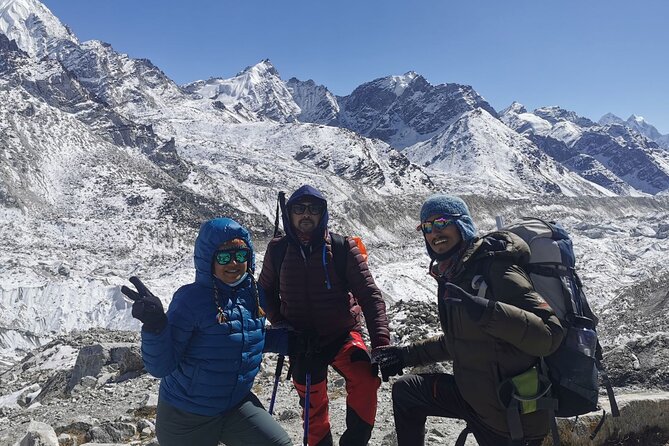
This trek includes sleeping and trekking elevations above 5,000m, with the high point around 5,545m at Kalapathar and base camp around 5,364m. The itinerary is designed around acclimatization rest days (Namche and Dingboche) and progressive climbs, but your body still decides the pace. If you’re the type who likes to push, the mountains will train you to slow down.
I’d treat warm layers as non-negotiable. Nights in tea houses at high altitude can feel very cold even when you’re not expecting it, and mornings for Kalapathar can be colder than you think. Also, plan for water management. The trip is not set up with water bottle costs included, and you’ll probably pay extra for hot water and battery charging along the way.
Food is another practical area. Dinner is included, plus you get breakfast twice in Kathmandu. But in the mountains, the tour doesn’t include food and drinks, so you should budget for tea-house meals and any snacks you want. This is normal for this style of trekking, and your guide should help you choose options that agree with you.
Who this trek is best for (and who should reconsider)
This experience is described as suitable for travelers with moderate physical fitness. That’s a fair label for Everest Base Camp treks, but “moderate” doesn’t mean easy. You’re looking at multiple 5–7 hour walking days, steep sections, and long downhill days on tired legs.
This trek makes particular sense if you want:
- Clear structure (permits and key logistics covered, guide and porter support included)
- Village-to-glacier trekking rather than only high-altitude sightseeing
- A route that intentionally includes rest days for acclimatization
It may not be the right fit if you’re seeking low-impact walking or if you haven’t done altitude-aware trekking before. If you’re worried about altitude sickness or recovery time, that’s the time to plan smarter and consider whether you want a different itinerary or longer acclimatization schedule.
Should you book this Everest Base Camp trek with Happyland Treks?
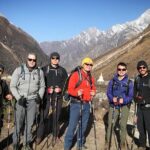
I’d say this is a solid choice if you like the idea of Everest Base Camp but also want the trip handled with real-world support. The combination of included permits, English-speaking guidance, porter assistance, tea-house nights, and the Kathmandu setup reduces the stress points that can ruin a big trip. Add the fact that named guides like Bimal Dahal and guide/team members such as Pramish/Promise and Ngawang have shown up in feedback for organization and care, and you have a reassuring signal for how the experience runs day to day.
If you do book, go in with the right expectations. You’ll work for the view, and you’ll pay extra for food and mountain extras, plus you’ll need your own insurance and emergency coverage. But if you’re willing to pace, dress warm, and respect acclimatization, you’ll likely feel proud of what you complete here.
FAQ
FAQ
What is the duration of the Everest Base Camp trek?
The trek is listed at 14 days (approx.).
Where does the trek start and end?
It starts at Happyland Treks. Nepal Trekking, Everest Trek, South Asia at Paknajol Marg, Kathmandu 44600, Nepal. It ends back at the meeting point.
Does the package include airport pickup and drop-off in Kathmandu?
Yes. Airport pickup and drop by private transport are included.
Are trekking permits and entry fees included?
Yes. All your trekking permit and entry fees are covered, along with government and local taxes.
What support is included for carrying your gear?
You’ll have a porter with a ratio of 1 porter for 2 clients.
What meals are included, and what is not included?
Dinner is included, and you have Kathmandu breakfasts for 2 mornings. Food and drinks in the mountains are not included.
What fitness level is required, and is medical evacuation covered?
The trek is for travelers with moderate physical fitness. Travel medical insurance and emergency evacuation cost are not included.