REVIEW · BISHKEK
Horse Trek to Kel Suu Lake
Book on Viator →Operated by Visit Alay - Travel Company · Bookable on Viator
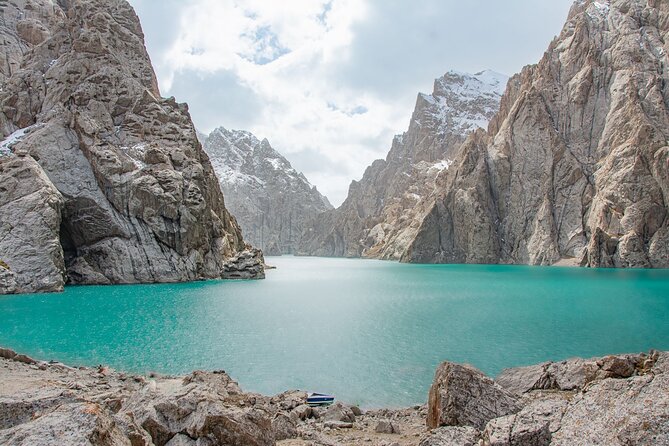
Six days on horseback in Kyrgyzstan feels unreal. This trek takes you from city roads out into Tian Shan mountain country, ending at Kel-Suu Lake with its striking turquoise water and dramatic cliffs. I love the steady horse riding across high-mountain trails, and I love the yurt-camp nights where you can get a real sense of Kyrgyz hospitality. The main consideration: it’s remote and high altitude, and sleeping bags and helmets aren’t included, so cold-weather prep matters.
This trip is also run like a real small-group adventure. You’re not on a crowd bus—this one caps at 8 travelers, and the guide named Sanjar and the driver Milran come up again and again in the glowing feedback. If you’re expecting luxury beds and constant creature comforts, you’ll want to set your expectations early, because this is about riding, scenery, and mountain life.
In This Review
- Key Things You’ll Notice on the Kel-Suu Horse Trek
- Bishkek to Naryn: Burana Tower and a Homestay Start
- Bosogo Pass to Kok-Kiya Valley: The Road Day That Teaches You Terrain
- First Riding Day in Kok-Kiya: A 13 km Ride with River Crossings
- Car Pass at 3,791 m: Riding Toward Kel-Suu Lake
- Day Five Toward Kel-Suu Lake: Shorter Ride, Big Payoff
- The Return Drive to Bishkek: From Mountain Silence to City Noise
- Price and Value: What $1,400 Covers (and Why It Might Be Worth It)
- What’s Included vs. What You Must Bring
- Horses, Guides, and the Small-Team Feel
- How Hard Is It, Really? Fitness, Altitude, and Real Expectations
- Weather, Timing, and When You’ll Be Offered Alternatives
- Should You Book the Horse Trek to Kel-Suu Lake?
- FAQ
- How long is the Horse Trek to Kel Suu Lake?
- Where does the tour start and end?
- Is pickup included?
- What’s included in the price?
- What should I bring since sleeping bags and helmets aren’t included?
- Are bottled water and drinks included?
- Do I need a certain fitness level?
- How many people are in a group?
- What happens if the weather is bad?
Key Things You’ll Notice on the Kel-Suu Horse Trek
- Small group size (max 8): easier pacing and more attention from your guide and horsemen
- Real mountain passes: Bosogo Pass and Car Pass at 3,791 meters help you understand the region’s scale
- Yurt-camp rhythm: tent sleeping setup with mats, plus full meals planned into the days
- Professional on-the-ground team: the guide Sanjar and driver Milran are repeatedly praised for keeping things smooth
- Included core logistics: transport from Bishkek, border permit, horses, and cooking gear reduce hassle
Bishkek to Naryn: Burana Tower and a Homestay Start
Day one is your transition day—less “trekking,” more “getting oriented.” You depart Bishkek after breakfast and drive about 315 km toward Naryn. The route threads through valleys and small towns, with enough stops to break up the long day so you don’t feel cooked before the riding starts.
A key early stop is Burana Tower, and it’s listed as free. Even if you don’t know much Central Asian history, it gives you a quick sense of how old trade routes and cultures shaped this part of the world. It’s the kind of stop that makes the later mountain remoteness feel even more dramatic.
You end the day in a homestay in Naryn. Homestays aren’t always the same setup everywhere, but the point here is simple: you’re starting close to local life before shifting into high-altitude trekking mode. If you’re the type who likes meeting people and eating what’s offered, this is a strong first step.
You can also read our reviews of more tours and experiences in Bishkek.
Bosogo Pass to Kok-Kiya Valley: The Road Day That Teaches You Terrain
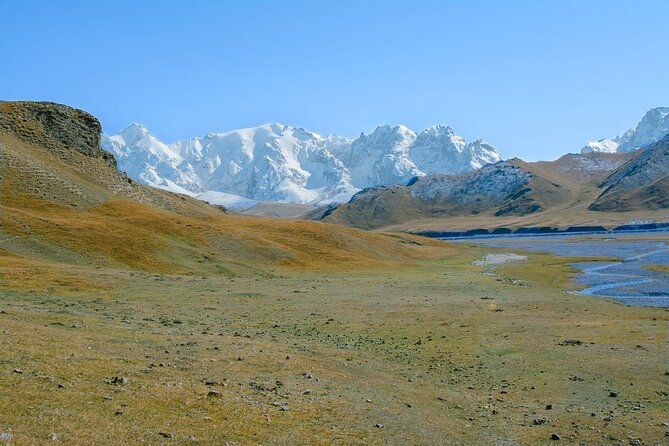
Day two shifts the focus to mountain driving. After about an hour from Naryn, you head up the switchbacks of Bosogo Pass. This is where you can start mentally switching gears from “vacation” to “mountain trek”: the air feels different, the climbs are obvious, and every curve looks like it belongs in a film.
From there you move into Ak-Sai Valley and the broader Kok-Kiya area. The time on the road is about 3 hours, and it’s paced like a proper setup day—enough travel to move you into the right zone, not so much that you arrive tired and frustrated.
One practical upside: because this segment is driving, you can enjoy the views without worrying about saddle time. You’ll still be feeling the altitude and mountain weather, but you’re not actively riding.
First Riding Day in Kok-Kiya: A 13 km Ride with River Crossings
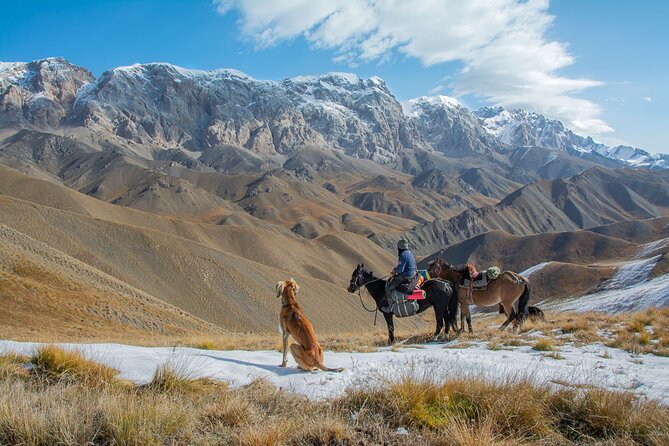
On day three, the adventure locks in. After breakfast you meet your horse and get a short riding briefing from the guide. That briefing matters more than people think. You’ll want to know how to handle your horse’s pace, what your guide expects, and how the team manages stops—especially when trails cross uneven ground.
You ride about 13 km total, with an ascent of 514 m and a descent of 414 m. This is not a “flat pasture stroll” day. It’s the kind of ride that helps you learn how horses move on mountain trails and how your body adjusts to staying balanced for hours.
The route follows a trail that includes river crossings and winds through a small valley. That combination usually means concentration: watch your footing, keep an easy grip, and relax your shoulders. If you’ve never ridden longer distances, think of this day as the training wheels for the bigger passes later.
Car Pass at 3,791 m: Riding Toward Kel-Suu Lake
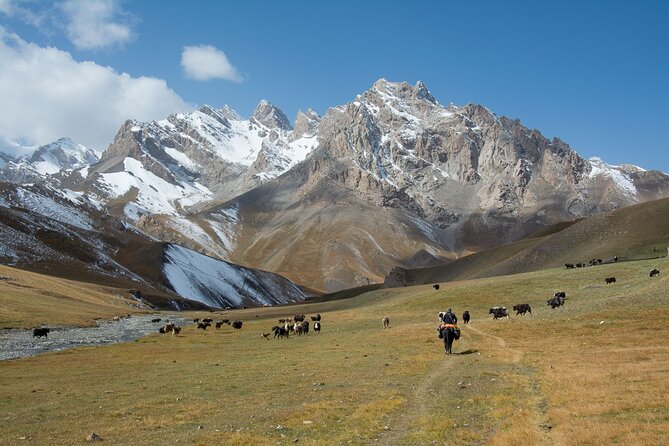
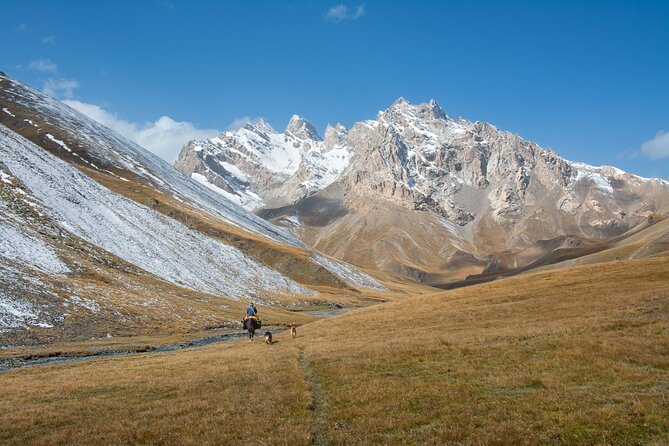
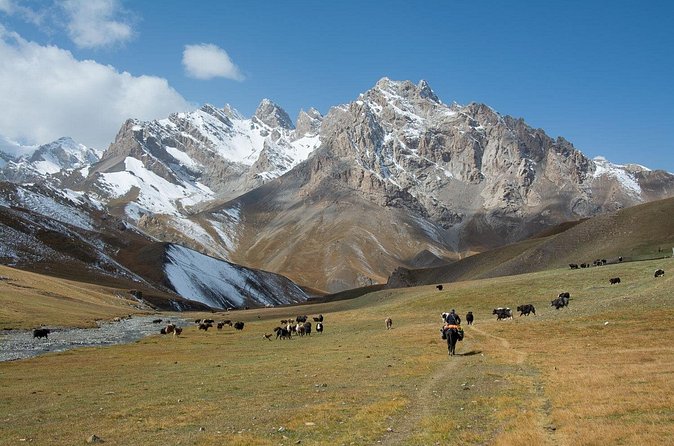
Day four is the big altitude moment. You ride about 18 km, with an ascent of 470 m and a descent of 488 m. Along the way you cross Car Pass, listed at 3,791 meters. That summit view is the reason you came—high enough that the air feels thin and the scale gets hard to process.
From the summit area, the trail opens to wide mountain views before descending toward the Kel-Suu zone. The experience described here is not just pretty photos. It’s about being physically in the high country, where weather can change fast and every change in elevation tells you something about Kyrgyz terrain.
This is also where your guide and horse team earn their pay. A good setup day earlier makes a tough pass feel controlled instead of stressful. Since Sanjar is repeatedly mentioned as the kind of guide who brings humor and knowledge to the trip, it helps to have that steady leadership when the trail steepens and your brain gets loud.
Day Five Toward Kel-Suu Lake: Shorter Ride, Big Payoff
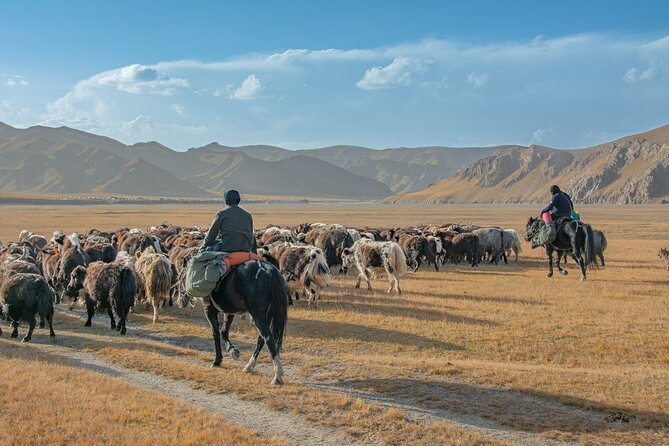
Day five is where you actually spend time with Kel-Suu Lake. After breakfast you mount up for a ride of about 12 km (listed as roughly 3 hours by horse), with moderate elevation changes (ascent 180 m, descent 261 m). Then there’s also a 140 km driving segment built into the day, likely for repositioning and getting you into the right place for the rest of your itinerary.
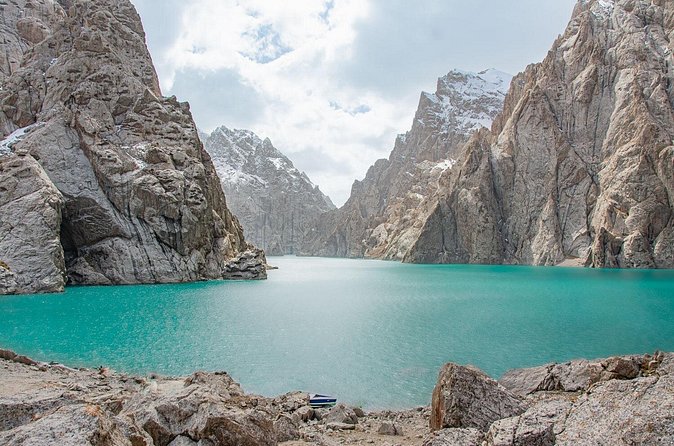
In other words: it’s not the longest riding day, but it’s a meaningful one. This is your moment to enjoy Kel-Suu Lake as something more than a destination on a map. The lake is described as an alpine marvel with turquoise waters and serene atmosphere—a place that feels quiet even when you’re surrounded by mountain wind.
A good tip for days like this is to pace your energy. Don’t try to “save time” by moving too quickly. Take your breaks when your guide offers them, keep sipping water if you brought it (bottled water isn’t listed as included), and treat the extra minutes as part of the experience, not lost time.
The Return Drive to Bishkek: From Mountain Silence to City Noise
On day six, you drive back to Bishkek, about 315 km. The timing is listed as around 5 hours, with arrival by early afternoon. You’ll usually have a little time afterward—perfect for a hot shower, a proper meal, and a long look at your photos while your body tries to decide whether it’s tired or just impressed.
This final day also gives you a buffer to process what you did. When you’re riding in remote terrain for several days, returning to normal infrastructure can feel almost unreal. I like that the schedule includes this smoother landing instead of another immediate “hurry and pack” day.
Price and Value: What $1,400 Covers (and Why It Might Be Worth It)
At $1,400 per person for roughly 6 days, this is not a budget trek. So you should ask: what are you paying for?
Here’s what you’re getting value for, based on what’s included:
- Transport to and from Bishkek (so you don’t have to arrange your own logistics)
- Horses and horsemen (a huge cost driver in remote treks)
- Yurt-camp essentials like tent, mats, cooking dish, and gas
- Permits (a border permit is included)
- Meals during the trek: breakfast 5 times, lunch 5 times, dinner 5 times
When you price out those pieces separately—especially horses and a guided, permitted trek—the number starts to look less random. You’re paying for a coordinated team that can handle mountain terrain, feed and care for horses, and keep you moving without turning it into a DIY project.
Is it still expensive? Yes. But if you want a genuine Kyrgyz horseback experience to Kel-Suu Lake without spending your trip time solving equipment and route problems, this price can feel fair.
What’s Included vs. What You Must Bring
The included items are practical, but the not-included list is the part you should read twice.
Included basics:
- Transport from/to Bishkek
- Horses and a horseman
- Tent and mats, plus gas and a cooking dish
- Breakfast, lunch, and dinner (5 of each for the trek days listed)
- Border permit
- Meals of personnel are listed as covered
Not included:
- Insurance
- Sleeping bags
- Helmets
- Bottled water and drinks like coffee/soda/alcohol
So here’s the practical takeaway: plan to sleep cold at least some nights. If you already own a warm sleeping bag, bring it. If you don’t, you’ll want to figure out what local arrangements can cover, because your comfort will depend on it.
Also, think about hydration and personal comfort. Since bottled water isn’t included, bring a plan for water and electrolytes that works for you.
Horses, Guides, and the Small-Team Feel
One of the most praised parts of this trek is the human side. The guide Sanjar comes up repeatedly in the feedback for being both knowledgeable in the field and fun to be around—people specifically highlight his humor and how he keeps the trip special. The driver Milran is also singled out for being friendly and for making transportation feel easy and safe.
Even without getting romantic about it, this matters. On horseback treks, the guide doesn’t just “point directions.” They coordinate stops, communicate with horsemen, manage pace, and adjust when mountain conditions shift.
And because the group is limited to 8, you’re more likely to get individualized attention on riding days—especially if you’re new to horse travel. If you’re the type who likes clear instructions and steady leadership, you’ll probably enjoy how this is set up.
How Hard Is It, Really? Fitness, Altitude, and Real Expectations
The tour states you should have moderate physical fitness. That’s not a vague promise; it matches the schedule: multiple days of driving into altitude zones and several riding days with real ascent/descent.
You’re also crossing high points, including Car Pass at 3,791 m. That alone is a reason to prepare. Even if you’re fit, thin air can make normal effort feel harder. Pace yourself, breathe calmly, and don’t treat the pass as a competition.
A good mindset for this style of travel:
- Expect to work a little on the saddle
- Take breaks without rushing
- Dress for wind and temperature swings
- Keep your sleeping gear warm enough to recover
If cold nights are a deal-breaker for you, you’ll want to address it before the trek starts.
Weather, Timing, and When You’ll Be Offered Alternatives
The operator notes the experience requires good weather. That means you might see date changes if conditions aren’t right. The practical question for you is: do you have flexibility in your travel dates?
If you’re locked into a strict schedule with no wiggle room, mountain treks can be risky. If you can shift plans, you’re more likely to get the trek you want.
Should You Book the Horse Trek to Kel-Suu Lake?
Book it if you want:
- A true horse trek with a planned team (horses, horsemen, guide)
- To visit Kel-Suu Lake after riding through major passes like Bosogo and Car
- A small-group adventure where the guide and driver can actually shape your day
Skip or rethink if:
- You don’t want to sleep without a provided sleeping bag
- You’re uncomfortable with moderate physical effort and high-altitude riding
- You need constant conveniences like included bottled water or steady city comforts
If you choose to go, do one thing that makes a big difference: prepare for cold nights and thin-air days. Get your layers right, bring hydration supplies, and lean into the slow pace of mountain travel. This is the kind of trip where the best moments come from being patient.
FAQ
How long is the Horse Trek to Kel Suu Lake?
It’s listed as 6 days (approx.).
Where does the tour start and end?
The start is 573 Frunze Street, Bishkek, Kyrgyzstan, and the tour ends back at the same meeting point.
Is pickup included?
Yes. Transport from/to Bishkek is included, and pickup is noted as offered.
What’s included in the price?
The included items list transport, horses and horseman, tent and mats, gas and a cooking dish, border permit, and meals during the trek (breakfast 5 times, lunch 5 times, dinner 5 times).
What should I bring since sleeping bags and helmets aren’t included?
Sleeping bags and helmets are not included, so you should plan to bring what you need for sleeping comfort and for riding safety preferences.
Are bottled water and drinks included?
No. Bottled water, alcoholic drinks, coffee, and soda are listed as not included.
Do I need a certain fitness level?
Yes. The tour says travelers should have moderate physical fitness.
How many people are in a group?
The tour has a maximum of 8 travelers.
What happens if the weather is bad?
The experience requires good weather. If it’s canceled due to poor weather, you’ll be offered a different date or a full refund. Free cancellation is available up to 24 hours in advance for a full refund.