REVIEW · CHIANG RAI
Chiang Rai Trek:Jungle Hike, Bamboo-Cooked Lunch & Boat Ride
Book on GetYourGuide →Operated by R U tour and trek · Bookable on GetYourGuide
Jungle days don’t get more hands-on than this. I really liked the Karen, Akha, and Lahu village encounters and the fact that you’re not just watching from a distance. The day also includes a bamboo-cooked Thai lunch in the jungle, plus time for a waterfall swim and a hot spring soak to reset your legs. One heads-up: it’s still a moderate trek, and slippery conditions can make it harder if the weather turns rainy.
I also love how the day starts with a Mae Kok River long-tail boat ride, then moves into the jungle with a guide who keeps things moving and explains what you’re seeing. Guides like Arju/Ayu/Aryu (names can vary by spelling) tend to turn the bamboo work into a mini activity you’ll remember, even if you’re traveling with kids.
The potential drawback for some people is the physical side. If you have back problems, are pregnant, or have mobility limitations, this one isn’t for you.
In This Review
- Key highlights worth caring about
- Why this Chiang Rai jungle trek feels more real
- Mae Kok River long-tail boat to Karen village
- Jungle trekking plus bamboo crafting for lunch
- Tea plantation stop and the bamboo-cooked Thai lunch
- Waterfall time: swim or get a massage from the current
- Akha village and Lahu village: simple mountain living
- Hot spring pool soak before the ride back to Chiang Rai
- Price and value: what $77 buys you
- What to bring (so the day stays fun)
- Who should join (and who should skip it)
- Final call: should you book this Chiang Rai trek?
- FAQ
- What’s included in the $77 price?
- Where does pickup happen in Chiang Rai?
- How do we travel to the first village area?
- Is swimming at the waterfall included?
- Is hot spring swimming included?
- How difficult is the walking?
- Does the guide speak English?
- What should I pack for the day?
- Is alcohol or smoking allowed on the tour?
- Can I reserve & pay later?
Key highlights worth caring about
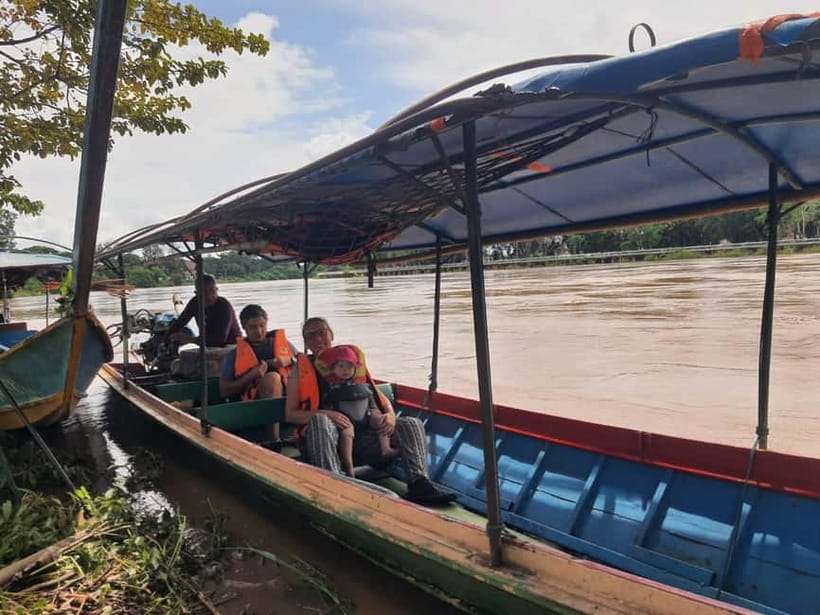
- Long-tail boat on the Mae Kok River before the trek even starts
- Bamboo utensils and bamboo-cooked lunch made during the hike
- Waterfall swim option with that shoulder-massage feeling from the current
- Tea plantation stop that breaks up the jungle walking
- Hot spring pool time at the end, before returning to Chiang Rai
Why this Chiang Rai jungle trek feels more real
This is a full-day Chiang Rai experience built around the “how people live” part, not just the “what you see” part. You’ll spend real time around Karen, Akha, and Lahu communities, and the day’s activities keep you connected to the environment: bamboo harvesting and cooking, then moving on to natural swimming and soaking.
I especially like that the food is part of the learning. Cutting bamboo cups and making utensils means you’re doing something practical, not sitting through a lecture. And after all that walking, the hot spring pool gives you a rare chance to come down from the intensity.
For me, the best moments are the in-between ones: the quiet stretches in the jungle, the guide pointing out how people use basic tools, and the waterfall stop where you can actually feel the water moving past you.
You can also read our reviews of more tours and experiences in Chiang Rai.
Mae Kok River long-tail boat to Karen village
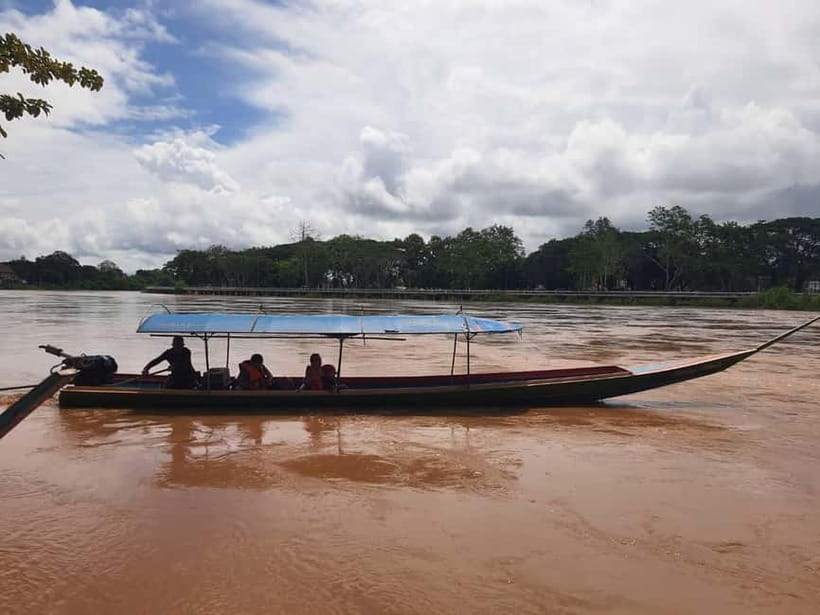
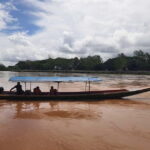
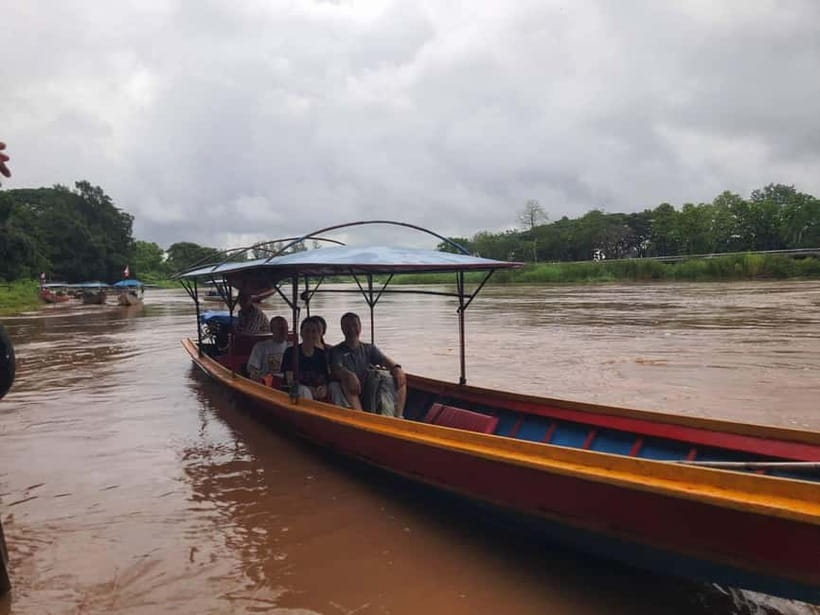
Your day starts with hotel pickup (downtown, within 3 km), and then you head to the Mae Kok River. From there, you take a motorized long-tail boat up the river toward a Karen village area.
This boat segment matters more than it sounds. It sets the pace, and it also gives you a different perspective than road travel. One review noted about a 40-minute boat ride, and the trip can include a stop connected to an elephant camp/sanctuary area by the riverside.
Then you keep moving toward the trek start. The switch from water to jungle is where this tour starts to feel like a true day in the hills rather than a checklist excursion.
Practical note: you’ll want to be ready for sun and humidity. Even though you’re not walking yet, the day can feel warm fast.
Jungle trekking plus bamboo crafting for lunch
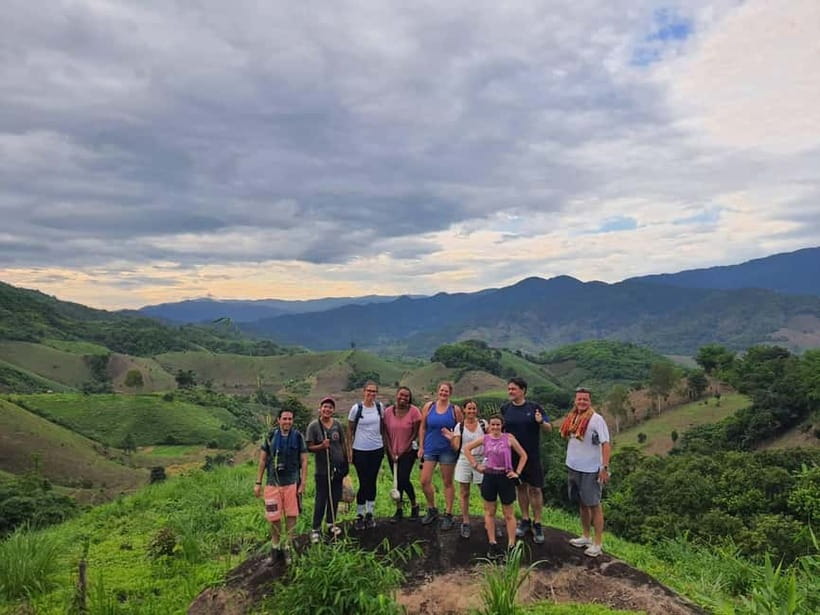
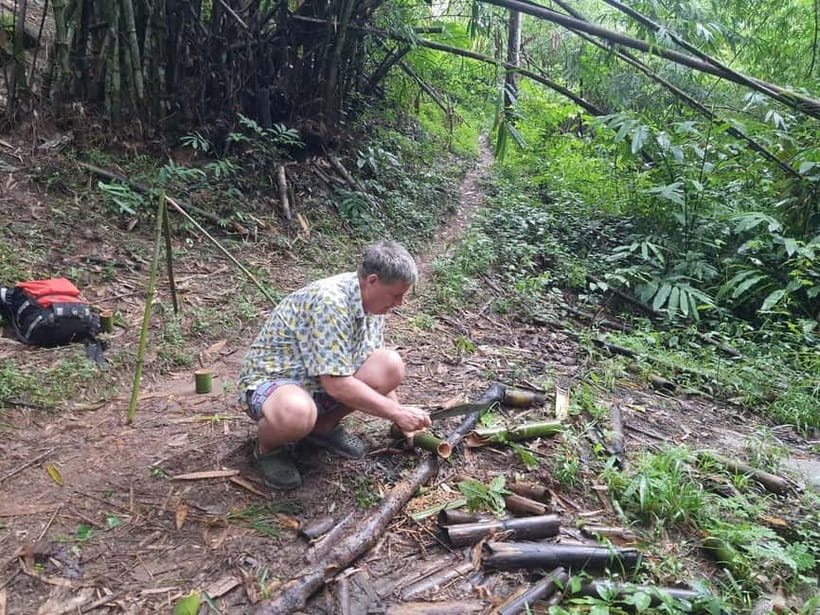
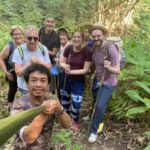
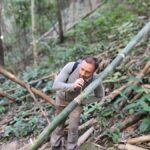
Once you start trekking, your guide turns bamboo into the day’s big theme. You’ll cut bamboo for cups, chopsticks, and other simple items, and you’ll see how people manage with natural resources and basic tools.
This is the part that most people remember, because you’re not only learning. You’re participating. Bamboo crafting also helps you stay focused during the hike, which can make a moderate trek feel more manageable.
The jungle walking is described as moderate, but adjust expectations for the weather. When it rains, the trail can get slippery, and the hike can feel tougher than the word “moderate.” The good news is that your guide can often adjust the route length if needed, which helps families and people who want a slightly easier pace.
Don’t skip the clothing and bug repellent either. Long sleeves and long pants aren’t just comfort items here—they’re part of staying happy in the jungle.
Tea plantation stop and the bamboo-cooked Thai lunch
After you’ve walked through jungle sections, you’ll pass a large tea plantation and stop for lunch. This lunch is one of the best value points of the day because it’s not only included—it’s cooked using the bamboo utensils you help prepare.
I like that lunch happens in a way that feels connected to the trekking rhythm. You don’t just stop, eat, and move on. You eat what you made, and you can see how the bamboo cooking works over a fire.
Because lunch is included, you’re also less likely to spend extra money mid-day. The trade-off is that you should still bring snacks if you get hungry between meals, since the schedule is full and active.
If you’re used to purely “cultural shows,” this will feel more grounded. The focus is on skills and daily resource use, not performance.
Waterfall time: swim or get a massage from the current
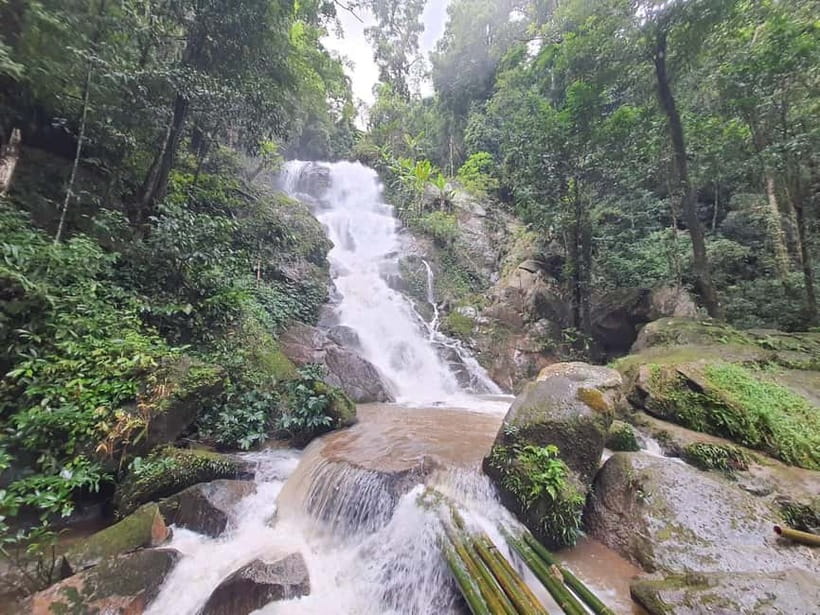
After lunch, the tour moves you toward a waterfall near the village area. This is your refresh break, and swimming is optional.
The fun part is the water action. One review described the waterfall swim as having that massage feeling on your shoulders from the current. Even if you don’t go in deep, you’ll still get that reset effect from standing close to the water.
Bring swimwear if you want the option to actually swim. If you don’t, you can still enjoy the scenery and cool air, but pack like you might change your mind on the spot.
Also bring a towel. You’ll thank yourself when the day gets sweaty and you want to dry off before the next village segment.
Akha village and Lahu village: simple mountain living
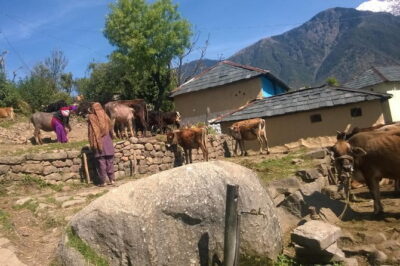
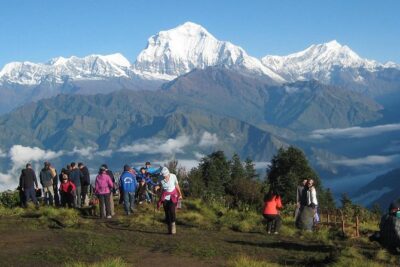
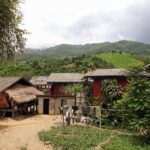
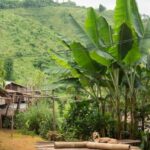
Next you’ll visit an Akha village, then continue to a Lahu village in the high mountain area. This is where the tour’s hill-tribe theme becomes real in your day-to-day experience.
You’ll learn about traditional lifestyles and see how simple daily living works in the mountains. The Akha stop tends to focus on community life and culture. The Lahu stop often feels more basic and stark, which can be fascinating if you like learning how people adapt to place and resources.
A good guide matters here. You want someone who can explain what you’re seeing in respectful terms and keep you moving at a comfortable pace. Based on guides like Ayu/Aryu/Arju (spelling varies), this tour leans into storytelling and practical observation rather than just walking you from point to point.
One more reality check: you’re visiting villages with local rules. Touching plants isn’t allowed, and you’ll want to follow guide instructions on respectful behavior.
Hot spring pool soak before the ride back to Chiang Rai
After the village visits, you head to a hot spring pool. This is the “legs down, shoulders loosen” part of the day.
Hot springs aren’t just a nice perk. They help you recover after a long trek, especially if you’re sore from uneven ground or slippery trails. The pool is included in the tour plan, but hot spring swimming has an extra ticket cost of 100 Baht.
That “extra cost” detail is worth planning for so it doesn’t surprise you late in the day. If you’re budget-conscious, you can still enjoy the area without paying for full swimming access—though the data specifically says tickets are for hot spring swimming.
Then you ride back to Chiang Rai late afternoon and get dropped off at your starting meeting point.
Price and value: what $77 buys you
The price is $77 per person, and the included items are what make this feel like more than a simple sightseeing day. You get:
- Professional guide
- Lunch
- Motorized long-tail boat transport
- Trekking experience
- Insurance
- Hotel pickup and drop-off
- Drinking water
That’s a solid bundle for one day in a rural area. The big “maybe extra” cost is the hot spring swimming ticket (100 Baht). Soft drinks and alcohol aren’t included, and personal expenses are on you.
So the value equation is fairly clear: you pay for transportation out to the hills, a guide for the entire day, and the hands-on food and trekking components. If you’re the type who enjoys active travel and doesn’t mind investing time in learning, this is priced like an experience, not a transfer.
If you’re mainly after comfortable, paved-road sightseeing, you might feel the $77 is high for how active it gets. In that case, a lighter tour could fit better.
What to bring (so the day stays fun)
You’ll walk and you might swim. Pack accordingly:
- Comfortable shoes and/or hiking shoes
- Hat, sunscreen
- Swimwear and a towel
- Insect repellent
- Long-sleeved shirt and long pants
- Water
- Camera
- Snacks (useful in a full-day schedule)
- Cash
- Long pants and hiking pants as needed
I also suggest light layers. Thailand humidity can change fast, and long sleeves help with both sun and insects.
One more thing: don’t show up expecting babies-friendly logistics. Baby strollers are not allowed, and the tour is not suitable for babies under 1 year.
Who should join (and who should skip it)
This trip can work well for families if kids are capable of a moderate trek and you have the right expectations. One review mentioned doing it with children aged 9 and 11 and describing the hike as manageable, though not easy.
For health and safety, though, the tour is explicitly not suitable for:
- Pregnant women
- People with back problems
- People with mobility impairments
- Wheelchair users
- Babies under 1 year
So be honest about your limits. This isn’t a sit-and-ride cultural tour. You’ll be walking, sometimes on uneven or slippery paths, and you’ll be dealing with sun, insects, and humidity.
Also note the rules: no smoking, no alcohol or drugs, no littering, and you shouldn’t touch plants.
Final call: should you book this Chiang Rai trek?
I’d book this if you want a day that mixes active trekking with real village time and a hands-on bamboo lunch. The waterfall swim option and hot spring pool make it feel complete, not just tiring.
I’d skip it if you need step-free comfort, have significant back or mobility issues, or you want mostly paved, low-effort sightseeing. This is about moving through the hills and learning how daily life connects to the jungle and simple tools.
If you fit the active-travel profile, this is one of those rare Chiang Rai days where you leave with both photos and a stronger sense of place.
FAQ
What’s included in the $77 price?
The tour includes a professional guide, lunch, motorized long-tail boat transport, trekking experience, insurance, hotel pickup and drop-off, and drinking water. Hot spring swimming tickets are not included.
Where does pickup happen in Chiang Rai?
Pickup is offered from downtown Chiang Rai within 3 km. You’re asked to wait in the lobby between 8:30 a.m. for pickup, and you’ll be returned to the same meeting point afterward.
How do we travel to the first village area?
You start with a hotel pickup, then head to the Mae Kok River for a motorized long-tail boat trip up the river. After that, you continue on to the trekking start and Karen village area.
Is swimming at the waterfall included?
Swimming at the waterfall is optional. The tour description says to bring swimwear if you want to swim.
Is hot spring swimming included?
Hot spring swimming is not fully included. The pool time is part of the tour, but tickets for hot spring swimming cost 100 Baht.
How difficult is the walking?
The hike is described as moderate walking. Based on the experience reports, conditions like heavy rain can make the trek more challenging due to slippery ground.
Does the guide speak English?
Yes. The tour lists English as the guide language.
What should I pack for the day?
Bring comfortable shoes, a hat, sunscreen, swimwear (if you want to swim), a towel, insect repellent, long sleeves/long pants, water, and cash. A camera and snacks can also be useful for a long full-day schedule.
Is alcohol or smoking allowed on the tour?
Smoking is not allowed. Alcohol and drugs are also not allowed, and soft drinks and alcohol are not included.
Can I reserve & pay later?
Yes. You can reserve now and pay later, with a note that you pay nothing today to keep plans flexible.