REVIEW · CHIANG RAI
Chiang Rai: 2-Day Jungle Trek only walk with Waterfall
Book on GetYourGuide →Operated by R U tour and trek · Bookable on GetYourGuide
A jungle trek that actually teaches survival feels rare. This one mixes hands-on skills (bamboo cups, chopsticks, jungle knife/machete basics) with real hill-tribe village time, waterfall swims, and a night stay in a village home. I especially like that guides such as Mo and RU are local and practical, so the trip feels less like a scenic walk and more like learning how people live with the forest. One thing to consider: it’s a moderate, steady workout, with about 10 km walking each day and some elevation, and weather can change the conditions.
You’ll also get two different kinds of “soaking” in the region: a cool-down swim at a waterfall break, plus a hot spring pool visit after trekking. I love that the food experience is active, not just included—lunch and dinner are tied to what you’re building and cooking in the jungle. Still, the waterfall swim isn’t guaranteed to be easy or ideal for everyone; one past guest noted a small cascade where swimming wasn’t possible at their time, so keep your expectations flexible.
If you’re the type who likes asking questions and using your hands (carving bamboo, cooking in bamboo cups), you’ll feel right at home. I do think this trek is best when you’re comfortable with basic outdoor sleeping and uneven ground—thin mats on bamboo floors are part of the village stay. If you want a light, stroller-friendly walk, this one likely won’t fit.
In This Review
- Key highlights worth showing up for
- A 2-day jungle trek with waterfalls: what the pace really means
- Day 1 start: pickup, hot spring, and learning to read the jungle
- Lesu village lunch: a comfortable mid-trek reset
- Tea plantations and the waterfall swim break
- Akha overnight: bamboo-house sleep and why it matters
- Day 2 jungle cooking: bamboo cups, chopsticks, and lunch in your hands
- Lahu village and the mountains: moving deeper into the region
- Pasoet hot spring: a warm finish after the second trek
- Price and value: where your $122 goes
- Who this trek fits best (and who should skip)
- What to bring (so you don’t suffer for no reason)
- Should you book the Chiang Rai 2-Day Jungle Trek?
- FAQ
- What language is the tour guide?
- How long is the trek, and how much walking should I expect?
- Are meals included?
- Are hot spring swimming tickets included?
- What’s the group size?
- What should I bring for the trek?
Key highlights worth showing up for
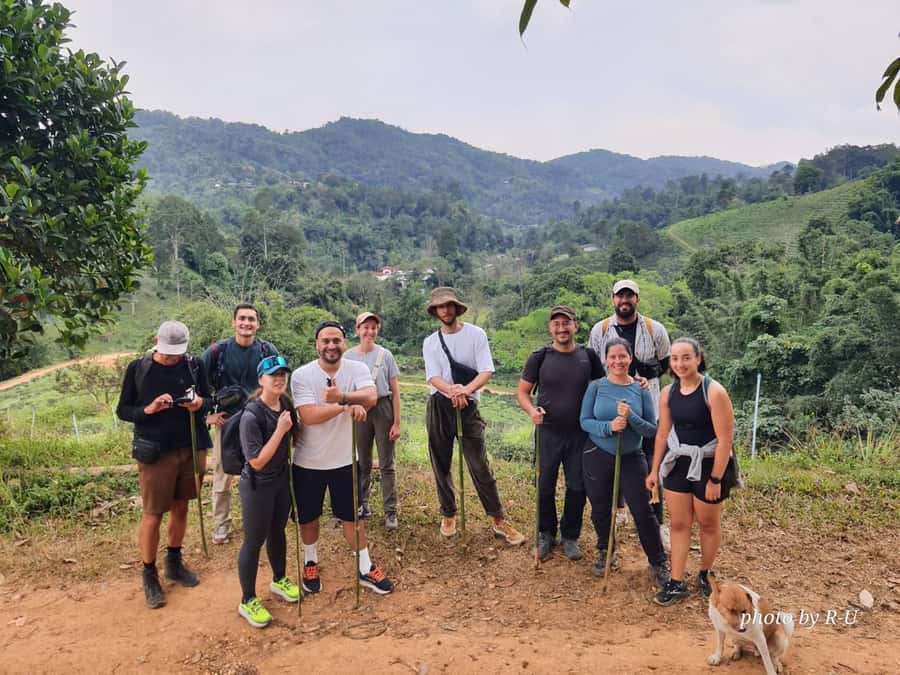
- Bamboo cooking and cutting skills: learn to make bamboo cups and chopsticks and use them for lunch
- Waterfall swim + hot spring pools: cool down in the jungle, then warm up in hot water
- Knife/machete survival-style lessons: practical forest tools and how people use resources
- Hill-tribe village visits with real people: Lesu, Chinese, Akha, and Lahu village culture stops
- Small group feel (up to 10): English guide, more time for questions than big tours
- Village homestay overnight: sleep like locals, not like a hotel
A 2-day jungle trek with waterfalls: what the pace really means
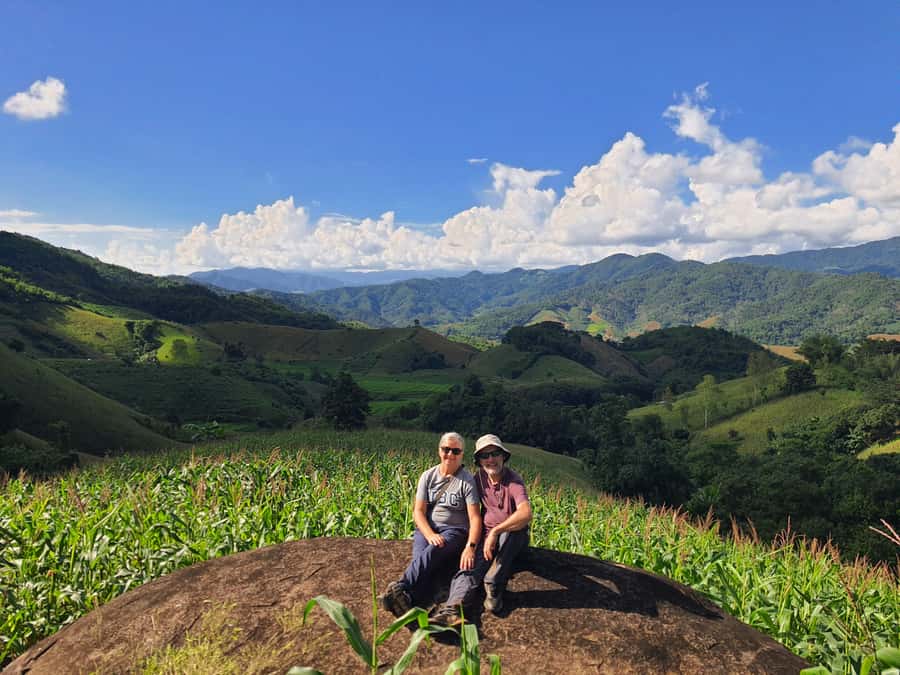
This is not a stroll. Expect about 10 km of walking each day, plus some climbs and uneven terrain. The operator labels it moderate, and that matches what you’ll feel on the ground: long enough to work up a sweat, short enough that the guide can adjust pace when needed.
The “waterfall” part is real in the itinerary, not just marketing—there’s a waterfall break on Day 1 where you can swim if conditions allow. Then, on Day 2, you’re in the mountains again before reaching a hot spa pool. Think of it as a two-day rhythm: walk, learn, stop for nature, then recover with water and food.
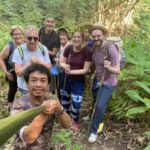
Small group size (up to 10) matters here. With a group that small, the guide can slow down for steep sections and keep everyone together, especially since there’s also hands-on activity (bamboo carving, cooking) that takes time.
You can also read our reviews of more tours and experiences in Chiang Rai.
Day 1 start: pickup, hot spring, and learning to read the jungle
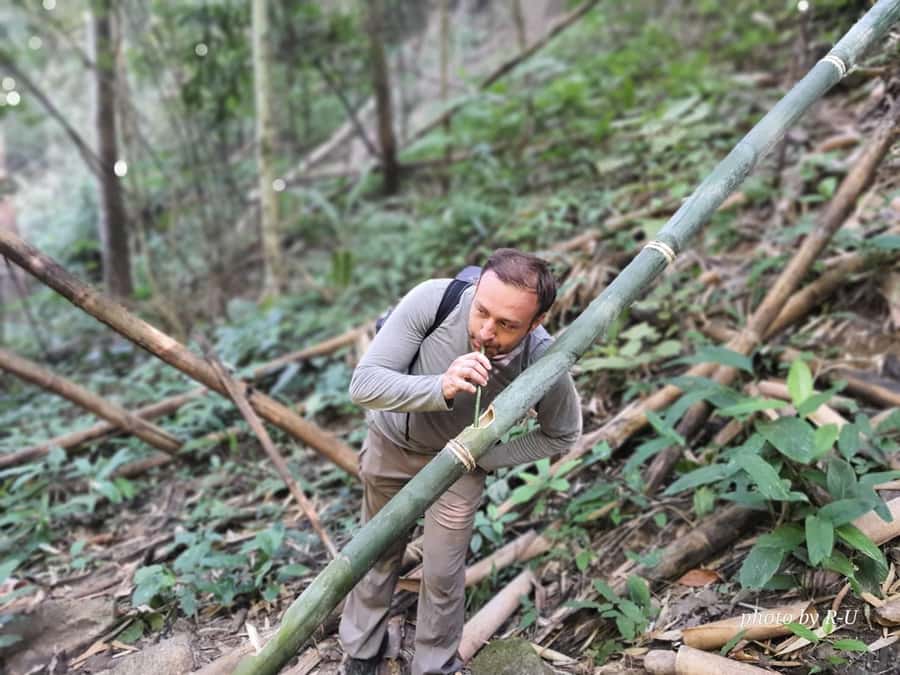
Your day starts with hotel pickup in downtown Chiang Rai within 3 km. You’ll wait in the lobby between 9:00 and 9:30 a.m. so the timing works smoothly. This is helpful because trekking days are always calmer when you’re not scrambling to meet transport.
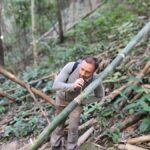
The morning begins with a drive to the hot spring, then trekking through the jungle right away. You’re not dropped into the forest and left to guess. You carry a traditional long-bladed jungle knife/machete, and you learn how it ties into survival skills and using natural resources.
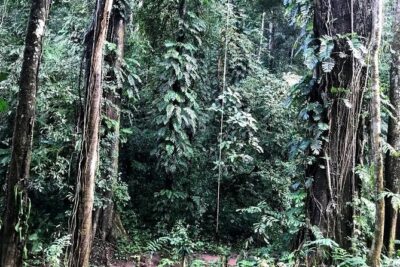
This is one of the most distinctive parts of the tour: you’re learning tool logic, not just taking photos. You’ll also get facts about local flora and fauna along the trail. Even if you’re not a “plants nerd,” it changes the walk—suddenly you notice what’s edible, what’s useful, and what to leave alone.
Day 1 also includes a clear culture sequence. You’ll stop at the Lesu village for lunch, then move on toward a Chinese village area with a tea plantation and waterfall nearby. It’s a good pacing design: food early, then a nature break, then village overnight.
Lesu village lunch: a comfortable mid-trek reset
Lunch in the Lesu village gives you a reset point that feels more than functional. You’re already using your body on the trek, so having a village meal right in the middle keeps energy steady for the afternoon.
The village stop also tends to be where you’ll get more of the “how people live here” context. The tour is built around learning village culture, and this first village gives you a baseline before you compare it with the next ones you visit.
Expect something more home-style than restaurant-style. One guest specifically praised the meal quality and highlighted how interesting it was to see the food preparation. That fits the general tone of this trek: you’re meant to understand the processes, not just consume the final result.
Tea plantations and the waterfall swim break
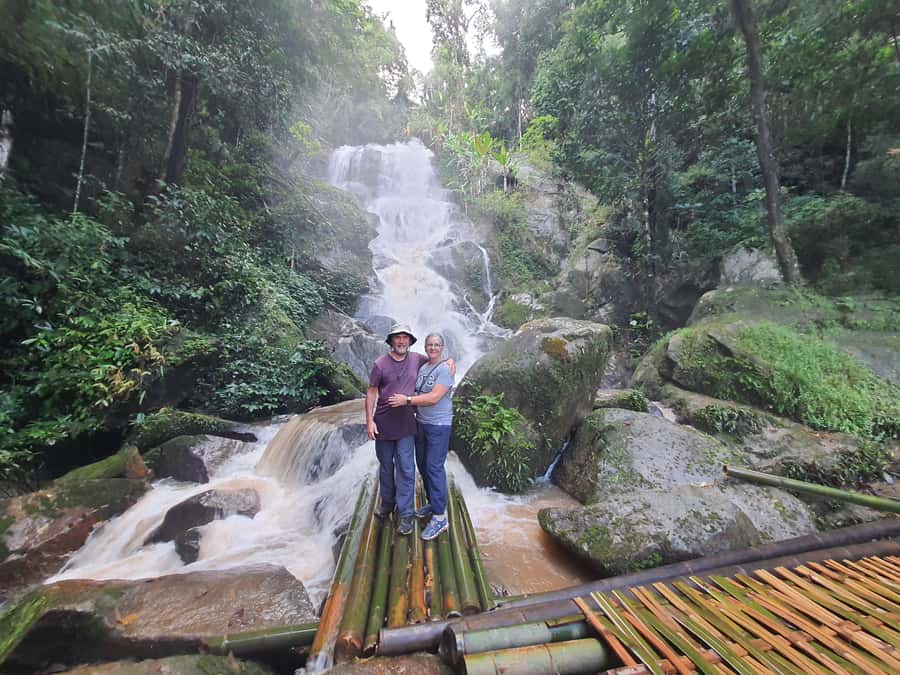
After Lesu village lunch, you walk toward the Chinese village with a large tea plantation and a waterfall. This is where the scenery turns from “forest walk” into “scene change,” with water and agriculture in the same day.
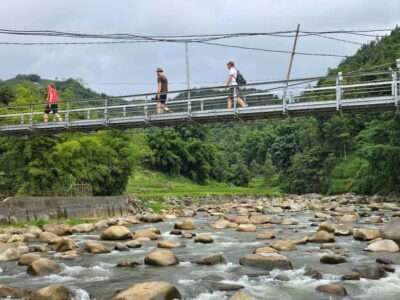
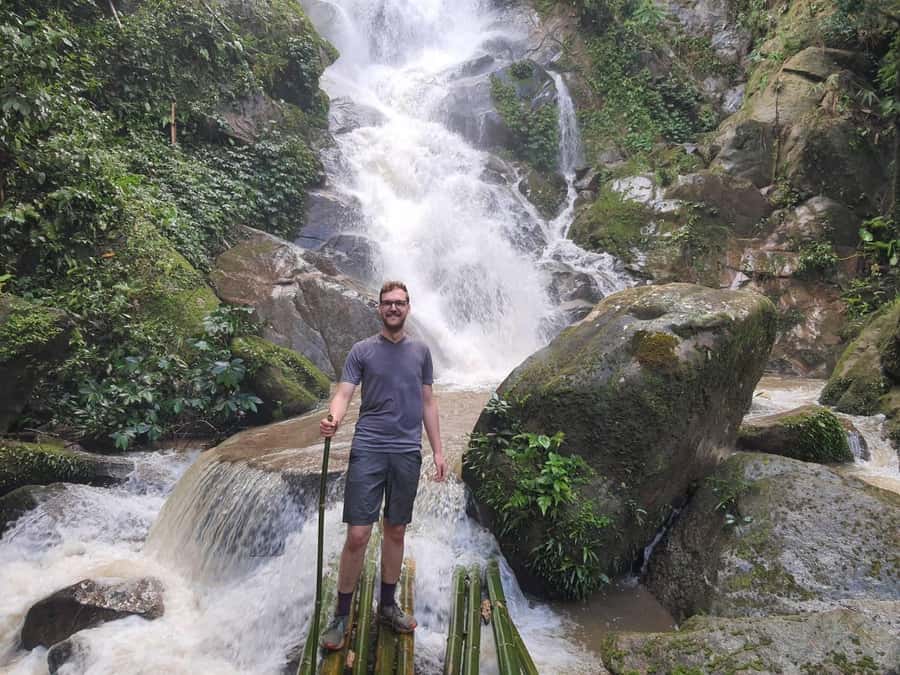
Then comes the waterfall break. It’s the kind of stop you’ll appreciate if you’re sweating and your legs need a reset. The trip is advertised as including a waterfall swim, and in practice, that seems to be a common highlight.
Still, be smart about expectations. Jungle conditions change. One earlier guest said their cascade was small and swimming wasn’t possible at their time, while other guests describe swims and refreshing breaks. Plan to enjoy the stop even if the water level or footing isn’t perfect that day.
If you want to maximize comfort, bring the exact items the operator recommends: swimwear, a towel, and a quick change of clothes. The trek includes hands-on activities, so having a dry layer when you return to walking again makes a big difference.
Akha overnight: bamboo-house sleep and why it matters
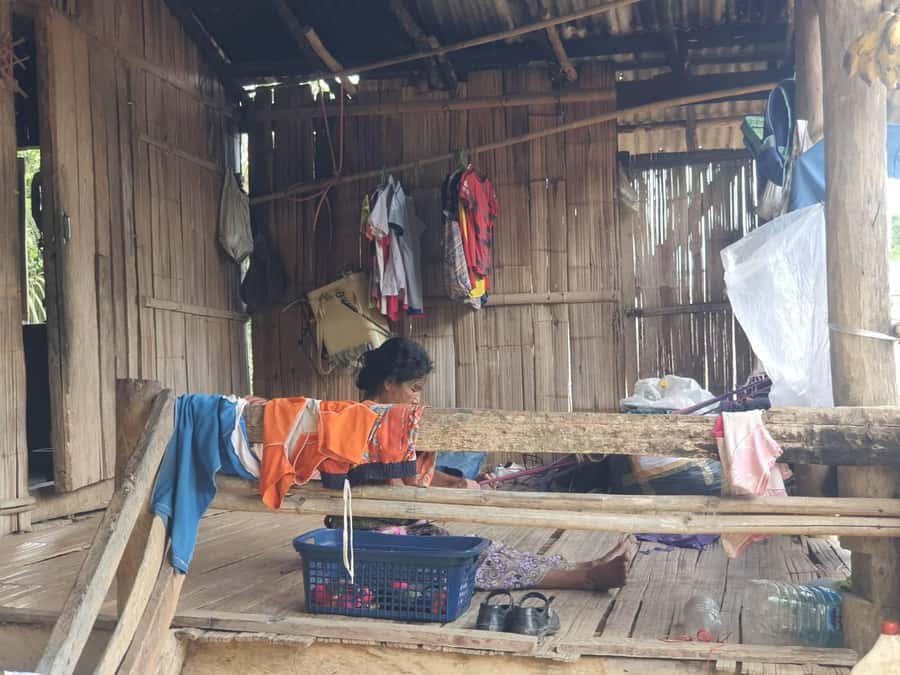
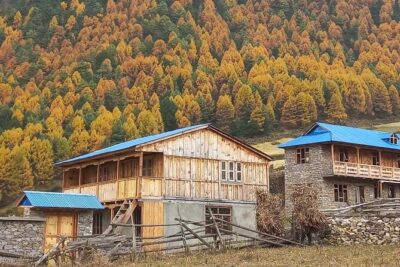
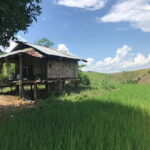
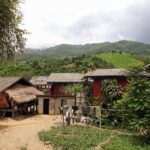
You’ll trek onward to the Akha village for overnight accommodation. This is where the tour becomes more than an activity—it becomes a local homestay experience.
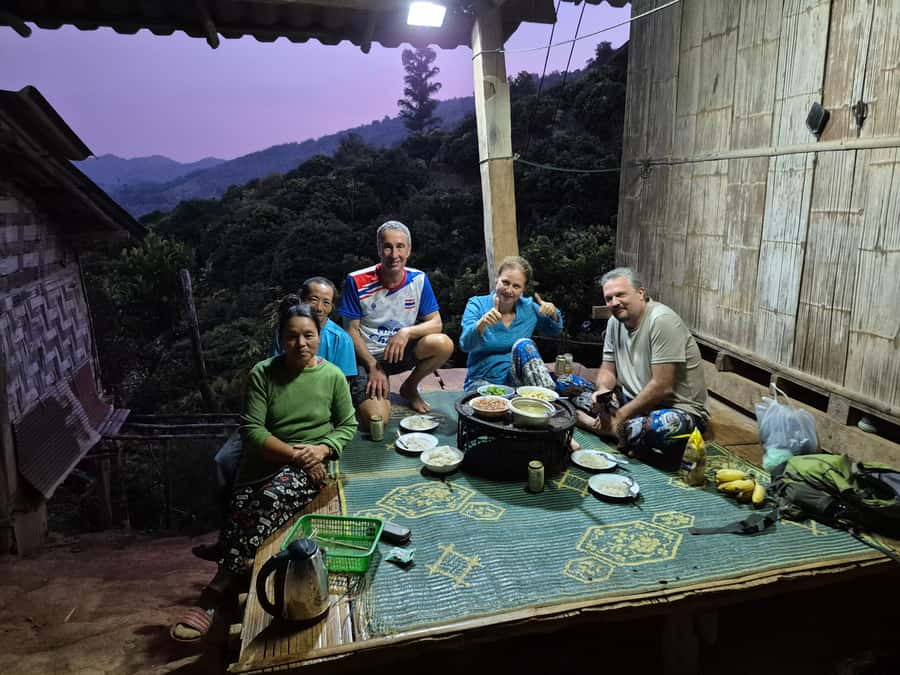
Sleep arrangements are basic. Beds can feel unfamiliar. One guest noted thin mats on a bamboo floor. That’s not a deal-breaker, but it is good information: if you’re sensitive to sleeping conditions, you’ll want to be mentally ready.
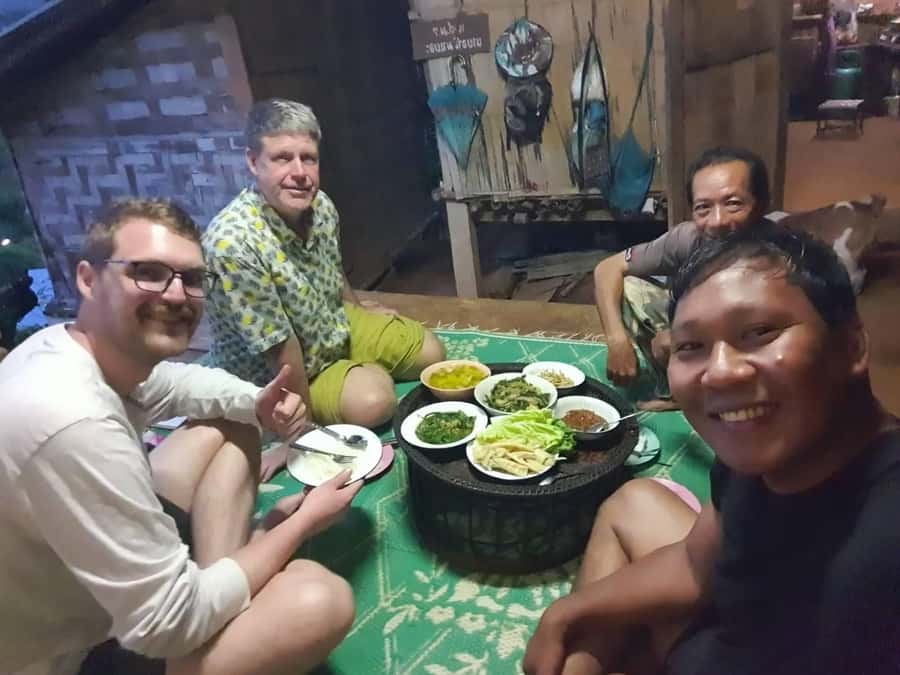
The upside is the authenticity. You’re not just passing through villages for a photo stop. You’re staying with a family. One guest described a memorable evening that included an authentic Thai dinner and time with local children, plus music, dancing, smiles, and laughter. Even without copying that exact scenario, the structure is clear: the homestay is part of the cultural exchange, not just a bed for the night.
Also, village stays come with respectful rules. You’ll be told what not to do, including no littering, no smoking, no making fire, and no touching plants. Following that guide makes the experience smoother for everyone.
Day 2 jungle cooking: bamboo cups, chopsticks, and lunch in your hands
Day 2 begins with leaving the village and trekking again through the jungle. The route shifts from “afternoon village hopping” into “second-day skills.” The main theme is bamboo crafting and cooking.
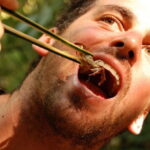
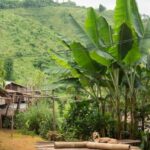
You’ll cut bamboo cups and chopsticks, then cook lunch in bamboo. This isn’t just a neat demo. It’s hands-on work tied to the food you’ll eat. It’s also a practical survival concept: when you have limited tools, bamboo becomes both kitchenware and cooking support.
This is a top-rated part of the experience. Multiple past guests specifically praised bamboo carving and bamboo cooking, and they described the food as delicious and memorable. One guest also mentioned the guide adjusting the route to fitness levels, which matters because bamboo-crafting time can otherwise feel rushed if the walking pace is too aggressive.
If you enjoy doing something physical with purpose, this segment is one of the main reasons the trek earns a high rating. You’ll come away remembering actions, not just locations.
Lahu village and the mountains: moving deeper into the region
After lunch, you trek toward the Lahu Village, described as being in the middle of high mountains. This is a change in environment and effort. By Day 2, your legs are already warm from the first day, but the terrain can still feel more “mountain” than “flat forest path.”
What makes this stop valuable is the sequence. You’ve seen Lesu, then a Chinese village area, then Akha overnight, and now Lahu. That contrast helps you understand that hill tribes aren’t one single culture—they’re separate communities with their own way of life.
Because the tour includes cultural learning as an explicit goal, your guide should help connect what you see to how people use resources and organize daily life. One guest highlighted that their guide was excellent at explaining the jungle plants and local traditions along the route, including bush-skill moments during stops. If you’re a question person, this is when you’ll get your best answers.
Pasoet hot spring: a warm finish after the second trek
The final major activity is reaching Pasoet Hot Spring, where you can swim in a hot spa pool. This is your recovery reward. After two days of walking, warm water is a huge payoff, especially if your muscles are tired.
One practical detail: tickets for the hot spring swimming pool cost 100 Baht and are not included. So plan for that expense when budgeting.
As you approach, the day becomes simpler: walk, arrive, then soak. This last stop is also the easiest place to let the tour’s learning land. When you’re relaxed, you’re more likely to remember what your guide explained about plants, tools, and survival skills.
Then you drive back to Chiang Rai and return to your pickup meeting point.
Price and value: where your $122 goes
At about $122 per person for 2 days, the price looks fair when you break down what’s included. You get hotel pickup and drop-off, a trolling guide in English, overnight accommodation in the Akha village, drinking water, and insurance.
You also get a meaningful chunk of the day covered with food:
- Lunch Day 1 (included)
- Dinner Day 1 (included)
- Breakfast Day 2 (included)
- Lunch Day 2 (included)
That’s four meals included, and for a trekking experience that includes hands-on cooking in bamboo, it reduces the hassle of planning meals or hunting for a restaurant in remote areas.
The main “extra” to account for is the hot spring pool ticket at 100 Baht, plus personal spending and any soft drinks or alcohol (not included). If you’re coming from Chiang Rai already fed and stocked, you’ll likely find the tour cost straightforward and not nickel-and-dime.
Where the trek earns its value most is in guide quality and effort. Names from past groups—Mo, RU, and Ayu—came up as standout guides tied to cooking skills, jungle knowledge, and keeping the experience comfortable. With a max group size of 10, that guidance is the difference between a generic trek and a trip you remember for the right reasons.
Who this trek fits best (and who should skip)
This tour is best for people who want active learning outdoors, not just a “pretty nature walk.” If you like making and using things—bamboo cups, chopsticks, jungle-food cooking—this is very aligned with that.
It’s also a good choice if you like culture stops that feel integrated, including village meals and a village overnight. Staying with locals changes the emotional pace of the trip. You’ll feel it.
But it’s not for everyone. It’s not suitable for:
- pregnant women
- people with back problems
- people with heart problems
- wheelchair users
- babies under 1 year
- people over 70 years
Also note the “moderate activity” level and walking distance. If you’re currently living a sedentary routine, plan to build a bit of stamina before you go.
Weather matters too. Bring sun protection and prepare for changing conditions in the mountains. That’s why the packing list is practical: hat, sunscreen, insect repellent, and comfortable trekking shoes.
What to bring (so you don’t suffer for no reason)
The tour’s own packing guidance is solid. I’d follow it closely:
- comfortable trekking shoes
- hat and sunscreen
- swimwear and a towel for the waterfall and hot spring
- change of clothes
- insect repellent
- water and reusable water bottle
- camera
- snacks (optional, but useful)
- torchlight-level mindset: you’re in nature, so bring what keeps you comfortable
A small tip that’s worth listening to: carry water consistently. The tour provides drinking water, but you still feel better if you can sip when you need to—especially on a day with bamboo crafting and a second-day climb.
Also, respect the rules around the environment: no touching plants, no littering, and no making fire. Those are easy ways to keep the trip ethical and safe.
Should you book the Chiang Rai 2-Day Jungle Trek?
Book it if you want a hands-on jungle experience with practical survival-style lessons, bamboo cooking that you actually do, and a village overnight that goes beyond a quick photo stop. The small group size (up to 10) plus strong English-guided instruction is a real advantage if you like learning while you walk.
Skip or choose a gentler option if you’re looking for easy hiking, guaranteed waterfall swimming, or hotel-comfort bedding every night. The walking distance is real, the terrain can be demanding, and the homestay sleep setup is basic by design.
If you’re okay with that trade-off, you’ll likely feel you got value for your time: enough nature, enough culture, and enough “I made that” moments to make it stick.
FAQ
What language is the tour guide?
The tour uses an English live tour guide.
How long is the trek, and how much walking should I expect?
It’s a 2-day trek with about 10 kilometers of walking each day, plus some elevation and moderate physical activity.
Are meals included?
Yes. Four meals are included: lunch on Day 1, dinner on Day 1, breakfast on Day 2, and lunch on Day 2.
Are hot spring swimming tickets included?
No. Hot spring swimming pool tickets cost 100 Baht and are not included.
What’s the group size?
It’s a small group limited to 10 participants.
What should I bring for the trek?
Bring comfortable shoes, a hat, swimwear, a change of clothes, a towel, sunscreen, insect repellent, camera, snacks, and water (plus a reusable water bottle if you have one).