REVIEW · CHIANG RAI
Akha & Lahu village trekking 1 day
Book on GetYourGuide →Operated by บริษัท ทัวริสต์ อินฟอร์เมชั่น เซ็นเตอร์ จำกัด · Bookable on GetYourGuide
Bamboo, jungle, and hill-tribe life in one day. This is a private day of trekking with Akha families, plus a stop at a nearby Lahu village, so you see real routines instead of a quick photo stop.
I love the hands-on bamboo meal—cooked with bamboo sticks—and I also like how the day mixes walking with practical nature talk, from bamboo uses to plants your guide points out like coffee, cocoa, lemon, and lemongrass. You’ll also get coffee and tea in the morning, then a proper lunch later when the smell of smoke and bamboo takes over.
One thing to plan for: the trek includes some tougher sections, and not every viewpoint delivers a dramatic valley panorama. If you’re prone to slipping, pack good shoes and accept that you’re walking in real jungle terrain, not a theme-park path.
In This Review
- Key highlights at a glance
- One-Day Akha and Lahu Trek: Chiang Rai’s small-time reality check
- Morning setup: what to bring and what to expect early on
- Meeting your guide on the trail: Acha and the talk you actually remember
- Trekking routes: bamboo forest walking plus farm edges
- Waterfall stop: cooling off with Mae Sai in mind
- Bamboo cooking lunch: the meal is the main event
- Akha village time: customs, daily routines, and real warmth
- Lahu village stop: short visit, honest moments
- Temple entrance: a possible extra cost to plan for
- Price and value: is $87 worth a one-day private trek?
- Who should book this trek (and who should skip it)
- Should you book the Akha and Lahu one-day trekking day?
- FAQ
- How long is the Akha & Lahu village trekking experience?
- What does the price include?
- Is the temple entrance fee included?
- Is this a private tour?
- Which languages are available?
- Does the tour visit both Akha and Lahu villages?
- Is the trekking difficult?
- Is there time at a waterfall?
- Is there a cancellation option?
- Can I pay later?
Key highlights at a glance
- Private trekking with an Akha family for a more respectful, less rushed feel
- Akha + Lahu villages in one day so you compare two hill-tribe ways of life
- Bamboo cooking lunch using bamboo sticks, plus water and morning coffee/tea
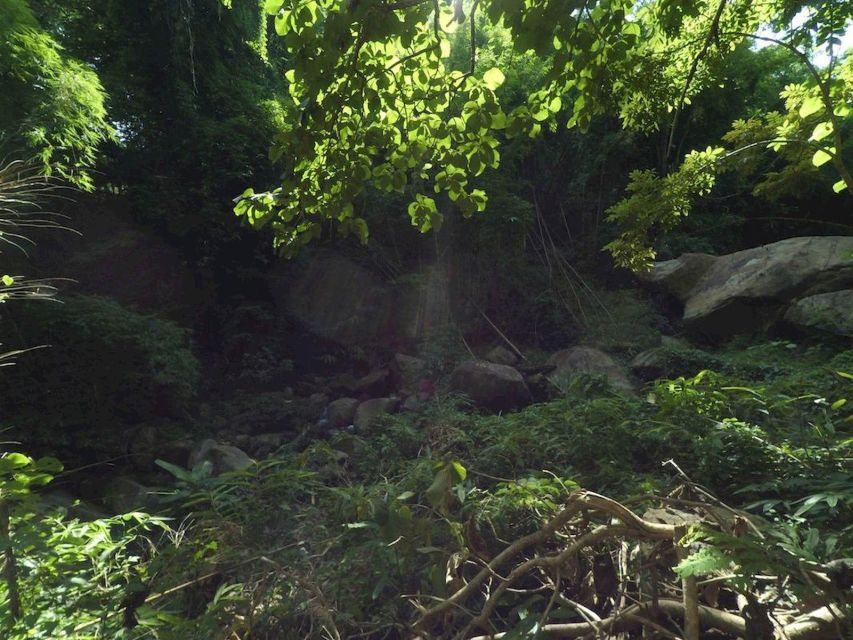
- Bamboo forest walking and plant spotting with guide explanations you can actually use
- Waterfall time with an option to cool off (bring swimwear if you want)
- Rice fields and pineapple plantations around the village area as part of the scenery
One-Day Akha and Lahu Trek: Chiang Rai’s small-time reality check
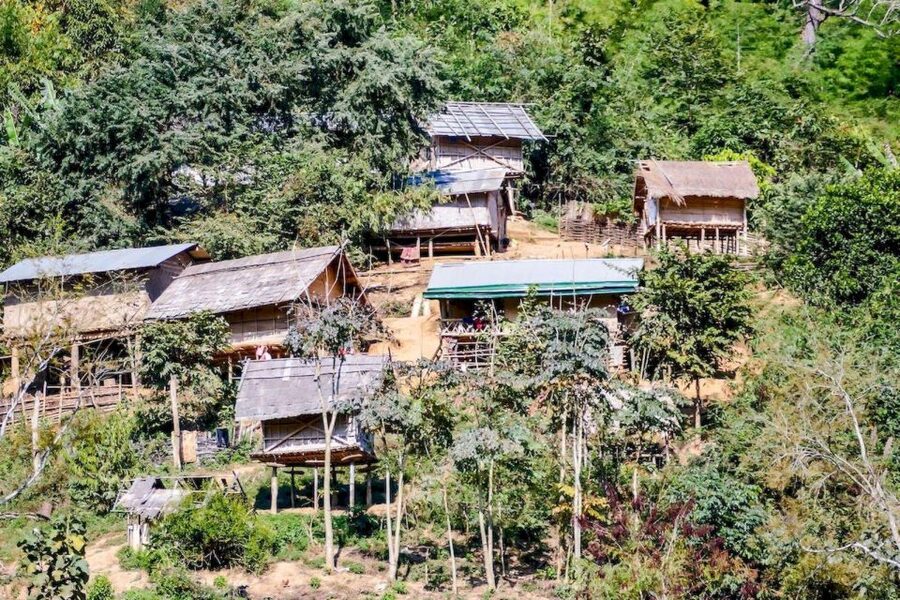
Chiang Rai is full of big-day tours. This one is different because it’s built around a village day—trekking through jungle and farm edges, then spending time with Akha and later Lahu community members. It’s the kind of experience where you learn to notice daily details: how food is prepared, how people move through their surroundings, and what plants matter where they live.
The focus is also on keeping the visit more grounded. The village you go to is described as preserved from mass tourism, and the vibe you get is warm and conversational rather than staged. If you want the northern Thailand hill-tribe story told by people living it, this format does that better than a stop-and-go schedule.
You can also read our reviews of more tours and experiences in Chiang Rai.
Morning setup: what to bring and what to expect early on
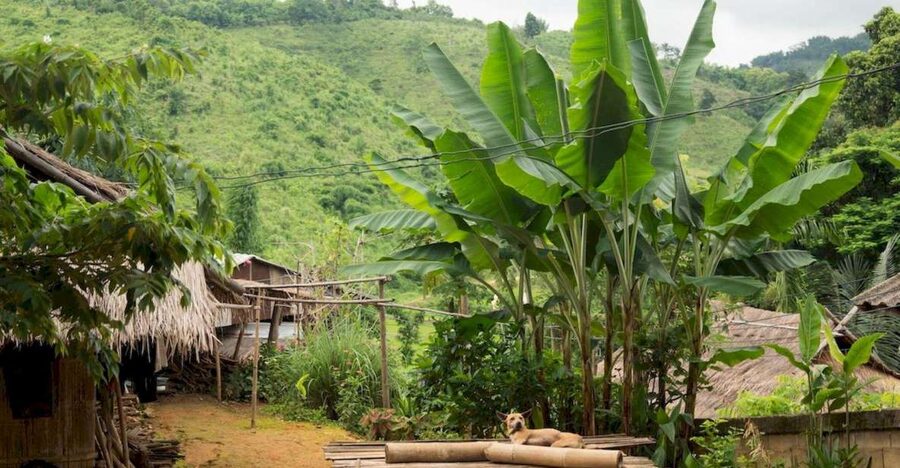
You start with coffee and tea in the morning, which is a nice touch before you start walking. Then you’ll hit the trail with water included, and you’ll likely spend the morning moving through a mix of bamboo areas, jungle paths, and farmland edges around the village area.
Pack like you’re going hiking, not sightseeing. The trek has sections that can feel challenging, especially if you’re not used to uneven ground. Bring shoes with grip and expect some damp patches—jungle trails have a way of keeping things slippery longer than you’d think.
Also consider swimwear. One guide-led day includes time at a waterfall, and there’s an easy chance to cool off if you want. If you hate changing clothes in public, at least bring something you can rinse and dry quickly.
Meeting your guide on the trail: Acha and the talk you actually remember
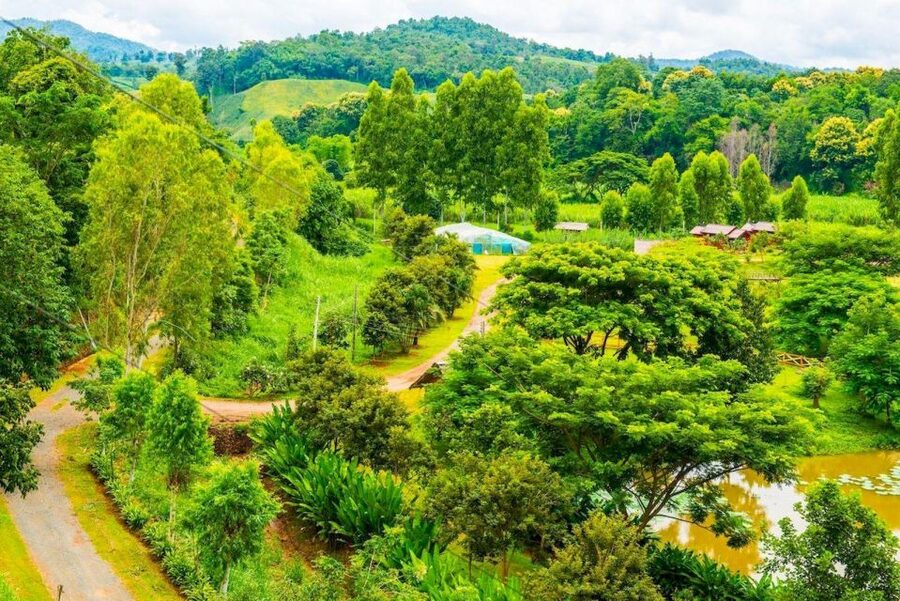
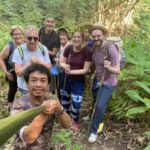
A key part of this experience is your guide, and the name that shows up again and again is Acha (also written as Achra in some notes). He’s described as kind, professional, and genuinely invested in explaining what you’re seeing.
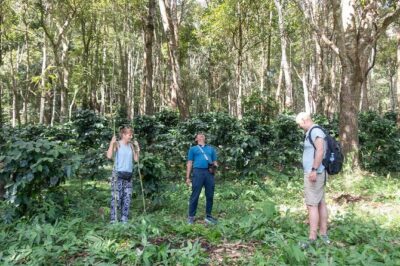
What I like about this style is that it’s not random storytelling. You get bamboo explanations tied to real uses—why the plant shows up everywhere in everyday life, not just as a cute photo prop. You also learn to identify other growing things the trail passes, including fruit and useful plants like coffee, cocoa, lemon, lemongrass, and more.
That kind of guide talk changes how you walk. You stop treating the trail like a workout route and start treating it like a living classroom. It’s also a helpful reminder that “culture” here isn’t a museum display—it’s daily problem-solving using what’s around you.
Trekking routes: bamboo forest walking plus farm edges
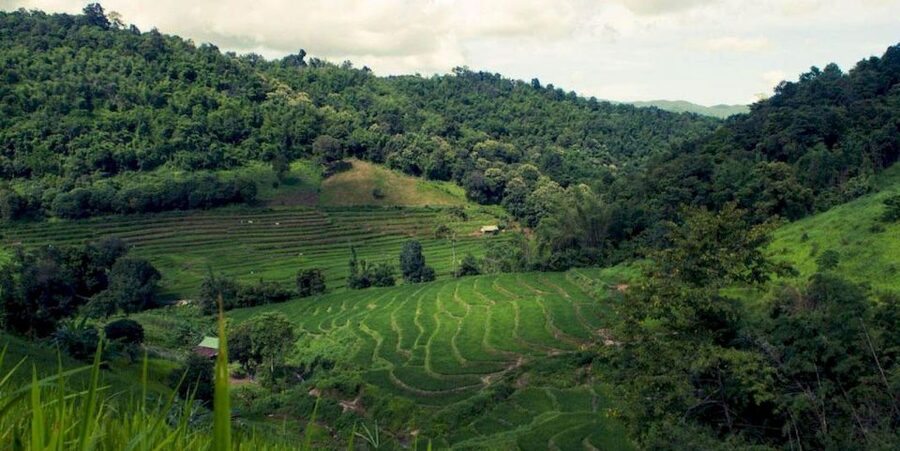
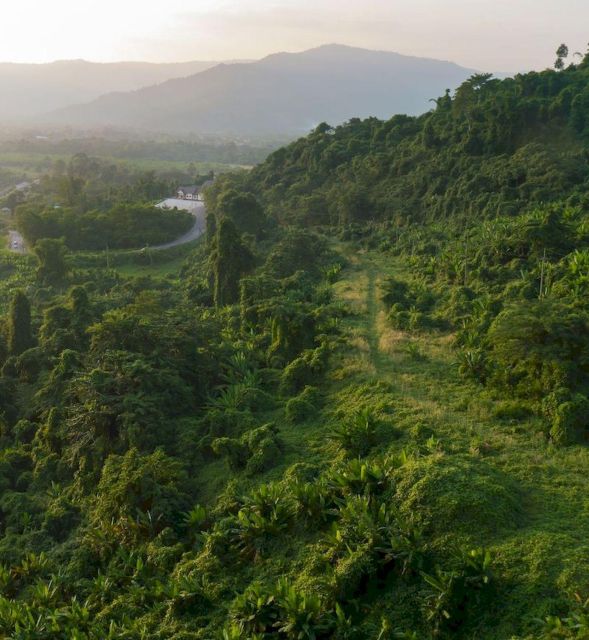
This is a one-day trek, so the trail rhythm matters. You’ll spend time hiking through bamboo forest, and you’ll also move through areas connected to village agriculture—rice fields and pineapple plantations show up around the community.
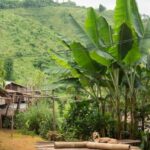
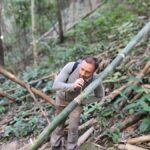
The bamboo forest walking is a highlight for many people because it feels different from normal jungle trails. Bamboo is dense and practical at the same time: it can create shaded paths, narrower routes, and a soundscape that feels calmer than open forest. When your guide points out bamboo details, the walk becomes more than just “trees”—it becomes “this plant does X, supports Y, and feeds Z.”
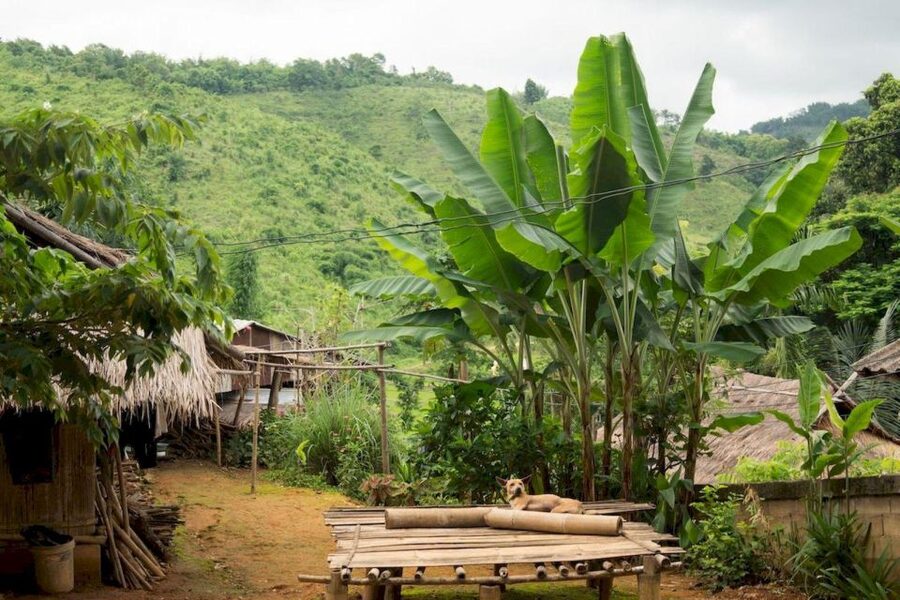
Then you transition to farmland edges. That’s where the scenery turns into a working landscape of rice and pineapple. Even if you’re not a farm person, it helps you understand why the village is located where it is—and why the surrounding vegetation isn’t just scenic; it’s part of survival.
Waterfall stop: cooling off with Mae Sai in mind
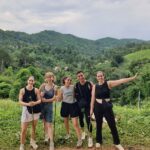
The day includes time to explore waterfalls. One standout note ties this to Mae Sai waterfall, and the practical advice is simple: bring swim clothes if you want to cool down. This makes sense because waterfall visits are usually where the temperature drops a little and where people feel tempted to jump in.
A waterfall stop also gives you a break from steady hiking. You get a change of pace: walking, then standing still and taking in the sound and mist, then heading back. That rhythm matters in a one-day itinerary. It keeps the day from turning into one long grind, even though some trekking sections can be demanding.
Bamboo cooking lunch: the meal is the main event
Lunch is included, and it’s not just lunch in the generic sense. The day features bamboo cooking—food prepared using bamboo sticks—and it’s the part most people remember. You’ll get lunch after trekking, and the bamboo meal is described as delicious and unique.
Here’s why this matters for you, not just for photos: bamboo cooking is an example of local resource use. Bamboo isn’t treated like a souvenir. It’s treated like cookware. When you eat a meal like that, you understand the logic behind it: heat handling, ease of transport, and how ingredients stay close to the village’s daily rhythm.
Expect it to feel like a shared family moment, not a factory operation. The best versions of this experience feel personal—your guide and hosts explain what you’re eating and tie it back to the jungle around you.
Akha village time: customs, daily routines, and real warmth
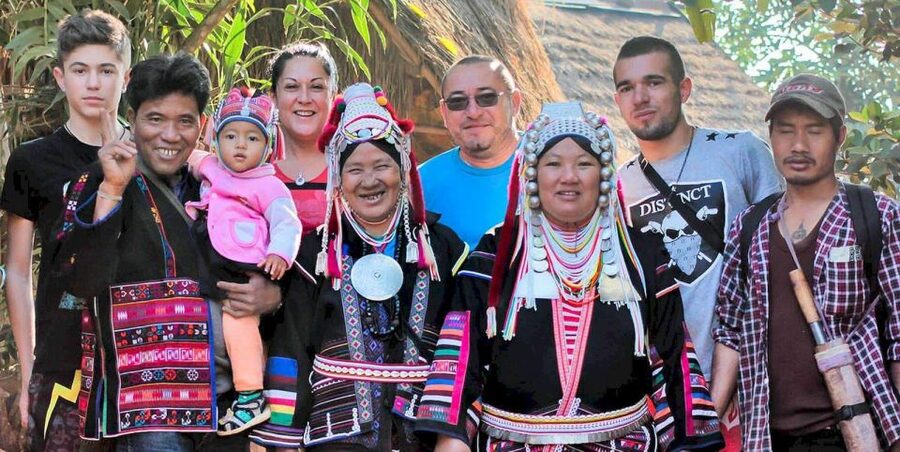
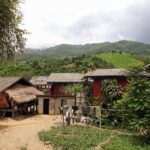
The Akha village component is the cultural heart of the day. You’re not there for a scripted performance. Instead, you spend time in the village area and learn about customs and daily life through your guide’s explanations and the way people interact.
This is also where you get the practical side of “tribe culture” that tourists often miss. You see how the environment shapes what people do—what grows, what gets used, and how food preparation fits into the broader day. When your guide shares customs alongside plant and terrain talk, it connects the dots between what you’re walking through and how village life works.
The tone from hosts is described as cheerful and welcoming. That matters, because you don’t want a day where you feel like an observer. Here you’re invited into conversation, and it helps you feel like you’re learning alongside people rather than watching from a distance.
Lahu village stop: short visit, honest moments
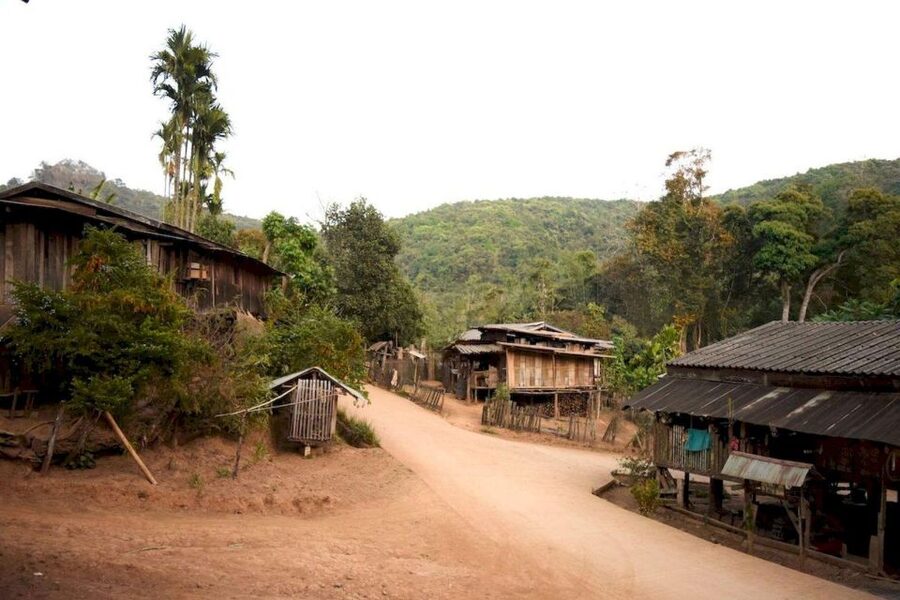
On the return journey, you visit a neighboring village belonging to the Lahu hill tribe. This is an important contrast point. You’ll see a second community, not just one village “package.” Even a short visit can help you appreciate differences in daily life, clothing, and interaction styles.
There’s also a small practical caution. One note mentions feeling a bit pressured to buy a handmade pouch from someone who welcomed the group. That doesn’t mean you’ll have the same experience, but it’s a useful reminder: if you’re not in the mood for shopping, be polite and firm, then keep your focus on the conversation and the surroundings.
If you do want a small souvenir, set yourself a budget in advance. It keeps the visit fun instead of awkward.
Temple entrance: a possible extra cost to plan for
One item is listed as not included: the entrance fee at the temple. That means you may need to pay a small additional amount depending on what’s visited that day. Keep some cash handy, just in case.
It’s also smart to treat any temple visit with normal respect: dress appropriately for the occasion and keep your pace steady. Even if this isn’t the main highlight of the day for you, it’s part of the broader cultural picture.
Price and value: is $87 worth a one-day private trek?
$87 per person sounds like a chunk, but for what you get, it can feel fair—especially because it’s private trekking and includes key food and drinks. You get:
- a full day of trekking in village-adjacent jungle and farmland areas
- a guide who explains bamboo and plants in context
- lunch (bamboo meals) plus water
- coffee and tea in the morning
- visits tied to both Akha and Lahu communities
In practical terms, you’re paying for time with a guide and family-run access. Private trekking usually costs more than group tours because the pacing and attention are tailored to your group and you’re not sharing the day with too many other people.
The only extra cost flagged is temple entrance, so you aren’t hit with a long list of surprise fees. If you like thoughtful guide-led days and you prefer villages where you can talk and walk instead of just look, this price starts to make sense.
Who should book this trek (and who should skip it)
This tour fits best if you:
- have just one day and want real hill-tribe village time
- like guided nature talk, especially bamboo and plant spotting
- want a day that includes walking, cooking, and community interaction
You might want to choose something else if you:
- need very easy walking the whole time, because the trek has some challenging sections
- hate the idea of any shopping pressure at village stops, even small ones
- expect valley-wide viewpoints as the main payoff, since some scenery won’t be dramatic valley panoramas all the time
Should you book the Akha and Lahu one-day trekking day?
Yes, if you want a compact day that blends trekking with meaningful village access and hands-on bamboo cooking. The best reason to book is simple: the day is built around daily life, not staged entertainment. Bamboo cooking lunch and the guide explanations (especially the Acha-style plant and bamboo talk) are the kind of details that stick.
Before you go, do two things: bring solid hiking shoes, and bring swimwear if you’re even mildly tempted by waterfall cooling. Then show up ready to listen and ask questions. When you do that, the day feels less like a checklist and more like a real conversation on a trail.
FAQ
How long is the Akha & Lahu village trekking experience?
It’s a one-day trekking experience.
What does the price include?
Lunch (bamboo meals), water, and coffee and tea in the morning are included.
Is the temple entrance fee included?
No. Entrance at the temple is not included.
Is this a private tour?
Yes, it’s described as private trekking.
Which languages are available?
English and Thai are listed.
Does the tour visit both Akha and Lahu villages?
Yes. You’ll explore the Akha village area and also visit a neighboring Lahu hill-tribe village on the return journey.
Is the trekking difficult?
Some sections can be challenging, so comfortable, grippy shoes matter.
Is there time at a waterfall?
Yes, the day includes time to explore waterfalls, and you may want swimwear if you want to cool off.
Is there a cancellation option?
The info says you can cancel up to 24 hours in advance for a full refund.
Can I pay later?
The tour listing information states reserve & pay later is available, meaning you can book your spot without paying immediately.