REVIEW · POKHARA
From Pokhara: 5-Day Mardi Himal Base Camp Trek
Book on GetYourGuide →Operated by Snow Peak Tours and Travels pvt. ltd. · Bookable on GetYourGuide
Mardi Himal feels close enough to touch. This 5-day trek from Pokhara is built for big Annapurna views and a quieter feel, with rhododendron forests and mountain villages along the way. The main drawback: it is physically demanding, so you’ll want solid fitness and warm layers for sudden cold at altitude.
What I really like is how the route gives you repeated payoff without making the days all grind. You start with a scenic drive to the Pitam Deurali area, then build from Low Camp to High Camp before pushing to Mardi Himal Base Camp for the best views. One consideration: food and comfort depend on the option you choose, and you may still want cash for extra teas and snacks.
The guide team matters here. People often rave about guides like Santosh (and, on some groups, Sun-Bahadur Nepali and Niva Nepali), because they help with pacing, trail choices, and the small things like keeping you fueled. If you hate cold hands or slow climbs, this trek can still feel like a lot—plan for it.
In This Review
- Key things that make this Mardi Himal trek worth your time
- From Pokhara to the first stepping stone: Pitam Deurali day-one vibe
- Low Camp to High Camp: rhododendron trails and the art of pacing
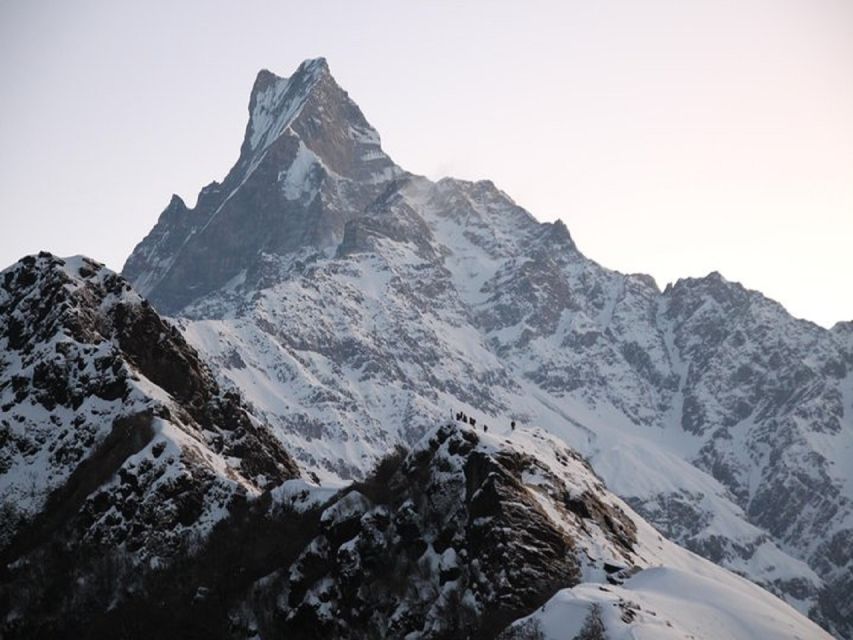
- Mardi Himal Base Camp day: sunrise payoff and Machapuchare closeness
- Lumre and the final descent: canyons, village energy, then back to Pokhara
- Guide support, permits, and what you’re really buying for $181
- What the daily schedule means for your body and your photos
- Gear and practical prep that make the difference
- Who this Mardi Himal trek suits best
- Should you book the Pokhara to Mardi Himal Base Camp trek?
- FAQ
- How long is the Mardi Himal Base Camp trek from Pokhara?
- What’s included in the tour price?
- Do I need permits for this trek?
- What languages does the live guide speak?
- When do I need to send my passport copy?
- Are meals included the entire trek?
- Can I hire a porter?
Key things that make this Mardi Himal trek worth your time
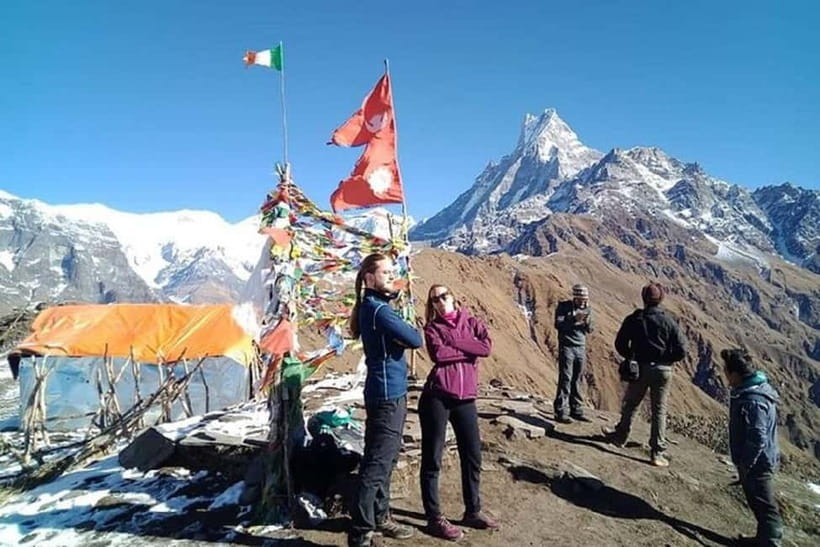
- Up-close views of Mardi Himal and Machapuchare on a short, 5-day schedule
- Rhododendron forests plus small settlements for variety, not just endless uphill
- Sunrise time with panoramic views over the Annapurna range
- A private-group feel with an English-speaking government-certified guide
- Tea house nights that keep the trip manageable without camping gear
- Real guidance beyond directions, including pacing help and on-trail decision support
From Pokhara to the first stepping stone: Pitam Deurali day-one vibe
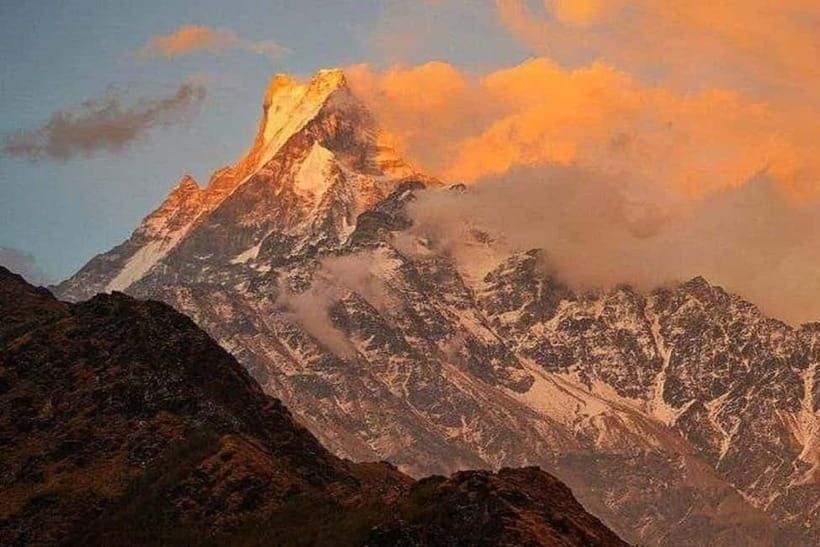
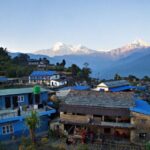
Day one starts with a scenic drive out of Pokhara, then you begin hiking through the kind of Himalayan scenery that makes you slow down without realizing it. Your route heads toward Kande, then continues on foot via areas like Australian Camp and Pothana before reaching Pitam Deurali.
Why this first day works: it eases you into altitude and walking rhythm. You’re not thrown into a steep summit push right away. Instead, you get time to read the weather, get your layers dialed, and understand how your body handles the climb.
What to expect at Pitam Deurali: you’ll have a view-point stop and guided time here before your overnight. It’s a good chance to take photos, but also to get your bearings fast—sun direction, wind, and the way the valley light changes can tell you a lot about the next mornings.
One realistic drawback: road time can be bumpy near the end of the day (this matters because it affects how fresh you’ll feel at the start of your hike the next morning). If you’re prone to motion sickness, you’ll want to plan for that.
You can also read our reviews of more tours and experiences in Pokhara.
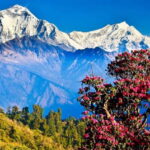
Low Camp to High Camp: rhododendron trails and the art of pacing
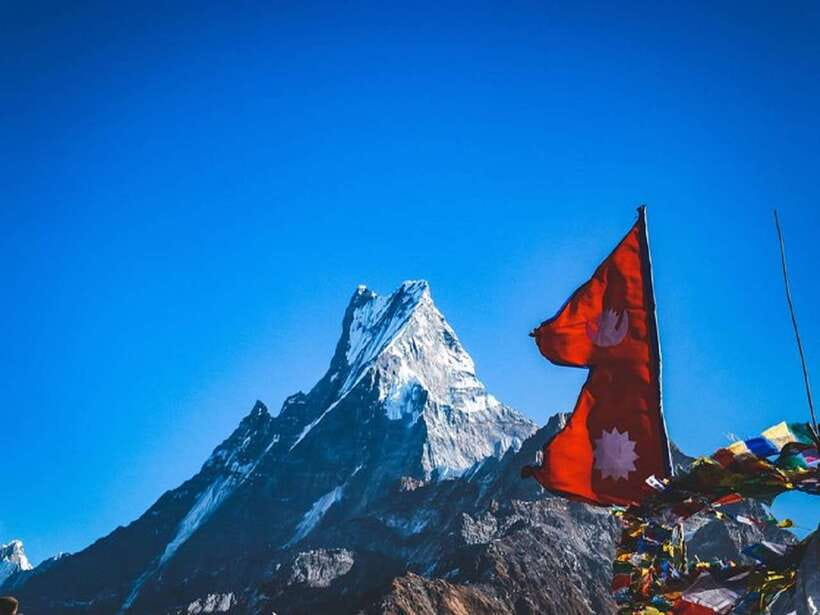
The heart of this trek is the middle stretch: Low Camp to High Camp. These days are where the Mardi Himal experience starts to feel unmistakably “about the mountains,” not about transit.
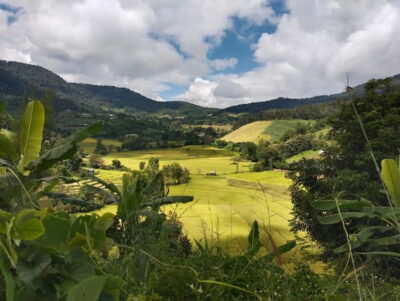
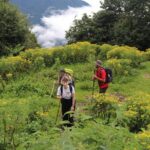
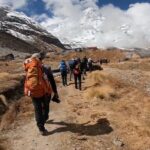
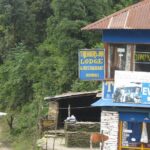
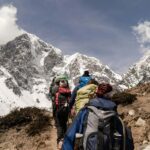
On the way to Low Camp, you’ll move through charming settlements and rhododendron forests, with a lunch break on the trail and an overnight stay at Low Camp. This combination is a big deal. Forested stretches soften the climb mentally, and villages remind you this is a living region, not a museum. Even if you’re mostly focused on views, you’ll feel the slow change in air, temperature, and how loud your own footsteps get as the path climbs.
Then comes High Camp. You start with breakfast and continue uphill, again with lunch en route. High Camp is the final settled area on this trek route, which means it’s both a milestone and a psychological boost. When you get there, you know you’re close to the base camp day—and you also know the cold is coming for real. Pack discipline matters here.
A practical note from real trekkers: many people find the first couple of days more challenging, while later days can feel lighter with more time to rest after your hike. That’s useful for how you plan your effort: go steady early, so you’re not wrecked when you’re aiming for sunrise and base camp views.
Mardi Himal Base Camp day: sunrise payoff and Machapuchare closeness
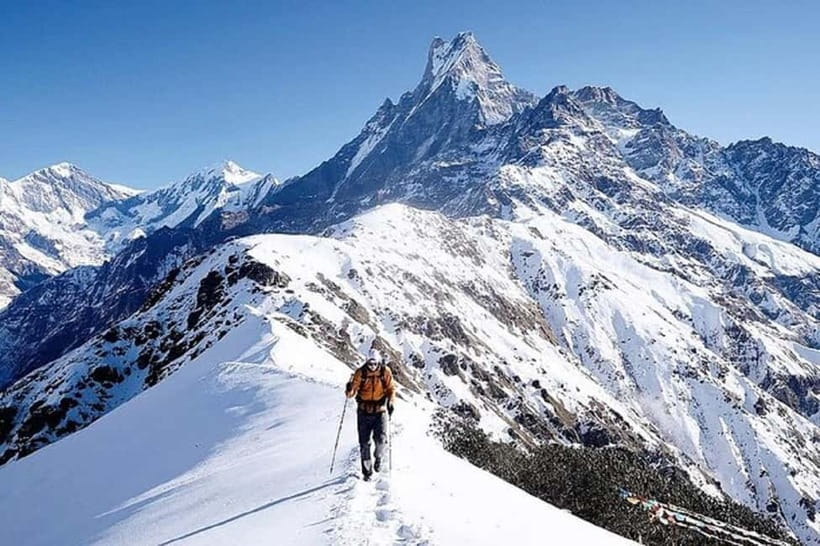
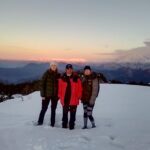
If you want the moment that justifies the trek, this is it. Day four is the Mardi Himal Base Camp push, followed by a return to Low Camp.
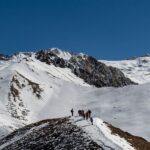
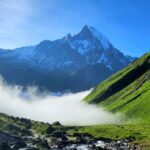
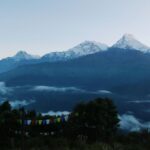
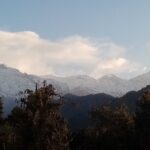
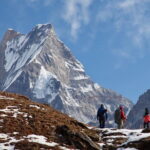
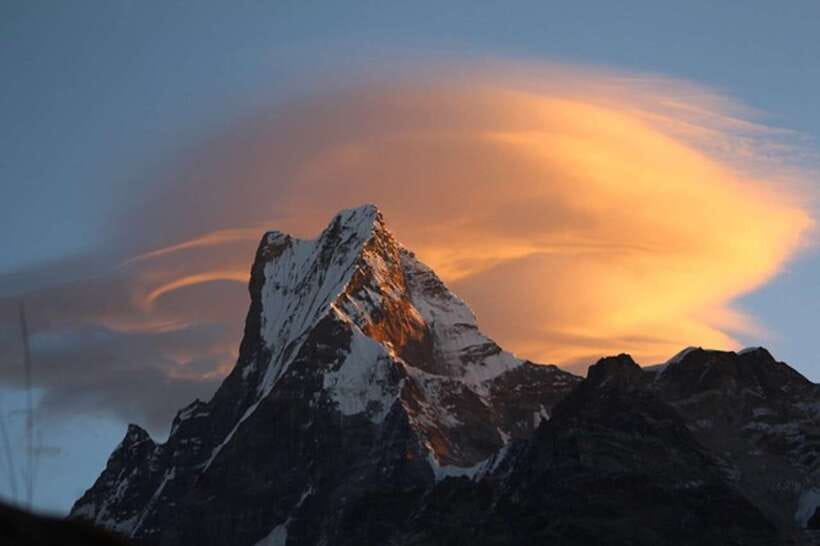
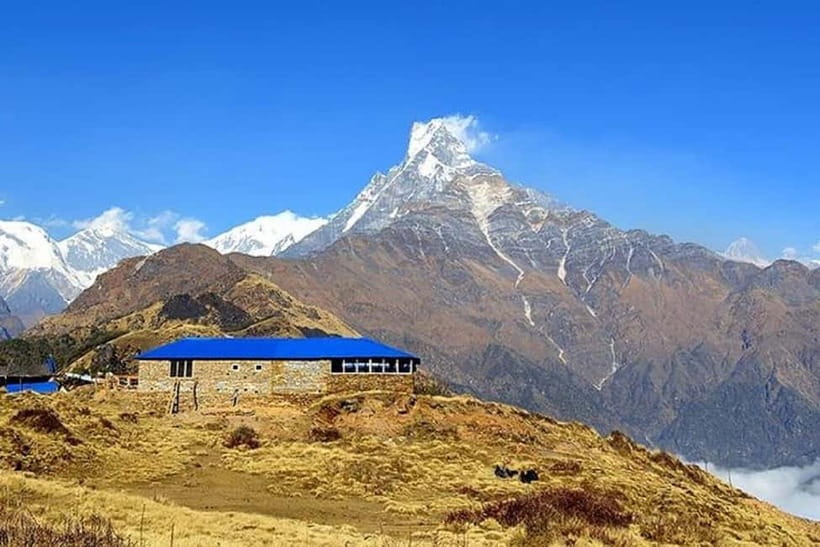
You’ll hike to base camp after breakfast, and you’ll get the panoramic view idea the region is famous for: wide Annapurna range sightlines and the kind of closeness to Mardi Himal and Machapuchare (Fishtail) that makes people stop asking for photos and start soaking in the reality.
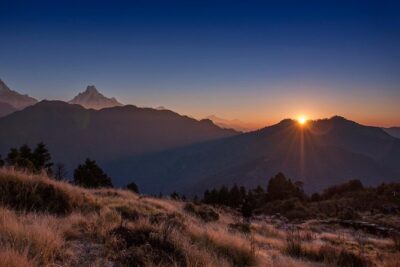
Sunrise is a big part of the base camp experience here. That means timing, layering, and staying aware matter more than on a casual day hike. You’ll want a warm jacket you can trust, plus a hat and gloves if you feel the cold easily.
How to make the day go well:
- Don’t treat it like a race. Even fit hikers often slow down near the top.
- Take breaks that are short and frequent instead of one long pause.
- Use your guide’s input on pacing and stop points so you’re not spending time in the wrong spot at the wrong moment.
The other advantage of doing base camp in a 5-day window: you don’t have to live out of a tent or gamble on long multi-day acclimatization. You get the big views, then you’re back to Low Camp for the night and a more relaxed descent the final day.
Lumre and the final descent: canyons, village energy, then back to Pokhara
Day five is your “wind down and return” day, and it’s a good one because it doesn’t end as a slog. You’ll descend toward Sidding for lunch, then continue hiking to Lumre, where your transport is waiting to take you back to Pokhara.
Along the way, you’ll pass areas like Lumre canyons and Lwang Ghalel. Even if you’re tired, the change in scenery helps you stay mentally engaged—plus the pace is usually manageable compared to the earlier climb.
This is also the day where a guide’s style shows. With the right team, you’ll finish the trek feeling like you had time to enjoy yourself, not just survive the schedule. Some guides go beyond the route plan by adding side moments when you finish early—like getting to a nearby village event space. That’s not guaranteed, but it’s the kind of extra care that makes a trek feel human.
Guide support, permits, and what you’re really buying for $181
Let’s talk value, because trekking pricing can be confusing.
This tour is listed at $181 per person for a 5-day trek, and what you’re really paying for is a package that covers more than just “someone walks with you.” Included are trekking permits and TIMS fees, tea house accommodation, and a government-certified English-speaking guide. You also get round-trip transport between your hotel/airport and the trek start, plus luggage storage in Pokhara so you’re not dragging everything on the trail.
That matters because trekking permits and local costs can add up quickly if you try to DIY. Also, a good guide does practical work: pacing, safety decisions, and on-trail guidance around conditions and timing.
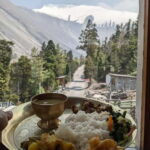
There’s one cost consideration to plan for: meals. The package says meals depend on the option selected. Real trekkers noted meals included may not always be the cheapest way to eat, and it can be better (for some budgets) to buy your own meals and snacks—especially because you’ll likely want hot tea breaks and easy extras without feeling locked into a fixed plan. If you do that, bring cash so you can move freely.
Another small but important point: porter service is optional at $20 per day. If you’re packing heavy or your knees aren’t happy, consider hiring one for downhill support. One review specifically praised guides and porters for taking day packs downhill when needed.
What the daily schedule means for your body and your photos
This trek is short, so each day needs to do its job.
- Days 1–2: more effort, more ramp-up. Expect the first days to feel harder.
- Day 3: a steep mindset shift. High Camp is a key checkpoint; it’s where cold and thin air start to feel more real.
- Day 4: the main visual mission. This is when you’ll want to protect your energy and keep your expectations flexible based on weather.
- Day 5: descent plus a scenic finish, ending with transport back to Pokhara.
If you’re photo-minded, you’ll love the mix: view-point time early, forested trekking in the middle, and base camp payoff on day four. If the weather clears, you’ll get that classic crisp Annapurna look. If clouds roll in, you’ll still come away with mountain scale and closeness—Mardi Himal tends to feel physically near even on days when visibility isn’t perfect.
Gear and practical prep that make the difference
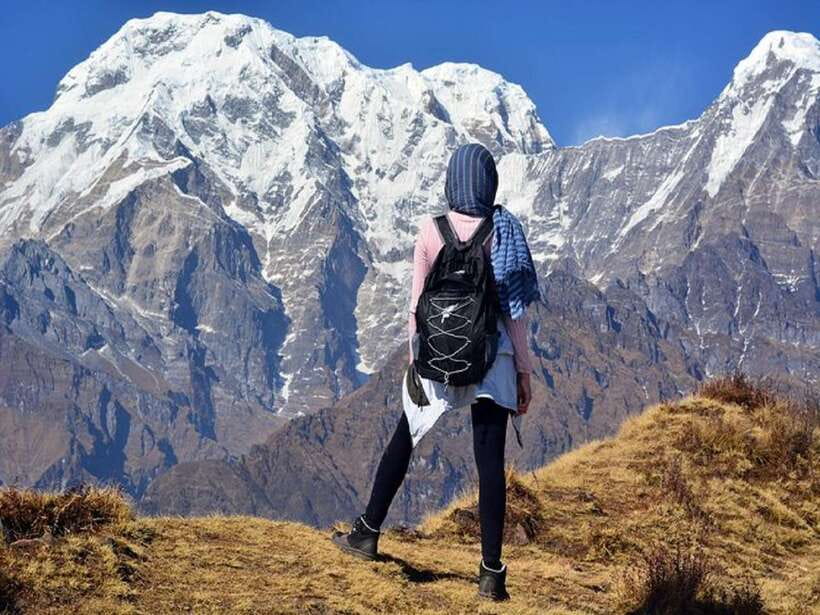
You don’t need fancy mountaineering gear for this trek, but you do need “boring” essentials that keep you comfortable.
Bring:
- Comfortable shoes with solid grip
- Hat and a jacket that handles cold wind
- Warm layers, because temperatures can shift a lot at higher altitude
- Camera
- Cash for snacks or meal purchases if you’re not using an included meal option
- Hair tie and comfortable clothes
- Trekking gear like a trekking stick and sleeping bag as needed
Two smart health tips that came up in real trekkers’ advice:
- Hiking poles can help a lot, especially on the descent.
- Altitude medication like Diamox was mentioned as being recommended by someone with a first multi-day trek. That doesn’t replace medical advice. If you’re considering it, talk with your doctor before you travel.
Also, your travel insurance is described as mandatory for safety. Don’t skip it. Mountain rescue planning is not the moment to start reading fine print.
Who this Mardi Himal trek suits best
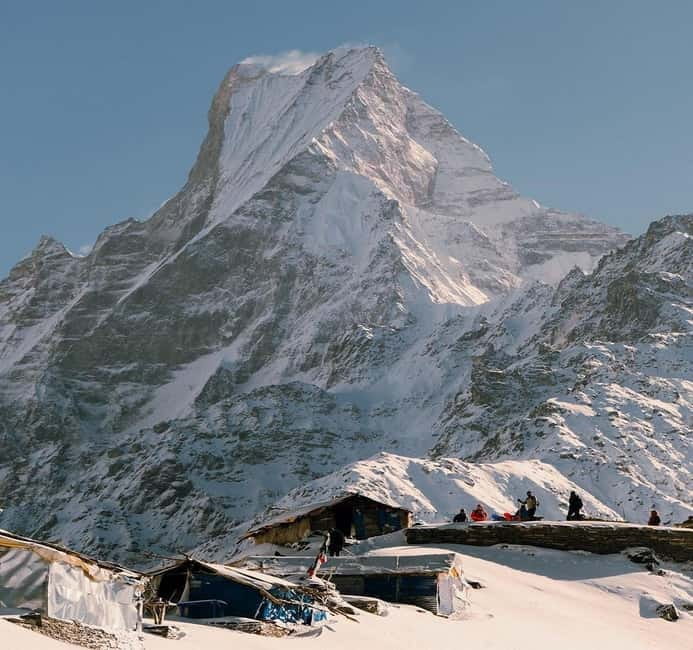
This is a great fit if you want:
- A 5-day trip with real high-mountain views
- A route that mixes forests, villages, and panoramic stops
- A guided experience with an English-speaking guide who can help with pacing and trail choices
You might want to think twice if:
- You’re not comfortable with physically demanding days, especially in the first part of the trek
- You’re traveling without a plan for cold weather layers
- You hate spending time on foot even when it’s not a summit scramble
Should you book the Pokhara to Mardi Himal Base Camp trek?
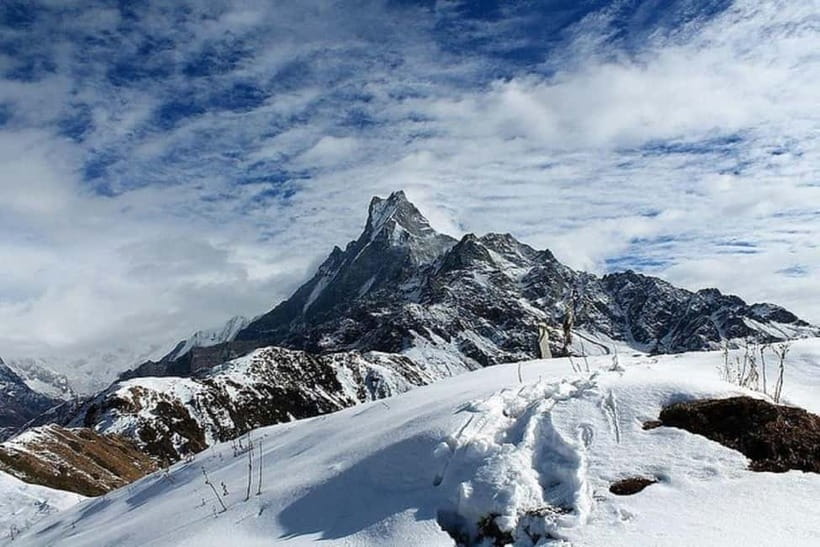
Book it if you want a short trek that still delivers the classic Annapurna moments: sunrise views, the close feel of Mardi Himal and Machapuchare, and a trail that feels alive with rhododendron forests and local communities.
I’d hold off if you want everything to be easy and comfortable day after day. This route can be challenging, and you’ll get the most out of it by showing up fit, dressed for cold, and ready to pace yourself.
If you do book, do two things: confirm your meal option so you know how much cash to carry, and ask your guide about pacing and warm-weather planning so your sunrise/base camp time feels calm, not rushed.
FAQ
How long is the Mardi Himal Base Camp trek from Pokhara?
It runs for 5 days.
What’s included in the tour price?
Round-trip transportation between your hotel/airport and the trek starting point, trekking permits and TIMS fees, tea house or lodge accommodation, meals depending on the option selected, and a professional English-speaking guide (government-certified). It also includes luggage storage in Pokhara, first aid kit, and guide insurance and expenses.
Do I need permits for this trek?
Yes. The tour includes all required trekking permits, necessary paperwork, and TIMS fees.
What languages does the live guide speak?
The live tour guide is available in English, Hindi, and Nepali.
When do I need to send my passport copy?
You should submit a copy of your passport at least one day before the trek so permits can be arranged.
Are meals included the entire trek?
Meals are included depending on the selected option. Some meals may be available to purchase on the trail if you choose an option with fewer included meals.
Can I hire a porter?
Yes, a porter is optional and costs $20 per day.