REVIEW · POKHARA
Annapurna Base Camp with Poon hill 9-Day Trek Itinerary
Book on Viator →Operated by Mountain Hike Nepal · Bookable on Viator
Sunrise over big peaks is never just scenery. This 9-day trek pairs Poon Hill sunrise with close-up Annapurna range drama, including Machhapuchhre. I love how the route mixes jaw-dropping mountain moments with cozy teahouse meals and the daily rhythm of Gurung and Magar village life. One real consideration: the altitude climbs to 4130m at Annapurna Base Camp, so you’ll want moderate fitness and a calm, patient pace.
You’ll start at 7:15am from Pokhara Lakeside, then get private transportation to Nayapul before your first trail steps. The trek is set up as a private experience, with an experienced trekking Sherpa guide and a porter system (2 trekkers share 1 porter), plus all the trekking paperwork. If you like clear logistics and dependable day-by-day structure, this one should fit your style.
In This Review
- Key things that make this trek special
- Why Annapurna Base Camp plus Poon Hill is a standout combo
- Pokhara meeting point and the start at 7:15am
- From Pokhara to Ulleri (1520m): a gentle entry that sets the tone
- Ghorepani (2880m): the trek gets serious, and views start stacking
- Poon Hill sunrise: the famous morning that still feels real
- Chhomrong (2170m) and the middle altitude rhythm
- Himalaya (2920m): high-altitude vibe without reaching base camp yet
- Annapurna Base Camp (4130m) via Machhapuchhre Base Camp
- Descent to Bamboo (2310m): recover mode, tea house mode
- Jhinu Danda (1780m) and the natural hot springs payoff
- Finishing day back to Naya Pul and Pokhara
- Tea houses, meals, permits, and the real value of what’s included
- Price and logistics: is $910 good value?
- What to expect physically: moderate fitness, altitude discipline
- Who this trek is best for (and who should reconsider)
- Should you book this Annapurna Base Camp with Poon Hill trek?
- FAQ
- Where does this trek start and end?
- What time do we meet and when does the trip start?
- How long is the Annapurna Base Camp with Poon Hill trek?
- How much does it cost?
- What’s included in the trek price?
- What is not included?
- Is travel insurance required?
- What fitness level do I need?
Key things that make this trek special
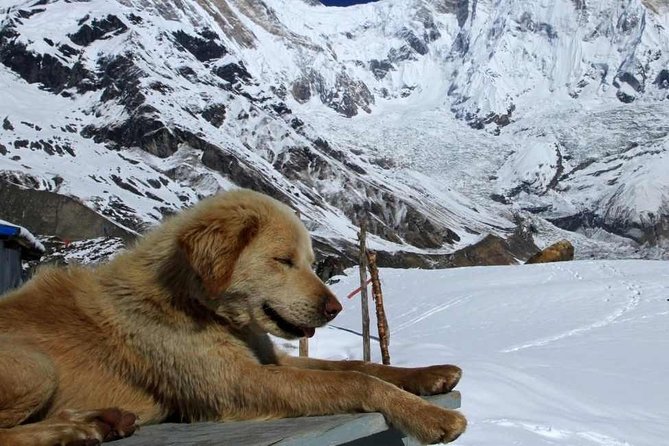
- Poon Hill sunrise timing: an early morning hike for that classic Himalayan panorama
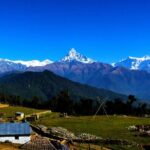
- Machhapuchhre’s presence: you’ll feel how prominent this peak is as you climb higher
- Tea house comfort: overnight stays and daily meals included while you’re on the trail
- Real altitude progression: gradual increases that culminate at Annapurna Base Camp (4130m)
- Jhinu Danda hot springs: a natural soak day after descending from the high camp
- ACAP and TIMS permits handled: paperwork and necessary permits are included
Why Annapurna Base Camp plus Poon Hill is a standout combo
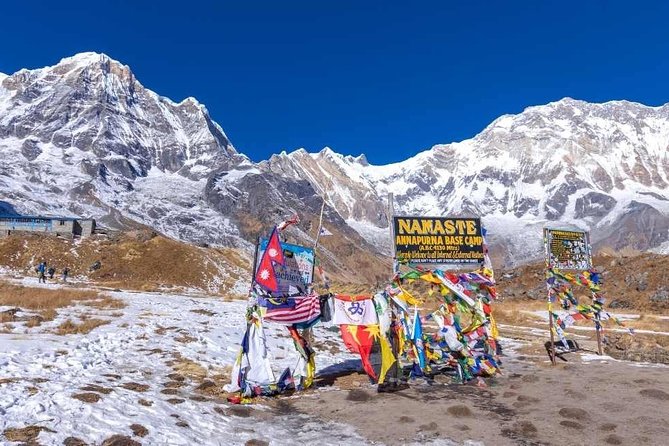
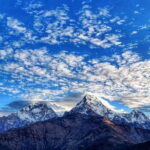
This trek works because it gives you two different types of rewards. Poon Hill is the quick hit: early light, wide views, and that feeling that the mountains go on forever. Annapurna Base Camp is the slow burn: you keep climbing, the air changes, and when you finally reach the base camp area, the Annapurna massif feels close enough to touch.
What I like most for you is the balance. You get a famous viewpoint day (Poon Hill), but you also get village trekking through the Annapurna region—places where Gurung and Magar communities shape daily life, not just a marketing photo.
And yes, the scenery is the headline. But it’s the way the trek layers it: terraced farms, rhododendron forests, alpine meadows, then higher-altitude stark beauty. That change in ecosystems is part of why the days don’t feel repetitive.
You can also read our reviews of more tours and experiences in Pokhara.
Pokhara meeting point and the start at 7:15am
The trek begins near public transportation at Pokhara Lakeside (Lakeside Rd). The listed meeting point is: Pokhara Lakeside 6X84+3JQ, Lakeside Rd, Pokhara 33700, Nepal. The start time is 7:15am.
From there, the logistics are handled: private transportation takes you to Nayapul, which is where the trail walking begins. This matters because on treks like this, you don’t want to waste daylight sorting out transport. You also want your first walking day to feel like it’s already under control.
This experience is private, meaning only your group participates. Practically, that usually helps with timing and attention—especially with a guide managing pacing and altitude planning.
From Pokhara to Ulleri (1520m): a gentle entry that sets the tone
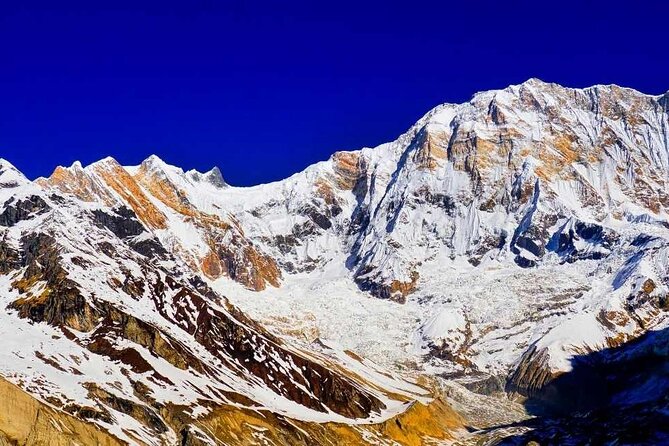
Your first day is a drive to Nayapul, then a hike to Ulleri (1520m). Expect about 5–6 hours of trekking.
This is a good “wake up your legs” day. You’re not starting at altitude, and the elevation starts modestly. Ulleri is also the kind of village stop that makes the Annapurna region feel human: small paths, tea house routines, and the sense that you’re moving through community—not just heading toward a summit.
If you’re the kind of traveler who likes an orderly start, this day helps. You build momentum without feeling pressured.
Ghorepani (2880m): the trek gets serious, and views start stacking
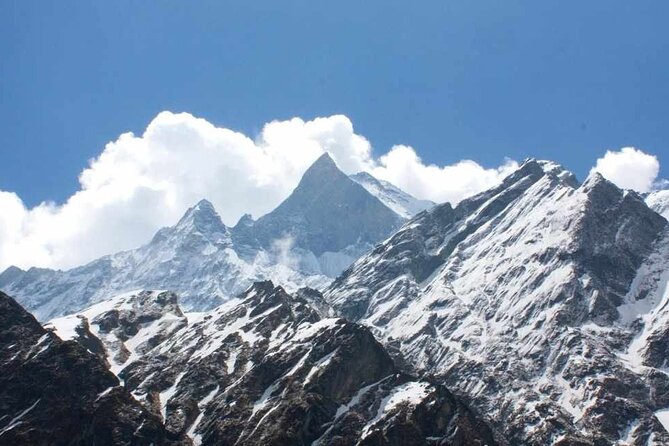
The second day climbs to Ghorepani (2880m). The walking time is 6–7 hours.
This is where the air starts to feel different and where the trail begins to look more like classic Himalaya trekking: higher villages, tighter valley views, and more frequent “stop and look” moments. Ghorepani is also a key staging point for Poon Hill, so you’ll likely feel the whole trek tightening into that next early morning plan.
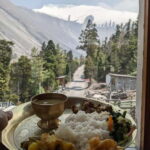
Teahouse nights on this trek are included, along with all meals (breakfast, lunch, dinner) while you’re on the trail. That’s valuable because it reduces decision fatigue. Instead of searching for food after a long day, you’re more likely to keep moving well and rest on schedule.
Poon Hill sunrise: the famous morning that still feels real
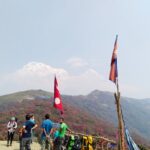
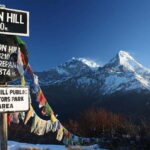
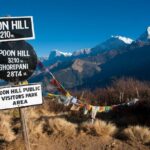
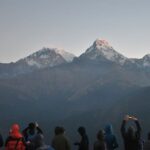
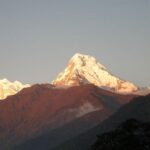
Day three starts with an early morning hike to Poon Hill for sunrise, then you continue on to Tadapani (2650m). The hiking day totals 6–7 hours.
Poon Hill is famous for a reason: it’s one of those moments where the mountains look bigger than your map ever suggested. It’s also a good reminder that the best views often come early, before your body fully “arrives” for the day.
After sunrise, you transition into the longer walk toward Tadapani. Tadapani is set up for comfortable tea house living at elevation. You’ll get one more mountain-heavy day, without going too hard too fast.
A small reality check: sunrise treks mean early starts, even when you’re tired. Plan for it mentally. The reward is worth it, but you’ll feel the schedule.
Chhomrong (2170m) and the middle altitude rhythm
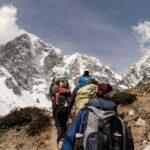
On day four, you trek to Chhomrong (2170m) in about 5–6 hours. This stretch is known for strong village scenery and that “settle in and keep walking” rhythm.
Chhomrong sits at a height that’s high enough to feel remote, but not at the peak stress level. That makes it a helpful checkpoint for adjusting your pace, hydrating, and keeping your breathing steady.
Tea house hospitality keeps showing up as a consistent feature here: you’re not just sleeping in a simple room. You’re part of the local lodge flow—tea, meals, and a daily structure that helps you recover between trail days.
Himalaya (2920m): high-altitude vibe without reaching base camp yet
Day five heads toward Himalaya (2920m), with another 6–7 hour trekking day.
This is the “you’re really in it now” stage. The terrain tends to feel less farm-and-forest and more mountain-centered. You’ll also start noticing how your time on your feet matters more now. Even if you feel okay early, altitude can change how you feel mid-day.
The good news is that the trek doesn’t jump to base camp in one leap. It builds you up—then gives you a chance to acclimate through time on the trail and the pattern of rest.
Annapurna Base Camp (4130m) via Machhapuchhre Base Camp
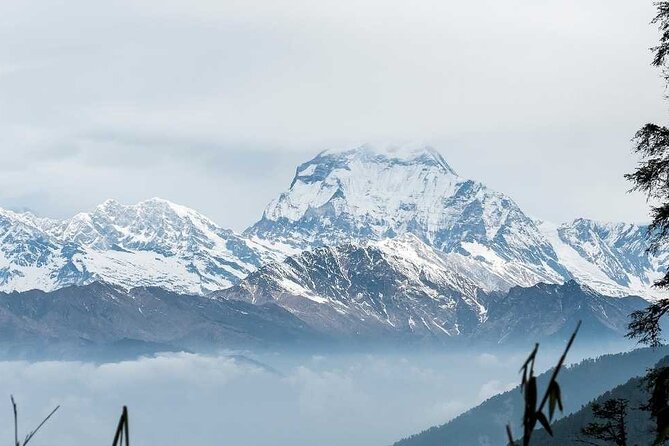
Day six is the big one: trekking to Annapurna Base Camp (4130m) via Machhapuchhre Base Camp, in about 5–6 hours.
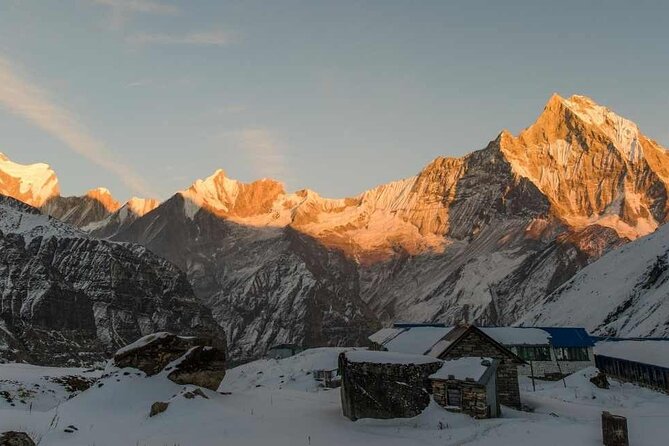
This is where the trek becomes emotional for many people—not because it’s suddenly harder, but because it’s suddenly clear. Annapurna Base Camp puts you in the heart of the Annapurna range experience. And the Machhapuchhre angle matters; the peak is a constant presence in this region, and the trek’s route gives it real weight.
At 4130m, your body will remind you that you’re not at sea level. You don’t need to rush. In fact, it’s smarter to move steadily and let the altitude do less damage.
This day is also a big reason I’d recommend this trek to you if you want more than a checklist hike. It’s a destination day that feels earned.
Descent to Bamboo (2310m): recover mode, tea house mode
On day seven, you descend from Annapurna Base Camp to Bamboo (2310m) in 7–8 hours.
Long descents can be tough on knees and feet, even if they feel easier mentally than climbing. This is why you’ll love that the trek is built around regular tea house stops and included meals. After base camp, you want recovery to feel routine, not complicated.
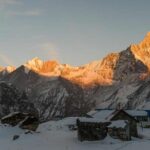
Bamboo at 2310m is far more comfortable than base camp. You can breathe easier, eat well, and prepare for the next day’s highlights without worrying about scrambling for food.
Jhinu Danda (1780m) and the natural hot springs payoff
Day eight takes you down to Jhinu Danda (1780m) in about 5–6 hours. Then you relax in the natural hot springs.
This is the perfect ending to the high-altitude push. The soak day adds a physical and emotional reset. It’s also a great way to turn the “legs are tired” feeling into something you look forward to.
Jhinu Danda is often remembered because it’s not just another tea house night. It gives you a reason to linger.
Finishing day back to Naya Pul and Pokhara
On day nine, you trek down to Naya Pul, then take a comfortable drive back to Pokhara to end at the meeting point area.
The final day feels lighter because you’re moving toward the end rather than deeper into the mountains. Still, you’ll be glad you saved energy and paced well. A smooth landing back into Pokhara makes the whole trek feel complete.
Tea houses, meals, permits, and the real value of what’s included
This trek includes teahouse accommodation during the trek and all meals (breakfast, lunch, dinner) while you’re walking. That’s a big deal on multi-day hikes, where meal planning can quietly turn into stress.
You’ll also be traveling with an experienced license holder trekking Sherpa guide and a Sherpa porter arrangement (2 trekkers = 1 porter). That means you’re not just relying on yourself for navigation and timing. Your guide can also help keep you aligned with the altitude realities.
Permits are handled: ACAP and TIMS. These are not small details. If you’ve never booked a trek in Nepal before, paperwork is exactly the kind of thing that can cause headaches if it’s not taken care of.
Not included: tips for guide and porter, any drinks (tea/coffee/water/soft drink/alcohol), and hot shower, internet. Accommodation and meals in Pokhara are also not included.
So here’s how to think about the value. You’re paying for the hard parts: guide + porter + permits + trail-day meals + transport out of Pokhara. You’re paying less for the softer parts, like extra beverages or convenience items. If you plan your budget and don’t expect guaranteed hot showers or steady internet on trek days, the package feels fair.
Price and logistics: is $910 good value?
The price is $910 per person for the 9-day experience in Pokhara.
For value, compare this to what you’d typically need for a trek like this:
- Private transportation to and from Pokhara to Nayapul
- A trekking guide and a porter system (with the specified ratio)
- Teahouse stays and all trek meals
- ACAP and TIMS permits
- Government taxes and service charges
That’s a lot bundled into one number. The only major costs you’ll add are what the trek lists as not included: tips, drinks, and any extra comfort items like hot showers or internet access.
Price is also affected by season, weather, and group size. The experience notes group discounts, and it’s private for your group once you book. If you’re traveling with friends, you may get better efficiency per person.
One more must-do: the trek requires travel insurance, and it states that insurance is compulsory for adventure trips. Don’t treat that like fine print. Altitude hikes can change quickly.
What to expect physically: moderate fitness, altitude discipline
This trek asks for moderate physical fitness.
You’ll hike for roughly 5–8 hours most days, then you’ll step back down over longer descents. That combination is the real training question: can you walk steadily for hours while managing how your body reacts to altitude?
Your highest point is Annapurna Base Camp at 4130m. Poon Hill is at 2880m, and the route includes other altitude stops. That matters because altitude changes hydration needs and breathing pace. You don’t have to be a mountain athlete, but you do need to be honest with your effort level and keep a sensible pace.
If you’ve never done altitude trekking, don’t plan to “prove a point” on day six. Let the guide’s pace and the trek structure do their job.
Who this trek is best for (and who should reconsider)
You’ll likely love this trek if you want:
- A famous sunrise moment at Poon Hill
- A serious destination day at Annapurna Base Camp
- Village trekking through the Gurung and Magar areas
- Tea house comfort with meals included, not camping logistics
- A structured plan with guide + porter support
You might reconsider if you:
- Have limited tolerance for long hiking days or steep descents
- Struggle with altitude and don’t feel ready for 4130m
- Expect hot showers and lots of connectivity while trekking (those are listed as not included)
A quick note on reviews you can use as a guide: people highlight warm hospitality, safety, and a well-planned structure. That aligns with a trekking model that uses a licensed guide, permits in place, and day-to-day pacing.
Should you book this Annapurna Base Camp with Poon Hill trek?
If you want the classic Annapurna story told in two acts—sunrise views first, base camp second—this trek makes a strong case. The package is built around the practical things that matter on multi-day treks: permits, a licensed guide, porter support, and meals plus tea house lodging during walking days.
Book it if you’re ready for steady effort and you can respect the altitude pacing. Skip it if you’re chasing a purely relaxing vacation where you never feel the hike.
If you’re on the fence, ask yourself one question: do you want a sunrise payoff and a real high-altitude destination, both with guide support and included trail meals? If yes, this is the kind of trek that tends to leave people feeling like they saw Nepal the way it’s meant to be seen—one trail day at a time.
FAQ
Where does this trek start and end?
It starts in Pokhara, with the meeting point at Pokhara Lakeside (Lakeside Rd). It ends back at the meeting point after trekking to Naya Pul and driving back to Pokhara.
What time do we meet and when does the trip start?
The start time is 7:15am.
How long is the Annapurna Base Camp with Poon Hill trek?
The duration is listed as 9 days (approx.).
How much does it cost?
The price is $910.00 per person.
What’s included in the trek price?
Included are private transportation to and from Pokhara to Nayapul, teahouse accommodation during the trek, and all meals during the trek (breakfast, lunch, dinner). You also get an experienced licensed trekking Sherpa guide, Sherpa porter support (2 trekkers = 1 porter), and trekking permits (ACAP and TIMS), plus government taxes and service charge.
What is not included?
Not included are tips for the guide and porter, accommodation and meals in Pokhara, any drinks, and hot shower and internet.
Is travel insurance required?
Yes. Travel insurance is compulsory for this adventure trip.
What fitness level do I need?
The experience is for travelers with moderate physical fitness.