REVIEW · POKHARA
4-Day Private Poon Hill Trekking Tour
Book on Viator →Operated by Breathe Nepal Trekking · Bookable on Viator
Four days, one huge sunrise.
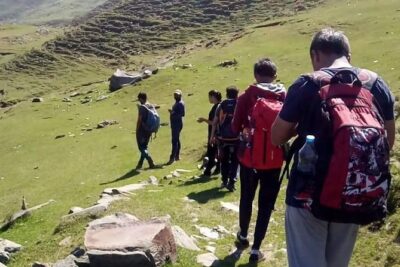
This private Poon Hill trek is a fast pass into the Annapurna region, using a guided route through village trails like Ulleri and Ghorepani with an early morning push to Poon Hill. I like that you’re not just “on your own with a map,” because a guide helps you read the trail and Nepal culture on the way. In the same crew style you’ll hear about from guides like Raj Kumar and organizers like Roman, the plan also stays practical when real-life changes pop up.
What I like most is the clear value for safety + pacing. You get professional, English-speaking guidance, plus permits (TIMS card and trekking permits) handled for you, so your brain can stay on hiking and views. I also like the included teahouse routine—breakfast, lunch, and dinner—because it keeps your budget predictable on a short trek.
One thing to think about: this is “moderately challenging,” and day 3 has the longest hike (about 8 hours) plus very early morning timing for the sunrise. If you’re sensitive to steep steps or early wake-ups, you’ll want to plan your fitness and sleep accordingly—and pack for basic lodge conditions (towels/toiletries aren’t provided).
In This Review
- Key takeaways before you go
- Price and logistics: what $359 buys you (and what it doesn’t)
- Poon Hill sunrise in a 4-day format: why this trek works for short trips
- Entering the trail: Day 1 from Pokhara to Ulleri
- Ghorepani day: rhododendron forest, waterfalls, and easier momentum
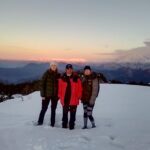
- Poon Hill at sunrise: Day 3’s 3,210 m grind and the view payoff
- Finishing strong: Day 4 Pokhara sunrise from the terrace
- Your guide matters more than you think on a short trek
- What teahouses and included meals feel like on the trail
- How to prepare: fitness, timing, and realistic expectations
- Is this tour worth it for you? A quick decision guide
- FAQ
- Where does this trek start?
- How long is the trek?
- What is the price per person?
- Is this a private tour?
- What’s included in the price?
- What is not included?
- What are the daily hiking times?
- What time does the trek start each day?
- Is a guide provided?
- What is the cancellation policy?
Key takeaways before you go
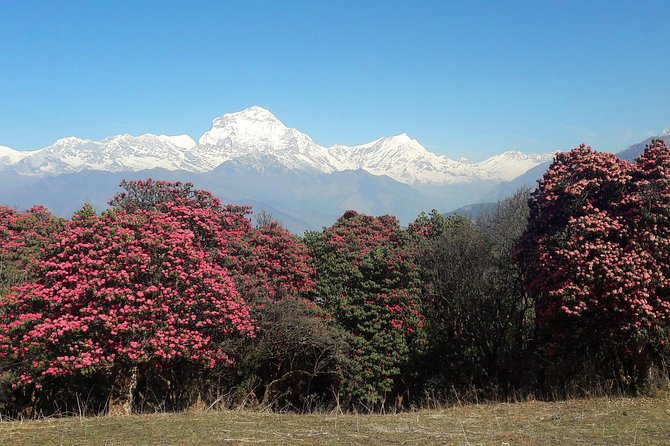
- Poon Hill sunrise at 3,210 m: the whole schedule is built around that early-morning payoff
- Private hiking with an English-speaking guide: you get trail confidence and cultural context without going off-route
- Permits + TIMS included: fewer admin headaches, more time for the mountains
- Teahouse meals included: breakfast, lunch, and dinner are planned so you can budget and focus
- Ulleri and Ghorepani village trails: rhododendron forests, waterfalls, and bridges make the middle days feel full
- Service options to match comfort level: choose Essential, Comfort, Full Service, or Premium
Price and logistics: what $359 buys you (and what it doesn’t)
At $359 per person, this tour is priced for people who want the Annapurna foothills experience without spending days arranging permits, routes, and day-to-day meals. For a 4-day private trek in Nepal, the value comes from bundling the stuff that usually steals your time.
Here’s what the package clearly covers:
- A pre-trekking meeting with your guide the day before
- A professional English-speaking guide (with insurances and expenses included)
- Trekking permits and TIMS cards
- A first aid kit
- Planned meals across the trek (3 dinners, 4 lunches, 4 breakfasts)
- Teahouse accommodation as part of the trekking plan
- A pickup component from Pokhara after your morning meal, with a taxi transfer to the trail start
What’s not included is also important for your budget:
- Beverages during the trek
- Your Pokhara accommodation (so you’re still paying a hotel night in town)
- Personal expenses like snacks, Wi‑Fi, battery charging, laundry
- Tips for guide/porter (not included)
- Lodges don’t provide towels and toiletries, so you’ll need to pack them
If you like your travel to feel organized—especially when you’re on a short timeline—this structure makes a lot of sense. You’re buying peace of mind: your route, paperwork, and meal rhythm are already mapped.
Also worth noting: the tour is private (only your group participates), and group discounts are available. That private factor matters because you can go at your pace instead of being dragged along by a random schedule.
You can also read our reviews of more tours and experiences in Pokhara.
Poon Hill sunrise in a 4-day format: why this trek works for short trips
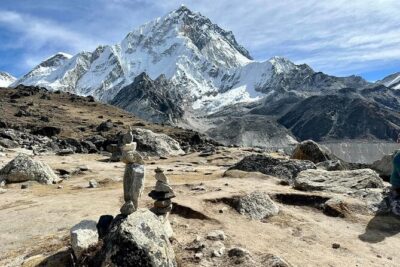
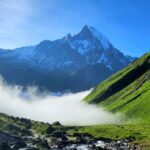
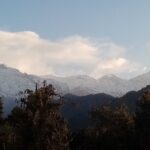
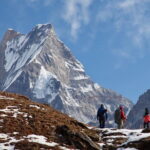
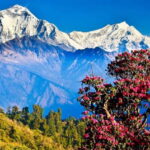
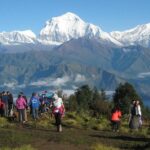
Poon Hill is famous because you can access big views without committing to a longer trek. The schedule here is built around early morning viewing: you’re up for sunrise from Poon Hill at 3,210 m, with a panorama that includes the Dhaulagiri range, Fishtail (Machhapuchhre), and the Annapurna region.
Early morning trekking is never just about a photo. It changes how you experience the whole day:
- Trails feel calmer before the crowds thicken
- You hike in cooler air
- You get that classic moment where ridgelines glow as the light moves across the valley
This trek also makes a smart trade-off. You’re not trying to do a mountain-long itinerary. Instead, you focus on two view-heavy days: sunrise at Poon Hill and another early morning viewpoint from your lodge/terrace backdrop in the Pokhara finish day, with Annapurna South (7,219 m) and Hiunchuli (6,441 m) mentioned in the plan.
Entering the trail: Day 1 from Pokhara to Ulleri
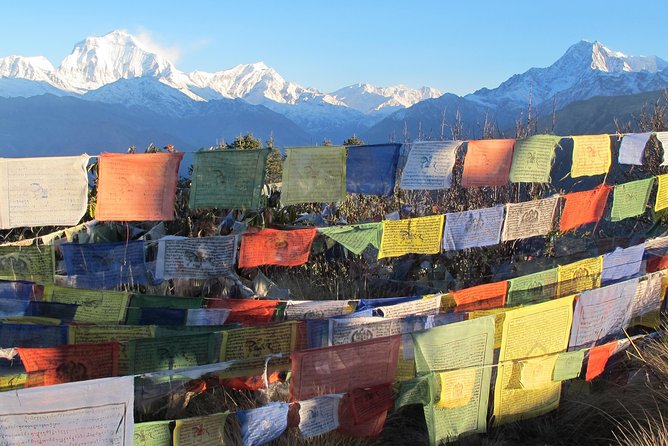
Day 1 is your “setup and start moving” day. You’re picked up after your morning meal and taken by taxi to Nayapul. Nayapul sits at about 1,009 meters, and the transfer takes around 1 hour.
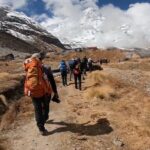
Once you start hiking, you’re working up into the village rhythm of the Annapurna foothills. The stop on this day is Ulleri, and the hiking time is listed as about 6 hours.
What this day does well:
- It gets you onto the trail without overloading you with a massive ascent from zero
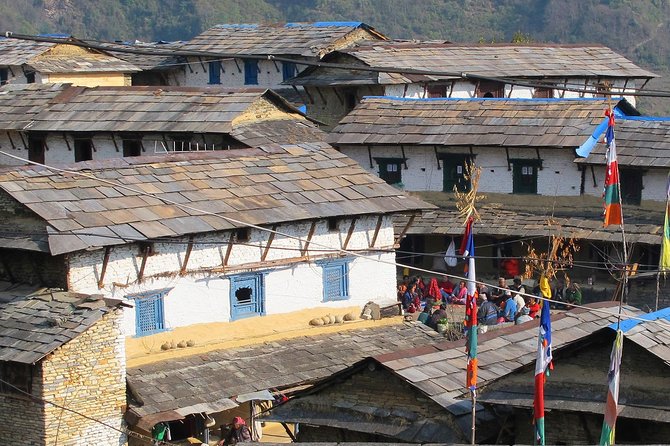
- Ulleri-style villages give you that real Nepal texture—houses, steps, and local life—without needing a deep trek commitment
A drawback to watch for: 6 hours sounds friendly until you factor in the stop-start pace of a guided hike and the early start from Pokhara. If you’re coming from a low-energy start (late morning breakfast, poor sleep), you’ll feel it. Bring a steady attitude: think of Day 1 as pacing practice.
Ghorepani day: rhododendron forest, waterfalls, and easier momentum
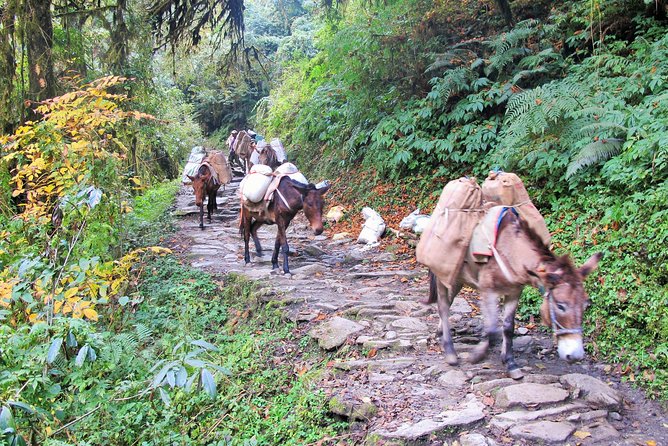
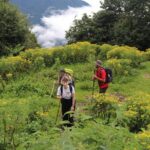
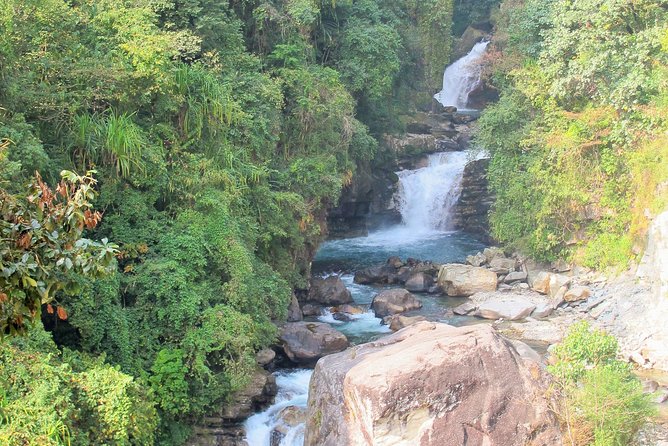
Day 2 shifts you into a more relaxed hiking day—listed at about 5 hours—and the setting is more scenic and varied. You spend time around rhododendron forests, and the route includes waterfalls and quaint bridges.
The day’s key base is Ghorepani, which is a classic staging point in the Annapurna foothills. It’s also one of those places where trekkers naturally settle into routine: eat, walk, rest, repeat. On a short trek, that matters because you don’t have time to scramble for logistics.
What you’ll probably notice on Day 2:
- The hike feels like a break from the effort of your first climb day
- Your legs get a chance to find their rhythm before the long morning of Day 3
- Your guide can help you plan gear and energy for the sunrise run
One consideration: because this is a private trek, you won’t be forced into a single blistering pace. That’s good. But it also means you should tell your guide honestly about your energy level. If you’re stronger than average, you’ll want to avoid burning matches too early; if you’re cautious, you’ll want to keep breaks frequent.
Poon Hill at sunrise: Day 3’s 3,210 m grind and the view payoff
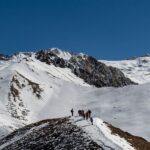
Day 3 is the big one. You start early to reach Poon Hill (3,210 m) for sunrise, with views that include Dhaulagiri, Fishtail, and the entire Annapurna range.
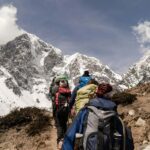
The walking time listed for this day is about 8 hours, so plan it like a full hiking day, not just a quick viewpoint stop. Early starts compress your day, and the altitude makes every step feel a bit more “expensive.”
Why the sunrise strategy is worth it:
- You get the best lighting for mountain layers
- You’re hiking in the coolest part of the day
- The guide’s planning keeps you from spending energy on guesswork
This is also where having the right guide matters most. In the feedback you’ll see names like Kumar and Raj Kumar associated with smart pacing, flexibility, and solid communication. A good guide can help you manage the slow parts without turning them into a battle—and they can steer the group through timing so you’re not racing the sunrise.
Possible drawback: eight hours plus early timing means you need to protect your sleep on the night before. If you’re the type who talks late, screens too long, or eats last-minute snacks right before bed, you might pay for it here.
Finishing strong: Day 4 Pokhara sunrise from the terrace
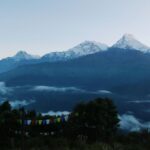
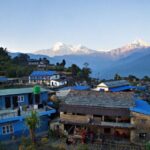
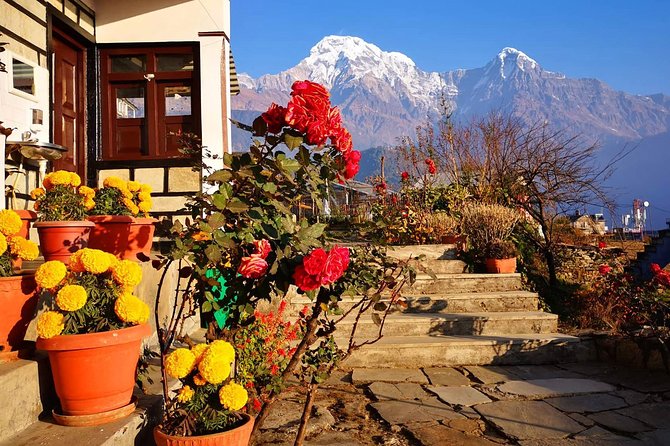
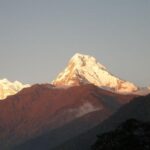
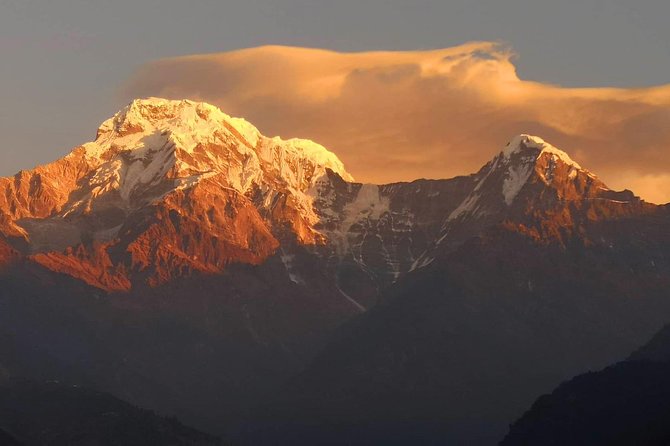
The last day brings you back toward Pokhara with a new viewpoint moment. The plan says you’ll wake early again for sunrise, this time with Annapurna South (7,219 m) and Hiunchuli (6,441 m) as backdrop seen from a lodge terrace.
The hiking time listed for the Day 4 trek is about 5 hours, so it’s not meant to crush you. Instead, it’s a gentle fade-out day where you can move, take pictures, and absorb the fact that your short trek is actually complete.
Why this matters: after three days of trail rhythm, finishing with a viewpoint moment helps the whole trip feel rounded. It’s not only about one sunrise; it’s about the idea that even in a compact itinerary, Nepal can still give you big “wow” moments.
Your guide matters more than you think on a short trek
Because this is private and guided, you get two major benefits that are easy to ignore until you’re out there.
First: you reduce the risk of getting lost. That sounds basic, but on mountain trails, the cost of a wrong turn can be huge—time, energy, and mood. On a four-day trip, you don’t want to waste hours.
Second: the guide adds meaning to what you see. The tour is positioned around learning about Nepali nature and culture, not just walking from point A to point B. Names that show up in the guiding network—like Roman (owner) and guides such as Raj Kumar, Kumar, and Saroj/Sarot—are described as thoughtful, flexible, and good at adapting to how a group feels on the day.
For me, that last part is the real value in a short trek. You don’t have time for rigid plans. If your group is slower or your energy isn’t where you expected, being able to adjust can be the difference between a stressful hike and a memorable one.
If you care about this, do yourself a favor before you start: tell your guide:
- your fitness level (honestly)
- any knee/ankle issues
- how your mornings usually go (early wake-up tolerance)
A good guide will use that info to manage the hike.
What teahouses and included meals feel like on the trail
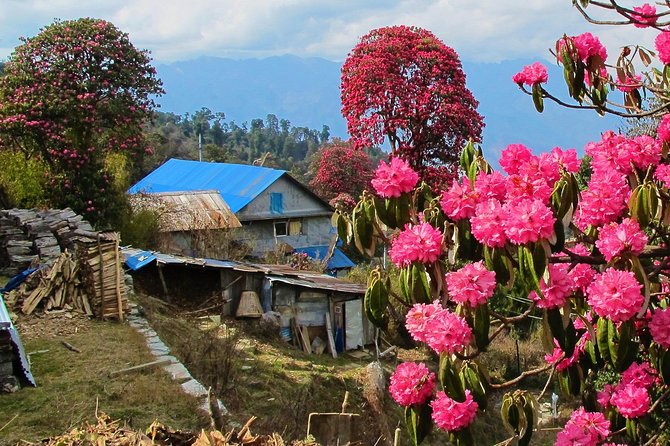
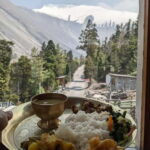
This trek is built around teahouse accommodation, which is a key part of why the itinerary stays short and organized. The package includes meals: breakfasts (4), lunches (4), and dinners (3).
That matters because food on the trail has two jobs:
- keep your energy steady for the next day’s hiking
- give you a predictable end point each night
It also keeps you from playing the “what’s open?” game in smaller villages.
A practical heads-up: teahouses don’t provide towels and toiletries. So pack travel-size essentials:
- a small towel or quick-dry option
- basic toiletries
- lip balm and any skin protection you like in dry mountain air
Beverages aren’t included, so if you want tea/coffee or bottled water, plan that as extra spending. Also bring simple snacks for the moments when you’re hungry but not ready for a full meal stop.
In short: you’re not living like a camping trekker, but you are living like a practical mountain traveler. Pack for comfort, not for a hotel.
How to prepare: fitness, timing, and realistic expectations
The tour is best suited for active travelers and is described as moderately challenging. That fits people who can walk for several hours and handle uneven trail.
Look at the day hike durations:
- Day 1: about 6 hours
- Day 2: about 5 hours
- Day 3: about 8 hours
- Day 4: about 5 hours
So the overall pattern is “steady days with one long peak day.” If you can handle that, you’ll likely feel good.
Also keep altitude in mind. The itinerary calls out Poon Hill at 3,210 m, and the schedule is tuned for sunrise viewing there. You don’t need to be an ultra-athlete, but you should be ready for the fact that breath can feel different higher up.
Timing detail: the start time is listed as 8:00 am. That helps you plan your morning in Pokhara, especially if you’re staying close to the pickup point.
Lastly, this is a private tour and is noted as allowing service animals. If you’re traveling with one, confirm details early so everyone is clear on the on-trail routine.
Is this tour worth it for you? A quick decision guide
Book this tour if:
- you want the Annapurna foothills and Poon Hill sunrise without a long trek
- you like having your permits and meal plan handled
- you value a guide for trail safety and for understanding what you’re seeing
- you want a private experience with your own group pace
Skip or consider alternatives if:
- you know you struggle with early wake-ups and long days (Day 3 is about 8 hours)
- you’re hoping for full hotel-style comforts (teahouses are basic, and towels/toiletries aren’t included)
- you’re trying to keep strict spending tight, because beverages and personal extras aren’t part of the included price
If you’re on a short Nepal window and you want a high-impact trek that stays manageable, this is a strong option. The structure is built for people who want big mountain moments with fewer logistics headaches.
FAQ
Where does this trek start?
It starts in Pokhara, Nepal. You’re picked up after your morning meal and transferred by taxi to Nayapul, which is the trail starting area.
How long is the trek?
The tour is listed as 4 days (approx.).
What is the price per person?
The price is $359.00 per person.
Is this a private tour?
Yes. It’s described as a private tour/activity, and only your group participates.
What’s included in the price?
Included items are a first aid kit, a pre-trekking meeting with your guide day before, a professional English-speaking guide with insurances and expenses, trekking permits and TIMS cards, and meals (3 dinners, 4 lunches, 4 breakfasts). Teahouse accommodation is part of the trekking experience.
What is not included?
Not included are beverages during the trek, accommodation in Pokhara, personal expenses (snacks, Wi‑Fi, battery charge, laundry, and similar items), travel and rescue insurance for guests, and tips for the guide and porter. Lodges do not provide towels and toiletries.
What are the daily hiking times?
The plan lists about 6 hours on Day 1, 5 hours on Day 2, 8 hours on Day 3, and 5 hours on Day 4.
What time does the trek start each day?
The meeting start time is listed as 8:00 am.
Is a guide provided?
Yes. You’ll have a professional, English-speaking guide, and the tour is designed to help you hike safely without getting lost.
What is the cancellation policy?
Free cancellation is available. You can cancel up to 24 hours in advance for a full refund, and the cutoff uses the experience’s local time.