REVIEW · POKHARA
4 Day Poon Hill Trek from Pokhara
Book on GetYourGuide →Operated by Peak to Peak Treks · Bookable on GetYourGuide
Early morning starts with a big payoff. The Poon Hill trek from Pokhara is the Annapurna region in a compact package: Himalayan views, village life, and forest trails that feel very Nepal, not just postcard scenery. I especially like the smart pace for a shorter trek and the way the route gives you both culture and mountain drama. One thing to consider is the thousands of steps you’ll climb before sunrise.
I also like that this trip is built around real logistics: hotel pickup/drop-off, private round-trip car transfers, and an English-speaking trekking guide so you’re not stuck figuring out permits or trail basics. From what you’re told to plan for, the guest house setup keeps it simple, which matters when you’re tired and just want a hot shower and dinner. The main drawback is that the effort is real, so it’s not a match if you want an easy walk.
In This Review
- Key Things I’d Watch Before You Go
- The Real Appeal of a 4-Day Poon Hill Trek from Pokhara
- Pokhara to Nayapul: Getting on Trail Without the Headache
- Tikhedhunga and the Ulleri Stair Challenge on Day 1
- From Tikhedhunga to Ghorepani: Forest Walks and Higher-Air Breathing
- The Sunrise Hike to Poon Hill: Why the Early Start Is Worth It
- Poon Hill to Tadapani: Forest Trails and Moving Toward Ghandruk
- Ghandruk on Day 4: A Gurung Village Finish and a Clean Exit to Pokhara
- Price and What This Trek Really Gives You for $272
- Guides, Organization, and the Small Details That Matter
- Packing for a Steps-Heavy Trek (and What Not to Bring)
- Who Should Book This Trek (and Who Should Skip It)
- Should You Book the 4-Day Poon Hill Trek with Peak to Peak Treks?
- FAQ
- FAQ
- What is the duration of the 4 Day Poon Hill Trek from Pokhara?
- Where does the trek take place?
- How much does the trek cost?
- What does the price include?
- Are meals included in the price?
- What languages are available for the trekking guide?
- How do transfers work?
- Is there a cancellation policy?
- What is not allowed during the trek?
- What should I bring for the trek?
Key Things I’d Watch Before You Go
- You’re trading time for elevation: it’s a short trek, so climbs come fast.
- Guest houses along the route: comfortable enough, but you should still expect basic trekking comfort.
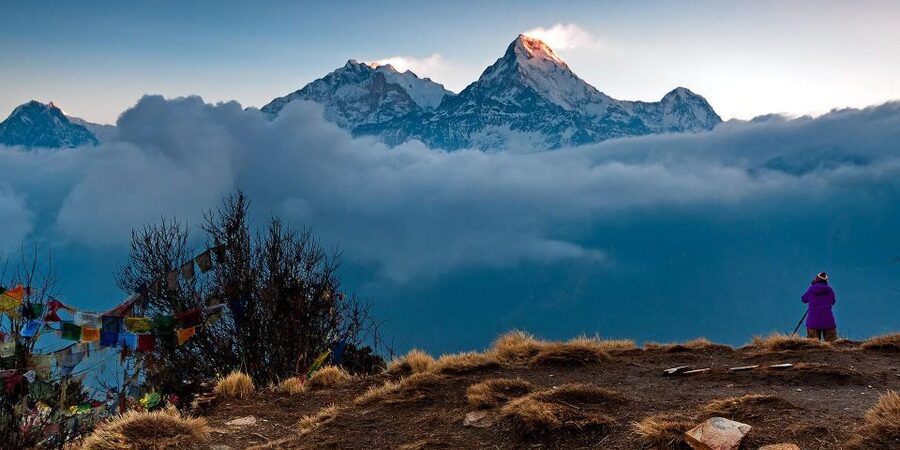
- Sunrise at Poon Hill is the headline: you’ll hike up early and return for breakfast.
- Forest trekking with rhododendron vibes: the trail between Ghorepani and the higher viewpoints is consistently scenic.
- Permits and TIMS card handled: you don’t have to worry about paperwork before you step out.
- Guide support in English (and Hindi): helpful for pace, questions, and planning.
The Real Appeal of a 4-Day Poon Hill Trek from Pokhara
If you’re looking for Nepal’s mountains without committing to a long expedition, this is one of the best bets. Poon Hill sits in the Annapurna region and is famous for sunrise views over multiple ranges. The route is also short enough that you can still enjoy the journey instead of treating it like a suffering contest.
What makes it work well is balance. You get daily walking that’s challenging but manageable, plus quiet village segments where you can actually see how people live in the hills. And because the trek loops back through well-known stops like Ghorepani and Ghandruk, you’re not constantly wondering where you’ll sleep or what the next village will feel like.
One practical advantage: this style of trek is ideal if you’re combining it with time in Pokhara. You get that contrast right away, from lakeside city comfort to steep stair climbing, then back to a relaxing drive at the end.
You can also read our reviews of more tours and experiences in Pokhara.
Pokhara to Nayapul: Getting on Trail Without the Headache
The trek starts with a car ride from Pokhara to Nayapul, usually about 1.5 to 2 hours early in the morning. This matters more than it sounds. You lose less time, and you start walking while your energy is fresh instead of wasting daylight on transfers.
At Nayapul, you transition into village walking. The trail passes through Birethanti, which is described as a large, lively village. That’s a good thing on Day 1 because it gives you a taste of real trail-town Nepal. You can grab water, orient yourself, and settle into the rhythm of other trekkers and local life.
Then you follow the Bhurungdi River before the day’s main climb starts. River-side sections are often easier on your legs because the ground tends to feel less abrupt than pure stair climbing. Still, Day 1 isn’t just a warm-up. You’re going up toward Tikhedhunga (1,540m) for your overnight stay, so expect that steady effort to show up early.
If you’re prone to getting cold, note that early trekking hours can feel chilly, especially when you’re still near the lower elevations. Layer up for the first hour, then plan to shed as you warm.
Tikhedhunga and the Ulleri Stair Challenge on Day 1
Day 2 and beyond get the big elevation days, but Day 1 sets the tone in a very specific way: stair climbing. After Nayapul and Birethanti, you ascend toward Tikhedhunga, and you’ll later get the famous steep steps near Ulleri village.
Those stone stair segments can be surprisingly intense because they’re repetitive. Your calves learn the lesson quickly. The trick isn’t speed. It’s breathing and rhythm. If you start sprinting uphill, you’ll burn energy and ruin your ability to enjoy later views.
Tikhedhunga as an overnight stop makes sense for a reason: it puts you in position for the next day’s ascent toward Ghorepani (2,750m). You’re not just walking to a bed; you’re staging for the viewpoints.
Also, guest houses at these altitudes usually offer a simple but reliable trekking setup. You’ll want to keep your evenings calm: eat early, hydrate, and avoid heavy drinking if you’re sensitive to altitude.
From Tikhedhunga to Ghorepani: Forest Walks and Higher-Air Breathing
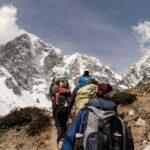
The walk from Tikhedhunga to Ghorepani is one of the clearest examples of how this trek balances effort and beauty. You begin with a steep section of stone stairs to Ulleri, then continue through rhododendron and oak forests.
Rhododendron forests change how the hike feels. Even when the climb is hard, the trail stays interesting because the surroundings aren’t just rocks and dust. If you visit in the right season, the forest can be especially scenic, but even outside peak bloom you’ll still get that shaded, textured walking.
As you approach Ghorepani, the elevation helps the air feel thinner and the views more frequent. Ghorepani is a village known for panoramic mountain views, and it’s also a good base for the sunrise morning that’s coming fast.
Practical advice for this day:
- Keep your pace steady so you arrive without arriving exhausted.
- If you’re carrying extra warmth, save it for the evening and sunrise start, not for midday.
- Take advantage of the guide to manage pacing. An English-speaking guide can help you match your effort to the terrain without guessing.
You’ll spend the night in Ghorepani at 2,750m, where cool temperatures can show up even when the afternoon felt mild.
The Sunrise Hike to Poon Hill: Why the Early Start Is Worth It
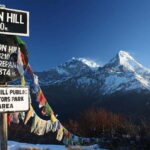
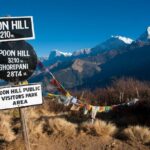
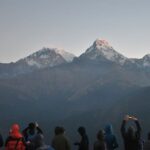
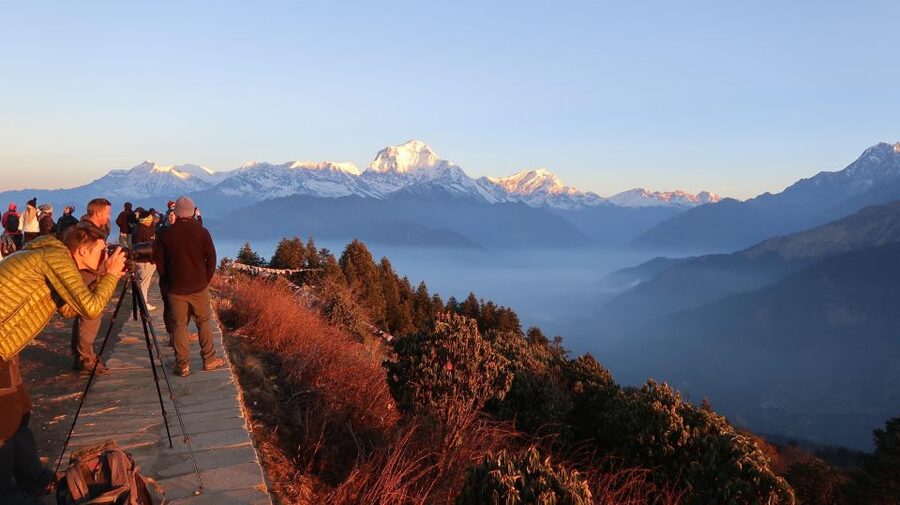
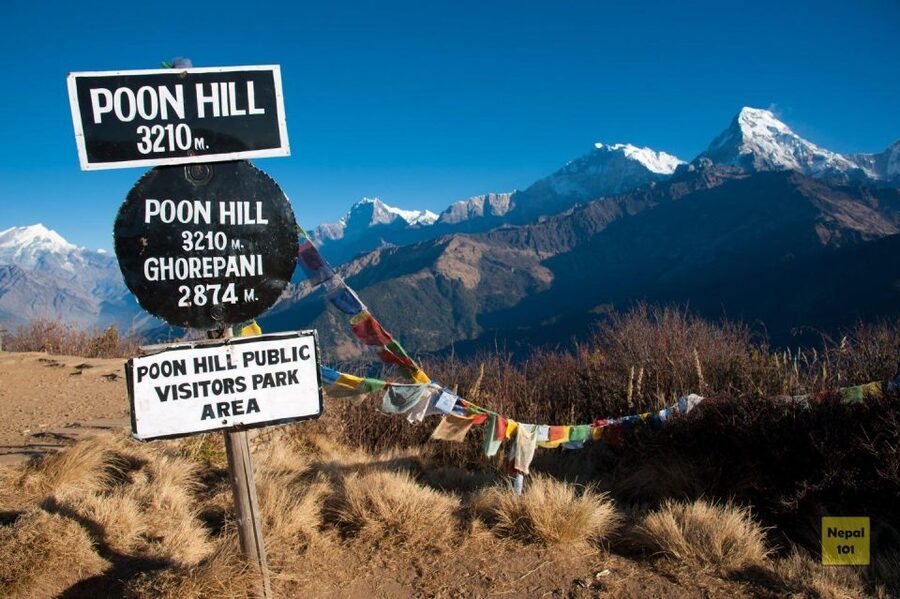
This is the main event. The morning starts with an early hike from Ghorepani up to Poon Hill (3,210m), then you come back for breakfast before moving on.
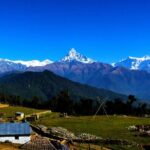
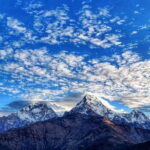
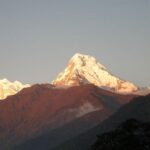
The payoff is a sunrise view over the Annapurna and Dhaulagiri ranges. That’s a big claim, but the key detail is that Poon Hill is reachable without a long mountaineering-style approach. You get that classic Himalayan panorama experience without spending days chasing it.
What I’d emphasize to you: the hike is short in distance but heavy in effort because you’re climbing early and your body is still adjusting to the altitude. Expect the “this is doable” feeling to turn into “okay, this is work” about halfway up. That’s normal.
The good part is that you don’t have to suffer for hours and hours. After the viewpoint time, you return for breakfast and reset. That breakfast is more than fuel. It’s part of the reason this trek works as a short adventure. You get to enjoy both morning intensity and afternoon walking without being constantly in survival mode.
If you get the chance, ask your guide about timing and cloud chances. A good guide helps you position your viewing time so you don’t rush and miss the best light.
Poon Hill to Tadapani: Forest Trails and Moving Toward Ghandruk
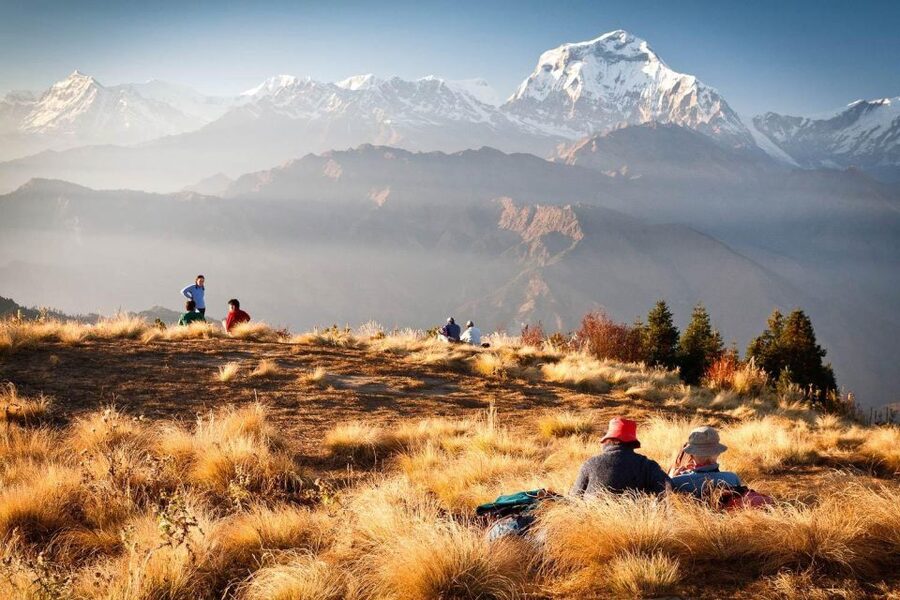
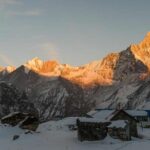
After sunrise, you trek from Ghorepani to Tadapani (2,630m). This is a different day vibe: less “climb to a single peak” and more “walk through scenery” while still staying active.
The route continues through rhododendron forests, and you’ll have mountain views along the way. Tadapani is the overnight stop, setting up your final descent to Ghandruk (1,940m) on Day 4.
Tadapani at 2,630m is a good staging area. It’s high enough to keep the views interesting, but it also means Day 4 can focus on a satisfying downhill and village time instead of a last-day steep grind.
If you’re planning your energy, this is where you should think about leg management. Descents can be brutal on knees if you take long steps. Use a careful stride, especially on uneven stone.
Ghandruk on Day 4: A Gurung Village Finish and a Clean Exit to Pokhara
On the last day, you head from Tadapani to Ghandruk, dropping to 1,940m. The trail descends through forests, and eventually you reach Ghandruk, a charming Gurung village.
This segment is important because it gives the trek a social landing. You’re not just walking between viewpoints anymore; you’re entering a place with culture you can slow down for. Ghandruk is one of those stops where you can watch daily life and see how hill communities shape the trail experience.
Once you explore Ghandruk, you drive back to Pokhara in the afternoon, finishing the trek. That final car ride is more than transportation. It’s your decompression period. After days of stair rhythm and mountain air, you’ll feel the relief the moment you’re off the trail.
Price and What This Trek Really Gives You for $272
The listed price is $272 per person, and what you’re buying is not just a hiking route. You’re paying for the hard-to-handle parts that can slow you down: transfers, guides, and paperwork.
Here’s what helps the value:
- English-speaking trekking guide: you get on-trail support for pace and planning.
- Permits and TIMS card included: paperwork is handled so you can focus on the trek.
- Round trip transfer by private car: you avoid complicated shared transport.
- Guest house accommodation included: you don’t need to shop for rooms day by day.
- Private trip option: if you want flexibility and less crowd energy, it’s built in.
Meals are not included, at about 3500 Rs per person per day. That’s typical for treks and actually gives you control. You can choose what you feel like eating each day and how much you want to spend.
So is $272 fair? For a short Poon Hill trek with private transfers, a guide, and the permits handled, it’s a solid deal—especially if you want fewer logistics headaches. If you were to DIY, your biggest risk wouldn’t be the trail. It would be managing permits and coordinating safe timing without someone helping.
Guides, Organization, and the Small Details That Matter
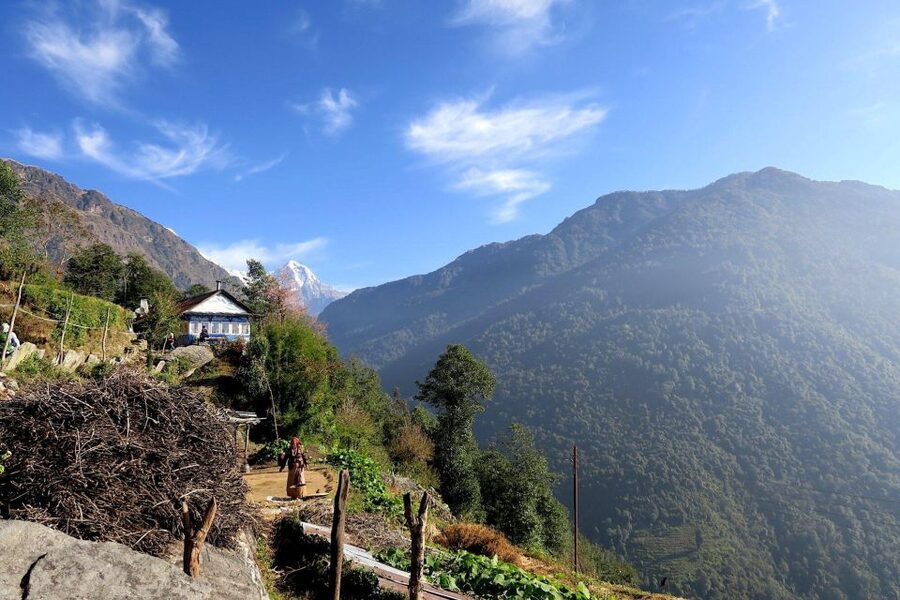
One of the most praised parts of this experience is the guide support. In particular, Nir is highlighted as attentive and great at keeping everything organized. That matters because a good guide doesn’t just lead. They manage transitions: when to leave, how to pace, and how to handle the practical moments that would otherwise slow you down.
This matters even more on a sunrise day. You’re up early, moving in the dark or near-dark, and you want the group to be efficient without rushing. A guide who knows the timing helps you spend your energy on the hike, not on scrambling.
Also, the trip lists English and Hindi for the live guide. That’s useful if your group includes people with different language comfort levels.
Packing for a Steps-Heavy Trek (and What Not to Bring)
You’ll want to pack like you’re moving fast and staying light. The basics are clear:
- Passport or ID card
- Comfortable shoes
- Comfortable clothes
- Passport-sized photo
You also should take seriously what’s not allowed:
- No large bags or luggage
- No drones
On the Poon Hill route, your legs will feel the stairs. That means footwear isn’t a detail. Use shoes that already feel broken-in. If you’re tempted to rely on new boots, don’t. This trek punishes blisters.
Clothing should be layered. Expect you’ll want warmth for early mornings and cooler temperatures at elevation, while still needing breathable layers when you’re climbing.
One more practical idea: bring a small day bag. You’ll carry essentials during walking days, and it keeps you from constantly handling a larger bag during stops.
Who Should Book This Trek (and Who Should Skip It)
This is a good match if you:
- Want a short, high-reward trek in the Annapurna area
- Prefer cultural village stops alongside mountain viewpoints
- Like having guides and permits organized so you can focus on walking and scenery
- Are comfortable with daily hiking and stairs
It’s not suitable for:
- Pregnant women
- Wheelchair users
If you’re anxious about altitude, this trek still deserves respect. You’re climbing to 3,210m at Poon Hill, and even if it’s not a high-altitude expedition, you’ll feel the air shift. Move steadily and listen to your body.
Should You Book the 4-Day Poon Hill Trek with Peak to Peak Treks?
If you want the classic Poon Hill sunrise experience with minimal logistics stress, I’d say yes. The trip’s value is in the included essentials: private transfers, permits and TIMS card handled, guest house stays, and a live trekking guide with English support (plus Hindi).
Book it if:
- You’re traveling from Pokhara and want a smooth start and finish
- You care about organization and want help with the early sunrise timing
- You’re okay with stairs and early mornings
Hold off if:
- You’re looking for a low-effort walk
- Your group can’t handle stair-heavy climbs
- You need accessibility support for mobility limitations
FAQ
FAQ
What is the duration of the 4 Day Poon Hill Trek from Pokhara?
The experience is listed as lasting 2 to 4 days, with a day-by-day route that runs across four walking days.
Where does the trek take place?
It takes place in the Pashchimanchal (Western Region) of Nepal, in the Annapurna region.
How much does the trek cost?
The price is $272 per person.
What does the price include?
It includes hotel pickup and drop off, an English-speaking trekking guide, all trekking permits and a TIMS card, round trip transfer by private car, guest house accommodation, and a private trip option.
Are meals included in the price?
No. Meals are not included and are available for purchase, at approximately 3500 Rs per person per day.
What languages are available for the trekking guide?
The guide is listed as English and Hindi.
How do transfers work?
You get hotel pickup and drop off, plus a round trip transfer by private car.
Is there a cancellation policy?
Free cancellation is listed, with full refund if you cancel up to 24 hours in advance.
What is not allowed during the trek?
Large bags or luggage are not allowed, and drones are not allowed.
What should I bring for the trek?
Bring a passport or ID card, comfortable shoes, comfortable clothes, and a passport-sized photo.