REVIEW · POKHARA
Mardi Himal Trek Fixed Departure (March 1,7; Nov 3,10,17 2023)
Book on Viator →Operated by Trekking Guide in Pokhara · Bookable on Viator
A short trek that still feels like a real Himalaya trip. Mardi Himal takes you from forests and valleys up toward ridgelines, finishing around 4210–4200m with strong Annapurna panorama along the way. I especially like that you get a licensed guide and warm, practical camp logistics—plus a built-in transfer so you’re not scrambling on day one. One thing to consider: you’ll be hiking at altitude with no porters included by default, so you’ll need to carry your own load or pay extra.
I also like the “fixed departure” structure on set dates, which makes it easier to plan if you’re in Pokhara for a short window. The route is village-to-ridge, not just a straight grind, so you get changing scenery rather than one long uphill monotone. If you’re sensitive to altitude, treat the pacing seriously and go slow—this is a good trek, but it’s still real mountain hiking.
In This Review
- Key Things I’d Plan Around
- Why Mardi Himal Works So Well From Pokhara
- Price and Logistics: What You’re Really Paying For
- Fixed Departures in 2023: What That Tells You About the Trip
- Day-by-Day Walk: From Phedi to Mardi Himal Base Camp
- Day 1: Phedi → Dhampus → Pitam Deurali (about 5 hours walking)
- Day 2: Low Camp (2970m) in about 7 hours
- Day 3: High Camp at 3550m (about 3 hours to the final lodge)
- Day 4: Sunrise tea and the base camp push to about 4210m (then back down)
- Day 5: Down to Sidhing and Lumre, then back to Pokhara
- The Guide System: Permits Handled, Porters Optional
- What Meals and Accommodation Feel Like on the Ground
- Altitude Reality Check: 3550m, 4210m, and Good Pacing
- Packing and Prep: What to Bring Since Some Things Aren’t Included
- Who This Trek Best Fits
- Should You Book This Mardi Himal Fixed Departure?
- FAQ
- What is the highest elevation on the Mardi Himal trek in this plan?
- How long is the trek?
- Are meals and accommodation included?
- Who handles permits and trekking documents?
- Are porters included?
- Where do you meet in Pokhara?
- What happens if weather is bad, or if I need to cancel?
Key Things I’d Plan Around
- Fixed dates with a max group size of 24: easier to manage, more personal guide attention.
- Guide included, porters optional: you control how much you carry (porter adds $20/day).
- Meals and lodge stays are included on the trek: plus a warm fire waiting after walking hard.
- Permits and documents handled for you: you pay the permit fee (5000 NPR) and the guide takes care of the paperwork.
- Base Camp altitude is lower than older info: you’ll hike to about 4210m, not the older 4500m figure you may see.
Why Mardi Himal Works So Well From Pokhara
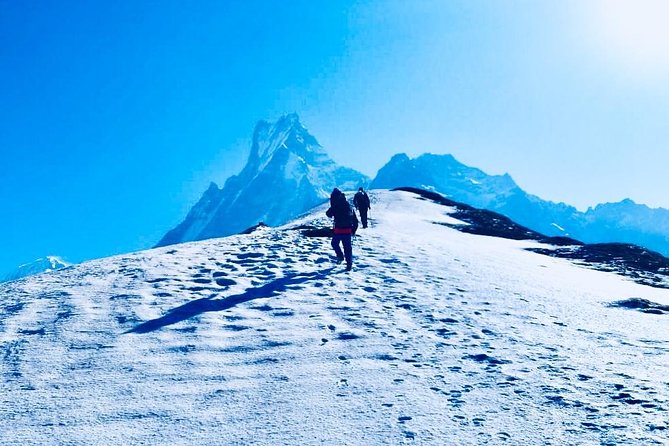
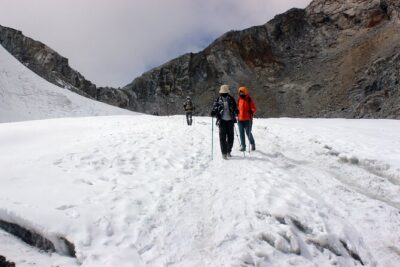
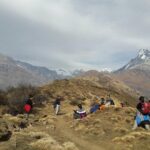
Mardi Himal is one of those treks that feels “doable,” yet still delivers that wide-open mountain feeling. You start in the Pokhara area, then transition through forest, valley sections, and up to ridgeline viewpoints. The top elevation is listed around 4200m, which is high enough to make the air thinner and the views sharper, but it’s not the multi-week slog that some Annapurna routes become.
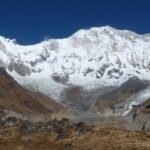
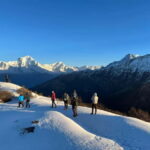
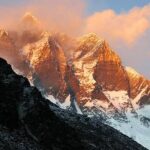
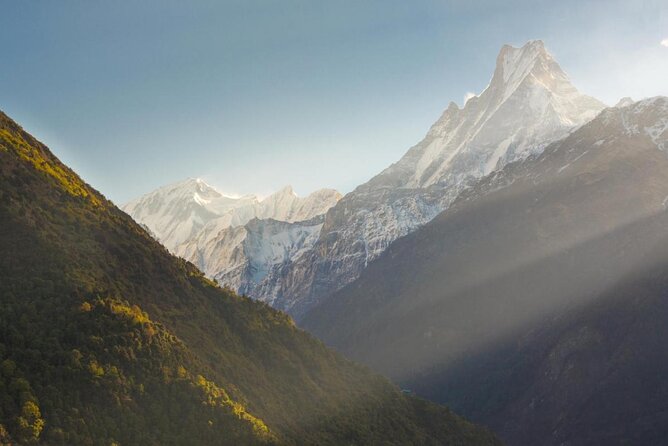
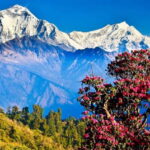
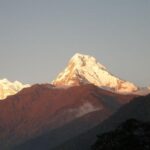
And yes, the Annapurna panorama matters here. You pass villages and ridges where the mountains show up in layers—so the scenery doesn’t come all at once and then vanish. It’s more like a gradual reveal, with the chance to enjoy changing angles as you gain altitude.
You can also read our reviews of more tours and experiences in Pokhara.
Price and Logistics: What You’re Really Paying For
The price shown is $13 per person, and that’s only meaningful when you look at what’s included. In this setup, you’re covering more than a “walk.” You’re getting:
- Accommodation on a sharing basis
- Licensed trekking guide (and assistant guides based on group size)
- Foods and accommodation for the guide/assistant team
- Permits paperwork handling (permit fee itself is separate)
- Meals are included on trek days
What’s not included adds the key reality check:
- Porters are not included (optional at $20 extra per day)
- Your insurance and trekking gears are not included
- Your foods are listed as not included, even though meals are included on trek. Practically, that usually means you should bring extra snacks or personal items for hunger gaps.
- Transportation charge for the trek legs (Pokhara to Phedi and back) is marked as not included, even though pickup/transfer is offered and vehicles may be arranged.
Then there’s the permit cost: 5000 NPR per person for trekking permits, handled by the guide but paid by you in Nepalese currency.
So is this good value? For many people, it is—mainly because guides, meals, and lodge stays reduce guesswork. Your main “real” extra costs are likely porter hire (if you want it), permit fee, and your own gear/insurance.
Fixed Departures in 2023: What That Tells You About the Trip
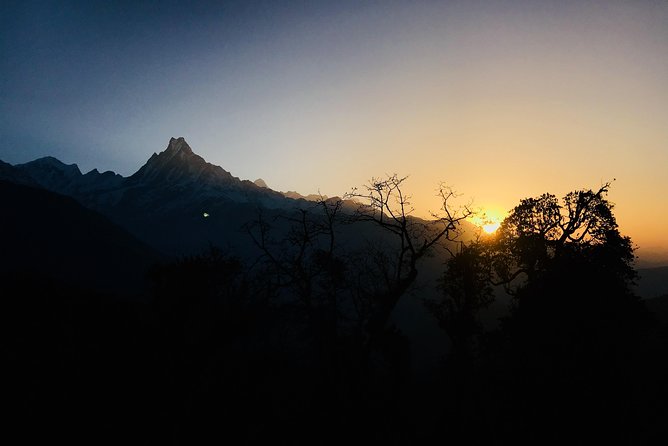
The dates listed for this fixed-departure style run include March 1, March 7 and November 3, November 10, November 17 (2023). That matters because fixed dates usually mean fewer last-minute decisions: you show up in Pokhara, meet your group, and move through the route on a schedule that’s already been planned.
This trek also caps at 24 travelers, which usually keeps it from turning into a herd. It also means you’re less likely to feel lost in the shuffle at meal times or lodge check-ins.
Day-by-Day Walk: From Phedi to Mardi Himal Base Camp
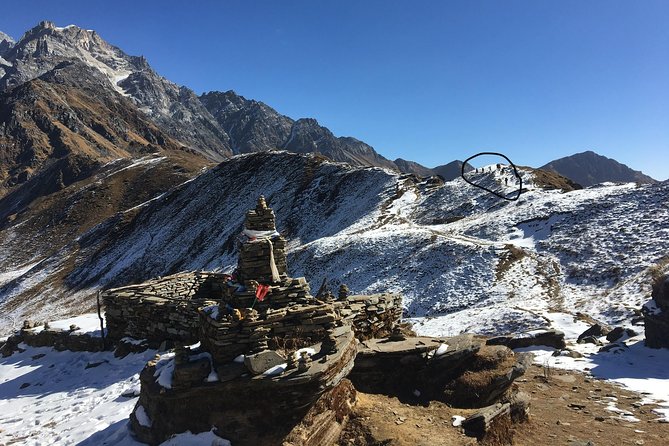
Day 1: Phedi → Dhampus → Pitam Deurali (about 5 hours walking)
After breakfast in Pokhara, the drive takes you to Phedi (about 50 minutes). Then you start hiking at roughly 1175m, heading to Dhampus and onward toward Pitam Deurali.
What I like about this opening day: it mixes effort with culture. Dhampus is described as a village inhabited by Gurung and Brahmin communities, with traditional structured houses and farm terraces. You’re not just passively “passing through”—you’ll see how people actually live in the hills above Pokhara.
You’ll stop for lunch at Pothana, then dinner and overnight at Pitam Deurali (2140m). Also, there’s a practical comfort factor: a warm fire is waiting after a full trekking day, followed by a hot, hearty meal.
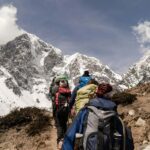
Day 2: Low Camp (2970m) in about 7 hours
Breakfast is scheduled at 8:00 am, then you hike toward Low Camp at 2970m (about 7 hours). Lunch is at Forest Camp, and dinner plus overnight is at Low Camp.
This is a day where pacing really matters. The move from valley and forest travel up toward higher camps is where your body starts adapting. Plan to keep your breathing steady and don’t race the clock. A good guide will help you keep that rhythm.
Day 3: High Camp at 3550m (about 3 hours to the final lodge)
Breakfast at 8:00 am, then you hike to High Camp (3550m) in about 3 hours. Lunch, dinner, and overnight happen at High Camp.
This day feels shorter on paper, but it’s positioned for altitude adaptation. High Camp is also where you learn the “camp reality” of Mardi Himal. The info here is clear: few tea shops may be available further during the morning, but no lodging and proper foodings are indicated beyond that point.
So if you’re the kind of person who always wants one more hot drink before moving on, you’ll want to use this day to get what you need before the next morning.
Day 4: Sunrise tea and the base camp push to about 4210m (then back down)
This is the big day. At 4:30 am, you’ll have tea/coffee, plus you’ll carry a packed breakfast. Then you hike to Mardi Himal Base Camp at about 4210m (around 4 hours, including tea breaks and breakfast).
One detail I really appreciate is that the elevation info is updated. You may see older references saying Base Camp is 4500m in many places, but the route here notes it’s been shifted down in measurement to about 4210m. That helps you plan realistically for your body, not old internet numbers.
After reaching base camp, you hike back to High Camp (about 2 hours), have lunch, then continue down to Low Camp (about 2 hours 15 minutes). Dinner and overnight are back at Low Camp.
This is also the day where your mindset helps. You’re going high, but then you also have a meaningful descent after. Treat the morning hike as a win, not a competition.
Day 5: Down to Sidhing and Lumre, then back to Pokhara
Breakfast is at 8:00 am, then you hike down to Sidhing (1900m) (about 3 hours). Lunch is at Sidhing, then you keep descending to Lumre (around 2.5 hours).
From Lumre, you drive back to Pokhara (about 1 hour 45 minutes). The whole end of the trek is basically “mountain to town” in one clean push—no extra nights needed.
The Guide System: Permits Handled, Porters Optional
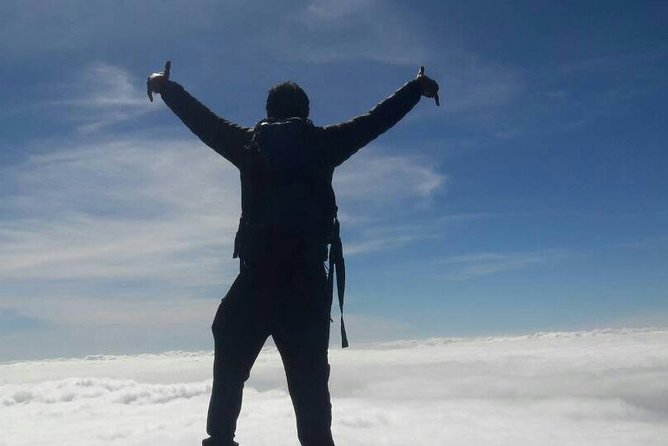
This is a guide-led trek, not a self-navigation challenge. A licensed trekking guide is included, and there are assistant guides depending on group size. Permits and trekking documents are also handled for you, which is one of those quiet travel wins—less paperwork stress, less chasing forms, and fewer last-minute headaches in Pokhara.
Porters are where you get to choose.
- Guides are included.
- Porters are not included.
- You can hire a porter at $20 extra per day.
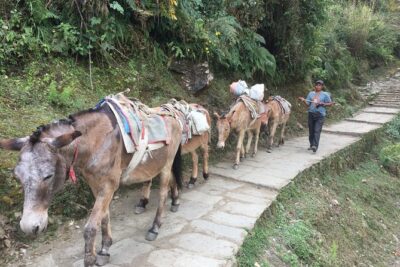
If you’re carrying only a light daypack and you’re strong enough for altitude, you can probably skip the porter. If you want to keep your energy for the high push and you don’t enjoy hauling gear on steep sections, hiring a porter can be a quality-of-life upgrade.
Also, the way the reviews describe Roshan Thapa is consistent with good guide behavior in Nepal: he’s described as organized, available, and tuned into the Annapurna region (including conservation area knowledge). I’d expect that kind of guidance to help you feel safe and understand what you’re seeing beyond just the next bend in the trail.
What Meals and Accommodation Feel Like on the Ground
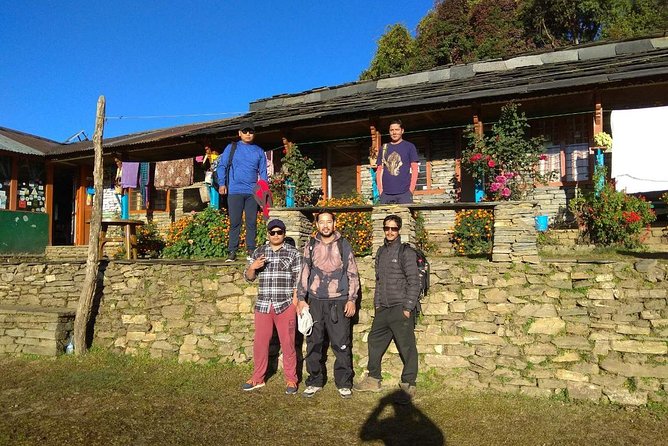
The setup aims for simple comfort after each walking day.
You’ll have meals included on trek and accommodation on a sharing basis. Private rooms aren’t guaranteed—so if you need your own room for sleep quality, you’ll want to plan to book early or be flexible.
Food logistics also change as you gain altitude. At High Camp, tea shops may exist during the morning, but there’s less of the “normal menu” feeling you might expect lower down. That’s why packed breakfast and tea breaks are built into the early base camp hike. Basically: you’ll fuel on schedule, not guess.
And that warm fire detail matters more than you’d think. In mountain lodges, a hot meal and a place to warm up can make the next morning feel easier.
Altitude Reality Check: 3550m, 4210m, and Good Pacing
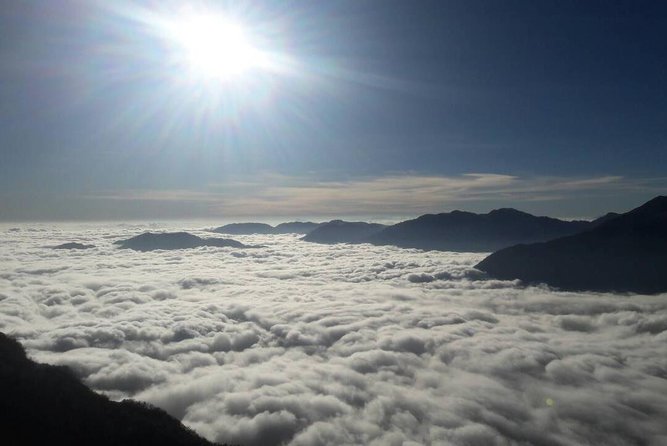
The route tops out around 4210m at base camp, with High Camp at 3550m. That’s not a beginner altitude, but it’s not a death-march either. What keeps it sensible is the structure: you rise in stages, sleep at intermediate points, then push high on a scheduled morning.
Still, altitude affects everyone differently. Your best tool is the simplest one: slow pace. If you start hiking like you’re out for cardio, altitude punishes you.
Also note the route’s correction about base camp height. That means you should treat the plan as it’s given, not as random old elevation screenshots.
Packing and Prep: What to Bring Since Some Things Aren’t Included
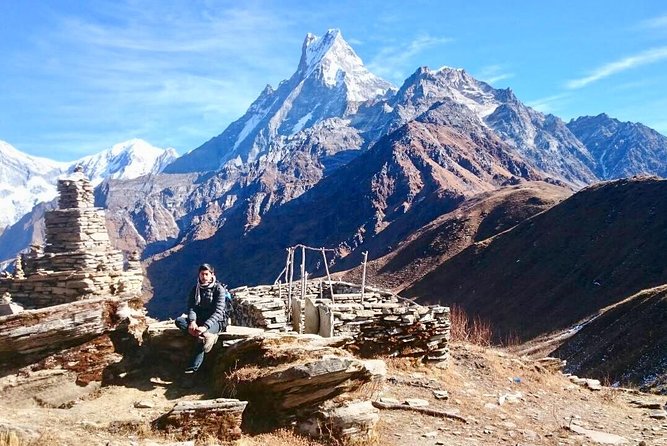
The biggest “don’t assume” items:
- Trekking gear isn’t included, so you’ll want to have proper hiking shoes/boots, layers, and basic cold-weather items.
- Your insurance isn’t included, so sort that before you come.
- Your foods aren’t included even though meals on trek are included. I’d pack small extras like snacks, electrolyte tablets, and anything you rely on when your stomach needs something familiar.
The trek is listed for people with moderate physical fitness. If you’ve hiked stairs and hills for a few weeks before coming to Nepal, you’ll likely feel better on day two and the climb toward Low Camp.
Who This Trek Best Fits
This Mardi Himal fixed-departure style is especially good if you:
- Want the Annapurna experience without committing to a longer, multi-week trek
- Like the idea of a licensed guide handling documents and permits
- Appreciate built-in comfort like included meals, lodge stays, and a warm fire
- Prefer a planned group trip with a controlled group size (up to 24)
It might be less ideal if you:
- Absolutely need private rooms every night
- Hate carrying your own load and don’t want to pay for a porter
- Are not comfortable with altitude up to around 4200m
Should You Book This Mardi Himal Fixed Departure?
If you want a well-organized short trek built around Annapurna views, this one makes sense. The biggest strengths are the practical ones: guide support, permits handled, meals and accommodation included, and a clear route up to Mardi Himal Base Camp around 4210m with staged sleeping.
Book it if you’re ready to hike daily, take altitude seriously, and pack what you need since gear and insurance aren’t included. Skip it or reassess if you need lots of flexibility on meals/space, or if you want to avoid any carrying at all—because porters are optional, not automatic.
FAQ
What is the highest elevation on the Mardi Himal trek in this plan?
The highest point you reach is listed as about 4200m, with Mardi Himal Base Camp noted at around 4210m.
How long is the trek?
The duration is approximately 5 days.
Are meals and accommodation included?
Yes. Meals are included on the trek, and accommodation is provided on a sharing basis.
Who handles permits and trekking documents?
The licensed trekking guide handles permits and trekking documents for you. The permit fee is 5000 NPR per person.
Are porters included?
No. Porters are available for an extra cost of $20 per day, and you can choose whether to hire one.
Where do you meet in Pokhara?
The meeting point is Hallan Chowk (Pokhara), and the activity ends back at the meeting point.
What happens if weather is bad, or if I need to cancel?
This experience requires good weather. If it’s canceled due to poor weather, you’ll be offered a different date or a full refund. Cancellation is free up to 24 hours in advance for a full refund, and there’s no refund if you cancel within 24 hours.