REVIEW · KATHMANDU
Ghorepani Poon Hill Trek 6-Days
Book on Viator →Operated by NEPAL LION TOURS AND TREKS PVT LTD · Bookable on Viator
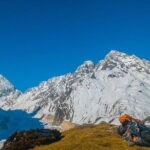
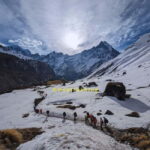
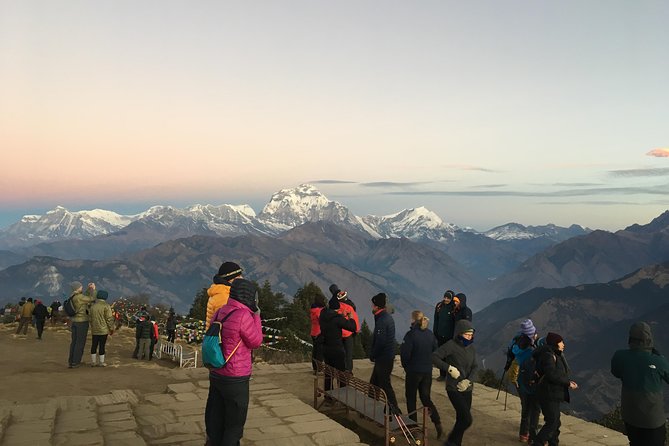
Sunrise at Poon Hill turns the mountains into poetry. This 6-day Ghorepani Poon Hill Trek heads into the Annapurna Conservation Area and climbs to Poon Hill at 3,210 m, where you’re set up for sweeping sunrise panoramas over peaks like Dhaulagiri, Annapurna, and Mt. Ganesh.
I also like how this trip aims for views without endless slogging, with most walking at lower elevations and a pace that fits moderate physical fitness. One thing to consider: early mornings and mountain weather are part of the deal, so cloud cover can affect what you see.
In This Review
- Key highlights you’ll feel fast
- Why Poon Hill at 3,210 m is the big payoff
- Pokhara first: getting your bearings before the trek
- Annapurna Conservation Area trekking, but with a gentler rhythm
- What the 6 days feel like, step by step
- Guides and group size: why organization matters on this route
- Packing and pacing tips for a less-demanding trek
- Meals and lodge nights: included comfort that reduces hassle
- Price and value: what $468.59 includes (and what it doesn’t)
- View expectations: when you’ll see the peaks best
- Culture on the trail: a respectful way to experience village life
- Who should book this Ghorepani Poon Hill trek?
- Should you book this trek with Nepal Lion Tours and Treks?
- FAQ
- FAQ
- What is the start time and location for this trek?
- How long is the Ghorepani Poon Hill Trek?
- Where does the trek end?
- What is the highest point reached on this trek?
- Is hotel pickup and drop-off included?
- What meals and accommodation are included?
- What is not included in the tour price?
- What is the group size limit?
- Is free cancellation available?
- What information do I need to provide at booking?
Key highlights you’ll feel fast
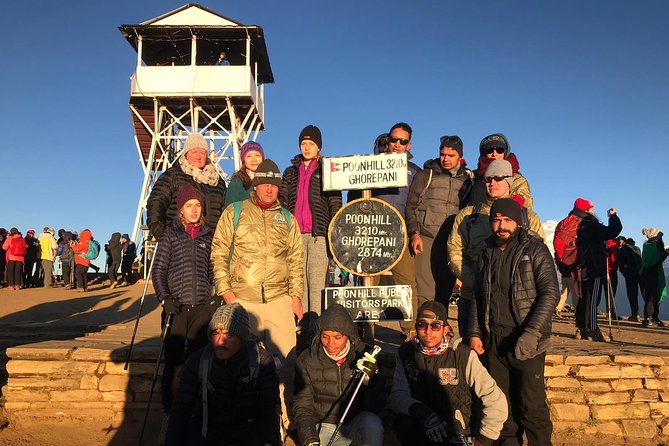
- Poon Hill sunrise panoramas over Dhaulagiri, Annapurna, Mt. Ganesh, and more
- Less-demanding trekking profile with many hours at lower elevations
- Pokhara time before you trek, with Mt. Fishtail and Phewa Lake in the mix
- Professional English guidance and a small group limit of 15
- Included meals and lodging for 5 nights, so you can travel light
Why Poon Hill at 3,210 m is the big payoff
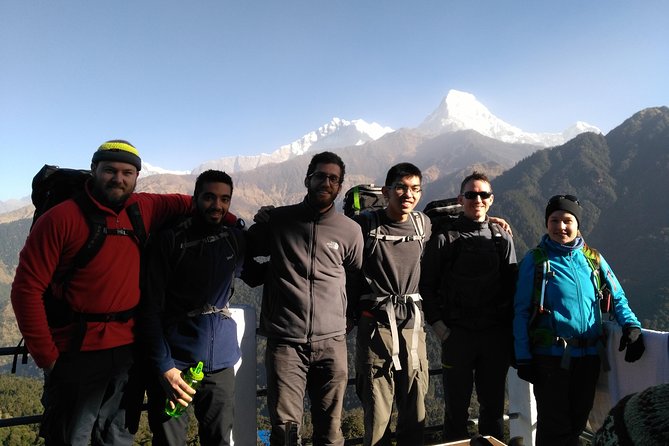
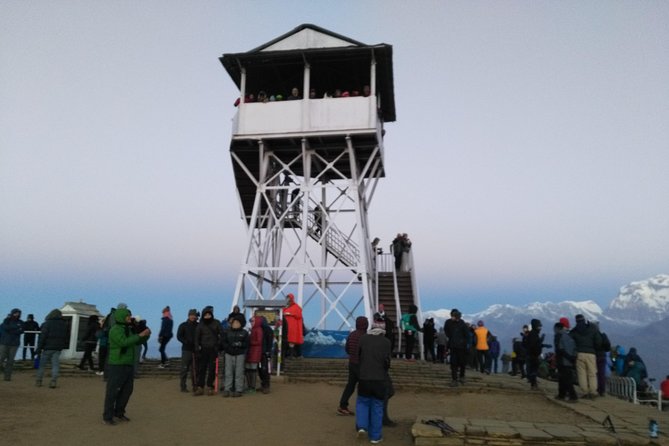
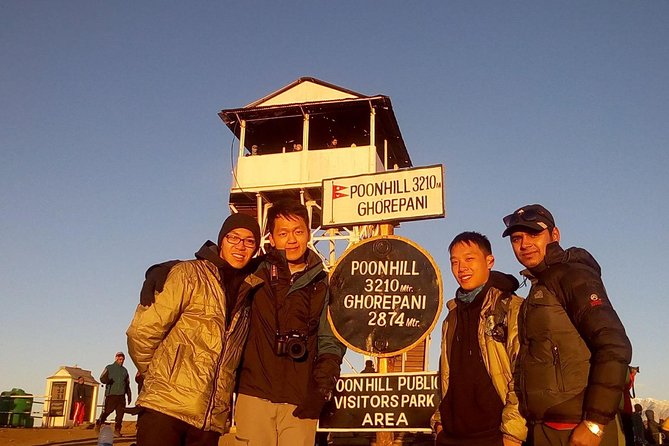
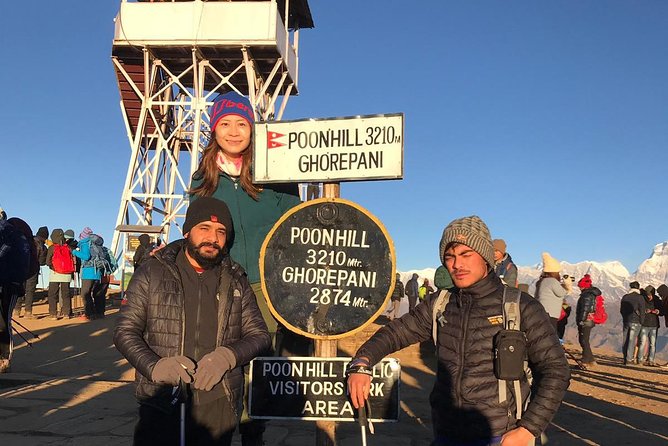
Poon Hill is the star because it’s a lookout that pays you back quickly. Instead of chasing altitude all day, you reach a strong viewpoint where a clear sunrise can show off multiple Himalayan ranges at once.
The view plan is the main reason this trek works. The sunrise is described as a panorama featuring Mt. Dhaulagiri, Mt. Annapurna, Mt. Ganesh, and other nearby peaks, including Mt. Lamjung Himal and Mt. Manaslu. You’ll also get the big-hitting mood that comes with seeing a whole wall of mountains wake up together.
Practical note: sunrise viewing is weather-dependent. If the sky is hazy, you may still enjoy the morning light, but the sharpness of peak views can be less dramatic than you hoped. That’s not a problem with the trek—just mountain reality.
You can also read our reviews of more tours and experiences in Kathmandu.
Pokhara first: getting your bearings before the trek
This trip includes visiting Pokhara before trekking. That matters more than you might think, because you’re not just jumping straight into the mountains from Kathmandu.
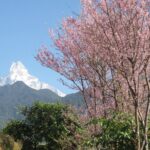
Pokhara is paired with iconic scenery: the tour highlights views of Mt. Fishtail and Phewa Lake. Even if you just use this time to rest, eat well, and plan your gear, it helps your trek start feeling calmer and more controlled.
If you’re the type who gets anxious when everything is new, Pokhara gives you a buffer. You can take care of small practical items, get used to the pace of mountain travel, and set your body up for the early starts ahead.
Annapurna Conservation Area trekking, but with a gentler rhythm
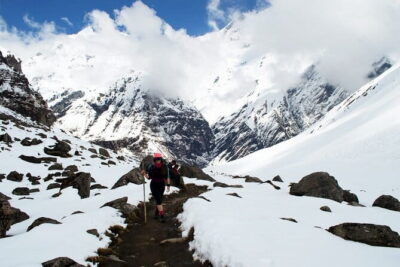
The trek is in the Annapurna Conservation Area, and the route is designed to be friendlier for people who don’t want long hours of hard uphill walking.
The tour description specifically notes that most trekking takes place at lower elevations, which usually means less extreme altitude pressure. It also says this is ideal if you want the feel of a Himalayan trek without constantly walking for very long hours. That’s a key distinction, because some treks sell the same idea but then quietly turn into full-day grinders.
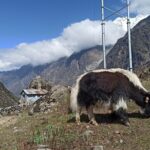
What you can expect day-to-day is a mix of moving through mountain terrain and enjoying frequent breaks for scenery. The “cultural and ethnic tour” angle also matters here. The walk isn’t just about the summit view; it’s also about how communities live in this region.
Bottom line: this is a good choice if you want the magic of the Himalaya but you’d rather spend your energy on good moments than survival-mode trekking.
What the 6 days feel like, step by step
You’ll start in Kathmandu from Thamel (44600) with a 6:15 am start, and the experience ends back at the same meeting point. Hotel pickup is offered, and you’re dealing with a small-group trek (up to 15 people), so the day-to-day flow tends to stay organized.
Because the details provided focus on the big features (Pokhara, Poon Hill at 3,210 m, sunrise panorama, and the trekking style), here’s the most accurate way to think about the 6 days: four core phases—transfer, trekking build-up, sunrise viewpoint day, and return.
Day 1: Kathmandu to the Pokhara side of the trip
You begin early from Thamel. This first day typically sets you up for the Pokhara part of the experience, where Mt. Fishtail and Phewa Lake are part of the scenery highlights.
Days 2–4: Trek build-up at lower elevations
This is where the gentler trekking profile shows up. Expect walking that feels manageable compared with high-altitude treks, plus a cultural component as you move through the Annapurna area. The goal is to get you into position to enjoy Poon Hill without cooking yourself early.
Day 5: Poon Hill viewpoint for sunrise panoramas
This is the main moment. You’re trekking to the Poon Hill elevation of 3,210 m for a sunrise view that includes major peaks such as Dhaulagiri and Annapurna, plus Mt. Ganesh and others. Plan for an early push to catch the light when conditions are best.
Day 6: Trek finish and back to Kathmandu
The tour ends back at the meeting point in Thamel. The wrap-up is about returning you safely, calmly, and on time so you can continue your Nepal trip without mystery logistics.
Guides and group size: why organization matters on this route
Group size isn’t a small detail on a trek like this. With a maximum of 15 travelers, you avoid the chaos that can happen when too many people pile onto narrow paths or slow down the rhythm of early-morning viewing.
You also get a professional English guide, which is a big deal when you’re moving through mountain terrain, coordinating timing for the sunrise view, and trying to understand what you’re seeing. The supplied information and guidance names suggest a strong emphasis on hands-on leadership.
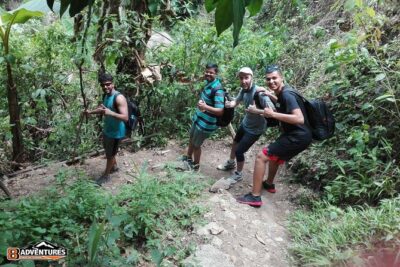
The guides named in the experience highlights include Binod Adhikari, Rajendra Lamichane, and Bijay Adhikari. I especially like the idea that the guide can adjust the plan to match your preferences and comfort. One of the strongest praises tied to this trek is how the guidance team makes people feel at ease and keeps everything organized, including confirming equipment before you go.
If you’re not the kind of person who enjoys figuring everything out on your own, this matters. Good guide leadership is often the difference between a trek that feels smooth and one that feels stressful.
Packing and pacing tips for a less-demanding trek
Even though this trek is described as less demanding than many, you’re still in the mountains. The smart move is to pack like you’ll be outside early and occasionally walking on uneven terrain.
Here’s the approach that fits this specific tour style:
- Keep your layers ready. Sunrise mornings can feel colder than later in the day.
- Bring gear you’re comfortable with for several days of walking, since the trip includes 5 nights of accommodation and meals.
- If you use trekking poles, consider bringing them. Lower elevation treks still include descents where poles help you stay stable.
Pacing matters more than speed on view-focused trips. Since the route is designed to keep most walking at lower elevations, you’ll likely have the energy to enjoy the scenery instead of only focusing on finishing.
Meals and lodge nights: included comfort that reduces hassle
You get 5 nights accommodation and meals as per the itinerary: breakfast, lunch, and dinner. That kind of structure is excellent value because you’re not constantly deciding where to eat or trying to calculate what’s included versus extra.
Meals being included also helps with pacing. You can plan your day around walking, viewpoint time, and recovery instead of juggling shopping stops. It’s especially useful on trek days when you want your head in the mountains, not in payment math.
Also, included lodging tends to mean you’re not scrambling for beds at the last minute. That’s one less source of uncertainty, and on a trek that’s timed around sunrise views, less uncertainty is always a win.
Price and value: what $468.59 includes (and what it doesn’t)
The price is $468.59 per person for this 6-day experience, and it’s important to look at what you’re actually buying.
Included:
- 5 nights accommodation
- Meals (breakfast, lunch, dinner) per the itinerary
- All taxes, fees, and handling charges
- Professional English guide
- Hotel pickup and drop-off
Not included:
- International airfare and visa charges
- Travel and medical insurance
- Any hotel expenses in Kathmandu or Pokhara after the package ends
- Personal expenses (shopping, bar bills, hot shower, phone, laundry, snacks, and similar)
- Emergency expenses such as a chartered helicopter
- Tips for guides and porters
Value perspective: You’re paying for built-in structure—guide, meals, and lodging—plus the hand-off between Kathmandu and the trekking program. That’s often what costs you extra time and stress when you try to DIY this trek.
The main way cost can climb is after the official end of the package (extra nights in Kathmandu or Pokhara) and any personal spending like laundry, phone use, or optional extras. And yes, tips are not included, so budget for that if you want everything to feel respectful and complete.
View expectations: when you’ll see the peaks best
The headline promise is sunrise views over multiple peaks: Dhaulagiri, Annapurna, Ganesh, and others. But mountains run on weather.
What you can do is treat your sunrise day like a priority event:
- Be ready for early timing.
- Keep your expectations realistic. If the sky is clear, you’ll get the full “wide view” feeling. If clouds roll in, you may still enjoy the morning ambiance, just with less definition.
This is also where a good guide helps. An organized guide approach makes it more likely you’re in the right place at the right moment, rather than guessing as conditions change.
Culture on the trail: a respectful way to experience village life
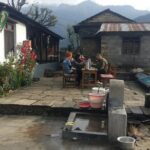
This trek is described as a cultural and ethnic tour. That’s a reminder that you’re walking through real community areas, not just a scenic corridor.
You’ll get the most out of this part by using basic trail respect:
- Keep noise down when passing through small settlements.
- Ask before taking photos of people.
- Be mindful about litter and trail etiquette.
On a trek like this, the cultural side is often what makes the days feel personal, not just panoramic. The sunrise gives you the spectacle; the walk gives you the connection.
Who should book this Ghorepani Poon Hill trek?
This is a strong fit if you:
- Want Himalayan sunrise views without long, brutal trekking days
- Prefer lower elevation walking and moderate physical demands
- Like having a professional English guide and clear meal/lodging structure
- Want a trip that blends Pokhara scenery with an Annapurna-region trek
It may not be the best fit if you’re chasing a very high-altitude challenge or you want a fully DIY-style backpacking experience. This program is more about comfort, organization, and payoff.
Should you book this trek with Nepal Lion Tours and Treks?
If you want a well-run Ghorepani Poon Hill trek built around sunrise and big-name peak panoramas, this looks like a solid choice. The strongest signals here are practical: included meals and lodging for 5 nights, hotel pickup and drop-off, and a small group size that keeps things under control.
The guidance focus is also a major plus. Named guides like Binod Adhikari, Rajendra Lamichane, and Bijay Adhikari come up in the positive notes for making people feel comfortable and keeping the trek organized, including attention to equipment readiness. That’s exactly what you want when early morning timing is part of the magic.
One last decision tip: if weather matters a lot to you, travel with flexibility. Sunrise peaks are the goal, but even on a plan like this, clouds can change what you see. If you can accept that, you’ll likely enjoy the journey.
FAQ
FAQ
What is the start time and location for this trek?
The trek starts in Thamel, Kathmandu 44600, Nepal, with a start time of 6:15 am.
How long is the Ghorepani Poon Hill Trek?
The duration is 6 days (approximately).
Where does the trek end?
It ends back at the meeting point in Thamel, Kathmandu.
What is the highest point reached on this trek?
The trek goes to Poon Hill at 3,210 m.
Is hotel pickup and drop-off included?
Yes. Hotel pickup and drop-off are included.
What meals and accommodation are included?
You get 5 nights accommodation, and meals are included as per the itinerary (breakfast, lunch, and dinner).
What is not included in the tour price?
International airfare and visa charges, travel and medical insurance, hotel expenses in Kathmandu or Pokhara after the package ends, personal expenses, emergency expenses (like a chartered helicopter), and tips for guides and porters.
What is the group size limit?
The maximum group size is 15 travelers.
Is free cancellation available?
Yes. You can cancel up to 24 hours in advance for a full refund.
What information do I need to provide at booking?
Passport name, number, expiry, and country are required for all participants.