REVIEW · KATHMANDU
Everest Base Camp Trek -14 Days
Book on Viator →Operated by Alpine Ramble Treks · Bookable on Viator
That first Lukla flight changes your whole trip. This Everest Base Camp trek brings you from Kathmandu into Sherpa country with a small group (max 12), a licensed guide, and a planned route to Everest Base Camp at 17,598 feet. You’ll also get a night back in Kathmandu with dinner, so the whole experience feels balanced instead of just “sleep, hike, repeat.”
I especially like the way the trip builds in acclimatization and rest moments, instead of pushing you straight up. And the food plan is practical: full-board meals in trekking lodges keep you fueled with familiar, local options as you go from pine forest days to glacier views. The one thing to watch is cost creep: meals and lodges during the trek are included, but you pay for water, drinks, Wi‑Fi, snacks, and tipping.
In This Review
- Key things I’d highlight before you go
- Entering Sherpa Country: Why This Everest Base Camp Trek Still Feels Classic
- Small-Group Rhythm From Thamel (and Why Max 12 Matters)
- Price and Logistics: What You’re Really Paying For
- Day-by-Day Route You Can Picture: Kathmandu to Kala Patthar and Back
- Day 1: Arrival in Kathmandu and a night to reset
- Day 2: Flight to Lukla, Sherpa crew introductions, then an easy start
- Day 3: Pine forest trails, a river crossing, and early Everest views
- Day 4: Acclimatization day with big panoramic lookouts
- Day 5: Highway of Everest—down to Dudh-Koshi, up along rhododendron
- Day 6: Tengboche monastery in the morning light
- Day 7: Dingboche rest day—fields, stone walls, and a breather
- Day 8: Up toward the ridge and memorials at Chukpo Lari
- Day 9: Khumbu Glacier northwards and the lateral moraine feeling
- Day 10: Kalapathar sunrise—360-degree Himalayan views
- Day 11: Descent back through Sherpa villages and another Tengboche climb
- Day 12: Returning through Jorsalle, Manjo, Benkar, Phakding, plus suspension bridges
- Day 13: Fly back to Kathmandu and take the day slowly
- Food, Lodges, and What Costs You Should Budget on the Ground
- Altitude Reality Check: Acclimatization and the High-Point Days
- Guides, Team Support, and the Human Side of the Trek
- Who Should Book This Everest Base Camp Trek (and Who Might Reconsider)
- Should You Book Alpine Ramble’s Everest Base Camp Trek?
- FAQ
- FAQ
- How long is the Everest Base Camp trek?
- Where does the tour start and end?
- Are flights included to Lukla?
- Is a guide included?
- What meals and lodging are included?
- Do I need to arrange permits for the park?
- Is there any support for altitude sickness?
- Can I use a porter?
- What costs are not included?
- What is the cancellation policy?
Key things I’d highlight before you go
- Max 12 travelers means you’re less stuck in a big crowd and more likely to chat with people on the trail
- Round-trip Lukla flights remove a lot of hassle compared with piecing travel together yourself
- Government-licensed guide + trekking docs included (Everest National Park and TIMS)
- Full-board meals during the trek help you focus on walking, not constant decision-making
- Diamox included in the first-aid kit for altitude sickness support
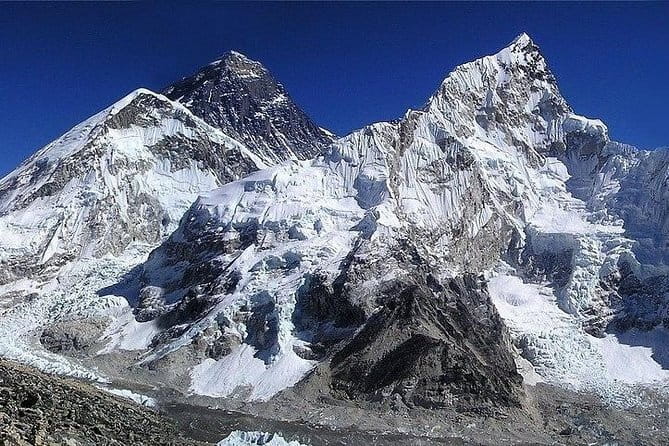
- Kala Patthar sunrise is the main “big payoff” day, with 360-degree views mentioned on the route
Entering Sherpa Country: Why This Everest Base Camp Trek Still Feels Classic
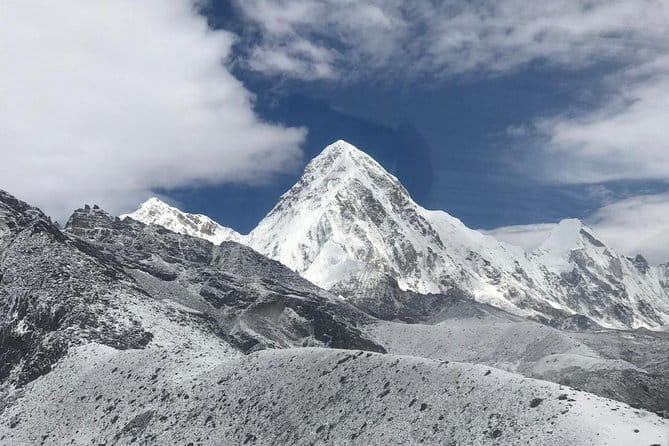
Everest Base Camp is the kind of destination that lives in guidebooks for a reason: it’s high, historic, and visually loud. The trek here takes you to Everest Base Camp at 5,364 meters, which is a big number on paper and an even bigger one when you’re breathing thin air and looking at the Khumbu region stacked with peaks.
One added twist: the package notes that Everest Base Camp is expected to move locations. If you’ve been waiting for the “right time,” that makes the planning feel more urgent. Even if you’re not chasing history, you’re chasing a specific place and specific views—and this route is built to deliver them while the classic timing is still available.
The route also starts in the most iconic way possible: a short scenic flight to Lukla. That 35-minute jump from city to mountains isn’t just convenient. It’s your mental shift from traffic and schedules to altitude, prayer flags, and trail rhythms.
You can also read our reviews of more tours and experiences in Kathmandu.
Small-Group Rhythm From Thamel (and Why Max 12 Matters)
This isn’t a mega-bus tour. It’s designed around a small group of 12 travelers maximum, which changes the feeling of the trek.
First, you get fewer bottlenecks. On popular days—especially around major stops like Tengboche, Dingboche, and the Kala Patthar approach—you’ll still share the trail with other trekkers, but your group size stays manageable. That usually helps with pacing: you can stop when you need to, not when the biggest mass decides to move.
Second, the logistics feel calmer. The trip includes a licensed guide and a support crew arranged for your luggage. In Sherpa trekking culture, carrying your pack is a big part of how you keep energy for walking, and here the plan includes a crew to carry your luggage throughout the trek.
From the Kathmandu side, you’ll start in Thamel, which is near public transportation. Pickup is offered, and the tour uses a mobile ticket, so you’re not juggling printed scraps of information.
Price and Logistics: What You’re Really Paying For
At $1,420 per person, this trek is priced around the essentials that normally cost time and energy to organize: domestic flights, guides and permits, and in-trek meals/lodging.
Here’s what’s included, in plain terms:
- Round-trip flights between Kathmandu and Lukla (including departure taxes)
- Full-board meals during the trek (breakfast, lunch, dinner)
- Trekking-lodge accommodations during the trek
- Government-licensed guide plus a first-aid medical kit
- Trekking documents (Everest National Park and TIMS)
- Basic high-altitude support: first-aid kit including Diamox
- Emergency rescue operation noted as funded by travel insurance
- Government/local taxes and official expenses
What’s not included (and it matters for budgeting):
- International flights and your Nepal entry visa
- Hotel/food before and after the trek (besides the Kathmandu night mentioned in the overview)
- Local porter if you need one
- Personal expenses like hot shower, hot/cold drinks, snacks, water, Wi‑Fi
- Tipping/gratitude to guide and staff
So the value isn’t just the number. It’s that you buy a working system: permits handled, flights handled, meals handled, and a guide handled. You pay extra mainly for comfort upgrades and convenience items on top of the base plan.
Day-by-Day Route You Can Picture: Kathmandu to Kala Patthar and Back
Below is how the trek rhythm plays out, day by day, and what each stop is really doing for you.
Day 1: Arrival in Kathmandu and a night to reset
You land at Tribhuvan International Airport, meet the ART staff, and get transferred to your hotel for overnight. This is your first soft landing: you’re in a comfortable base before flights to Lukla and before your body shifts into mountain time.
The bigger idea here is mental reset. Kathmandu is loud and full of choices; one organized night helps you handle gear prep and sleep without chaos.
Day 2: Flight to Lukla, Sherpa crew introductions, then an easy start
You take an early 35-minute scenic flight to Lukla, then meet and introduce the crew who will carry your luggage the whole trek. After that, the trek starts with a short acclimatization-style walk—about 2 hours—so you’re not immediately going hard after landing.
This day is about getting your legs moving while your body starts adjusting. It’s also a good day to get your gear system sorted: water habits, layers, and how you carry what’s worth carrying.
Day 3: Pine forest trails, a river crossing, and early Everest views
The morning starts with hot drinks and breakfast, then you trek through lush pine forest and cross the Dudkosi River. A big payoff happens here: you get a first look at Mount Everest along with other major peaks in the view.
This is the “warm-up wonder” day. You’ll likely feel that classic trekking mix of tired legs and excited focus.
Day 4: Acclimatization day with big panoramic lookouts
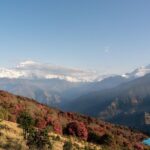
Today is framed as rest and acclimatization. After breakfast, you ascend to a viewpoint for mountain panorama: Everest, Lhotse, Cholatse, Thamserku, Kwangde, Khandala, Ama Dablam, and more, plus a valley view.
A drawback to acknowledge: viewpoint climbs can feel slower than you expect at altitude. The trade-off is you’re buying time for your body to adjust while still getting the mountain drama.
Day 5: Highway of Everest—down to Dudh-Koshi, up along rhododendron
The route follows the high way of Everest, then includes a famous descent to the Dudh-Koshi River and an ascent along the rhododendron corridor.
If you like trail variety, this day is built for it: walking is still the main activity, but the scenery changes as you lose and regain elevation.
Day 6: Tengboche monastery in the morning light
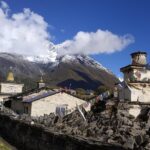
In the early morning, the Tengboche monastery area and surrounding mountains are described as pristine and spectacular. After breakfast, the trail continues through forest scenery, including a reference to Werner’s Merlin’s Forest.
This day matters for more than photo stops. A monastery morning gives you a different pace and a different emotional tone—less “climb mode” and more “stillness before higher ground.”
Day 7: Dingboche rest day—fields, stone walls, and a breather
You get a rest day at Dingboche, a popular stop for trekkers and climbers headed toward Everest, Ama Dablam, or Imja Tse. The village is described as beautiful, with fields enclosed by stone walls.
Even when you’re resting, you’re still at altitude. The best use of a rest day is simple: take it easy, hydrate, and move just enough to keep your legs from locking up.
Day 8: Up toward the ridge and memorials at Chukpo Lari
You start with a gradual climb to Duglha, then tackle a steep climb to the ridge at Chukpo Lari, where there are memorials dedicated to climbers who’ve died on Mount Everest.
That memorial moment is heavy, but it’s also part of why this trek is meaningful. It reminds you that this terrain isn’t a postcard machine.
Day 9: Khumbu Glacier northwards and the lateral moraine feeling
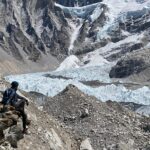
From Lobuche, the trail goes across flat meadow for a while, then follows the Khumbu Glacier northwards. After that come short climbs and a move onto the lateral moraine route.
This is where the landscape shifts from “valley walking” to “high-mountain walking.” Even if your legs are tired, the terrain itself becomes a new experience.
Day 10: Kalapathar sunrise—360-degree Himalayan views
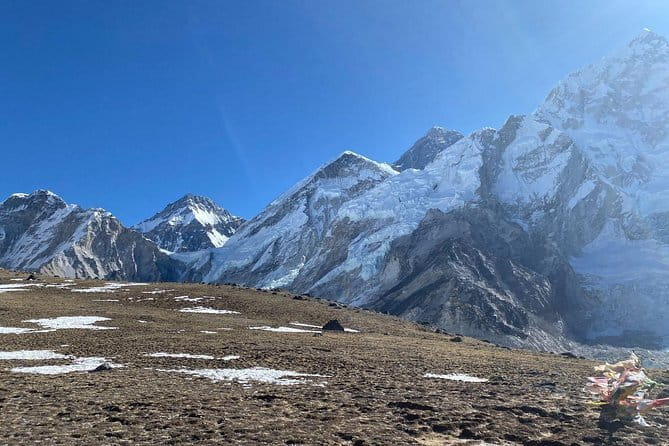
This is the big one. Wake early, climb about two hours to Kalapathar near Mt. Pumori’s bottom, and aim for sunrise. You get a 360-degree view of the Himalayan giants, including Everest and other surrounding peaks listed on the route.
Practical note: early wake-ups can be rough, but this kind of sunrise payoff is one of the main reasons people choose this trek. If you’re even slightly motivated by views, this day tends to justify the whole grind.
Day 11: Descent back through Sherpa villages and another Tengboche climb
You descend through Sherpa villages, reach and cross the Dudkosi River area, then head through forest back via Dingboche, and climb up to Tengboche.
You’re not just going “back the way you came.” The loop rhythm keeps your mind engaged while also letting your body recover some elevation strain.
Day 12: Returning through Jorsalle, Manjo, Benkar, Phakding, plus suspension bridges
Today’s trek descends through the same route segments—Jorsalle, Manjo, Benkar, Phakding—and includes suspension bridges over the Dudh Koshi River.
This is a welcome day because descending feels easier mentally, even if your knees still notice. Bridges add variety, and they break up the long slog.
Day 13: Fly back to Kathmandu and take the day slowly
You fly back to Kathmandu and get a leisure day. This is when you can breathe, eat something a bit more relaxed, and decide how you want to spend your remaining time in Nepal.
If you’ve been saving energy, use this day for recovery. If you’ve got energy, use it for Kathmandu wandering near Thamel.
Food, Lodges, and What Costs You Should Budget on the Ground
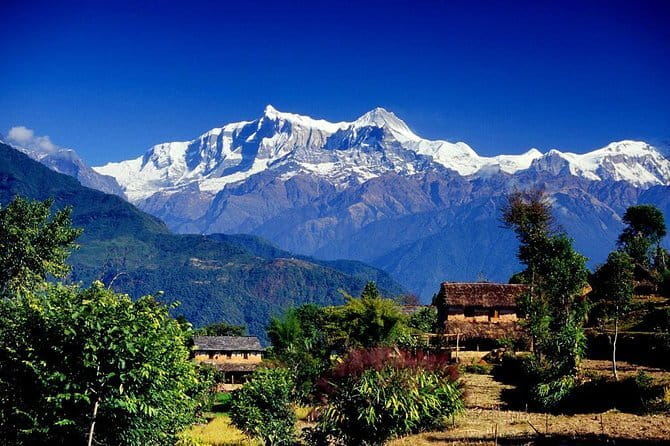
One of the smartest parts of this trek is that the “fuel” side is set. You get full-board meals during the trekking portion—breakfast, lunch, and dinner—and you stay in trekking lodges. That removes a lot of daily decision fatigue.
Still, the package makes a point of what you pay for yourself:
- Water and drinks
- Wi‑Fi
- Hot and cold drinks like coffee/tea
- Snacks
- Hot shower
This is where your budget can sneak up. To keep things sane, I’d plan a daily spending ceiling for drinks and Wi‑Fi and stick to it. At altitude, it’s tempting to “make it a treat” every time you see a menu.
Also keep expectations realistic about trekking-lodge life: you’re trading comfort for altitude access. The good news is that meals are included, so you’re not living on the edge of hunger.
Altitude Reality Check: Acclimatization and the High-Point Days
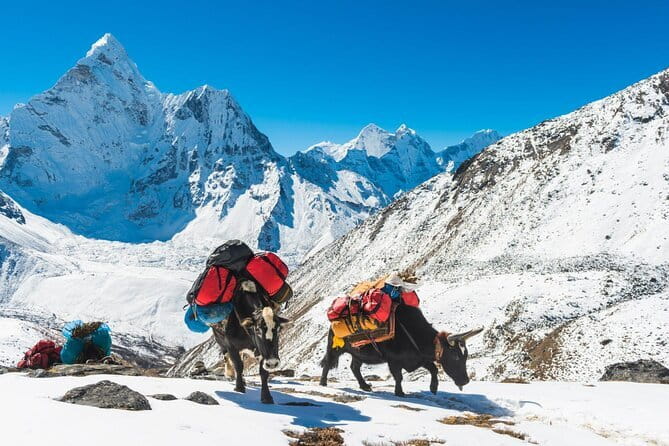
This trek reaches 5,364 meters at Everest Base Camp, so altitude isn’t a side quest—it’s the main story. The itinerary addresses that with rest and acclimatization moments on the route (including the rest day at Dingboche and the acclimatization framing around other days).
Support matters here, and the trip includes:
- A basic first-aid box including Diamox for altitude sickness support
- A first aid medical kit
- A licensed guide and emergency rescue operation noted as funded by travel insurance
A possible consideration: the schedule includes early starts for key view days like the Kala Patthar sunrise. Early mornings can make altitude feel harder, even if you’re physically prepared.
If you’re the type who gets anxious about how your body will respond, this route’s pacing structure can help, but you should still take acclimatization seriously and not rush.
Guides, Team Support, and the Human Side of the Trek
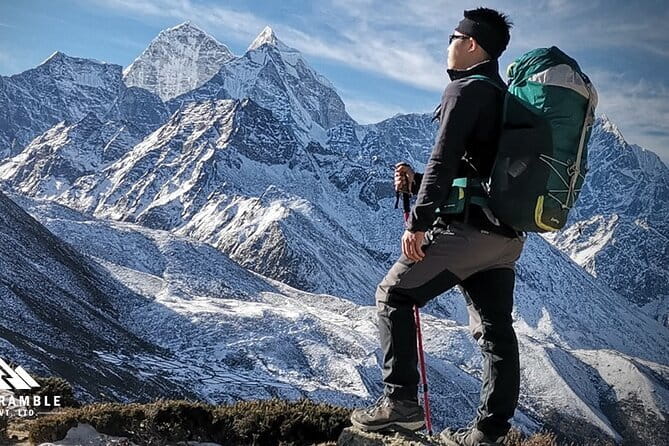
The experience is built around a guide-led group, and the operator is set up to handle the “people” parts: airport pickup, transfers, in-trek guidance, paperwork, and the day-to-day structure.
Names that show up in past team descriptions include Dil (owner) and guides such as Sujal, Amer, Nir, Ram, Saugat, Laxman, and Subash. One described arrival experience includes marigold garlands at the airport welcome. You might not get the exact same details every trip, but the theme is clear: you’re not just dropped off with a map.
This matters because Everest Base Camp is complicated. You don’t just need direction. You need someone who can manage timing, keep the group together, and help you handle altitude decisions with calm logic.
Who Should Book This Everest Base Camp Trek (and Who Might Reconsider)
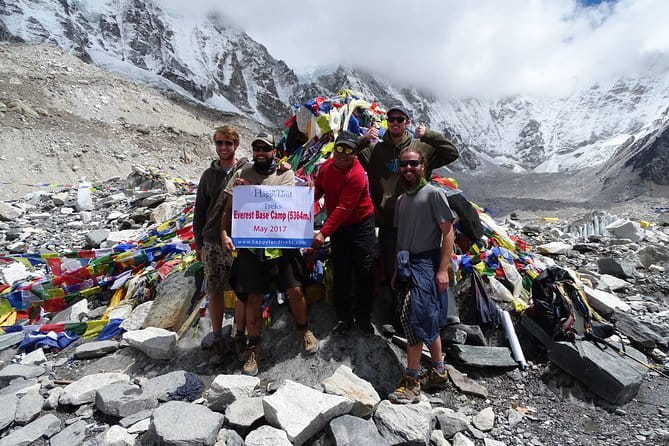
This trek is listed for people with moderate physical fitness. That usually points to a common sweet spot: you can hike steadily for hours, you’re comfortable with basic trekking lodge accommodations, and you can handle altitude without expecting luxury.
It’s also a good fit if you want:
- A classic route with a strong “destination day” payoff (Kalapathar sunrise)
- A group small enough to talk with others during walks
- An operator that includes permits and paperwork, not just a guide with a phone
You might rethink it if:
- You want lots of downtime with zero hiking days
- You dislike the idea of paying extra for water, drinks, Wi‑Fi, and tipping
- You have concerns about altitude and early starts and don’t feel you can pace yourself
Should You Book Alpine Ramble’s Everest Base Camp Trek?
If you want Everest Base Camp with the important basics handled—Lukla flights, permits, lodge stays, meals, and a licensed guide—this is a solid value play at $1,420. The small group size helps the experience feel human, and the itinerary includes key view moments like Tengboche and Kalapathar without pretending altitude is easy.
I’d recommend booking if:
- You like a structured plan but still want real trail time
- You want to minimize stress around paperwork and logistics
- You’re okay paying separately for comforts like water upgrades, Wi‑Fi, and hot showers
I’d hesitate if:
- You’re very cost-sensitive beyond the base price
- You want maximum comfort, since trekking lodges and altitude pacing are part of the deal
FAQ
FAQ
How long is the Everest Base Camp trek?
The schedule runs from Day 1 through Day 13, so it’s about 13 days on the itinerary. It’s marketed as a 14-day trek, with travel and trekking time packed into that overall window.
Where does the tour start and end?
It starts at Thamel, Kathmandu and ends back at the same meeting point.
Are flights included to Lukla?
Yes. The package includes round-trip flights Kathmandu to Lukla and Lukla to Kathmandu, including departure taxes.
Is a guide included?
Yes. You get a professional, experienced, friendly, government-licensed holder guide.
What meals and lodging are included?
During the trek you get full-board meals (breakfast, lunch, dinner) and accommodations at trekking lodges.
Do I need to arrange permits for the park?
No. The trek includes trekking documents for Everest National Park and TIMS.
Is there any support for altitude sickness?
Yes. There’s a basic first-aid box including Diamox listed as part of the package, plus first-aid medical kit support.
Can I use a porter?
A local porter is not included unless you need one. You can add porter support if required, but you’d pay for it.
What costs are not included?
Not included: international flights, Nepal entry visa fees, accommodations/food before and after the trek, local porter if you need it, and personal expenses like water, hot/cold drinks, Wi‑Fi, snacks, and hot showers. Tipping/gratitude to guide and staff is also not included.
What is the cancellation policy?
Free cancellation is allowed up to 24 hours in advance for a full refund. Canceling less than 24 hours before the start time isn’t refunded.