REVIEW · POKHARA
4Nights 5Days PoonHill Trek
Book on Viator →Operated by Dadhi Ram Thapa · Bookable on Viator
Sunrise from 3,210 meters is the big draw here. This 4Nights 5Days PoonHill trek links Pokhara to classic Gurung-era villages and ridge views, with Poon Hill timing built around the Annapurna and Dhaulagiri sunrise moment.
I also love how the route stays human-scaled: you’re hiking mostly 5–6 hours, sleeping in tea houses, and getting enough structure that you don’t spend the whole day figuring things out. One consideration: even when the trail is considered doable, you’ll still face plenty of steps and stair climbing, plus early mornings for sunrise.
In This Review
- Key points worth your attention
- Pokhara-to-Poon Hill: why this trek works so well
- Day 1: Pokhara to Ulleri via Nayapul (rivers, forests, village feel)
- Day 2: Ulleri to Ghorepani (green trail time and mountain glimpses)
- Day 3: Poon Hill sunrise at 3,210 m (Annapurna and Dhaulagiri payoff day)
- Day 4: Tadapani to Jhinu Danda hot spring (recovery with mountain views)
- Day 5: back to Nayapul and Pokhara Lakeside (finish without chaos)
- Tea houses, altitude, and the real-life comfort equation
- Price and value: what $300 gets you (and what it doesn’t)
- Guide quality: why Dadhi Ram Thapa matters on a short trek
- Who should book this trek (and who should think twice)
- Should you book the 4Nights 5Days Poon Hill trek?
- FAQ
- How long is the Poon Hill trek?
- Where does the trek start and end?
- Is pickup from Pokhara included?
- What’s included in the price?
- Are meals included?
- Do I need to pay for permits?
- Is there a hot spring on the route?
- How long are the trekking days?
- Is this a private tour?
- What is the cancellation policy?
Key points worth your attention
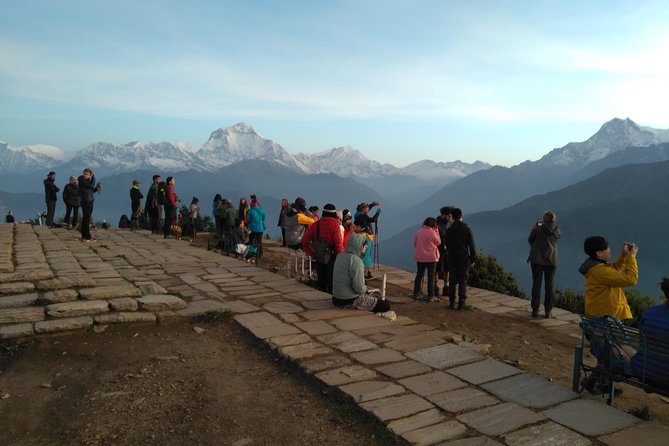
- Poon Hill sunrise at 3,210 m gives you a prime view over the Annapurna and Dhaulagiri range
- Dadhi Ram Thapa-style guiding focuses on safety, humor, and keeping the group comfortable
- Private transfer from Pokhara to Nayapul (and back) saves you hassle on the trekking start and finish
- Tea house accommodation means you’re not carrying camping gear for this trek
- Jhinu Danda hot spring stop adds a real recovery break after downhill and forest walking
Pokhara-to-Poon Hill: why this trek works so well
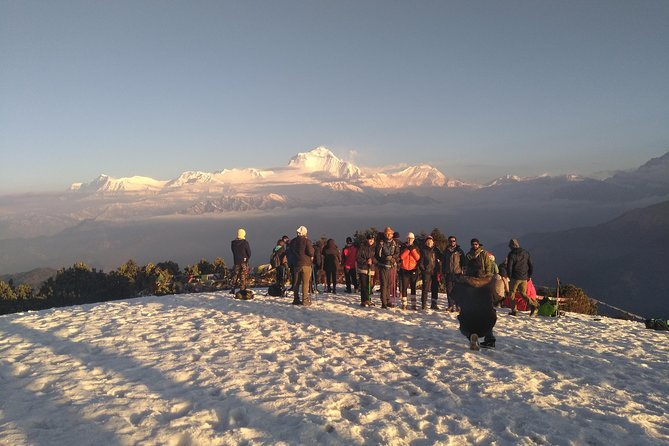
If you want one of the easiest ways to feel the Himalaya without committing to a long multi-week trek, this itinerary hits the sweet spot. You’re based out of Pokhara, then you gradually work your way into the hills over a few walking days. The payoff is built in: a sunrise viewpoint day, plus the soothing Jhinu Danda hot spring finish-style moment.
The structure matters. On many short treks, people rush. Here, the days are spaced so you’re not constantly going “hard mode.” You’ll hike Ulleri to Ghorepani, then do the early morning push for Poon Hill, then continue on to Tadapani and Jhinu Danda, and finally work back toward Nayapul and Pokhara.
And the guide factor is not fluff. In the feedback I saw, Dadhi Ram Thapa comes up again and again for being professional, safety-minded, patient with group needs, and genuinely good at reading the pace of the people in front of him. That kind of guiding makes the difference when you’re tired, when the weather shifts, or when you need a quick decision about timing.
You can also read our reviews of more tours and experiences in Pokhara.
Day 1: Pokhara to Ulleri via Nayapul (rivers, forests, village feel)
Your first day starts with a private car ride from Pokhara to Nayapul. That’s a practical win. It drops you into the trail quickly, without you wasting half the day on public transport or guessing connections.
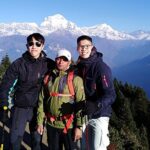
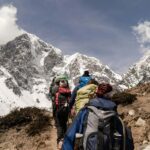
Then comes the trek: Nayapul to Ulleri, about 5 to 6 hours. This is where you get the “walk into the mountains” feeling—river sounds, forest sections, and village life along the way. You’re not yet chasing big summit views. You’re building rhythm.
There’s also a named stop at Ulleri Football Ground, and it’s listed with an admission ticket included. It may not sound like a mountain attraction, but those types of local stops are often where you see how communities live when the trail is the main road.
Practical tip: day 1 is a good time to settle into a steady hiking pace. Don’t sprint it. Your legs will thank you later, especially with the stairy parts that show up on these routes.
Day 2: Ulleri to Ghorepani (green trail time and mountain glimpses)
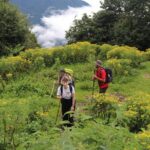
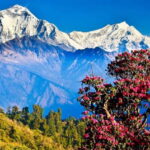
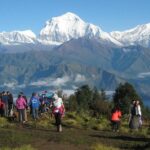
Day 2 is Ulleri to Ghorepani, about 5 hours. This is the “settle in” day. You’ll be moving through green forest sections with river views and, depending on conditions, more frequent mountain glimpses.
You’ll also make a stop at Ghorepani Community Hospital. It’s marked as free, which suggests a quick cultural or practical visit rather than a paid viewpoint. Even on short treks, I like when the itinerary doesn’t turn into a string of only-ticket viewpoints. It helps you remember you’re walking through real places, not just scenery.
Why this day matters: Ghorepani is your staging area for sunrise. Getting there with enough energy is huge. If day 2 runs too fast, day 3 feels harder than it should.
If you’re sensitive to early light or cold mornings, ask your guide what time they plan to push you out for Poon Hill. Having that clarity early makes the whole trek feel smoother.
Day 3: Poon Hill sunrise at 3,210 m (Annapurna and Dhaulagiri payoff day)
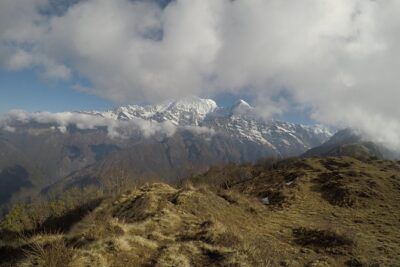
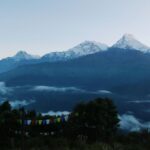
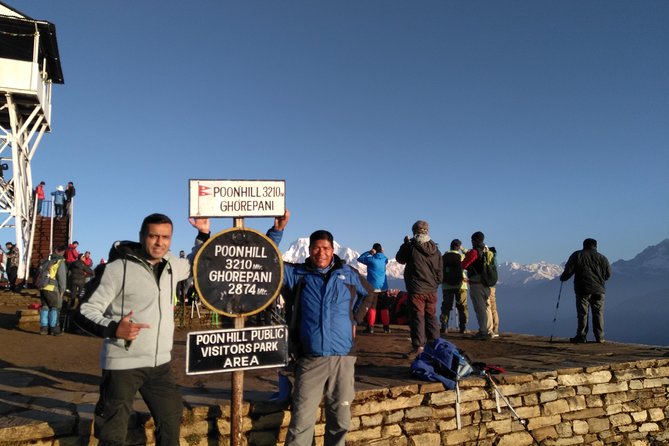
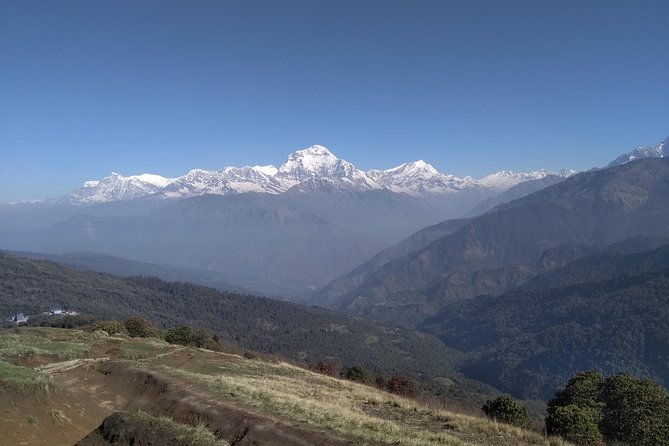
This is the signature day. You start early and hike up to Poon Hill for sunrise, and the highlight is the panoramic view of the Annapurna and Dhaulagiri range. The trek summary calls out the sunrise experience specifically at 3,210 meters, so you know you’re going high enough to feel the difference.
After the sunrise, you trek back down to Ghorepani and continue toward Tadapani. The itinerary says the Poon Hill segment is short, but don’t confuse “short on paper” with easy in practice. The cold and the early timing can make the climb feel steeper.
What I’d plan for mentally: sunrise treks are more about patience than speed. Expect to wait briefly, adjust layers, and take your time with photos. When the light hits, it’s the kind of view that makes the morning effort worth it.
Also note: Poon Hill is listed with an admission ticket included. That usually means you’re paying for access to the viewpoint area rather than just trekking to an open spot. It’s part of how the day is set up, so you don’t have to worry about whether it’s ticketed when you arrive.
Day 4: Tadapani to Jhinu Danda hot spring (recovery with mountain views)
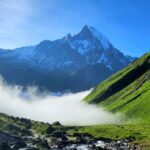
Day 4 shifts the mood. You hike Tadapani to Jhinu Danda for about 6 hours. The trail rolls through forest and by the river, and you’re back to getting mountain views, including an explicit mention of Fishtail Mountain.
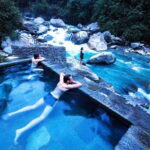
Then comes the real treat: steam bath time at the hot spring in Jhinu Danda, with the experience listing admission included. Hot springs are the ultimate “I’m not walking tomorrow, I’m repairing myself” move. After multiple trekking days, soaking or steaming can help you feel human again—especially if your day involves a lot of descending and step-heavy sections.
One consideration: hot springs are great, but your comfort depends on weather and temperature. If it’s windy or raining, you’ll still enjoy the warmth, but you’ll want to keep towels and change of layers ready.
If you like your treks to end with comfort (not just a final staircase into town), day 4 is a big reason this route works.
Day 5: back to Nayapul and Pokhara Lakeside (finish without chaos)
On day 5, you trek from Jhinudanda to Nayapul, then you drive back to Pokhara by car. The trek time is listed as about 6 hours, which means you’ll still do some real hiking, but it’s the final push.
The final stop is Pokhara Lakeside, marked as admission ticket free. In plain terms: you end where it’s easy to eat, shower, and reset. Pokhara is built for that transition from hiking mode to relaxing mode.
What I like about finishing this way: you’re not scrambling to find transportation after being on the trail for days. The itinerary includes private car return, so the end of the trek feels organized.
Tea houses, altitude, and the real-life comfort equation
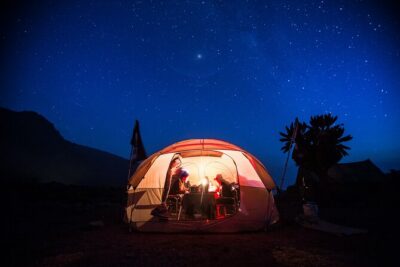
This trek includes accommodation in tea houses, so you’ll sleep in guest rooms rather than camping. That’s a big value piece because it removes a lot of logistic overhead and keeps the focus on the walking and the views.
The altitude is not ultra-high, but it’s not nothing either. Poon Hill is at 3,210 meters, and that can mean cooler nights and early-morning chill. Pack for cold starts even if you’re warm during the day.
A practical comfort note: tea houses generally work on the assumption that hikers will buy meals and drinks separately. This tour explicitly lists meals and drinks as not included, which is normal for Nepal treks. Plan on spending time choosing what you eat, not just walking nonstop.
If you’re sensitive to stairs, watch your pace. One piece of feedback I saw emphasized that the route is easy, but there are a lot of stairs. That’s consistent with how short mountain treks often feel: the distance isn’t huge, but the footwork is constant.
Price and value: what $300 gets you (and what it doesn’t)
At $300 per person, this is priced like a guided short trek with several “hidden costs” handled for you. Here’s what’s included:
- TIMS and permits
- Private transfer (Pokhara to Nayapul and return)
- Tea house accommodation
- English speaking trekking guide
- Admission ticket coverage at listed stops (like the Poon Hill viewpoint and Jhinu Danda hot spring)
What’s not included:
- All meals and drinks
- Rescue cost in an emergency
- Tips
So is it good value? For most people, yes—because the included items are the parts that often add up fast when you try to organize a trek alone. Permits and transfers aren’t fun to handle on your own. A guide also reduces uncertainty about pacing, timing, and what to expect each day.
Where you should adjust your expectations: your main extra spending will be food. Plan a daily budget for meals and drinks, and remember to factor in tips for your guide and staff if you want the relationship to feel reciprocal.
Guide quality: why Dadhi Ram Thapa matters on a short trek
A short trek doesn’t leave room for mistakes. You’re hiking all day, then you’re sleeping, then you’re doing sunrise timing again. In the feedback, Dadhi Ram Thapa stands out for being:
- Professional and safety-focused
- Helpful with a good sense of humor
- Patient with group needs
- Knowledgeable about the Himalayas and the areas you pass through
Even if you’re a confident hiker, a guide like this helps you avoid the common beginner traps: going too fast on day 1, arriving at viewpoints without the right layer, or underestimating how cold mornings feel at altitude.
That said, your experience still depends on how your group behaves. If your group wants to pause for photos or move at a slow comfortable pace, a flexible guide helps. If your group expects to race the trail, that can change the feel of the trek quickly.
Who should book this trek (and who should think twice)
This trek is a strong fit if you:
- Want a 5-day Himalayan taste without a long itinerary
- Like the idea of a planned sunrise morning at Poon Hill
- Want tea house comfort rather than camping
- Appreciate a well-guided route that includes permits and transfers
- Enjoy recovery time, since Jhinu Danda hot spring is built into the plan
Think twice if:
- You hate stairs and step-heavy descents. Even when the trek is considered doable, the steps add up.
- You’re very sensitive to early mornings. Day 3 is a sunrise schedule, and that’s a real adjustment.
- You don’t want to manage your own meals, since meals and drinks aren’t included.
Most people who can handle 5–6 hours of walking per day should do fine. If your fitness is lower, tell the guide upfront. A good guide can sometimes adjust pacing, but the route itself doesn’t change.
Should you book the 4Nights 5Days Poon Hill trek?
I’d book it if your priority is classic views, sunrise magic at 3,210 meters, and a guided route that feels organized from Pokhara to Nayapul and back. The included permits, private transfers, tea house stays, and hot spring entry make it easier to keep your trip predictable—and your guide support is a big deal on a short timeline.
Skip it or reconsider if stairs and early mornings are dealbreakers for you. Also, budget for meals and drinks, because that’s where your day-to-day costs will land.
If you want a straightforward trek that hits the highlights without turning your trip into logistics homework, this one makes a lot of sense.
FAQ
How long is the Poon Hill trek?
It’s listed as 5 days (about 4 nights and 5 days).
Where does the trek start and end?
You start from Pokhara. You go to Nayapul by private car, begin trekking from there, and end back in Pokhara by car after trekking to Nayapul.
Is pickup from Pokhara included?
Yes, pickup is offered.
What’s included in the price?
The tour includes TIMS and permits, private transfer, tea house accommodation, and an English speaking trekking guide. Admission tickets are included at several listed stops.
Are meals included?
No. All type of meals and drinks are not included.
Do I need to pay for permits?
No. TIMS and permit are listed as included.
Is there a hot spring on the route?
Yes. Day 4 includes Jhinu Danda Hot spring with a steam bath, and admission is listed as included.
How long are the trekking days?
Based on the itinerary: Day 1 is about 5–6 hours, Day 2 about 5 hours, Day 4 about 6 hours, and Day 5 about 6 hours (with Day 3 featuring the sunrise timing plus trekking after).
Is this a private tour?
Yes. It’s a private tour/activity where only your group participates.
What is the cancellation policy?
You can cancel for a full refund up to 24 hours before the experience’s start time. If you cancel less than 24 hours before, the amount paid is not refunded.