REVIEW · KAMPALA
3 Days Gorilla Trekking Safari
Book on Viator →Operated by Freka African Holidays · Bookable on Viator
Gorillas up close in Bwindi. This 3-day safari is built around finding a family in the Bwindi Impenetrable Forest and spending about one hour watching them feed, play, and rest. The only real drawback is that the trek day can run 2–8 hours through thick vegetation and steep, rugged ground, so you’ll want a moderate fitness level rather than expecting an easy walk.
I also like how the trip breaks up the adrenaline with real place time in Rwanda and Uganda. You get a Batwa Cultural Visit on Day 1 and time at Lake Bunyonyi, which is described as bilharzias-free and even considered safe for swimming.
The tone on this safari feels well managed, too. Many reviews single out Operations Manager Ruth, along with guides such as Eddy, Sam, Godwin, and Muhammad, for being professional, punctual, and focused on safety.
In This Review
- Key things that make this safari special
- Gorilla Trek Basics: How the One-Hour Encounter Works
- Entering Bwindi: Briefing Day Energy and Trek Reality
- Day 1 in Motion: Kigali Memorial, Twin Lakes, and Arrival for Batwa Culture
- Twin Lakes and the Five Volcanoes: The Scenic Payoff Before the Trek
- Day 2 Gorilla Tracking: What to Expect From the 2–8 Hour Trek
- Lake Bunyonyi Recovery: Swimming-Friendly Time and a Scenic Reset
- Day 3: Boat Ride on Lake Bunyonyi, Kigali Return, and a Late Flight Plan
- Price and Logistics: Is $1,890 Good Value for This Circuit?
- The Team Factor: Why Guides Matter on a Trek This Hard
- Practical Tips to Make This Trek Day Easier
- Who This Safari Fits Best (and Who Might Want a Different Plan)
- Should You Book This 3-Day Gorilla Trek Safari?
- FAQ
- Where does this 3-day gorilla safari take place?
- What time does the tour start?
- How long is the gorilla trek, and how long do you stay with gorillas?
- How fit do I need to be?
- How big is the group?
- Is pickup included, and how does ticketing work?
- What happens if the trip is canceled due to weather?
Key things that make this safari special
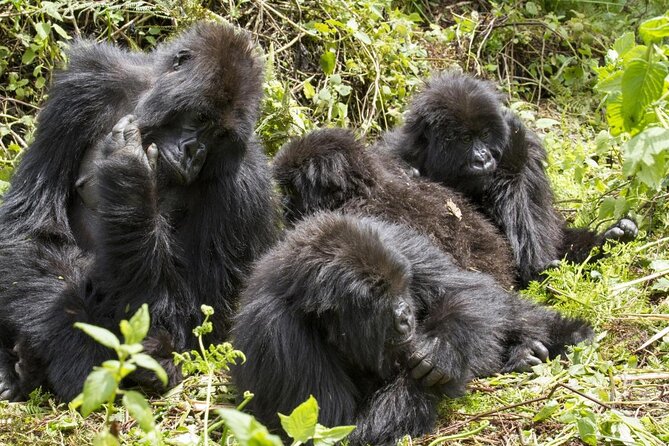
- One-hour gorilla viewing after you locate a family in Bwindi’s thick forest
- Small groups (max 7) for a less chaotic trekking experience
- Rwanda to Uganda routing with major stops like Kigali’s Genocide Memorial
- Batwa cultural visit on the evening of Day 1, before the trek day
- Lake Bunyonyi recovery time, including a boat ride later on
- Dedicated team support, with repeated praise for Operations Manager Ruth and guides Eddy, Sam, Godwin, and Muhammad
Gorilla Trek Basics: How the One-Hour Encounter Works
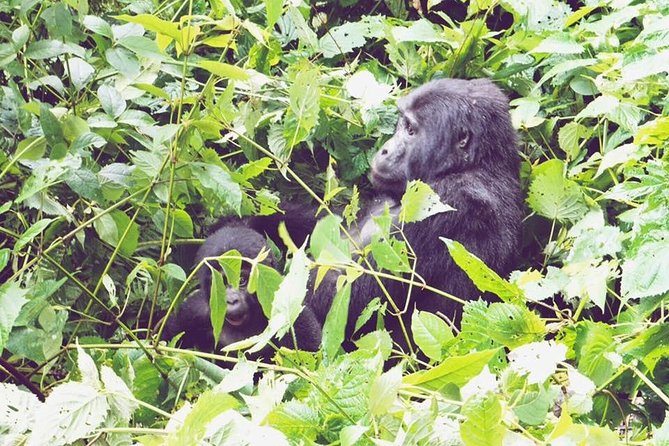
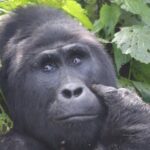
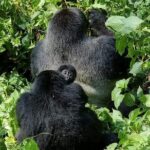
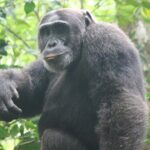
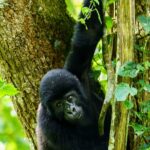
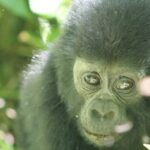
The heart of this 3-day trip is gorilla trekking in Bwindi Impenetrable National Park, home to more than half of the remaining 720 mountain gorillas. That number matters because it’s why Bwindi is such a big deal for conservation and wildlife watchers alike: you’re going to be searching in one of the best places on Earth to see these primates.
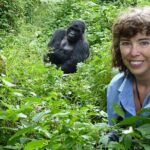
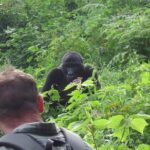
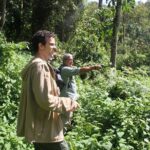
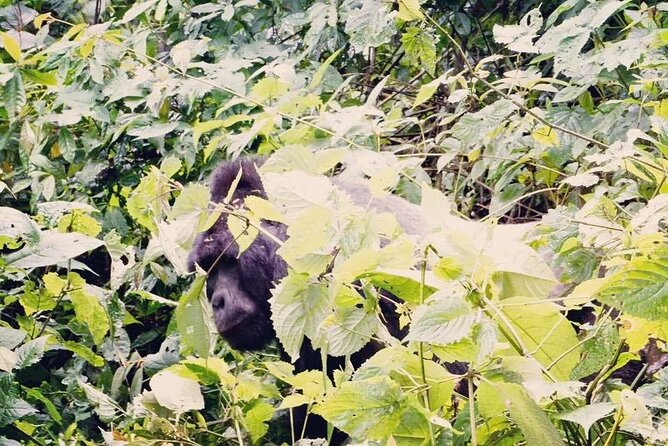
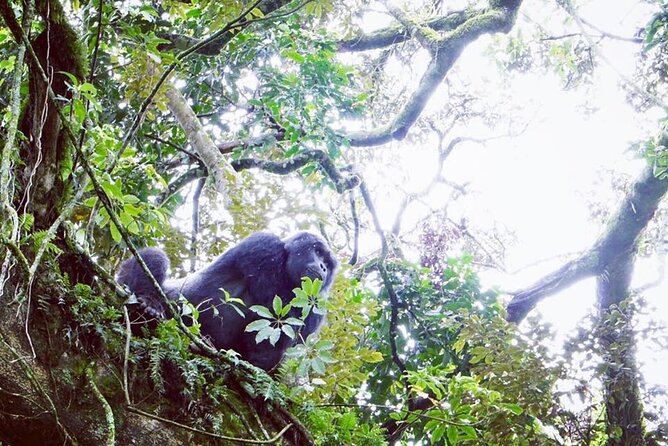
Here’s the way the day usually feels. You start with a briefing at the park headquarters on what to do and not do while trekking. Then you head into very thick forest. The hike itself can take anywhere from 2 to 8 hours depending on where the gorillas are and how the ground turns under your feet. Once you finally sight them, you get about one hour with the gorillas.
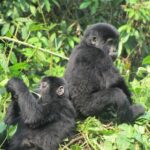
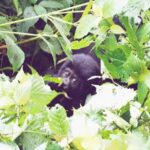
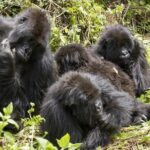
That hour is the reason people do this safari. It’s not a quick drive-by. It’s time to watch feeding, play, movement, and that calm, human-close behavior that’s hard to describe until you’re actually there. You’re also in a habitat that’s active with wildlife, and Bwindi offers a strong birding angle if you like scanning the canopy while you walk.
The practical reality: you’re trading comfort for the privilege of being close. This is not a soft nature walk. It’s closer to expedition hiking, with steep slopes and valley-like sections that can make slow, careful steps your best friend.
You can also read our reviews of more tours and experiences in Kampala.
Entering Bwindi: Briefing Day Energy and Trek Reality
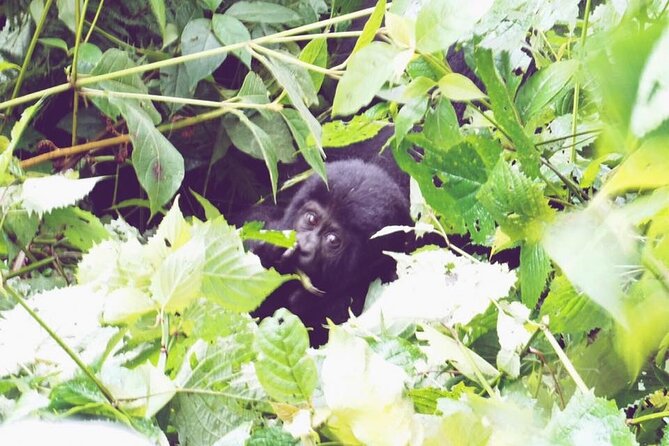
Your trek day starts early with the briefing, which matters more than most people expect. The gorilla rules aren’t just “nice to know.” They protect both you and the gorillas, and they keep the search and encounter from turning into a chaotic scramble.
Then comes the forest. Bwindi trekking is described as challenging because you’re dealing with rugged terrain and steep slopes, plus vegetation that can feel like it’s doing its own moving. You’ll hear the forest long before you see the gorillas. Expect thick greenery, rich forest sounds, and the feeling that the trail is never quite done challenging you.
You’ll also want to understand time in Bwindi works differently than on a road trip. Trek ranges from 2 to 8 hours, so you should mentally plan for a day that could be short—or could slow you down. This is where moderate fitness helps most: not speed, but stamina and the ability to keep moving safely when the footing gets irregular.
Once the gorillas are found, that one-hour viewing window is strict enough to keep it meaningful, but it’s also short enough that you’ll feel time “snap” from patience into focus. In other words: when you see them, you’ll want to be ready to look, breathe, and stay calm.
Day 1 in Motion: Kigali Memorial, Twin Lakes, and Arrival for Batwa Culture
Day 1 is all about getting from Kampala into Rwanda first, then crossing back into Uganda and settling near Bwindi. You start around 7:00 am, and the pace is very much “road-trip meets wildlife prep.”
You’ll head to Kigali and visit the Kigali Genocide Memorial Centre. It’s one of those stops that gives weight to the rest of the region. Even if you’ve read about this history before, seeing it in place changes how the story lands.
From there, the drive shifts north toward Rwanda’s Twin Lakes of Burera and Ruhondo. You’ll stop for a lake fish lunch, plus viewpoints where you can take in the two lakes and the stretch of the Five Volcanic Mountains—with sightlines reaching toward the Congo DRC border area. One particularly memorable detail is how the three countries—Rwanda, Uganda, and Congo DRC—meet at the tip of the Sabyinyo peak.
After that scenic build-up, you cross at Cyanika border to Uganda. Then you drive through Kisoro town and continue on to Bwindi, arriving in the afternoon to check into your lodge.
Day 1 ends with something cultural and very much part of the Bwindi story: the Batwa Cultural Visit. This is a different kind of encounter than the gorilla trek, but it adds context to the forest you’re about to walk into. You’re not just heading toward wildlife; you’re also learning how communities have understood and lived around this landscape.
The evening format is also useful. After a long day of driving and crossings, you’re not looking for a late-night party plan. It’s dinner, rest, and getting your body ready for the trek morning.
Twin Lakes and the Five Volcanoes: The Scenic Payoff Before the Trek
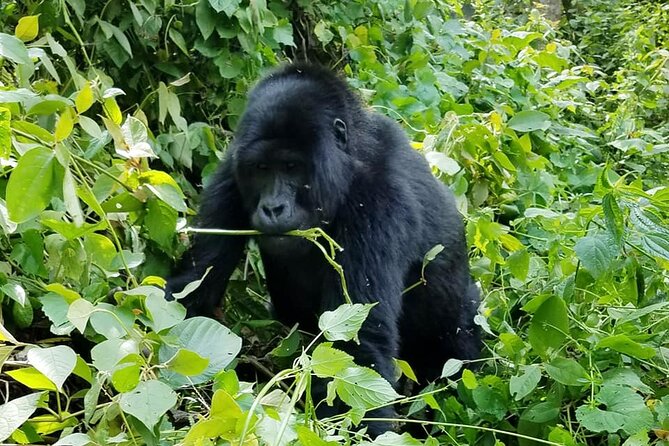
If you’re wondering why Day 1 feels packed, it’s because this route is trying to give you more than one “big moment.” Rwanda’s lakes and mountain viewpoints act like a scenic pause—before you trade road time for forest time.
At the Twin Lakes, you get that calming change of pace: open water, views, and a proper seated meal at the lake. Then the Five Volcanic Mountains viewpoint adds drama. It’s the kind of view that makes you understand why the borders here feel so close together—mountains and valleys compress everything visually.
And then you reach that special geographic detail: the three countries meet at Sabyinyo. Even if you don’t memorize the exact geography like a cartographer, you’ll remember the feeling of standing in a spot where multiple nations are literally within view.
This matters for your planning because it keeps the safari from being a straight line. When Day 2 turns into a long trek, you’ll be more mentally ready because Day 1 gave you something varied and memorable.
Day 2 Gorilla Tracking: What to Expect From the 2–8 Hour Trek
Day 2 is trekking day, and it’s the day you should treat as the main physical event of the safari.
After breakfast, you’re driven to the park headquarters. Then comes your briefing on what to do and not do during the trek. This is where your guide helps you understand the rhythm of the search so you can move safely and calmly.
The actual trek is described as challenging. You’re moving through very thick vegetation and rugged terrain, and the hike can run from 2 to 8 hours. You’ll likely feel it in your legs on the first hours if you’re used to flatter walks. The good news is that you’re not doing this in silence. The jungle is described as very lively with forest sounds—so you’re always getting signals that the world around you is alive and active.
Once you spot the gorillas, the one-hour stay starts. That’s your concentrated moment. You’re watching them feed, play, and relax, and you’ll quickly realize why people call gorilla trekking a life highlight. It’s not just about seeing them—it’s about seeing behavior up close.
After the trek, you transfer to Lake Bunyonyi. You’ll have a dinner and overnight there, which is a smart recovery move. Instead of going straight back into another long driving day, you get to settle near water and take a breath after the exertion.
Lake Bunyonyi Recovery: Swimming-Friendly Time and a Scenic Reset
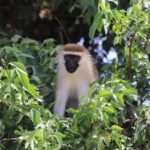
Lake Bunyonyi is the payoff for surviving Day 2. It’s often described as one of the most beautiful places in western Uganda, and it’s also noted as the second deepest lake in Africa at about 900 meters deep.
More important for your day-to-day: it’s described as bilharzias free and considered one of the few places in Uganda where it’s safe to swim. That means if you want to cool down and feel human again after a steep trek, this stop was built for that.
Even if you skip swimming, lake time still helps. Your body will need a slower pace after hours in rugged ground. Sitting with a view, stretching out, and letting your legs un-hunch is not “extra.” It’s part of why 3 days can feel doable instead of punishing.
Day 3: Boat Ride on Lake Bunyonyi, Kigali Return, and a Late Flight Plan
Day 3 is lighter in physical terms and heavier in timing. After breakfast, you go for a boat ride on the lake, touring different islands and scenic points. This is the kind of activity that lets you see the region from water level—slow, quiet, and a good match for a morning after gorilla trekking.
After the boat ride, you drive back to Kigali via Katuna border. You arrive in the evening and then plan to catch a late evening departure flight.
Two practical notes for planning your day:
- Build in patience for border crossing and driving time, since the schedule is set around getting to flights.
- Don’t plan any tight connections on the same day unless you’re comfortable with last-minute delays. This safari is moving, and Day 3 is no exception.
Price and Logistics: Is $1,890 Good Value for This Circuit?
At $1,890 per person, this isn’t a budget trip. It’s priced like a wildlife-focused safari with multiple driving days and major stops in Rwanda and Uganda. The value comes from what you’re stacking into just 3 days: gorilla trekking, cultural time, lake scenery, and a managed small-group format.
A few things that point to real value:
- Small group size (max 7) helps keep trekking manageable and attention more personal.
- Pickup offered reduces the hassle factor at the start.
- The itinerary notes mobile ticket, which can simplify some admin steps.
- Reviews rate the experience highly, with an average rating of 4.9 and 100% recommended, and they repeatedly mention professionalism and cooperation.
That said, you should still confirm what’s covered in the price, especially because gorilla trekking and park-related costs can be specific. The package description marks admission tickets as free, but the only smart way to be fully confident is to verify exactly what gorilla tracking permit costs are included for your departure date.
In short: this price makes sense if you want an efficient, guided circuit with minimal wasted time. If you’re only chasing gorillas and hate road travel, you might compare against shorter, Uganda-only versions.
The Team Factor: Why Guides Matter on a Trek This Hard
On gorilla safaris, the guide team isn’t optional. You’re walking in rugged terrain, following a strict encounter rhythm, and operating with rules designed to protect the gorillas.
In the reviews, Operations Manager Ruth shows up again and again as someone who ensures hospitality and courtesy. Guides named Eddy, Sam, Godwin, and Muhammad are mentioned for kindness, and several notes point to safety and staying calm during the hike.
That matters because Bwindi trekking doesn’t reward bravado. Good guiding means pacing you for the terrain, keeping the group together, and handling the “finding gorillas” moment with discipline. When the trek gets steep and thick, you want to feel you’ve got a team that’s on top of it.
Practical Tips to Make This Trek Day Easier
You can’t control where gorillas are or how long the trek takes, but you can control how ready you are to move safely.
- Train for steady walking more than speed. A 2–8 hour trek means time matters more than sprinting.
- Expect rugged, steep ground. If you’re prone to knee issues, plan for slower steps and take breaks when your guide suggests.
- Bring the right mindset. The day is long. The payoff is short but intense once you spot the gorillas.
- Pace your recovery on Day 2’s transfer to Lake Bunyonyi. Let your body cool down and reset before Day 3.
Also: if you’re sensitive to physical strain, be honest about your “moderate fitness level.” This safari is friendly to people who are willing to work, not to people who want an easy day out.
Who This Safari Fits Best (and Who Might Want a Different Plan)
This 3-day gorilla trekking safari is a great fit if you:
- Want mountain gorillas with a full guided experience and the classic one-hour encounter format
- Like an itinerary that includes Kigali’s Genocide Memorial Centre, lakes, and a Batwa cultural visit, not only trekking
- Prefer a small group (max 7) with professional support
You might reconsider if you:
- Strongly prefer level ground or short walks only
- Need a completely predictable walking time, since the trek can be 2 to 8 hours
- Have very strict timing needs on Day 3, since you’re aiming for a late evening departure flight
There’s also mention of an optional-feeling bonus stop on similar circuits (like passing through Queen Elizabeth park), but that can vary by route. Don’t assume it’s guaranteed—ask your operator.
Should You Book This 3-Day Gorilla Trek Safari?
I’d book this if you want the best kind of 3-day shape: one big wildlife mission in Bwindi, framed by meaningful Rwanda context, then balanced with lake time for recovery.
The biggest reasons to choose it are the focused gorilla viewing window, the small group size, and the management quality that shows up in repeated praise for Ruth and the guide team (Eddy, Sam, Godwin, Muhammad). For many people, that combination turns a physically demanding trek into an experience that feels safe and well run.
Just go in with clear expectations: Day 2 is work. If you can handle that, you’ll likely feel like the schedule was worth every bump in the road.
FAQ
Where does this 3-day gorilla safari take place?
The safari centers on Bwindi Impenetrable National Park in Uganda for the gorilla trek, with additional stops in Kigali and Rwanda’s Twin Lakes of Burera and Ruhondo, plus time at Lake Bunyonyi.
What time does the tour start?
The start time is listed as 7:00 am.
How long is the gorilla trek, and how long do you stay with gorillas?
The trek ranges from 2 to 8 hours, and once the gorillas are sighted, you have one hour to stay with them.
How fit do I need to be?
The tour says you should have a moderate physical fitness level.
How big is the group?
The tour has a maximum of 7 travelers.
Is pickup included, and how does ticketing work?
Pickup is offered, and the tour uses a mobile ticket.
What happens if the trip is canceled due to weather?
The experience requires good weather. If it’s canceled due to poor weather, you’ll be offered a different date or a full refund.