REVIEW · KAMPALA
12-Day Big 5, Chimp & Gorilla Trekking Safari
Book on Viator →Operated by Exclusive Gorilla Vacations · Bookable on Viator
Uganda packs four great parks into one circuit. You’ll start with Kampala culture, then chase chimpanzees in Kibale and gorillas in Bwindi, with Murchison Falls and Queen Elizabeth for serious wildlife time. Boat cruises on the Nile and Kazinga add big payoff without turning every day into a crawl.
Two stops make this circuit feel extra complete: Ziwa Rhino Sanctuary and the small-group flow (max 15 people). In real-world terms, that means you get better attention on spotting animals and faster adjustments when road and animal movements change. Past travelers also praised guides like Hamza for careful planning and safety-minded driving and scheduling.
One consideration: the gorilla day is physically real. Your trek can run from 45 minutes up to 6 hours depending on where the gorilla family is, so go in with good shoes and a steady pace.
In This Review
- Key highlights worth planning for
- Kampala first: kings’ tombs, markets, and a mosque view
- Ziwa Rhino Sanctuary and the Big Five-style lead-in to Murchison
- Murchison Falls: early game drive plus Nile boat cruise
- Kibale National Park: primates, tea country, and the Rift Valley view
- Chimp tracking in Kibale and Bigodi Wetland Sanctuary birds
- Queen Elizabeth National Park: Katwe salt lakes, Kasenyi plains, and Kazinga Channel
- Ishasha tree-climbing lions to Bwindi’s gorilla country
- Bwindi gorilla tracking: the briefing, the trek, and the one-hour watch
- Lake Bunyonyi and Punishment Island: calm after the forest intensity
- Lake Mburo nature walk and Jinja: equator stop plus bungee
- Mabamba Swamp shoebill: Lake Victoria birding in a small boat
- Price and value: is $4,300 a fair deal?
- Who should choose this Uganda safari?
- Should you book this Big 5, Chimp & Gorilla safari?
- FAQ
- What does the 12-day safari include?
- Where does the safari start?
- Is pickup included?
- How big is the group?
- What should I wear for gorilla trekking?
- How long could the gorilla trek take?
- Are there boat safaris and birding activities?
- Can I cancel and get a full refund?
Key highlights worth planning for
- Ziwa Rhino Sanctuary for southern white rhinos: the only place you can track them in the wild within this itinerary
- Chimp trekking in Kibale: an expert briefing, then a guided forest trek with an hour of chimp viewing
- Gorilla tracking in Bwindi: safety briefing plus armed rangers, with a family-watching window when you find them
- Boat safaris that stack species: Nile cruise, Kazinga Channel hippos and Nile crocodiles, plus shoebill boat time
- Queen Elizabeth variety: Kasenyi plains game drives, Katwe salt lake area, and Ishasha tree-climbing lions
- Birding add-ons: Bigodi Wetland Sanctuary, Lake Munyanyange bird lists, and Mabamba shoebill searching
Kampala first: kings’ tombs, markets, and a mosque view
Kicking off in Kampala helps you get your bearings fast. You’ll drive from Entebbe to the city and do a focused tour of Buganda sites, including the Kasubi Tombs and the Kabaka’s Palace area, plus the Buganda Parliament. Even if you’re not a museum person, these stops give context for how Uganda’s kingdoms shaped today’s culture.
Then there’s a good mix of landmark and street life. You’ll visit the Gaddafi National Mosque, and climbing the minaret gives you top-down views over the city. After that, you’ll have time at Owino and Nakasero markets, which is where you get a real feel for everyday Uganda—produce, chatter, and the kind of chaos that somehow makes sense once you’re there.
Practical note: this day is more about orientation than ticking off animals. If you land with tight energy, plan for an early night so tomorrow’s drives feel easier.
You can also read our reviews of more tours and experiences in Kampala.
Ziwa Rhino Sanctuary and the Big Five-style lead-in to Murchison
On day two, you’ll head out of Kampala and make an important stop at Ziwa Rhino Sanctuary. This matters because it gives you that endangered rhino piece for the Big Five-style promise—tracking southern white rhinos in the wild. The sanctuary is known for reintroduction efforts after the 1980s decline, and it’s described as the only place where you can spot these rhinos in the wild.
After that, the route continues toward Murchison Falls National Park. This transition is smart pacing: you start with a guaranteed-style species experience (rhino tracking), then shift to broader game viewing in a bigger savanna system. If you’re the type who gets impatient waiting for animals, starting with rhinos helps your brain relax.
What to consider: rhino tracking can still depend on conditions like animal movement and trail flow. But compared with “we’ll see what we see,” this stop is built for a higher chance of a real sighting.
Murchison Falls: early game drive plus Nile boat cruise
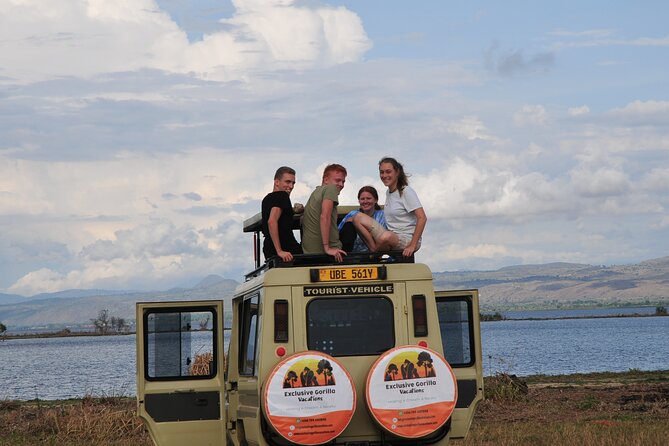
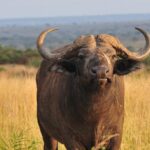
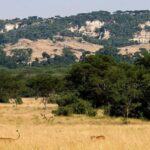
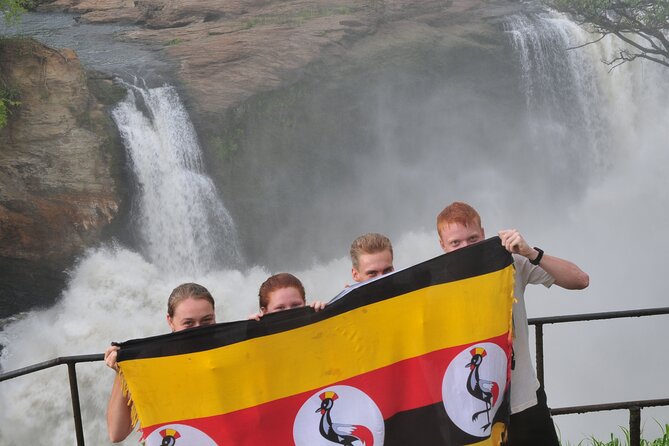
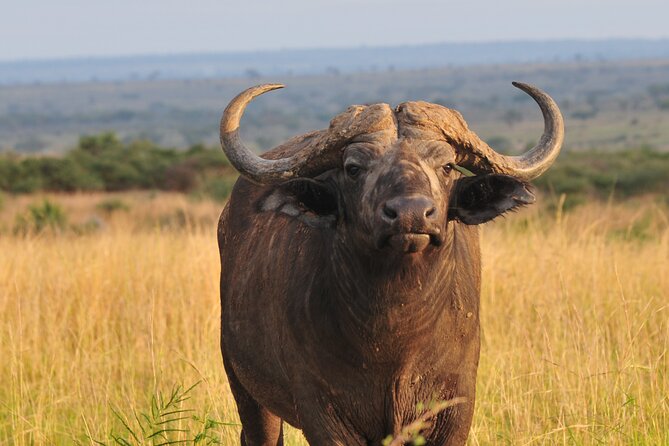
Murchison is where the safari starts to feel like a true wildlife circuit. You’ll start early—coffee and a snack before an early game drive—which is a classic trick for higher odds of seeing predators and nocturnal animals when they’re still active. Your guide will focus you on likely sightings like lions, leopards, and hyenas, plus giraffes, buffalo, and hippos.
You also get attention on local details like Nubian giraffes, which is the kind of specific information that makes a sighting feel more meaningful than just checking a box. After the drive and a break, you shift to the Nile itself with a roughly three-hour boat cruise.
That cruise is built for animals that use the river edge: crocodiles, hippos, and aquatic birds, with chances of elephants and buffalo along the banks. If you love photography, boats are often easier for clean angles than bouncing around in a vehicle.
Drawback to keep in mind: weather and river conditions affect boat time and comfort. Bring layers so you’re not freezing when the water breeze hits.
Kibale National Park: primates, tea country, and the Rift Valley view
Day four moves you into Kibale National Park, and the itinerary treats primates like the main event. Kibale is described as home to 15 primate species, including chimpanzees plus black-and-white colobus monkeys and mangabeys. You’ll also make scenic stopovers, including viewpoints at the Butiaba Escarpment with views toward Lake Albert and the Eastern arm of the Great East African Rift Valley.
This is one of those “small stops that matter.” It breaks the long travel rhythm and helps you understand where you are in Uganda’s big geological story. On the road, you’ll pass tea plantations around Fort Portal, which adds a gentle change of scenery before you reach your lodge.
Practical tip: after a full travel day, your body will feel the next morning’s trek more than you think. Aim for a relaxed dinner and get your rain gear ready before you sleep.
Chimp tracking in Kibale and Bigodi Wetland Sanctuary birds
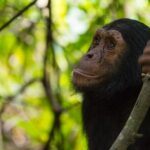
Your chimp day starts with a briefing at park headquarters, then you’re guided into the forest to track chimpanzees. Expect a real guided walk through the forest, not a drive-through. The plan includes time with chimpanzees for about an hour of observation once you locate them. You’ll also have chances for other primates like L’hoest monkeys, colobus monkeys, and baboons.
What I like about this setup is that it’s not just chimp-focused. It also includes bird and plant spotting as part of your trail experience. The itinerary specifically mentions forest birds like the African broadbill and Ross’ turaco, plus butterflies and unique flora, which helps you stay engaged even when the chimps are moving.
In the afternoon, you switch pace with the Bigodi Wetland Sanctuary and a community walk. Bigodi is known for colobus and blue monkeys and strong birdlife, so it’s a good way to keep the primate momentum going without the stress of a long trek again.
If you’re sensitive to heat and humidity, keep water handy and accept that the forest is its own weather system. That’s normal here.
Queen Elizabeth National Park: Katwe salt lakes, Kasenyi plains, and Kazinga Channel
Queen Elizabeth gives you variety fast. You start with Katwe Wildlife Sanctuary and the Katwe salt lake area, learning about the salt extraction process and how both traditional and past industrial methods worked. This is one of those cultural-nature connections that makes wildlife viewing feel grounded in how people live nearby.
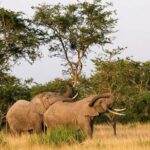
You then move toward Lake Munyanyange, described as having over 40 bird species, including flamingos, geese, gulls, and terns. Later, you do an evening game drive in the Kasenyi plains, with a chance at elephants, buffalo, kobs, warthogs, and waterbucks. If your goal is “see as much as possible,” this day does that—game drive plus bird sites.
Day seven continues the plains with a morning game drive in Ishasha sector / Kasenyi area, with lions, leopards, and spotted hyenas mentioned as possible predators. Then you get the Kazinga Channel boat safari in the afternoon, famous in this circuit for its high concentration of hippos, Nile crocodiles, and birdlife.
Boat time on Kazinga often feels like the best mix of comfort and action. You’re off the dusty roads, and you get a steady view of the shoreline animals without the need to stop and start every few minutes.
Ishasha tree-climbing lions to Bwindi’s gorilla country
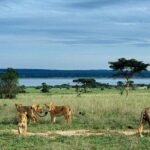
Day eight is built for one of Uganda’s more distinctive wildlife scenes: Ishasha tree-climbing lions. In the itinerary, you’re guided to look for lions resting in fig trees, with their golden coats in sunlight. It’s a very different lion experience than the open-scrub style you might expect elsewhere.
You also continue searching for other wildlife like buffalo, elephants, and topi antelopes, plus birdlife overhead. Lunch is flexible—either at the lodge or in scenic surroundings—before you travel toward Bwindi Impenetrable National Park and arrive by evening.
This travel-to-Bwindi transition is important because it sets you up for the next day’s gorilla trek timing. Plan to keep your phone charged, your bag organized, and your clothes ready so the morning starts smooth.
Bwindi gorilla tracking: the briefing, the trek, and the one-hour watch
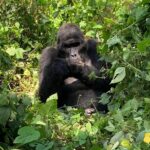
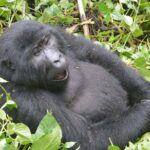
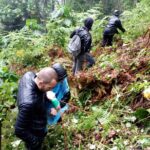
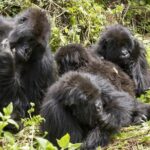
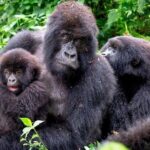
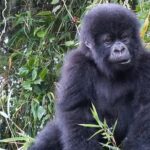
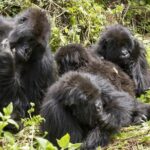
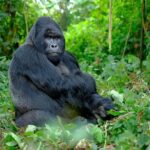
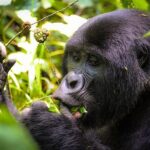
Gorilla trekking in Bwindi is the high-stakes day, and the itinerary takes it seriously. You’ll rise early, get breakfast, pack a lunch, then go through a safety and etiquette briefing with your guide. You’ll trek with eight trekkers alongside an experienced guide and armed rangers. That ranger presence is part of what keeps this process structured and controlled in the forest.
You’ll walk trails that range from roughly 45 minutes up to 6 hours depending on where the gorilla family is. While tracking, you may see forest elephants and you’ll also get bird spotting along the way. Once you find the group, you get about an hour to observe them, with the silverback in close watch.
Clothing matters here, and the itinerary spells it out: long trousers, long-sleeved shirt, waterproof shoes, jacket, hat, and gloves. Even if you’re used to hiking, Bwindi can be wet and unpredictable, so follow the plan—don’t wing it.
Lake Bunyonyi and Punishment Island: calm after the forest intensity
After gorillas, day ten is more about reset than rush. The day is listed with Lake Mburo National Park, but the described experience focuses on Lake Bunyonyi—specifically a boat cruise on the lake and its islands. You’ll visit Akampene, also called Punishment Island, and hear the story tied to Kiga traditions.
You’ll ride in a private motorized canoe with a knowledgeable guide, which helps because you’re not just looking at scenery—you’re getting local context. The plan also notes that Lake Bunyonyi is the second deepest lake in Africa and the deepest in Uganda. That depth matters less to your itinerary rhythm, but it explains why the lake feels so still and “far away” after a busy primate day.
What to keep in mind: after a physically demanding gorilla trek day, going from forest walking to time on the water can feel great—or it can make you notice sore muscles. Either way, it’s a smart pacing choice.
Lake Mburo nature walk and Jinja: equator stop plus bungee
Day eleven turns to Lake Mburo National Park with a nature walk. This is different from a car game drive because you’re on foot, scanning and walking through the park environment with an opportunity to spot wildlife while moving. The itinerary describes a two-hour nature walk, then you transition toward Jinja.
Jinja adds an adrenaline option: bungee jumping. If you’re cautious, keep in mind this is an optional-feeling activity in the itinerary flow, but the day includes the time you’d need for it. You’ll also stop at the equator for a water experiment and visit the equator monument, which is the kind of short, quirky science moment that’s fun even if you’re not a science person.
Late-day drive back toward Entebbe means you’ll likely feel the day’s full activity stack. It’s a good day if you like variety, but not ideal if you want pure relaxing.
Mabamba Swamp shoebill: Lake Victoria birding in a small boat
Day twelve is birding at its most iconic. You’ll go to Mabamba Swamp via the Nakiwoggo Landing site and take a boat to search for the shoebill stork, described as a historical bird. Mabamba is noted as an Important Birding Area, which helps explain why this is a dedicated stop rather than a quick roadside pull-off.
While you look for the shoebill, the itinerary also lists other birds you might see: weaver birds, herons, egrets, pelicans, cormorants, and jackanas. This is a good way to keep your odds up because even if shoebill sighting takes effort, bird diversity can keep the experience going.
After the boat ride, you return for lunch, then you prepare for your flight home. It’s a satisfying close because you end with something calmer than game drives, but still exciting.
Price and value: is $4,300 a fair deal?
At $4,300 per person for a 12-day route, this safari isn’t cheap. But it’s also not a “single highlight” trip. You’re paying for multiple national parks, guided primate treks in Kibale and Bwindi, and several guided boat safaris (Nile, Kazinga Channel, and Lake Victoria/Mabamba).
The value angle for me is the number of different “ways of seeing wildlife.” You get vehicle game drives, forest trekking with a briefing and a structured search, and river/lake viewing where animals show up differently. Add in the rhino tracking at Ziwa Rhino Sanctuary, plus birding stops like Bigodi Wetland Sanctuary and Katwe’s bird-heavy lakes, and the price starts to make sense as a packed but coherent program.
Also, the group size cap at 15 people matters. On wildlife safaris, small groups can mean better sight lines, less waiting, and more time for your guide to answer questions. If you’re the sort who wants information and safe timing, this format helps.
Who should choose this Uganda safari?
This trip fits best if you want a classic Uganda mix: primates first, then wildlife safaris, then birds to finish. It’s especially good for people who like planning and structure—early starts, briefings, and guides who help you spot what you would miss on your own.
It’s also a strong match for couples and small groups who don’t mind a travel-heavy pace. If you hate long drives and want only one park per week, this might feel too packed.
The one big readiness check is fitness for gorilla tracking. If you’re fine with uneven trails and you can handle a trek that might stretch toward 6 hours, you’ll be in the right zone.
Should you book this Big 5, Chimp & Gorilla safari?
I’d book it if your must-dos include chimps in Kibale and gorillas in Bwindi, plus a solid wildlife circuit in Murchison and Queen Elizabeth. The boat cruises and birding days are not afterthoughts here—they’re part of the plan, which makes the week feel varied instead of repetitive.
I’d think twice if you’re not comfortable with a potentially long gorilla trek or if you want a slower travel pace with fewer park changes. But if you’re game for early mornings and want a trip that hits multiple Uganda icons in one stretch, this itinerary is a strong bet.
FAQ
What does the 12-day safari include?
It includes Kampala city touring, wildlife viewing in Murchison Falls National Park and Queen Elizabeth National Park, chimpanzee tracking in Kibale National Park, gorilla trekking in Bwindi Impenetrable National Park, and birding such as shoebill searching at Mabamba Swamp. It also includes boat cruises on the Nile and Kazinga Channel, plus Lake Bunyonyi boat time and a Lake Mburo nature walk.
Where does the safari start?
The experience starts at Entebbe Airport in Entebbe, Uganda.
Is pickup included?
Pickup is offered.
How big is the group?
This tour/activity has a maximum of 15 travelers.
What should I wear for gorilla trekking?
You should plan for long trousers, a long-sleeved shirt, waterproof shoes, a jacket, a hat, and gloves due to unpredictable forest weather.
How long could the gorilla trek take?
The trek can range from about 45 minutes to 6 hours depending on where the gorilla family is located.
Are there boat safaris and birding activities?
Yes. You’ll do a Nile River boat cruise, a Kazinga Channel boat safari, a boat cruise connected with Lake Bunyonyi, and a boat outing to search for the shoebill at Mabamba Swamp. Birding stops also include Bigodi Wetland Sanctuary and Lake Munyanyange in the Katwe area.
Can I cancel and get a full refund?
Yes. You can cancel up to 24 hours in advance for a full refund, and cancellations less than 24 hours before the start time are not refunded.