REVIEW · KAMPALA
8-Day Murchison Falls, Chimp and Epic Gorilla Trekking Safari
Book on Viator →Operated by Home To Africa Tours and Travel · Bookable on Viator
Murchison to gorillas in one tidy circuit. This 8-day Uganda safari stacks the best action zones back-to-back: Murchison Falls, Kibale Forest for chimps, Queen Elizabeth for game drives and the Kazinga Channel, and Bwindi for gorilla trekking, with a stop at Zziwa for rhino tracking. You’re also in a private setup with a full-time English-speaking driver/guide, so your day-to-day pace stays in your hands.
What I like most is that the route isn’t just about ticking parks. You get a morning game drive plus a 3-hour boat trip to the base of Murchison Falls, then you switch gears to primates with chimp trekking in Kibale. I also like the practical “everything’s handled” approach: meals, hotels, and ground transfers are included, and you’re given water on safari.
The one consideration: the big primate moments cost extra. Chimp and gorilla trekking permits are not included (USD 150 for chimps, USD 600 for gorillas), so budget for those on top of the tour price.
In This Review
- Quick Hits Before You Go
- Price and Permits: What This Safari Costs in Real Life
- Day 1: Entebbe to Murchison Falls, Plus Zziwa Rhino Tracking
- Day 2: Murchison Morning Game Drive and the Base-of-Falls Boat Cruise
- Day 3: Exit Murchison and Transfer to Kibale with a Falls View Option
- Day 4: Chimp Trekking at Kibale, Then Roll Into Queen Elizabeth
- Day 5: Queen Elizabeth Game Drive Plus Kazinga Channel Launch Trip
- Day 6: Isasha Tree-Climbing Lions on the Way to Bwindi
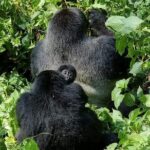
- Day 7: Gorilla Trekking in Bwindi, Then Lake Bunyonyi for Recovery
- Day 8: Bunyonyi Views and Transfer Back to Entebbe Airport
- What’s Included Actually Helps You Enjoy Uganda
- Who This Safari Is Best For (and Who Should Rethink It)
- Should You Book This 8-Day Murchison Falls, Chimp, and Gorilla Safari?
- FAQ
- Where does the safari start and end?
- How long is the safari?
- Are meals and accommodation included?
- Are boat trips included?
- Do I need to pay extra for chimp and gorilla trekking?
- Is airport pickup included?
- Do I need a visa to enter Uganda?
- What is the minimum age to join?
- Is this safari private?
Quick Hits Before You Go
- Private by default: only your group joins the activities, with a full-time English-speaking driver/guide.
- Three major “animal engines”: rhino tracking at Zziwa, chimps in Kibale, and gorillas in Bwindi.
- Water-focused viewing: boat time on the Kazinga Channel and a longer cruise to Murchison Falls base.
- Isasha tree-climbing lion chance: you pass through the Isasha sector on the way to Bwindi.
- Extra costs to plan for: trekking permits for chimps and gorillas are separate from the package price.
Price and Permits: What This Safari Costs in Real Life
At $3,598 per person, this is a premium, multi-park Uganda itinerary—so the value depends on what’s included vs. what’s added.
Here’s what you’re getting for the base rate: all meals and accommodation as per the itinerary, ground transportation in a comfortable safari vehicle, and park-area logistics like airport/hotel pickup and drop-off, plus landing and facility fees. You also get the boat trips that make this route so special.
The main add-ons are the permits:
- Chimp trekking permit: USD 150
- Gorilla trekking permit: USD 600
That’s USD 750 total in permit fees (not counting anything personal like drinks beyond water, or gratuities for your guide). You’ll also want to remember that air fare is not included, and visa is required.
So, is it worth it? If you want one trip that genuinely covers four reserves and lands you at three different headline wildlife experiences—rhinos, chimps, and gorillas—this kind of bundled route is usually more efficient than assembling everything separately. And since it’s private, you’re not stuck sharing your schedule with other groups.
You can also read our reviews of more tours and experiences in Kampala.
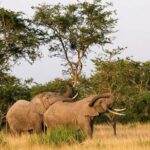
Day 1: Entebbe to Murchison Falls, Plus Zziwa Rhino Tracking
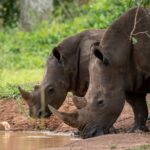
Day 1 starts the way a lot of great safaris do: you’re picked up from Entebbe International Airport and driven toward Murchison Falls National Park. The day isn’t only a long transfer either. There’s a detour at Zziwa Rhino Sanctuary for about one hour of rhino tracking.
Rhino tracking at Zziwa tends to feel intense in a good way because it’s short and focused. You’re not driving around for half a day hoping for a sighting. Instead, you have a defined window to look for the rhinos the sanctuary protects.
A practical note: with only an hour scheduled, you’ll want to be ready early—camera batteries charged, binoculars handy, and your walking shoes sorted. The faster you’re set up, the more you’ll enjoy the actual tracking time.
Day 2: Murchison Morning Game Drive and the Base-of-Falls Boat Cruise
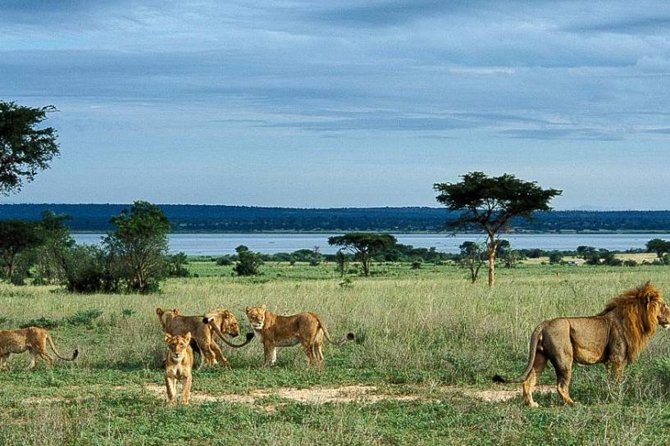
This is one of the strongest days on the whole route. You start with an early breakfast, then head into the Northern section of Murchison for a game drive with a high concentration of savannah wildlife.
The itinerary calls out the kinds of animals you’ll hope to spot: elephants, buffalos, waterbucks, giraffes, Uganda kob, and lions, plus the possibility of leopards if luck is on your side. Birdlife is also a major part of Murchison, so even if the big cats don’t show immediately, you’re not stuck watching nothing.
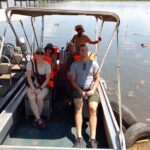
After lunch, you shift to water. You’ll take a 3-hour boat trip to the base of the falls. This cruise is the best argument for doing Murchison as more than a driving-only park. Water gathers life—birds, mammals coming down to drink, and the kind of scenery you can’t really replicate from a road viewpoint.
Tip that’s worth repeating: on boat days, ask your guide where to sit for the best viewing angles before you start moving. One review mention of this type of guidance (choosing the best side of the boat) matches what usually makes a difference out there.
Day 3: Exit Murchison and Transfer to Kibale with a Falls View Option
Day 3 is a transit day, but it’s not a boring one. After breakfast, you either get a view of the falls from the top (if you didn’t hike earlier) or you depart quickly for Kibale Forest National Park.
That “top of the falls” option matters because it changes the way you understand Murchison. From the boat you see power up close and the water’s chaos. From a higher viewpoint, the falls make more sense in a single frame—how the river funnels, drops, and keeps going.
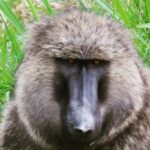
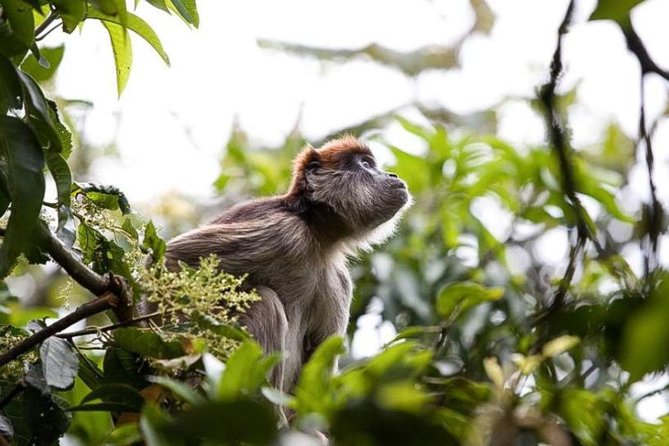
Then it’s on to Kibale, which is the primate capital on this route. You’ll be in a place known for chimpanzees and other monkeys like colobus monkeys, mangabeys, and red-tailed monkeys.
Expect this day to feel like a cutover: mornings are for one park’s wildlife rhythm, afternoons are for getting into position for chimps. If you’re the type who wants your biggest activity to feel stress-free, it helps that the schedule is structured like this.
Day 4: Chimp Trekking at Kibale, Then Roll Into Queen Elizabeth
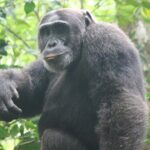
Day 4 is your chimp day. You start with breakfast and then meet an experienced ranger for chimp trekking in Kibale. The trekking activity begins at 8:00am with a briefing about the rules—this matters because chimps aren’t a “walk up and watch” animal. The rules protect both you and the chimpanzees.
Once you locate them, you get one full hour with the chimps. That one-hour window is long enough for real watching—faces, movement, and behavior—without turning the whole experience into an exhausting wait.
After lunch, you transfer to Queen Elizabeth National Park. This shift is smart because it keeps the route flowing. You’ve got chimps in the morning, then you’re setting yourself up for the classic Queen Elizabeth wildlife mix.
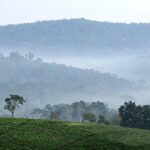
Day 5: Queen Elizabeth Game Drive Plus Kazinga Channel Launch Trip
Queen Elizabeth has a different vibe from Murchison and Kibale. The park is famous for big wildlife days, but it’s also a place where water and grazing corridors overlap.
On this day, you get a morning game drive and then a boat trip (launch) along the Kazinga Channel. The Kazinga is where the “wildlife by water” concept becomes obvious. You’re looking at animals in a river system that naturally concentrates life.
The itinerary doesn’t list exact species for Kazinga the way it does for Murchison, so treat this day as both “game drive hoping” and “waterway sightseeing with wildlife chances.” In practice, the best days are the ones where your guide keeps adjusting routes based on what they’re seeing—not just following a rigid plan.
Also, since you’ve got both a drive and a water session, you’re less dependent on one single activity. If the game drive is slower, Kazinga can pick up the energy—and vice versa.
Day 6: Isasha Tree-Climbing Lions on the Way to Bwindi
Day 6 moves you from Queen Elizabeth to Bwindi Impenetrable National Park, but the highlight is the stop through Isasha.
Isasha is known for resident tree-climbing lions, and the itinerary specifically calls out this area as the reason to route through it before reaching Bwindi. If you’ve only ever pictured lions on the ground, this is the kind of detail that makes Uganda feel different.
One caution: don’t assume you’ll see tree-climbing lions just because you’re going through the Isasha sector. Wildlife isn’t a schedule. But building this stop into your transit day boosts your odds without adding an extra full day.
Then you continue on to Bwindi, which is where the itinerary turns from “watching” to “trekking.”
Day 7: Gorilla Trekking in Bwindi, Then Lake Bunyonyi for Recovery
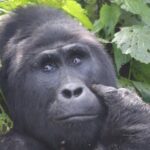
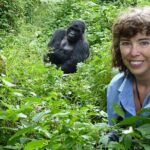
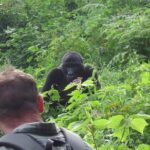
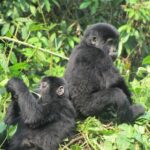
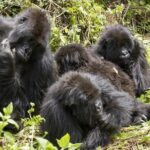
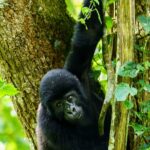
This is the other headline day. After an early breakfast and a briefing by a ranger guide, you enter the gorilla sanctuary for your gorilla trekking experience in Bwindi.
Gorilla trekking is different from chimp trekking. The setting is heavier, the forest feels tighter, and your focus needs to stay on movement, sound, and patient tracking. Your briefing matters here because it sets expectations for walking pace, distance rules, and how to behave once you find the group.
After you finish trekking, you return to your lodge. Lunch comes next, followed by a transfer to Lake Bunyonyi.
That Bunyonyi move is more than a scenic bonus. It’s a smart recovery plan. The trek days are physically and mentally intense. Lake Bunyonyi gives you a decompression space where the whole trip stops feeling like a checklist.
Day 8: Bunyonyi Views and Transfer Back to Entebbe Airport
Day 8 keeps things gentle. You’ll have a relaxed breakfast at the accommodation with views of Lake Bunyonyi’s little islands. Then you head back to Entebbe to catch your flight out.
This last day is where you’ll appreciate how the itinerary was laid out: you don’t end the trip with another long primate trek. You end with a calmer pace, scenic downtime, and a straightforward return.
If your flight timing is tight, confirm the pickup plan with your guide ahead of time. Even with the included airport transfer, it’s always smart to align expectations early.
What’s Included Actually Helps You Enjoy Uganda
A lot of safaris advertise “meals and hotels.” This one adds practical support that makes the wildlife days smoother:
- All meals and accommodation are covered for the itinerary days
- All ground transportation is included in a comfortable safari vehicle
- You have a full-time English-speaking driver/guide
- Water while on safari is included, plus coffee and/or tea
- Launch/boat trips are included on the days they matter
And based on the guide names and feedback that repeatedly show up—people like Derrick and Benon are credited for smooth organization and strong wildlife spotting. Other names such as Vianney, Augustine, and Karim are also mentioned in feedback for being patient and helpful with getting you where you need to be and improving the odds of good sightings.
One more practical advantage: because this is a private tour, your guide can adjust on the fly for your group’s energy level. That can matter a lot on trek days, where patience and timing are everything.
Who This Safari Is Best For (and Who Should Rethink It)
This tour is ideal if you want a single Uganda trip that hits the big three: rhino tracking, chimp trekking, and gorilla trekking—plus major safari water time.
You’ll probably love it if:
- You’re serious about wildlife variety across different habitats
- You want less independent planning and more “show up and go”
- You value a private group setup
- You’re ready for early mornings and forest trekking days
A rethink might be smart if:
- You’re traveling without a budget buffer for permit fees
- You don’t enjoy moderate walking and forest trekking (the itinerary calls for moderate physical fitness)
- You need heavy downtime every day. This route packs activities back-to-back, even though it includes recovery time at Bunyonyi.
Also, the minimum age is 15, which makes it possible for teens to go—if everyone’s comfortable with the trek style of days.
Should You Book This 8-Day Murchison Falls, Chimp, and Gorilla Safari?
If you want maximum wildlife per day without stringing together four separate trips, I’d seriously consider booking this route. The structure is built around momentum: savannah wildlife in Murchison, chimps in Kibale, Kazinga water wildlife in Queen Elizabeth, then gorillas in Bwindi, with Lake Bunyonyi used as a reset.
The decision comes down to one thing: permits and planning. Once you’ve budgeted the USD 750 in chimp and gorilla permits, this package turns into a clear value proposition because so many logistics are already included—transport, meals, hotels, and the signature boat days.
If you’re flexible on your travel dates, take advantage of the fact that this experience offers free cancellation up to 24 hours in advance. That gives you room to align permit timing and your flight.
If this sounds like your kind of Uganda trip—big animals, real primate time, and a guide-led rhythm—this is a strong booking choice.
FAQ
Where does the safari start and end?
The tour starts with pickup from Entebbe International Airport (Entebbe, Uganda) and ends with a transfer back to Entebbe for your flight.
How long is the safari?
It’s an 8-day safari package.
Are meals and accommodation included?
Yes. The tour includes all meals and accommodation as specified in the itinerary (breakfast, lunch, dinner).
Are boat trips included?
Yes. The itinerary includes boat trips such as a 3-hour boat trip to the base of Murchison Falls and a launch trip on the Kazinga Channel.
Do I need to pay extra for chimp and gorilla trekking?
Yes. Chimp trekking permits cost USD 150, and gorilla trekking permits cost USD 600. These permits are not included in the package price.
Is airport pickup included?
Yes. The tour includes all airport/hotel pick-up and drop-off.
Do I need a visa to enter Uganda?
Yes. A visa is required to enter Uganda.
What is the minimum age to join?
The minimum age is 15.
Is this safari private?
Yes. It’s a private tour/activity, meaning only your group participates. Minimum travellers is 1.