REVIEW · KIGALI
3 Days Gorilla & Golden Monkey Trekking Safaris
Book on Viator →Operated by Shalom Safaris · Bookable on Viator
Two treks, three days, one Rwanda reset. I like how this itinerary squeezes Volcanoes National Park thrills into a short window, and I love the smart add-on visit to the Ellen DeGeneres Campus of the Diana Fossey Fund. The main drawback to plan for is simple: early starts and real walking, so the day can feel demanding even with a moderate fitness level.
This is a private safari run from Kigali with 4×4 transport, a pickup option, and meals that keep you fueled between hikes. You’ll also sleep at Sambora Kinigi or a similar property, which makes the trip feel smooth rather than broken into complicated bookings. If you want a complete primate-focused Rwanda experience without stretching it into a week, this format hits a sweet spot.
One more practical note: primate trekking is weather dependent. If conditions are poor, your experience may be moved or refunded, so keep some flexibility in your travel days.
In This Review
- Key Highlights You’ll Actually Feel
- From Kigali to Volcanoes: Getting There Before the Day Gets Loud
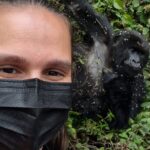
- Gorilla Trekking Day: Meeting the Giants With a Real Sense of Effort
- Diana Fossey Fund Campus: Conservation Lessons Without a Full Detour
- Golden Monkey Trek: A Different Hunt, a Different Kind of Wonder
- Gorilla Guardian Village: Community Conservation, Not Just Wildlife Photos
- Where You Sleep and What You Eat: The Quiet Value of Included Comfort
- Price and Value: What $5,500 per Person Is Really Paying For
- Weather, Fitness, and What to Bring So the Days Go Smooth
- Who This 3-Day Gorilla + Golden Monkey Plan Is Best For
- Should You Book Shalom Safaris for This 3-Day Adventure?
- FAQ
- What time does the tour start?
- Is pickup offered?
- Is this tour private?
- What’s included in the price?
- What’s not included?
- Where will I stay?
- What is the cancellation policy?
Key Highlights You’ll Actually Feel
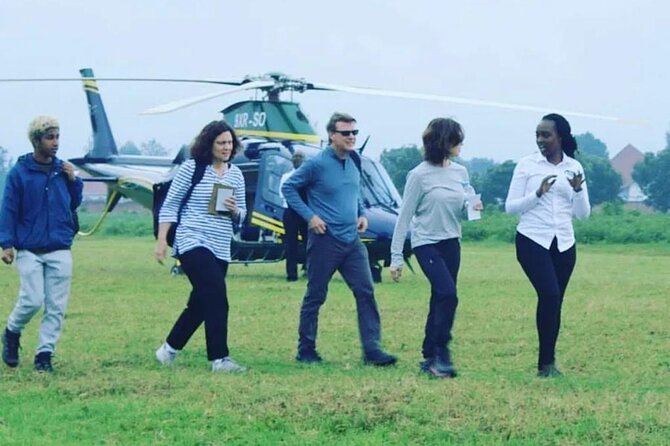
- Two primate treks in just 3 days: gorillas one day, golden monkeys the next, with minimal downtime.
- Ellen DeGeneres Campus stop after gorilla trekking: a direct link between what you see in the forest and why conservation matters.
- Golden Monkey trek plus community visit: you don’t just watch wildlife; you also get a look at Gorilla Guardian Village.
- Private group experience: only your group participates, which usually means less waiting around and more attention to your pace.
- Meals and lodging included: breakfast, lunch, dinner, snacks, bottled water, and accommodation are bundled in.
- A guide-driven day schedule: the trip is built around early starts and smooth transfers, so you spend less time figuring logistics out.
From Kigali to Volcanoes: Getting There Before the Day Gets Loud
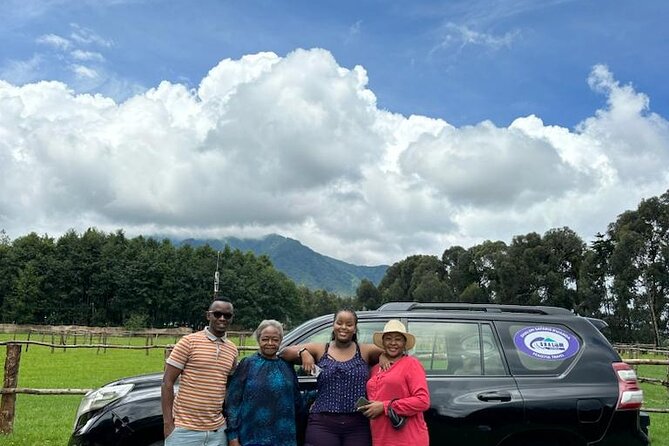
Kigali is your launching point, and the trip is designed for an early start. Your day begins around 6:00 am, which is exactly what you want for primate trekking because the forest is cooler and animal movement is often easier to track earlier in the day. If you’re the type who hates rushing, you’ll still adjust quickly—this is the rhythm for gorilla and golden monkey outings.
After picking you up, you transfer toward Volcanoes National Park and settle in for your first overnight at Sambora Kinigi or similar, with dinner included. That first day is not about hiking all day; it’s about setting up the trip with enough rest that you can handle the next two action-heavy days. You’ll also get a Kigali city tour component, which is a nice way to balance wildlife time with a bit of urban Rwanda context.
The value here is that someone else is handling the driving, timing, and meal breaks. You’re not stitching together multiple vendors, and that matters when your main goal is the treks. A 4×4 vehicle helps you stay comfortable on the roads, especially when weather changes.
The only consideration: you’re committing to a packed schedule. Three days can feel short once you’re standing in front of a gorilla family—so go in knowing you’ll want to soak it up, not sprint through it.
You can also read our reviews of more tours and experiences in Kigali.
Gorilla Trekking Day: Meeting the Giants With a Real Sense of Effort
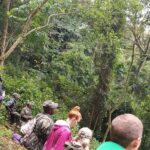
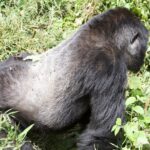
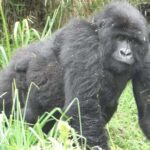
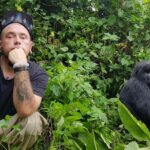
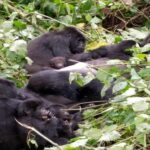
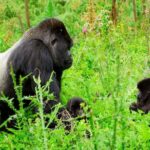
Gorilla trekking is the headline, and it’s the one part you shouldn’t treat like a quick nature walk. Even with guides and planning, the hike can be physically demanding, and that’s part of the experience. You’re tracking in a forest environment with uneven footing and changing visibility, so your moderate fitness level is important.
On your gorilla day, you’ll head out for the trek and then return for the rest of the program. The pace is usually driven by where the gorillas are that day, not by a rigid timeline. Translation: your schedule is flexible in the field, and that’s normal for gorilla trekking. What you can count on is that the day is built to keep logistics handled—snacks, timing, and getting you back to base.
This is also the day where you’re likely to feel the emotional weight of conservation. You’re not just hoping to see wildlife; you’re viewing animals in a protected environment where human presence is carefully managed. The guides play a huge role here, since safe tracking depends on their knowledge of terrain and behavior patterns.
What I like about this trip’s structure is that it doesn’t dump you back into a hotel and call it done. Instead, it connects the gorilla moment to a conservation-focused stop afterward, so your memories have context, not just photos.
Diana Fossey Fund Campus: Conservation Lessons Without a Full Detour
After gorilla trekking, you’ll visit the Ellen DeGeneres Campus of the Diana Fossey Fund. This stop works well because it happens after your primate experience, when you can connect what you just saw with what the organization is doing to protect gorillas and their habitat.
This is valuable in a practical way: it helps you understand that conservation is not only about dramatic moments in the forest. It’s also about long-term research, habitat protection, and community involvement. A short cultural and educational stop can also be a smart reset for your body—your legs might be tired, but your brain will be ready for context.
It also adds depth to your Rwanda story. A lot of people fly in, trek, and leave with unforgettable animal sightings but not much understanding of the system behind them. This visit helps avoid that. You’ll leave knowing the gorillas you saw are part of an ongoing effort, not just a one-time tourism event.
There’s no claim that this will replace time in the forest—it doesn’t. It just turns the whole experience into something you can explain to friends back home.
Golden Monkey Trek: A Different Hunt, a Different Kind of Wonder
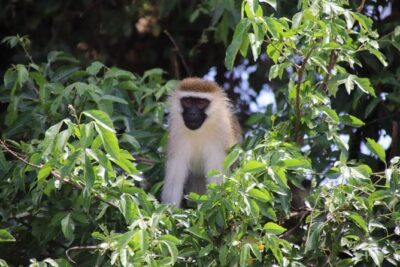
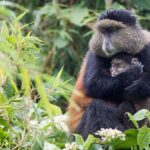
Golden monkey trekking is its own flavor of primate adventure. It’s not the same as gorilla trekking—different animals, different movement, and usually a different rhythm to the hike. Golden monkeys can feel lively and quick, and the trek often has more of a nimble, searching feeling as you scan the canopy and tree lines.
Because this happens on Day 3, you’re doing the second big primate push back-to-back. That means you’ll want to think like a marathon runner, not a sprinter. Pace yourself earlier, drink your bottled water, and treat the day like an endurance activity. If Day 2 is your most intense, Day 3 gives you a chance to reward that effort with a different primate encounter.
What’s especially good is that the trek is paired with a cultural/community experience afterward. So once the hiking is done, you still have a reason to stay engaged, not just rush back to Kigali. Golden monkey trekking can be visually exciting, but the real win is how the day continues beyond the forest.
The main consideration is weather dependency again. If conditions are poor, primate activities may need shifting. This kind of trekking is weather-sensitive by nature, so try to keep your Rwanda days flexible rather than squeezing them into a tight itinerary.
Gorilla Guardian Village: Community Conservation, Not Just Wildlife Photos
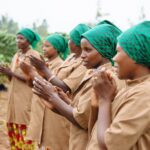
After the golden monkey trek, you’ll visit Gorilla Guardian Village. This is the cultural and community side of the trip, and it’s an important balance to the two wildlife days. The idea is simple: you experience primates in protected areas, and then you see how people living nearby are connected to conservation outcomes.
I like this pairing because it’s easy to talk about conservation in theory. It’s harder to understand how it plays out in daily life. A village visit gives you a more grounded sense of what wildlife protection means beyond permits and trekking rules.
It also helps you avoid the trap of turning Rwanda into a checklist. You’ll still get your primate highlights, but you’ll also spend time on the human side of the story. That’s what makes the experience feel complete instead of transactional.
If you enjoy cultural learning that doesn’t feel like a forced performance, this stop is a good match. Just keep expectations realistic: it’s a community visit, not a theme park. Ask questions, stay curious, and give yourself mental space to switch from forest mode to people mode.
Where You Sleep and What You Eat: The Quiet Value of Included Comfort
You’ll stay at Sambora Kinigi or similar for your overnights, and dinner plus breakfast are included. Having accommodation and meals handled removes a lot of friction. In a gorilla-and-monkey trip, hunger and fatigue can turn into unnecessary stress fast, so the included food matters more than it sounds.
The package also includes snacks, lunch, dinner, and bottled water. That’s a big deal on trek days, when you don’t want to hunt down food between trail time and vehicle rides. You’ll be able to focus on the hike and recovery instead of planning where to eat next.
The 4×4 transport is also part of the comfort equation. Rwanda roads can be unpredictable, and a vehicle suited for travel helps you feel less beat up when you switch from the forest to the road again. Since this is a private tour, you’re not sharing your schedule with strangers from five other groups, which often means fewer delays.
If you’re picky about hotels, note that the plan uses Sambora Kinigi or similar. That gives flexibility to the operator, but it also means you shouldn’t book expecting a single named property with guaranteed room type.
Price and Value: What $5,500 per Person Is Really Paying For
At $5,500 per person for three days, this is not a budget trip. But it is priced like a high-demand, permit-driven wildlife experience—especially when you’re doing both gorillas and golden monkeys within a short timeframe.
Here’s where the value argument gets real: all fees and taxes are included, along with transportation (4×4), accommodations, and meals. That bundling is often where travelers win. When you get hit later with surprise charges for park fees, guiding, transport, or meals, a pricey safari suddenly becomes a lot pricier.
Because this is also private, you’re paying for your group’s time and control. Your schedule is built around your needs, and you don’t have to manage the pacing of a mixed group. Private guiding can matter a lot when you’re juggling trekking logistics, rest stops, and the emotional intensity of primate encounters.
What I’d watch: you still need to account for things not included, like tips to local guides and airfares, plus luxury drinks/alcohol. Those costs can be manageable if you plan for them early, but they are still real.
If you want two primate treks plus educational and community stops in three days, this package is the kind of all-in planning that can actually save money compared to piecing together experiences separately. You’re buying time, smooth logistics, and less decision fatigue.
Weather, Fitness, and What to Bring So the Days Go Smooth
This trip asks for moderate physical fitness. That doesn’t mean you need to be an athlete, but it does mean you should be ready for forest walking and the kind of uneven ground that makes you slow down. If you can comfortably hike for a couple of hours and you can handle stairs or uneven terrain, you’re likely in the right zone.
The bigger practical factor is weather. Since primate treks are weather dependent, your day may adjust. The good news is that if the experience is canceled due to poor weather, you’ll be offered another date or a full refund. That removes some fear from planning.
What to bring isn’t listed in detail here, so I’ll keep it to the essentials that make trekking more comfortable. You’ll want layers for changing temperatures, sturdy footwear with grip, rain protection, and sun protection. Also pack a simple day bag for water and essentials—because even with bottled water included, you’ll appreciate having your personal items easy to grab.
Timing matters too. A 6:00 am start is not optional energy—it’s just the schedule. Plan for an earlier night before trek days, and give yourself time to wake up without rushing.
Who This 3-Day Gorilla + Golden Monkey Plan Is Best For
This safari is ideal if you’re aiming for a complete primates-focused Rwanda trip without turning it into a week-long mission.
You’ll like it most if:
- You want gorillas and golden monkeys in one compact timeframe.
- You prefer a private experience where your group pace is respected.
- You care about conservation context, not just animal sightings, since you’ll visit the Diana Fossey Fund campus.
- You want both wildlife and community learning, because Gorilla Guardian Village is part of the arc.
It may be less ideal if:
- You’re not comfortable with early mornings and forest walking.
- You dislike weather-dependent plans and prefer rigid schedules at all costs.
- You want ultra-luxury accommodation upgrades beyond a Sambora Kinigi or similar standard.
Should You Book Shalom Safaris for This 3-Day Adventure?
If your main goal is face-to-face primates in Rwanda’s Volcanoes National Park, this is the kind of package that makes sense. The biggest strength is how the days connect: gorilla trekking, an education stop, golden monkey trekking, then a community visit. It doesn’t treat your trip like two separate excursions; it builds a single story.
I’d book if you value organization, included meals, and not having to manage logistics day by day. I’d be careful if you’re chasing budget travel or you’re not ready for active walking and early starts.
For many people, the decision comes down to one question: do you want the shortest possible path to a complete primate Rwanda experience? If yes, this is a strong match.
FAQ
What time does the tour start?
The start time is 6:00 am.
Is pickup offered?
Yes, pickup is offered.
Is this tour private?
Yes. It’s a private tour/activity, and only your group participates.
What’s included in the price?
Included are all fees and taxes, 4×4 transportation, snacks, breakfast, lunch, dinner, bottled water, and accommodation.
What’s not included?
Tips to local guides, airfares, and luxury drinks or alcoholic drinks are not included.
Where will I stay?
You’ll stay at Sambora Kinigi or a similar accommodation for your overnight(s).
What is the cancellation policy?
You can cancel for a full refund up to 24 hours before the experience’s start time. If it’s canceled due to poor weather, you’ll be offered a different date or a full refund.