REVIEW · KIGALI
3 Days Uganda Gorilla Trekking Safari
Book on Viator →Operated by Frena Adventures · Bookable on Viator
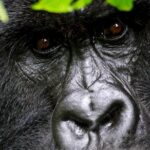
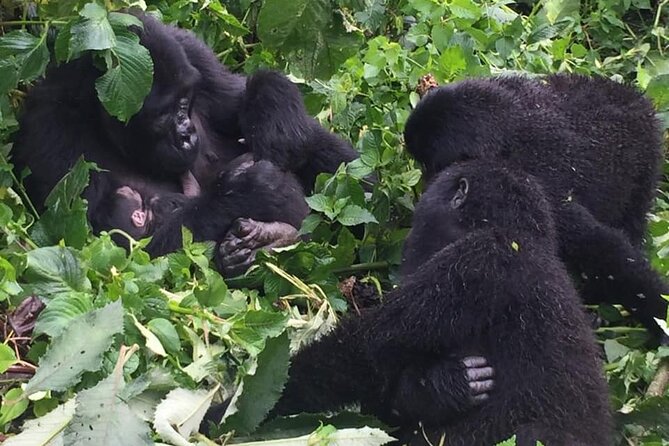
Gorillas make the journey feel short. I like the one-hour time with the gorilla group after the hike, and I also like the Batwa Cultural trail in Bwindi, which gives you a human look at daily life in the hills. On top of that, you get a breather on Lake Bunyonyi with boat time, scenic walking, and even swimming because the lake is described as bilharzia free.
One consideration: the gorilla trek can be tough. You may spend 2–8 hours moving through thick vegetation over steep slopes and valleys, so plan this trip with a genuinely moderate fitness level and a lot of patience for slow, careful walking.
In This Review
- Key highlights before you go
- Katuna to Bwindi: the drive that sets the tone
- Rushaga Gorilla Havens Lodge and the Batwa Cultural trail
- Gorilla briefing and trek rules in Bwindi
- From gorillas to Lake Bunyonyi at Hawk’s Eye
- Boat rides, island views, and the walk back toward Kigali
- Price and value: what $1,810.38 buys you in real life
- Guides and group size: safety, flexibility, and calm
- What to pack for Bwindi slopes and Lake Bunyonyi days
- Who this safari fits best
- Should you book this 3-day Bwindi gorilla and Bunyonyi safari?
- FAQ
- What time does the safari start?
- How many people are in the group?
- How long is the gorilla trek, and how long do you stay with the gorillas?
- What should I do about fitness for this trip?
- Is swimming at Lake Bunyonyi allowed?
- What if the experience is canceled due to poor weather?
Key highlights before you go
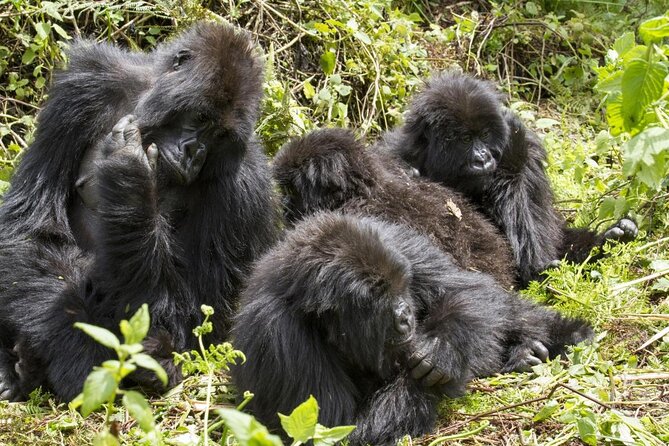
- One hour with gorillas once your group is found, and yes, that hour is the big moment
- Trek time can run 2–8 hours, with rugged ground and very thick forest vegetation
- Batwa Cultural trail through villages, farming skills on steep hills, and daily routines around animals
- Lake Bunyonyi reset at the Lake of a Thousand Islands (29 islands), with swimming said to be safe
- Max 7 travelers keeps things from turning into a circus, and helps guiding stay personal
Katuna to Bwindi: the drive that sets the tone
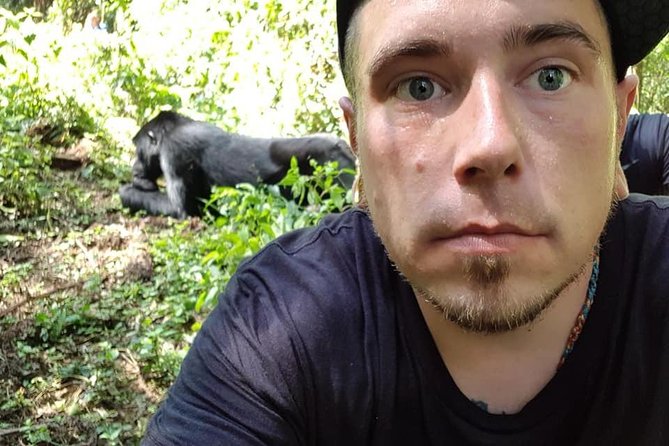
This trip starts in Kigali with a guide meeting you before you head off toward Uganda. You’ll cross at the Katuna border, then continue on to Bwindi Impenetrable National Park. The road route is part of the experience: you pass Rwanda’s rolling, hilly countryside, which is an easy way to start appreciating why this whole region is called a land of many hills.
Expect a long day on the road even before you check in. The payoff is that you arrive at Bwindi with enough afternoon time to settle, not just rush through everything. It helps you save your energy for the real work: the gorilla trek the next morning.
If you’re coming from outside the region, you’ll be glad the process is built around a morning start time. The meeting time is 8:00 am, which is the right rhythm for gorilla country since the day is driven by briefings and ranger scheduling.
You can also read our reviews of more tours and experiences in Kigali.
Rushaga Gorilla Havens Lodge and the Batwa Cultural trail
After the drive, you check in at Rushaga Gorilla Havens Lodge for dinner and overnight. Staying inside the Bwindi area keeps the next day simpler and reduces the amount of extra time you’d spend commuting on rough roads.
Then comes a very different kind of forest experience: the Batwa Cultural trail. You’ll go through Batwa villages and learn how people handle daily life, including how they cultivate steep hill sides and how they care for their animals. The trip description emphasizes cows as a source of pride, which gives the cultural visit a clear, grounded focus rather than vague storytelling.
Why I like this as a pairing with gorilla trekking: it helps you connect the park to the people who have lived near the forest for generations. You’re still in the same big ecosystem, but you’re seeing it through human routines too. And because your gorilla trek day is physically demanding, this evening activity is a good mental shift. You’ll feel the contrast between effort and stillness, hills and forest sounds.
Gorilla briefing and trek rules in Bwindi
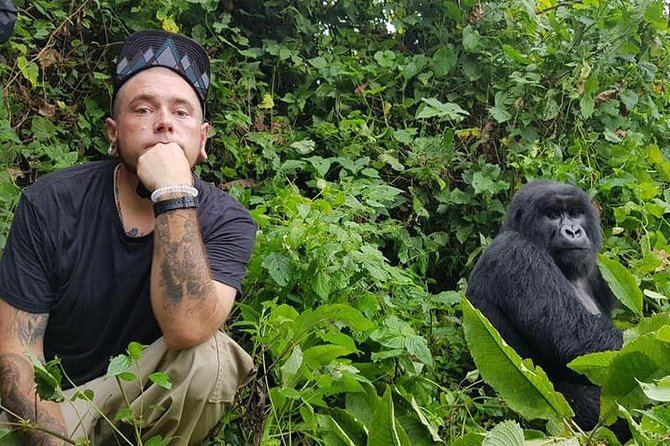
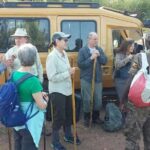
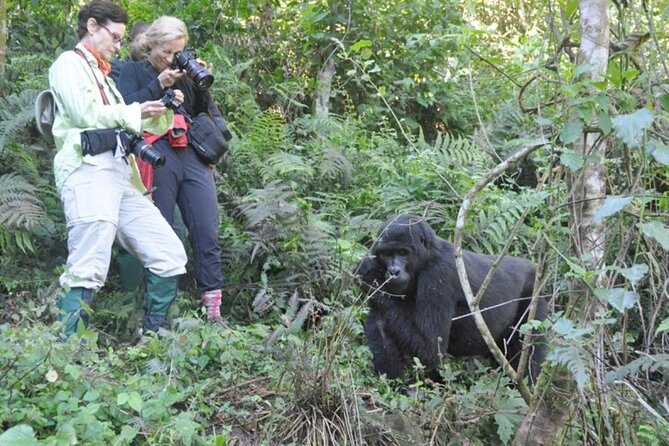
On the morning of your gorilla tracking day, you’ll start with breakfast and then drive to Park Headquarters for a briefing. This briefing matters because it sets the rules for how you move and behave once you’re in gorilla country. Even if you’ve done other nature treks, gorilla tracking is its own game: distance, quiet voices, and controlled movement are part of the experience.
Then the trek begins in very thick vegetation. The route isn’t described as a gentle walk. In Bwindi, trekking is said to be challenging due to rugged terrain with steep slopes and valleys. You’re not just hiking through trees; you’re pushing through living jungle where the forest sounds stay busy and close.
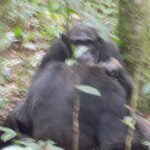
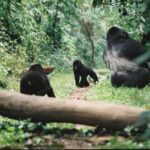
Here’s the time range you should plan for: the trek can take 2 to 8 hours, and once you reach the gorillas you get one hour to stay with them. That one hour is short, so your briefing day energy, your pace, and your focus really matter.
Also, Bwindi isn’t only about gorillas. The description highlights Afro-montane flora and local birds such as the African broad-bill (mentioned for Ruhija and Congo). You might also see forest animals like duikers and even forest elephants, depending on where your group travels that day. Even when sightings are not guaranteed, the forest itself feels more layered when you know what you’re walking through.
From gorillas to Lake Bunyonyi at Hawk’s Eye
After gorilla tracking, you’ll head to Lake Bunyonyi, described as one of western Uganda’s most beautiful places. The lake is known as the Lake of a Thousand Islands because there are 29 islands.
This stop is more than a scenic payoff. It’s also your recovery day. After steep, slow walking in the forest, it’s hard to beat water time and easier terrain. You’ll stay at Hawk’s Eye for dinner and overnight.
A few practical details stand out from the description. Lake Bunyonyi is said to be the second deepest lake in Africa, at about 900 meters deep. And it’s noted as one of the few places in Uganda where swimming is considered safe because it is bilharzia free. If swimming is part of your travel plan, this is the kind of fact that helps you pack with confidence rather than guess.
You’ll probably feel the emotional shift here too. Gorilla tracking is intense and personal. Lake Bunyonyi gives you space to process the moment, watch small islands and shorelines, and reset your body for the last day’s activities.
Boat rides, island views, and the walk back toward Kigali
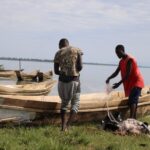
Your final day starts with breakfast, then you head out for lake time. You’ll take a boat ride to different islands and then do some hiking to scenic view points. This is the part of the trip where you get to look at the area from above and from the water, not just from forest trails.
After that, you transfer back to Kigali, with lunch en-route. The structure is smart for people who don’t want a rushed feel on the final day but still want to end with a full day’s worth of scenery.
If you’re the type who likes photos but also likes actual moving, you’ll likely enjoy this day’s mix. Boat ride equals slow drifting sightlines. Viewpoint hiking equals quick perspective changes. Together, they make a strong close to a trip that began with long drives and demanding jungle trekking.
Price and value: what $1,810.38 buys you in real life
At $1,810.38 per person for this 3-day safari, the key question isn’t the number itself. It’s what’s included and how efficiently the days are built.
From the details provided, you’re paying for a full package that includes:
- Pickup and driving service starting in Kigali
- Time inside Bwindi Impenetrable National Park with briefing and guided tracking logistics
- Accommodation at Rushaga Gorilla Havens Lodge and Hawk’s Eye
- A cultural visit via the Batwa Cultural trail
- Lake activities at Lake Bunyonyi, including boat rides and hikes
- A small group size, capped at 7 travelers
That’s a lot of moving pieces for a short trip. Gorilla trekking permits and ranger scheduling drive costs in this part of East Africa, and there’s no way around the reality that Bwindi is remote and logistics-heavy. What makes this price feel more reasonable is that you’re not adding extra days just to commute. You’re also not spreading the experience over a long, draining schedule.
Also note the trip is booked, on average, about 63 days in advance. That timing makes sense: gorilla tracking needs planning, and your best chance to lock in dates is not last-minute.
Guides and group size: safety, flexibility, and calm
This is a maximum 7 travelers safari, which is a sweet spot for gorilla trekking. Too many people can make the forest experience feel like school groups. A smaller group tends to keep communication clearer and the schedule smoother, especially when the trek is physically slow and unpredictable.
The provided feedback includes multiple guide-driver names such as Farouk, Ronald, Roland, and Apollo, plus mention of Fred as a hands-on director. The common thread in how those guides are described is being prompt and attentive right from pickup, and staying helpful with real-world details like visas between countries and tailoring activities based on interests. That kind of flexibility is practical when you’re crossing borders and moving between different parks and lodges.
If you care about a trip that feels organized without being robotic, this model is your friend. You’re not just buying a gorilla encounter; you’re buying how the day-to-day parts get stitched together.
What to pack for Bwindi slopes and Lake Bunyonyi days
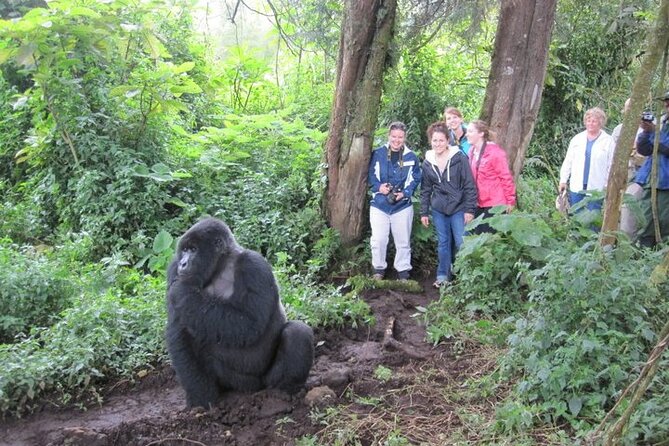
The forest side of this trip is physical. The gorilla tracking description points to rugged terrain, steep slopes, and valleys under thick vegetation. So I’d pack like the trek is the main event (because it is).
Practical packing priorities:
- Good grip shoes for uneven, slippery ground
- Long sleeves or layers that help you manage thick vegetation contact
- A light rain layer, since the forest can turn damp without warning
- Water and snacks you can carry during the trek window, if your guide allows it
Then pack for the lake after. Lake Bunyonyi is described as a place where swimming is safe because it’s bilharzia free, so include swimwear if that’s your style. A fast-dry towel or quick changes can make that part of the day feel less like logistics and more like fun.
A small mindset note: gorilla trekking is slow by nature. Your goal is steady and safe movement, not speed. If you treat it like a careful climb rather than a workout, the experience feels calmer.
Who this safari fits best
This trip is a strong match if you want a tight 3-day version of a classic East Africa highlight: mountain gorilla tracking in Bwindi, then a scenic recovery at Lake Bunyonyi.
It also fits well if you like your days to include more than one flavor:
- culture (Batwa Cultural trail)
- wildlife and forest ecology (gorillas plus the park’s broader animals and birds)
- lake scenery and easy-water time
The one group that might struggle is anyone who doesn’t handle uphill, uneven walking well. The trek can take hours, and the ground is described as rugged. If you’re unsure about your stamina, aim for trips labeled as moderate fitness rather than “casual stroll” vacations.
Should you book this 3-day Bwindi gorilla and Bunyonyi safari?
I think you should book it if you want maximum meaning per day. You get gorilla time structured with a clear one-hour rule once you find the group, and you don’t waste your schedule. The Batwa Cultural trail adds real context, and Lake Bunyonyi gives your body and brain a breather after the trek.
Skip it if you know you hate steep, slow hikes. This is not a flat nature walk. Also, because it depends on weather conditions, treat your plans as flexible enough to handle changes if conditions aren’t right.
If you’re reading this and thinking I can handle steep trails for a once-in-a-lifetime encounter, then this is a smart, efficient way to do Bwindi and still end your trip with beautiful lake time.
FAQ
What time does the safari start?
The start time is 8:00 am.
How many people are in the group?
This tour has a maximum of 7 travelers.
How long is the gorilla trek, and how long do you stay with the gorillas?
The trek can take 2 to 8 hours, and once you find the gorillas you spend one hour with them.
What should I do about fitness for this trip?
You should have a moderate physical fitness level, since the trek involves steep slopes, valleys, and thick vegetation.
Is swimming at Lake Bunyonyi allowed?
Lake Bunyonyi is described as safe to swim because it is bilharzia free.
What if the experience is canceled due to poor weather?
If it’s canceled due to poor weather, you’ll be offered a different date or a full refund.
If you want, tell me your travel month and your fitness level. I can suggest a realistic pacing plan for the gorilla day and how to time packing for both Bwindi and Lake Bunyonyi.