REVIEW · KIGALI
From Kigali: 2-Day Gorilla Trek in Bwindi
Book on GetYourGuide →Operated by BUGOLI ADVENTURES LIMITED · Bookable on GetYourGuide
Mountain gorillas are quieter than you expect. This 2-day run from Kigali to Bwindi Impenetrable Forest is built around an organized, ranger-led approach: you drive into Uganda, get a briefing on etiquette, then follow trackers to a habituated gorilla family for an hour of close viewing in the forest. What I like most is the combination of solid guidance (driver and trackers) and that you’re not just walking at random—you’re doing it with park-ranger safety expectations in mind. One thing to consider up front: the gorilla permit is not included, and you may run into extra optional add-ons and tipping requests once you’re there.
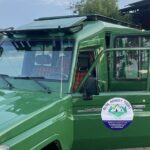
The practical upside here is that you’re not solving logistics on your own. You’ve got road transport in a safari customized vehicle, a driver guide, a one-night stay with full board, and bottled water—plus park entry fees are included—so your day-to-day planning stays simple. Also, the meeting point is clearly handled: the guide wears a branded uniform and carries a placard with guest details (including for arrivals by air).
In This Review
- Key points to know before you go
- Road Trip from Kigali: what the long drive changes
- Border crossing and what’s actually included
- Day 1 in real life: arrive, settle, and be ready
- Day 2: the ranger briefing sets the tone
- Into Bwindi: tracking through dense foliage, guided and intentional
- The one-hour gorilla encounter: why etiquette matters
- After the trek: debrief and the drive back to Kigali
- Price and value: $498 per person is not just “transport”
- Small-group feel: private or small groups, bigger impact
- Languages and who you’re working with
- What to pack: the forest basics you shouldn’t skip
- Who this gorilla trek suits best
- Should you book this Kigali to Bwindi 2-day trek?
Key points to know before you go
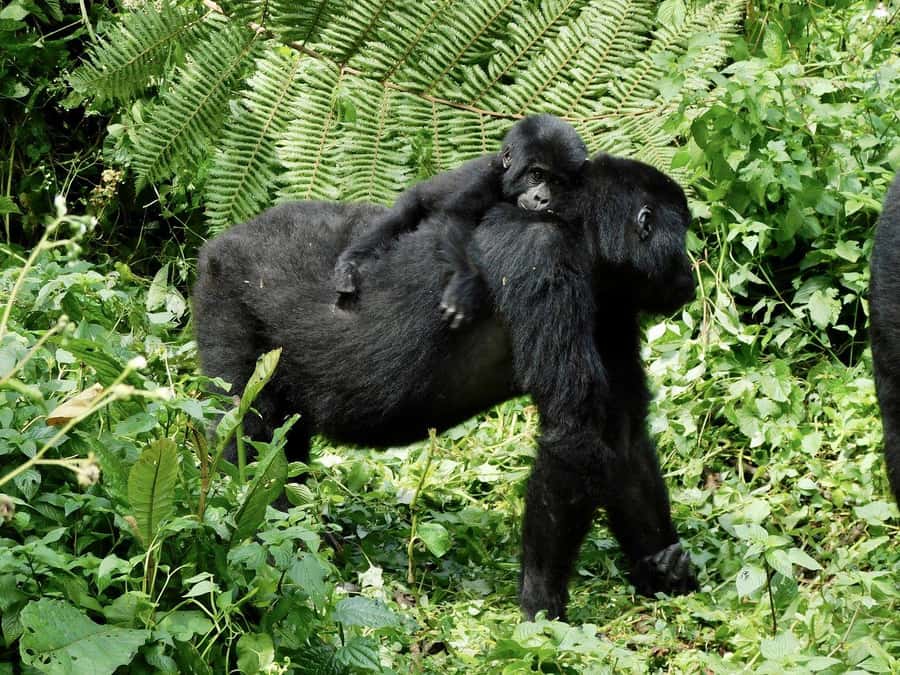
- One-hour gorilla viewing after a ranger briefing and tracker-guided search
- Ranger etiquette and safety guidelines before you enter the forest
- Driver guide + park logistics handled via a safari customized vehicle from Kigali
- Private or small groups available, depending on your booking
- Permit and add-ons not included, so confirm costs early
- Pack for the forest: sunscreen and a hat are explicitly recommended
Road Trip from Kigali: what the long drive changes
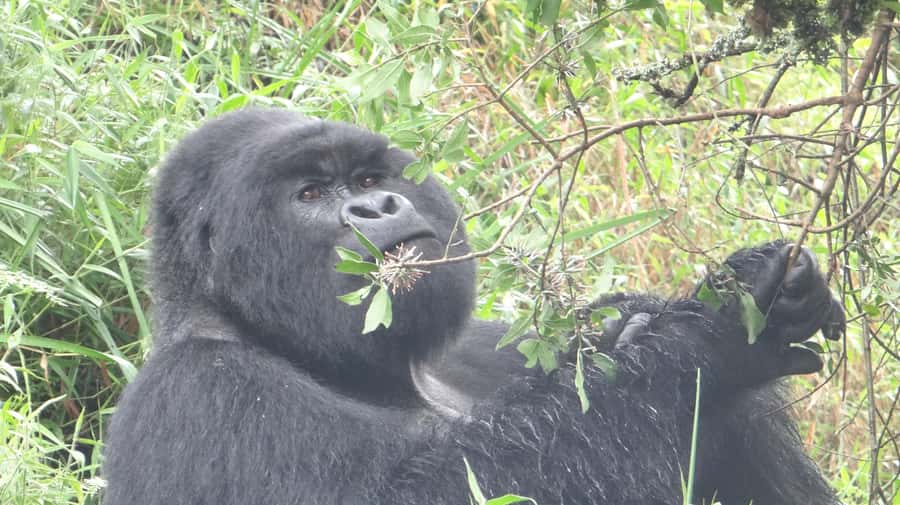
Most gorilla trips succeed or fail based on one thing: how well you handle the road day. This is not a quick hop. You depart Kigali early, then work your way through rolling hills, rural villages, and roadside markets on the way toward the Rwanda–Uganda border. You’ll cross at the border, complete immigration formalities, and continue on to Bwindi Impenetrable Forest.
That long drive matters for two reasons. First, it affects how you feel when you reach the park the next day. If you’ve got caffeine and snacks sorted and you’re hydrated, the forest trek feels like a clear plan instead of a shock. Second, it’s a reminder that gorilla trekking is a full outing, not a half-day activity. You’re trading a chunk of your trip for a structured experience.
You’re also traveling with an English-speaking driver guide, and the package includes a safari customized vehicle plus custom clearance fees for the car. In other words, you’re not just being driven—you’re being guided through the administrative side that can otherwise eat up time and patience.
You can also read our reviews of more tours and experiences in Kigali.
Border crossing and what’s actually included
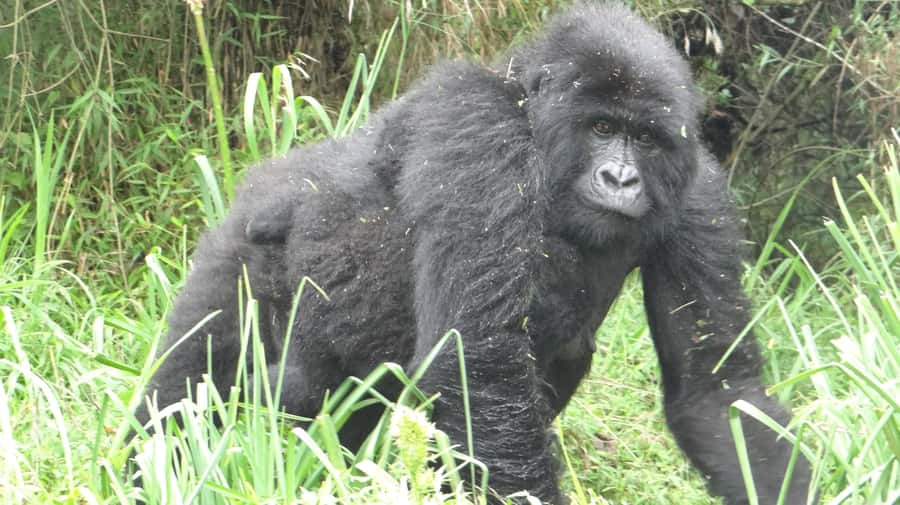
Once you’re in the handoff zone—moving from Rwanda to Uganda—the practical question becomes: what are you paying for inside the package, and what sits outside it?
Here’s what you’re covered for in the included list:
- One night accommodation with full board
- Road transportation in a safari customized vehicle
- English-speaking driver guide
- Park entry fees
- Custom clearance fees for the car
- 1 lunch on day 1
- Bottled water
What is not included:
- Gorilla permit
- Batwa cultural visit
- Optional activities
- Processing fees
- Additional drinks or alcohol
- Visas
- Flight tickets
- Crafts/souvenirs
- Sunset boat cruise
That distinction is important for budgeting and for decision-making. The package covers the transport and the core “get you to the forest, then support the trek” piece. But the gorilla permit is the big variable cost, and it’s excluded. Before you assume you’re paying one clean total, you’ll want to confirm the permit status and the final all-in price.
Also, pay attention to how add-ons show up. One traveler’s experience pointed out that costs can pile up if you add a Batwa cultural visit or a lake cruise after arrival, even if you only spend part of the scheduled time. The takeaway is simple: ask for a clear rundown of optional activities, what you’ll pay, and how timing affects the cost.
Day 1 in real life: arrive, settle, and be ready
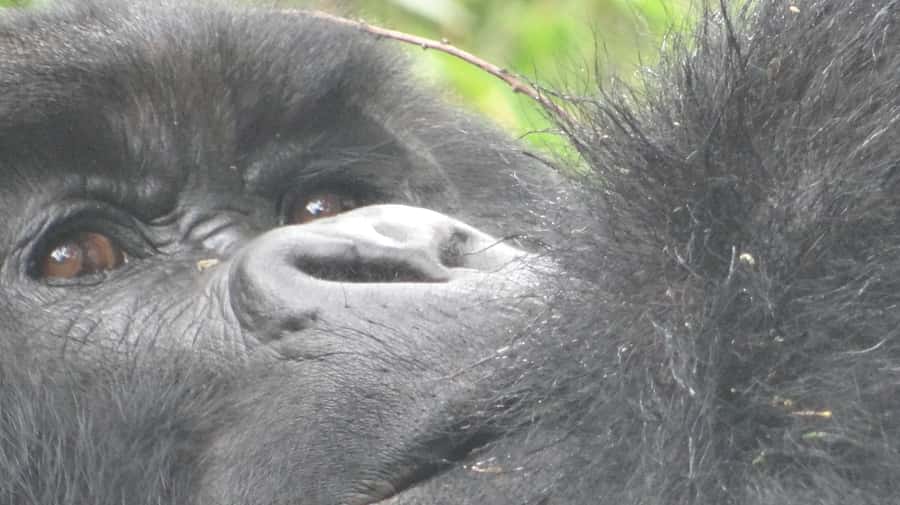
Day 1 is about getting you from Kigali to Bwindi and setting you up to trek well the next morning.
You’ll depart Kigali early with a knowledgeable guide and comfortable transportation. Along the way you’re seeing countryside and everyday life—rolling hills, villages, and markets—so it doesn’t feel like a gray transfer day. You arrive at the border, handle immigration formalities, then continue toward Bwindi Impenetrable Forest.
After that, you reach the Bwindi area and connect with your included overnight stay: one night of accommodation with full board. That means you’ve got meals covered, and you don’t have to hunt for food options late in the day.
This matters because the gorilla trek is physically and mentally demanding. Even if the trek itself is one long morning, what you do on Day 1 is what determines whether you feel steady instead of sluggish. Eat well, hydrate, and plan to get sleep you can actually use.
Day 2: the ranger briefing sets the tone
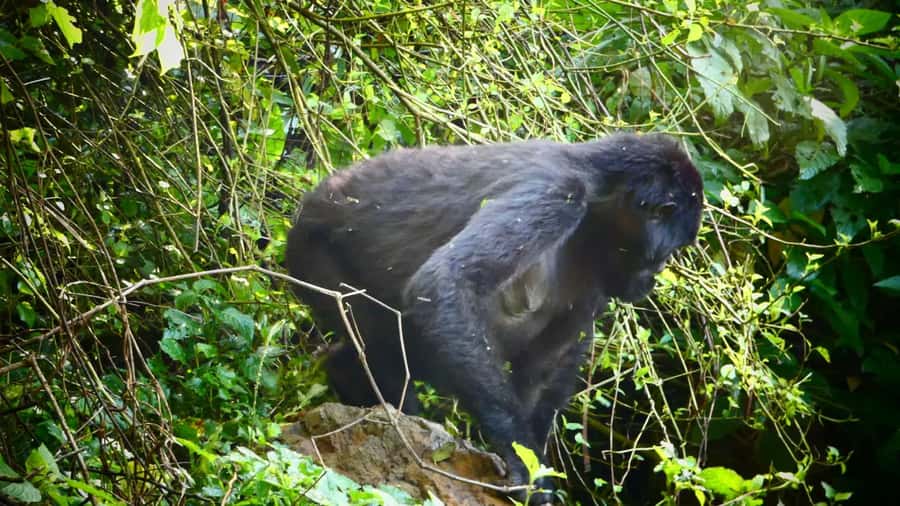
Your Day 2 starts with an early-morning breakfast before heading to Bwindi Impenetrable Forest National Park headquarters. This is where the experience becomes official.
You get a briefing from park rangers on:
- gorilla trekking etiquette
- safety guidelines
- what to expect
This isn’t “busy work.” The rules exist because you’re entering a living habitat where your behavior affects safety and the animals’ stress levels. The briefing also helps you manage expectations. You’ll know how close you can go, what kinds of actions are discouraged, and what the flow of the trek will look like once trackers start guiding you.
Then you head into the forest.
Into Bwindi: tracking through dense foliage, guided and intentional
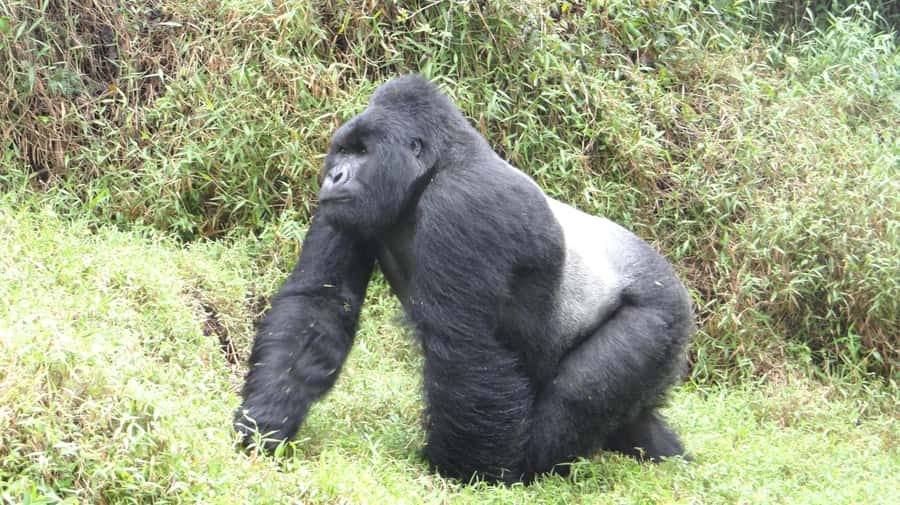
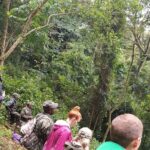
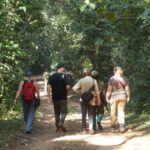
The trek is guided by experienced trackers who lead you to habituated gorilla families. You’re not wandering; you’re following a team that knows how to read the forest—where gorillas move, how they forage, and how to find them without needless disruption.
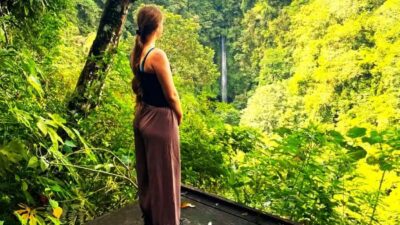
Expect dense vegetation. It’s not a neat trail walk, and you’ll feel it in your legs and breathing. The experience includes that sensory layer people often forget to mention: as you move, you hear a steady symphony of exotic bird calls. That soundscape can be surprisingly grounding. When you’re working through the forest at a slower pace, the birds become the rhythm that keeps you present.
Here’s what you should mentally prepare for: the forest does not care about your itinerary. The time you spend searching is driven by where the gorilla group is that day. Your job is to follow your trackers, keep safe, and stay patient when the pace changes.
The one-hour gorilla encounter: why etiquette matters
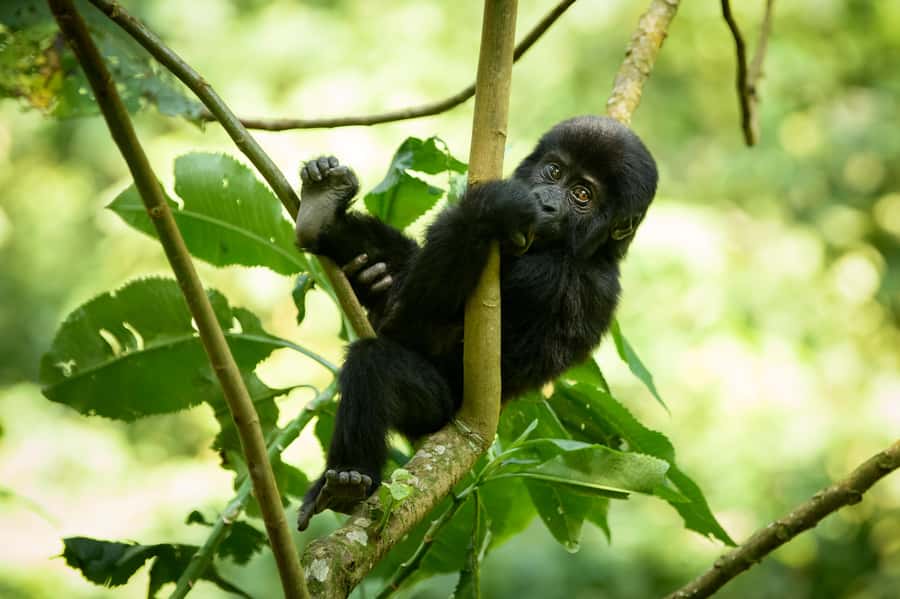
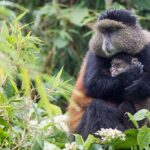
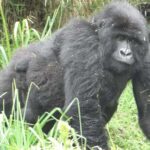
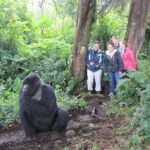
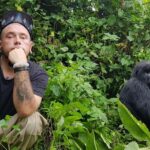
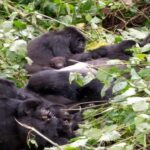
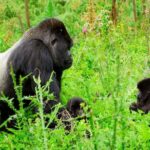
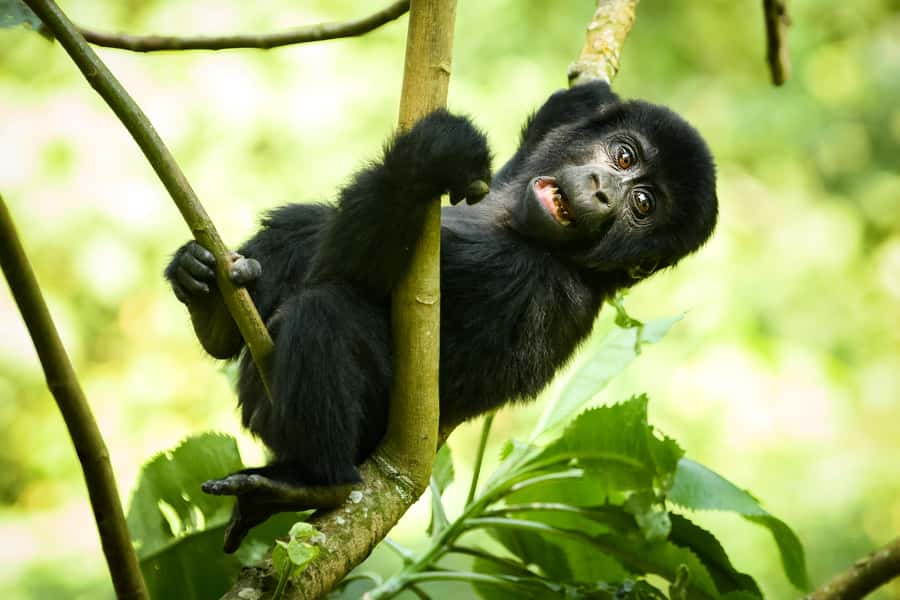
Once you locate a habituated gorilla family, you’ll spend an awe-inspiring hour observing them in their natural habitat. That hour is the core moment—your payoff for the trek and the waiting.
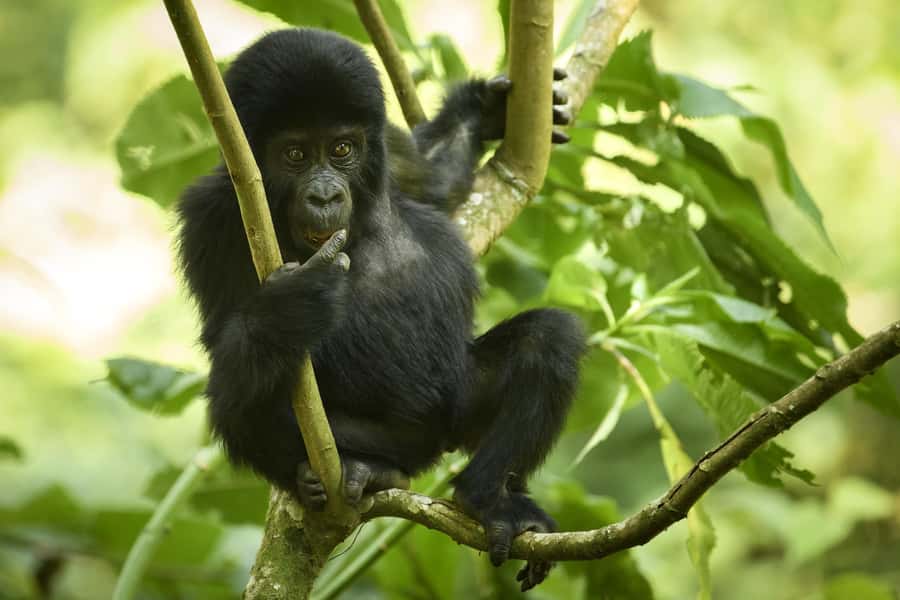
What you’re there to see is not a performance. Gorillas are foraging and interacting on their own schedule. You may notice behaviors that feel intensely human: small social gestures, regrouping, moving together, and the calm focus of animals that are comfortable with human presence at a distance.
Your hour is also time-bound, and your rangers and trackers manage it carefully. That’s why the briefing matters. If you’re expecting a free-for-all, you’ll be disappointed. If you’re ready to follow guidance, you’ll have the best chance to enjoy that hour fully without feeling rushed or out of control.
After the trek: debrief and the drive back to Kigali
When the trek is done, you return to the park headquarters for a debriefing. That debrief helps you translate what you just saw into something you can carry—what was happening in the group, and how the logistics worked from the park’s perspective.
Then it’s back to Kigali.
By the time you’re heading home, you’ll likely feel a mix of exhaustion and satisfaction. The drive is long enough that it doubles as a decompression period. Use it to hydrate, review your photos, and let your body come down from the adrenaline of finding the gorillas.
And remember: your appreciation for ape conservation will probably change in a practical way, not just a sentimental one. You’ll see the effort behind conservation on the ground—rangers, tracking systems, and the strict focus on safety and habitat protection.
Price and value: $498 per person is not just “transport”
This tour is priced at $498 per person for a 2-day experience that includes:
- one night with full board
- road transport in a safari customized vehicle
- an English-speaking driver guide
- park entry fees
- custom clearance fees for the car
- lunch on day 1
- bottled water
Value-wise, that coverage is meaningful. You’re not paying extra for a hotel night or the core “driver to the park and back” service. And including park entry fees reduces a common budgeting headache for first-time visitors.
But here’s the honest part: the largest required cost for the experience—the gorilla permit—is not included. So the true total cost depends on what you pay for the permit (and what your visa status requires).
Then there are optional add-ons. One key warning from a real-world experience is that optional activities can create “surprise” expenses once you’re there, and sub-guides or local participants may still expect tips for short visits or services. In one example, additional costs were mentioned for a Batwa tribe visit and a lake cruise, plus tipping expectations beyond what was already paid.
You can avoid most of that stress with two steps:
1) Ask what’s included vs excluded in a single final number before you commit.
2) Ask about tipping expectations early—who tips are for, and whether any part of the service is handled inside your package price.
Small-group feel: private or small groups, bigger impact
The activity lists private or small groups available. That matters because gorilla trekking can feel crowded if the group size is large. Smaller groups usually mean fewer people affecting pace and sound levels in the forest, and it can make the briefing feel more focused.
Also, communication is part of the package experience. One traveler specifically called out good communication from the company and the driver. That kind of coordination matters on itineraries with borders and early departures.
Languages and who you’re working with
The tour lists live guide support in:
- English
- German
- Spanish
Even if your driver guide is English-speaking, the ability to have information delivered in your preferred language helps you absorb the ranger briefing and etiquette rules. Those are the moments where small misunderstandings can ruin your day.
Also, the meeting point system is practical. The guide will wear a company uniform branded with the BUGOLI ADVENTURES LIMITED logo and carry a placard with guest details, especially for airport arrivals. That reduces the classic first-day anxiety of finding your transport in a new country.
What to pack: the forest basics you shouldn’t skip
The tour’s “know before you go” list is short, and that’s good. Bring:
- sunscreen
- a hat
I’d treat that as minimum. Bwindi trekking is through dense vegetation, so sun can still hit you through gaps, and heat builds as you hike. A hat also helps with the practical stuff—light rain flickers, sweat, and glare. If you tend to burn, consider packing an extra layer for protection.
Also, since you’ll be outdoors early, plan for comfort: shoes you trust on uneven ground, and clothing that can handle movement. The data you have here doesn’t list exact gear, so use common-sense trekking logic.
Who this gorilla trek suits best
This 2-day trek is a strong fit if you:
- want one clear goal (gorillas) without building the logistics yourself
- prefer guided safety and etiquette with ranger instruction
- don’t mind a full-day effort with a long road transfer
- value a structured experience with included meals and a night stay
It’s not the best match if you’re expecting a simple, low-effort outing. You’ll walk in dense foliage and follow trackers at the forest’s pace. If you’re looking for a “see animals from a viewpoint” kind of tour, this won’t be that.
Should you book this Kigali to Bwindi 2-day trek?
I think it’s worth booking if you’re clear-eyed about the big cost item and you like structure. The package handles the heavy lifting: transport from Kigali, border-to-forest routing, one night with full board, park entry fees, and a guided trek with ranger briefing and tracker leadership.
Where you should slow down is money and expectations:
- Confirm the gorilla permit requirement before you calculate your budget.
- Ask about optional extras like the Batwa cultural visit and the sunset boat cruise so you don’t get surprised by add-on pricing.
- If tipping is part of the local service culture you encounter, plan for it by asking who expects tips and how much to set aside.
If you want a real chance to see mountain gorillas in a guided, rule-based way—and you’re ready for a morning trek through thick forest—this is the kind of trip that can change how you view conservation on the ground.